Publishing double whammy!

This morning I had the RSPB May-June BirdLife magazine delivered to my door. As soon as I opened it I turned straight to the letters page and saw that the letter that I sent in a few months ago about recording badgers last year had been given star letter and I also won a prize, which was an electronic thesaurus. Below is a photo of my feature in this BirdLife magazine.

Then, later on that day, when I checked my local newspaper, which is the Lichfield Mercury, I noticed that an article had been published about my plea to look after a local nature reserve. The nature reserve, know as Christian Fields, is very close to where I live in Lichfield and I regularly visit it as It’s a great haven for wildlife and a great place to walk my border terrier, Max. In the past few years a lot of money and effort has been put into making the area into a nature reserve and it’s now a lovely place. However recently I’ve noticed that people are starting to vandalize the area, litter, not pick up after their dog and a few other things too. I was very disappointed and saddened by this but I hope that I can make a difference and something is done to prevent this happening or going any further. You can read more about my plea and what I’ve had to say here on the Lichfield Mercury website – http://www.lichfieldmercury.co.uk/Teenage-blogger-urges-people-look-nature-reserve/story-21003040-detail/story.html
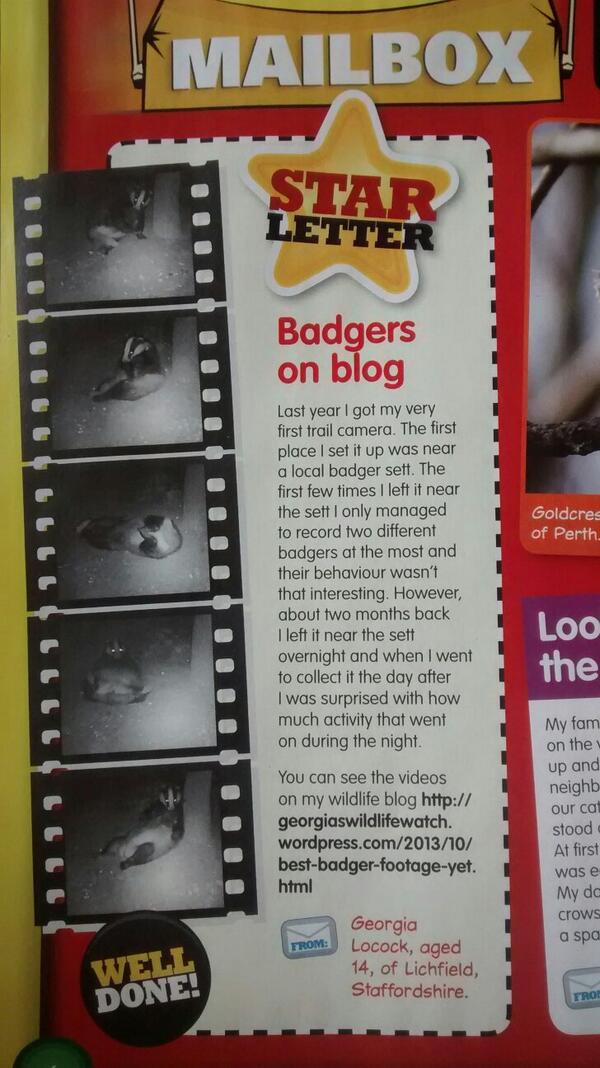
blogbadgers

Here’s the badgers that I film featuring in the RSPB’s BirdLife magazine.
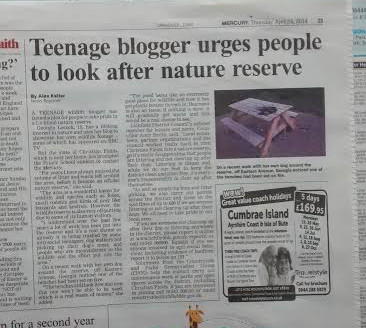
newspaperarticle

Here’s the printed article in the Lichfield Mercury on page 23.

Striped triplets.

Over the past two weeks I’ve been setting my trail camera up almost every night and at lots of different locations as I’ve been off school. Last night, for the second time since I’ve been off school, I set my trail camera up at a local badgers sett. Last week when I recorded there I managed to record two different badgers at the most and there wasn’t that much activity except for a bit of tree climbing. However when I collected my camera this morning and looked at the footage I was delighted to see that I had recorded two different adult badgers and three different cubs! By the looks of it this was one of the first times that the cubs had left the sett as they were very wary and so were their parents. On the videos, I managed to record eating, exploring, some play fighting and much more. Here’s some of the footage that I got.

New locals.

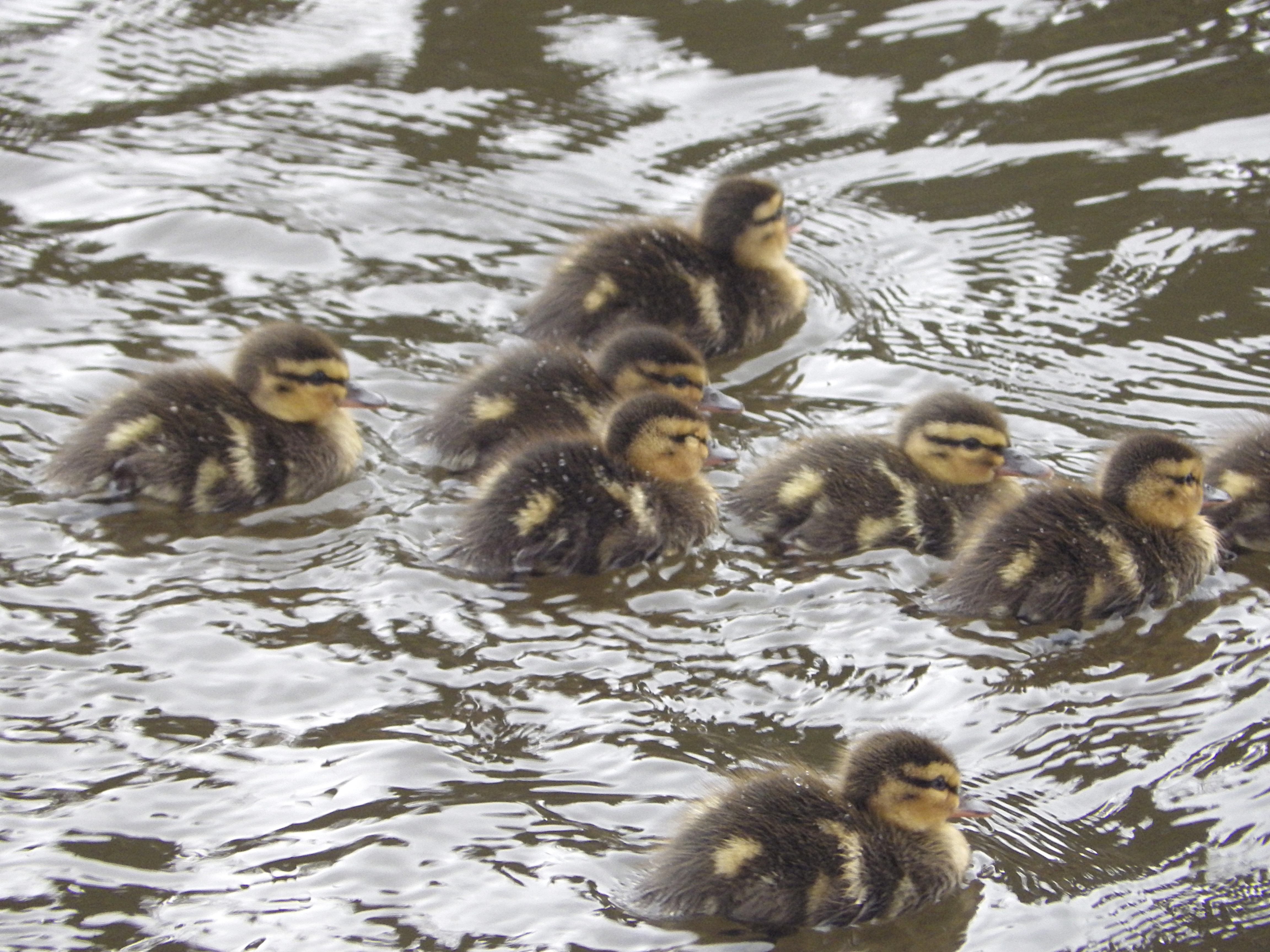
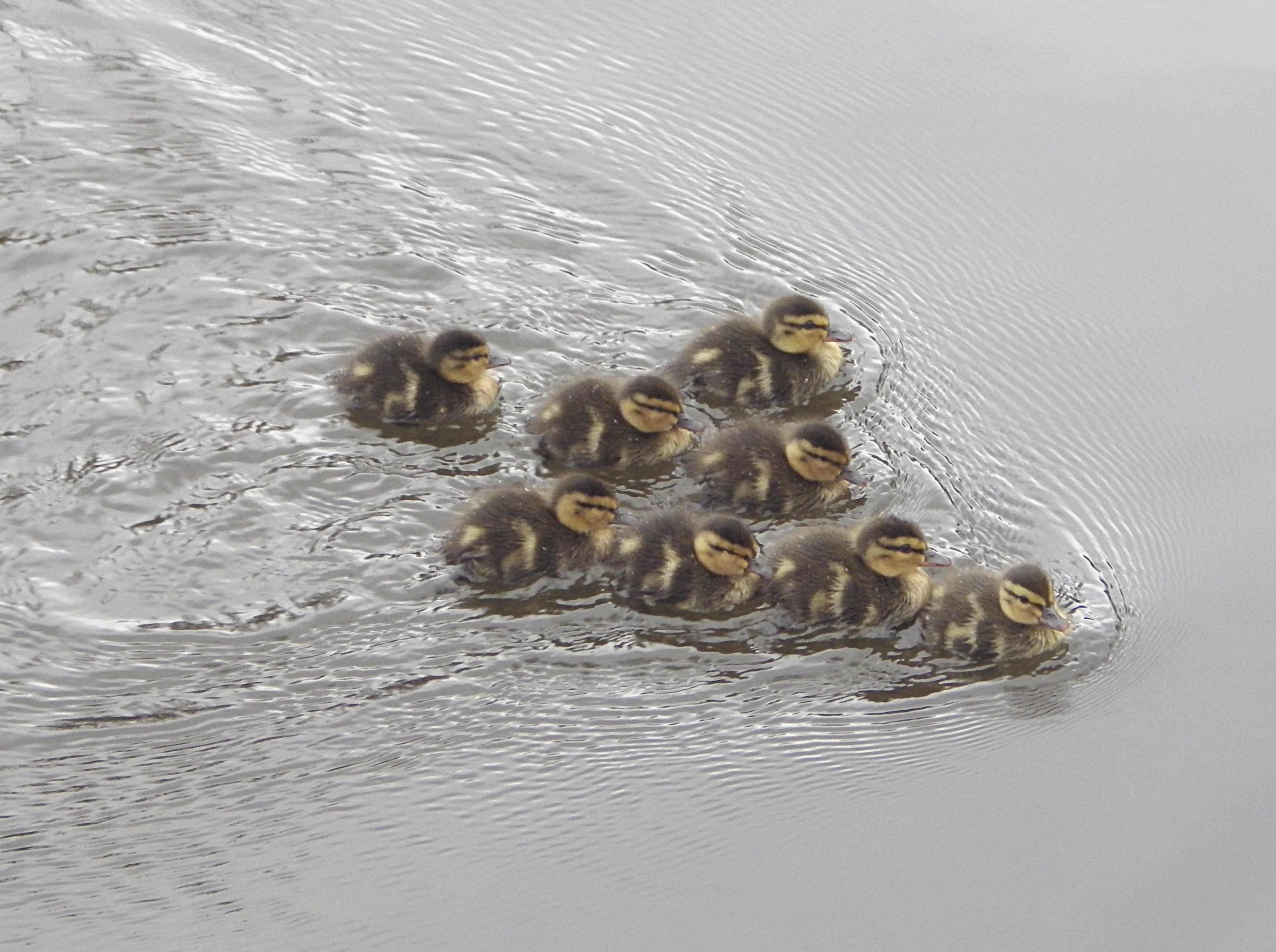
Last Thursday I ventured out into Lichfield town centre. In the city centre, close to the Cathedral, there is a pool known as Minster pool. After looking around for a few minutes I noticed a group of ten ducklings swimming around. Here’s some photographs and a video that I took of them. Unfortunately the quality isn’t the best as the weather was a bit dull but I’ll be back in the near future to record them again and hopefully record the family growing bigger and bigger as every few days go by.

duckling2 ducklings1


Fungi quiz answers.

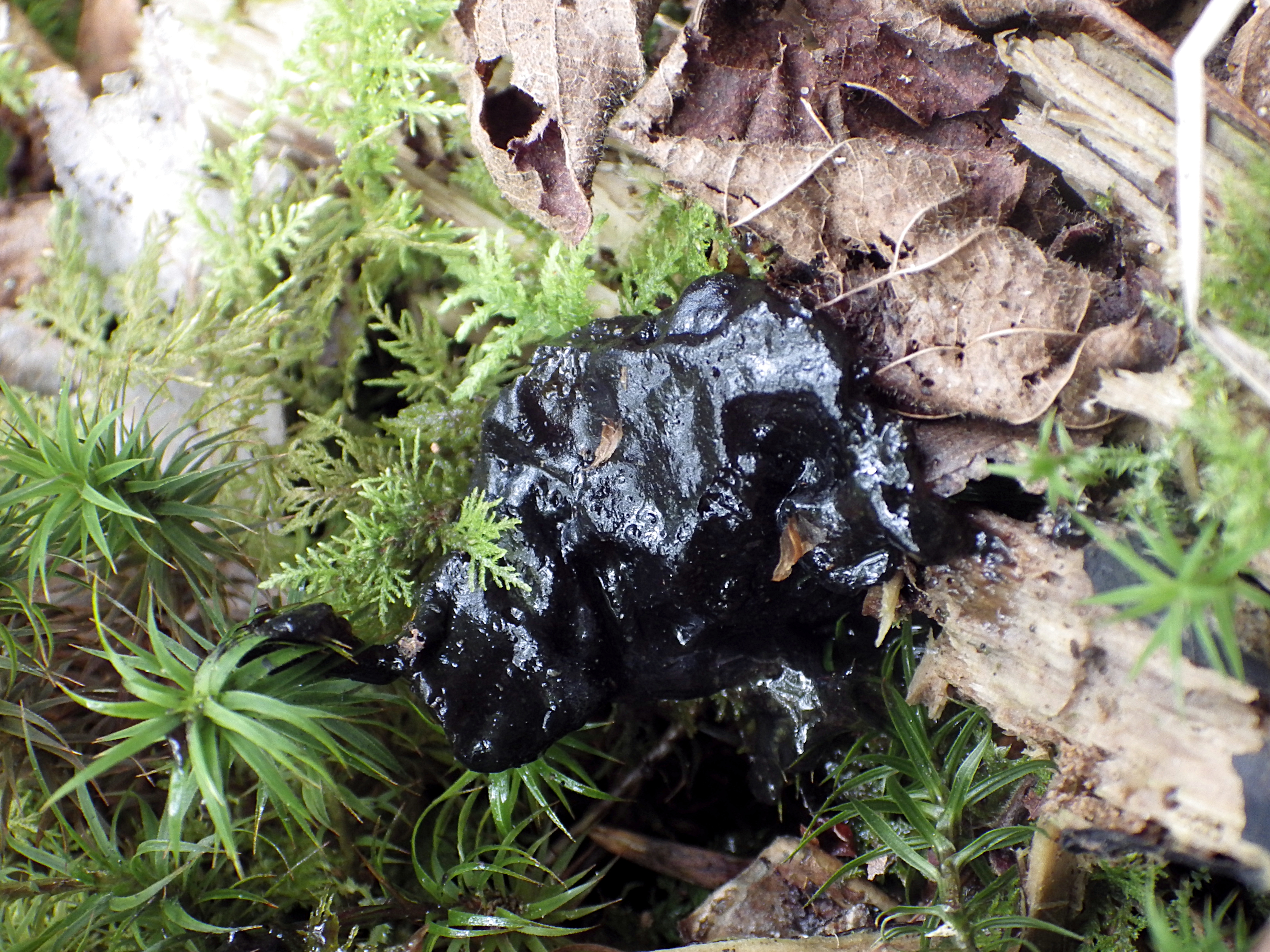
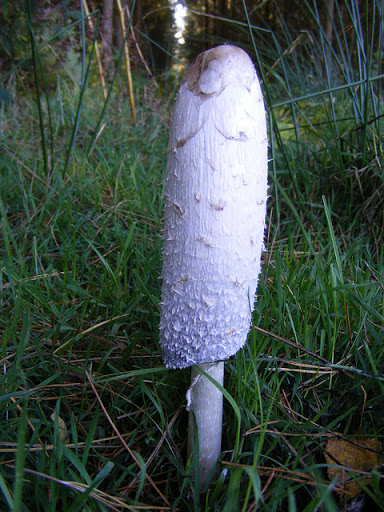
Following Thursdays wildlife quiz here’s a post with the answers on and some information about each of the three fungus’ I quizzed about.

Image                                                                  This fungi is called witches’ butter (Tremella mesenterica). This photo of mine featured on BBC Autumnwatch Extra last year and BBC Winterwatch Unsprung. It is normally found on a tree however this had fallen off onto the floor. 

Image                                                                                               This one is called Fly Agaric (Amanita muscaria), it is a very iconic toadstool and is commonly depicted in children’s books. The fungus is dangerously poisonous and the name fly agaric derives from the fact that since medieval times it was commonly used as a fly killer.

Image                                                                                                                  This one is known as a shaggy ink cap (phylum Baasidomycota) and can be spotted in meadows, woods and roadsides verges. They are common and widespread in Britain and Ireland and it is also found throughout mainland Europe, from Scandinavia down to the southern edge of the Iberian Peninsula and the shores of the Mediterranean. It also occurs in Northern America.

Next weeks quiz is all about British butterflies!