A day of talking all things mammal!

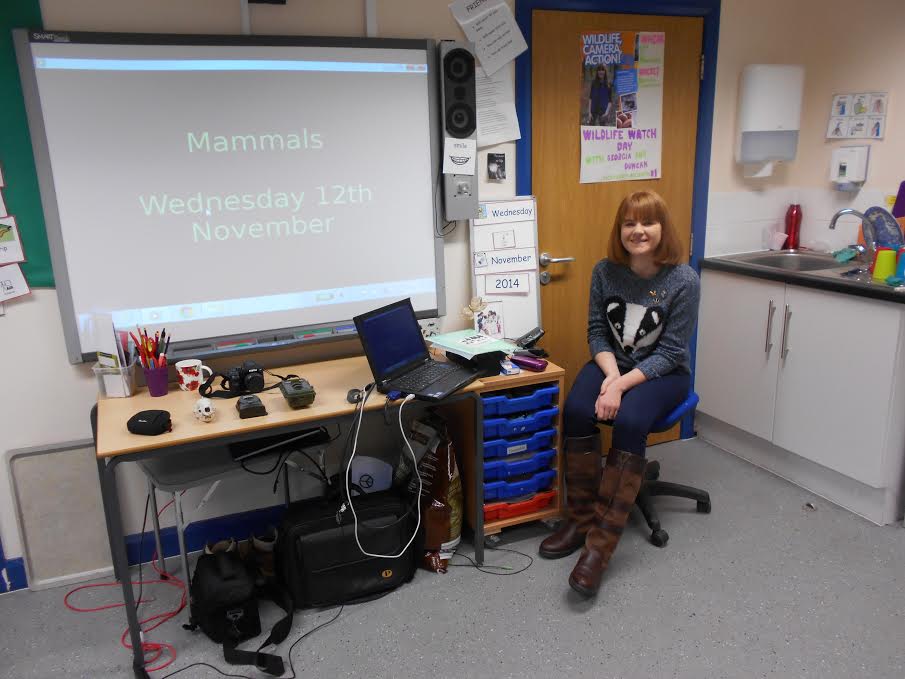
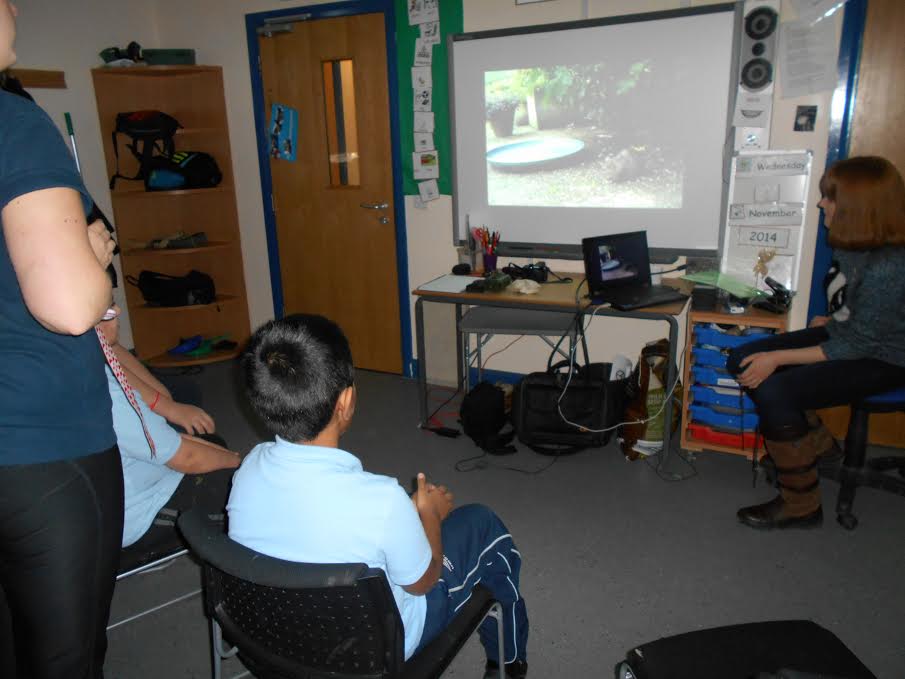
Earlier this year I was asked to give a day of talks at a school for autism. Throughout the Summer and early Autumn I went along to the school grounds to film the wildlife they have in their forest with my trail cameras. The forest at the school is used regularly by the students where they do a variety of different outdoor activities. In the forest we managed to film lots of foxes, rabbits and squirrels along with the odd pheasant and jay.

When I gave the talk I included all the footage I had filmed at the school along with my own footage and photos. The talks were back to back all day, with breaks in between, and each lasted for around 25 minutes. Throughout I spoke about different mammals which would be present in the UK, and on the school grounds. I spoke about many different mammals from hedgehogs and squirrels to otters and badgers. The ages ranged from around 9 to 18 and it was great to share all my footage and show them what was going on outside their class rooms when no ones there. Plus talking about wildlife for the day was defiantly better then a day at school!

They were all a great audience and I thoroughly enjoyed myself!

talk1

Talk


Act for Nature.

Today I came across a campaign which has recently been set up by The Wildlife Trusts and RSPB. It is also backed by a number of other organisations which include WWT (Wetlands for life), Butterfly Conservation and many more. The campaign is called Act for Nature and it is a proposed piece of legislation to bring about the recovery of nature in a generation for the benefit of people and wildlife.

The joint campaign is asking politicians to act for nature and call for a Nature and Wellbeing Act in their Party’s election manifesto. The new laws would ensure protection and enhancement of nature as an investment in our nation’s prosperity.

You may ask, why do we need to act for nature? Well, the answer to that is for many different reasons! The first one is that we are loosing it at an alarming rate and something needs to be done. There are four principal causes of damage: habitat degradation, over-exploitation, pollution (particularly global climate change) and the introduction of invasive non-native species. The State of Nature report found that 60% of our UK species we know about are in decline. Habitats are becoming more fragmented and their condition is worsening to the extent that only 37% of the best sites are in good condition. These are just two of the worrying statistics about the alarming drop in our UK nature. From here though, at the moment, things aren’t looking too good for the future as only 1 in 10 children regularly play in wild places, compared to almost half, a generation ago. Without more young people growing an interest in the natural world and fulfilling a career in years to come the state of conservation will be lower and these statistics could decrease more and more. From my experience, at school I don’t know anyone who has any real interest or knowledge about nature. Then when I listen to stories of my Grandparents they explain that when they were at school everyone had an interest and everyone would regularly play in wild places. Also throughout my education I have never had many lessons about nature except for a few biology ones explaining the basic food chains – in my opinion this really isn’t an encouraging way of getting more kids involved and interested.

Nature helps us in every way possible, without it we wouldn’t even be here. For example the bees that pollinate the crops which create the food that we eat and just generally being outside that helps our wellbeing. It really does have a profound effect on our day to day lives. Currently we are facing increasing numbers in obesity and physical inactivity, and one in four of us will experience a mental heath problem at some point in our lives. Physical inactivity affects 60-70% of the adult population. The physical fitness of children is declining by up to 9% per decade. Many heath issues are linked to environmental inequality. Considerable evidence show that contact with nature can help to prevent and reverse poor health and wellbeing.

My last point, but certainly not the least, is the how much pleasure myself, and many others, get from being outdoors and observing the natural world in many different ways. From appreciating our endangered Hen Harriers fulfilling their distinctive sky dance to nature lovers feeding and caring for their garden residents. Like many others I experience the beauty of the natural world everyday. Whether it be the simple things like the change in colour on my local patch as the Autumn arrives or filming timid badger cubs emerging from their sett for the very first time.

From a young persons prospective the plummeting decline in our British wildlife is very worrying, whether it be as a whole or just individual species. It’s very scary and I often think about. Will anything be done in time? Will our wildlife ever be able to thrive within our landscape or will we carry on fighting for it’s survival. I want to do my best to make sure the natural world around us goes onto teem and be appreciated and noticed by everyone.  This campaign could help a lot by putting nature at the heart of how our country is run, so everyone can enjoy the benefits it provides in our everyday lives.

Within the Nature and Wellbeing Act, some of the changes that would be created for wildlife and nature include:

  • Wildlife in Neighborhoods
  • Making caring for nature a key purpose of schooling
  • A call for everyone to live no longer than 10 minutes walk from a natural space
  • Make access to nature and wild places part of preventative and treatment-based healthcare
  • Set new targets for increased wildlife and raise the nature baseline
  • Make sure our existing wildlife protection laws remain strong and continue to defend threatened species and habitats from harm.
  •  Create an Office of Environmental Responsibility in government to ensure targets for recovery are met

To support this campaign for a Nature and Wellbeing Act, take action and find out more please click here.
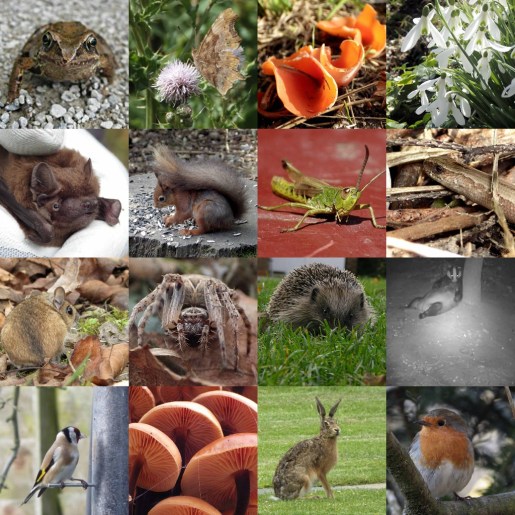
actfornature

My Autumnwatch Experience!

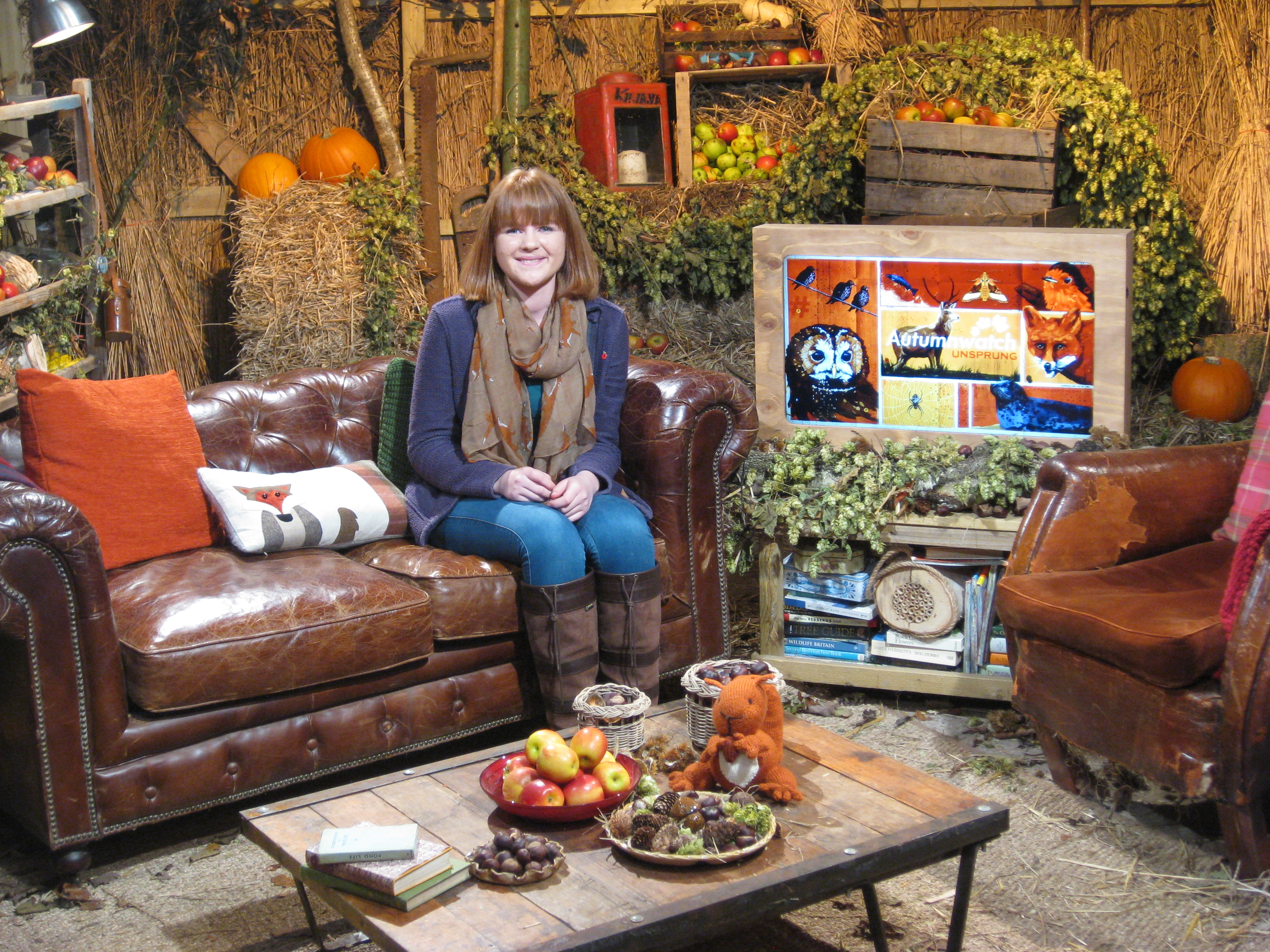
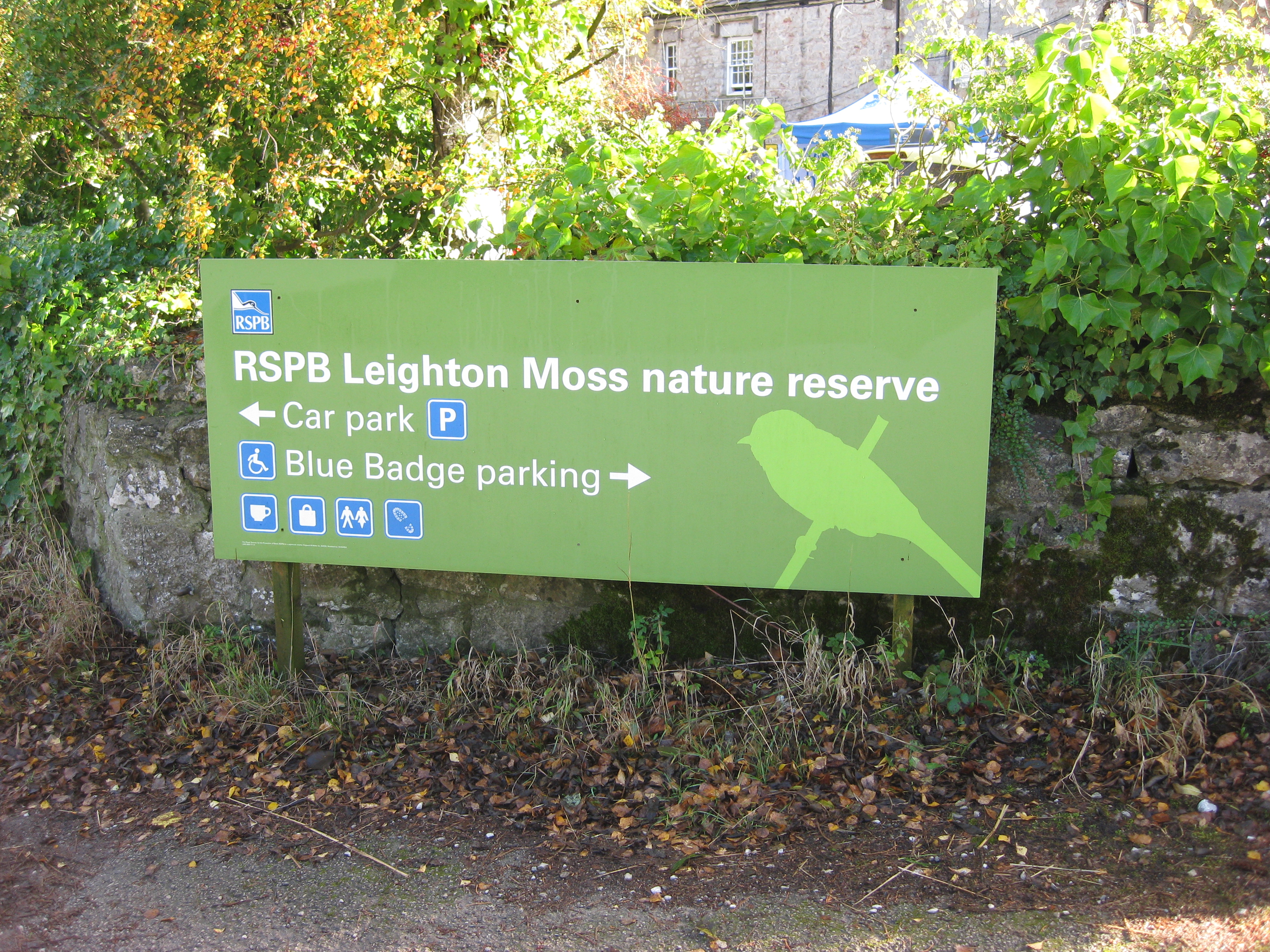
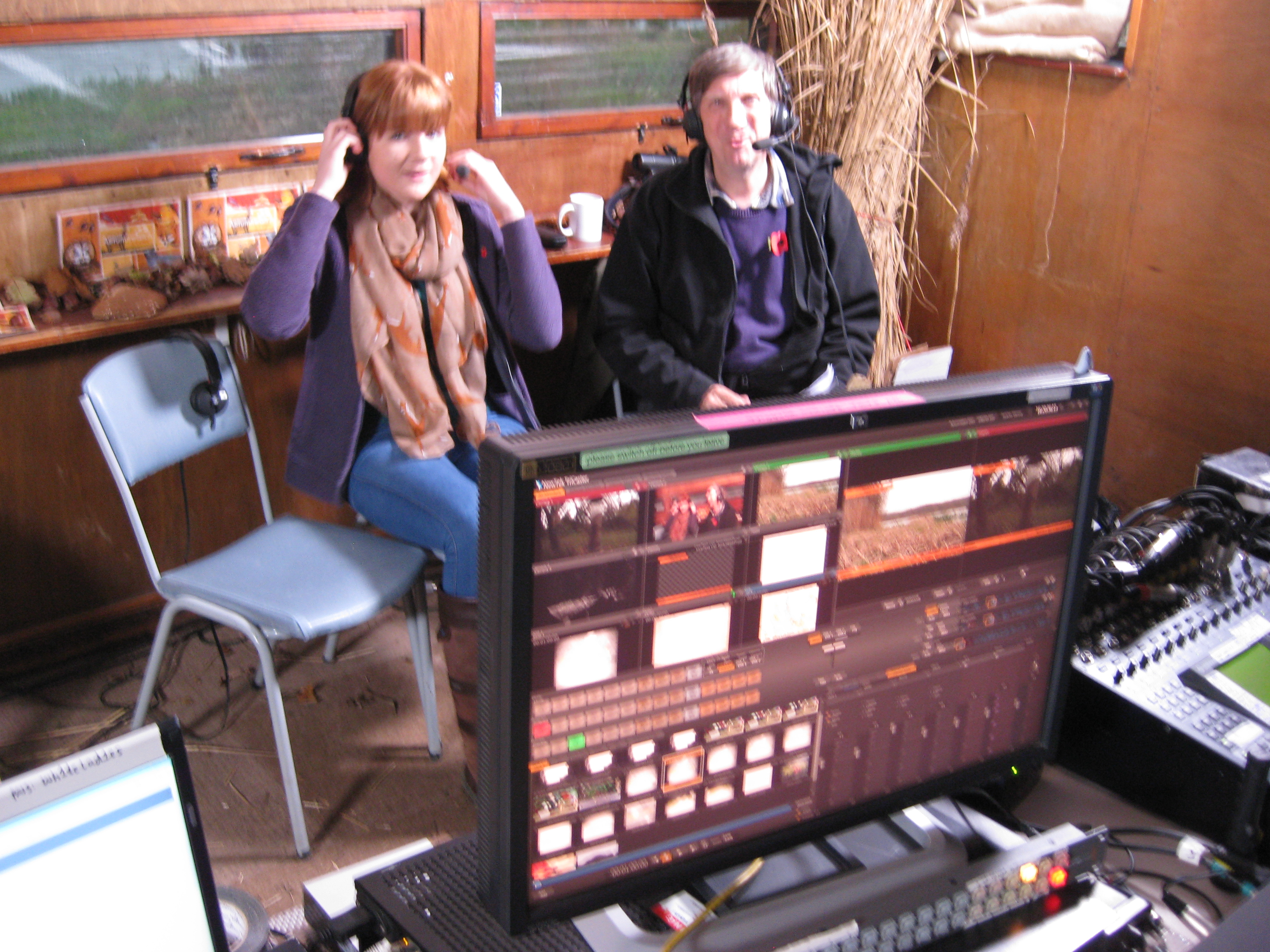
Yesterday I visited the RSPB reserve, Leighton Moss, for the first time. But this wasn’t to have a look around the wonderful site and look at the wildlife, it was to feature on BBC Autumnwatch Extra. Although I did have some time to look around I didn’t see very much as there were lots of people about but I will be going back to visit again in the near future!

We caught our first train to Leighton Moss at 7.35am and after a few hours of travelling and delayed trains we eventually arrived at 12. Straight away I had a chat with the producer and the presenter of the Autumnwatch Extra show, Brett Westwood. I also got to chat to Michaela Strachan and Nick Baker.

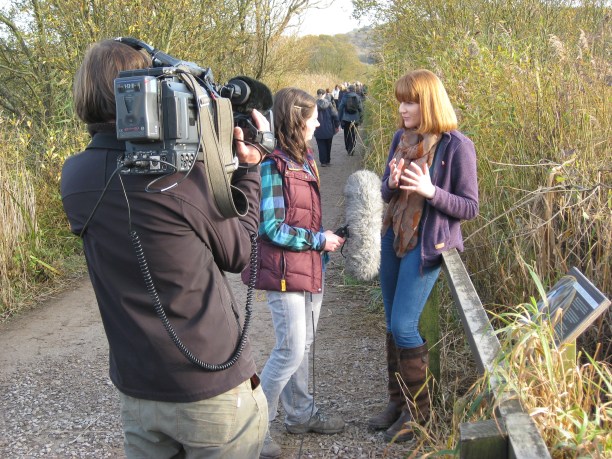
After lunch we went for a walk around the reserve then did some filming with one of the presenters, Lindsay Chapman, where I spoke more about the practical side of using trail cameras and compared my set ups to the ones at Leighton Moss. It was great fun and I really enjoyed myself!

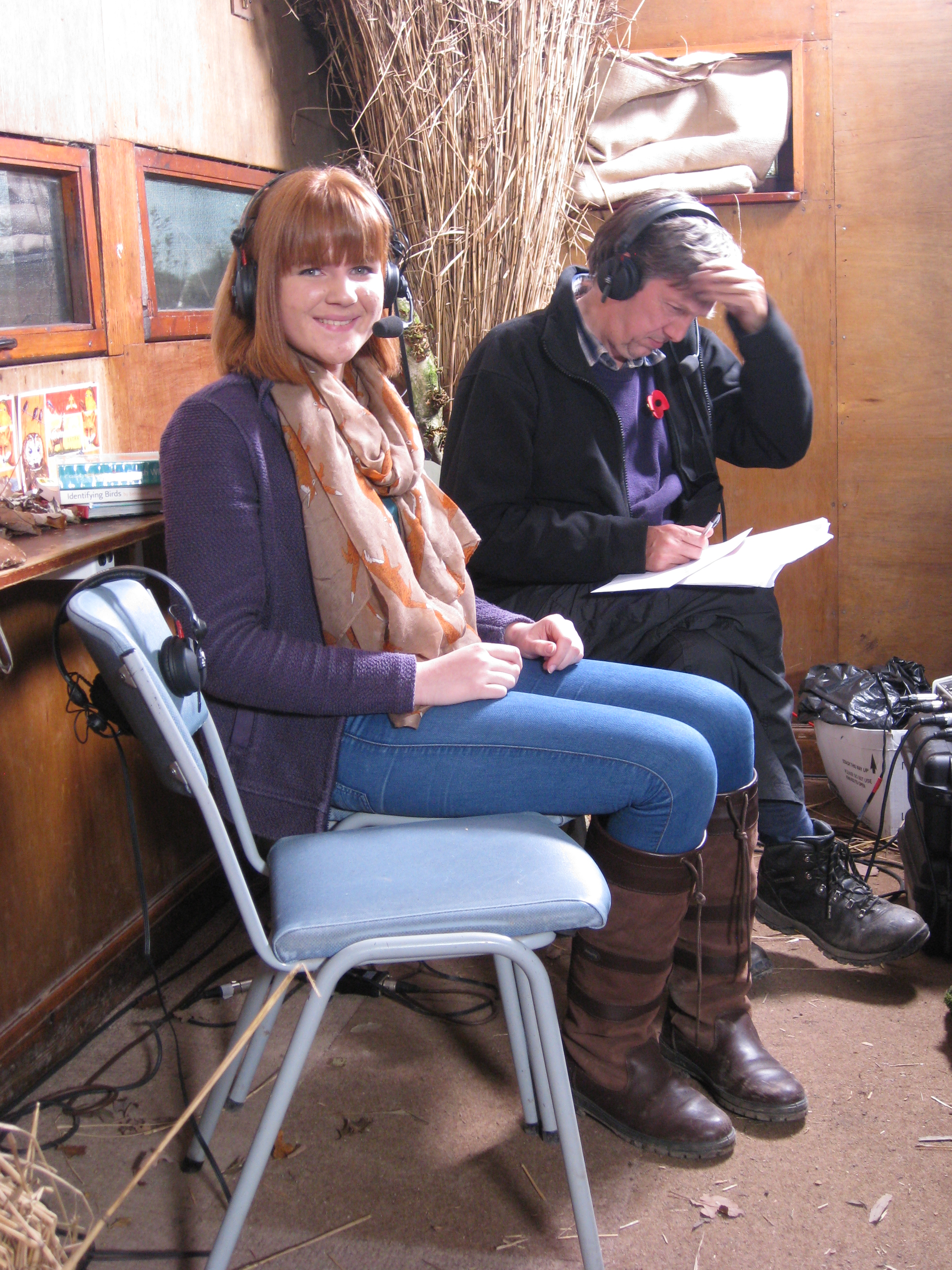
Later on we went to Lilian’s hide ready for the Extra show. It was very exciting, especially when they were counting down to going live! When I was on I spoke about my passion for trail camming and how brilliant it is. I also spoke through some of my favorite clips explaining what was going on and how I managed to get the footage. Unfortunately I only had 2o minutes but I could of gone on for hours speaking about my trail camera set ups, what I’ve managed to film and the behavior.

Unfortunately we couldn’t stop for Unsprung but we were allowed to have a look around the studio and watch one of the rehearsals which I thoroughly enjoyed! It was brilliant and I really did have one of the best days ever due to it being a fantastic reserve and everyone being such friendly and enthusiastic people! I really did enjoy the experience and it was so inspiring too!

You can watch my part on Extra by following this link and skipping to the 1:58:00 mark – http://www.bbc.co.uk/iplayer/episode/p0299myp/autumnwatch-extra-2014-4-day-two-part-two

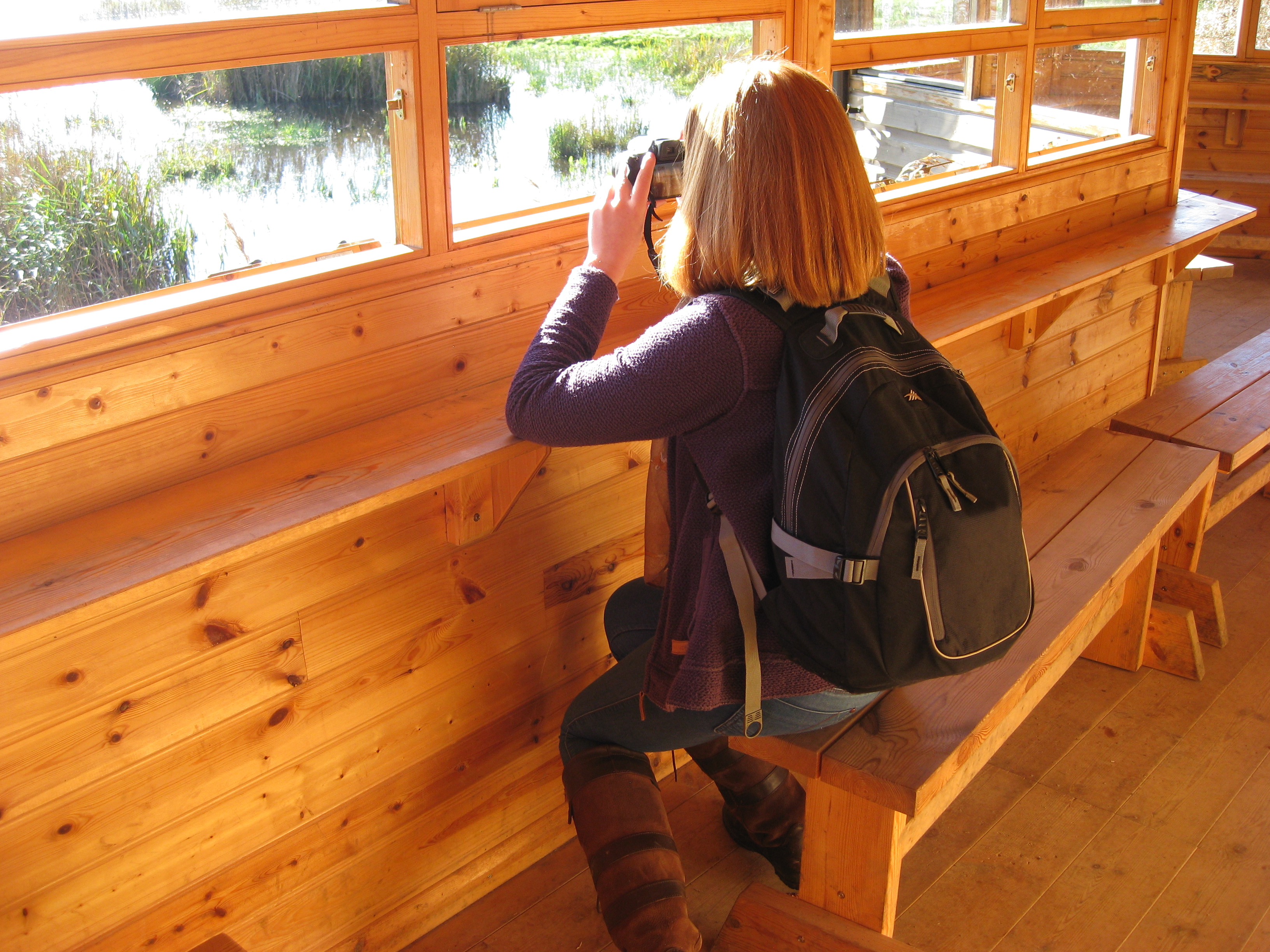
Here are some photos from the day.

IMG_1193

IMG_1152  IMG_1168


IMG_1147

IMG_1186

IMG_1157

IMG_1183

IMGP7192

IMGP7209

IMGP7178

IMGP7198

IMGP7201

Four day flora and fauna.

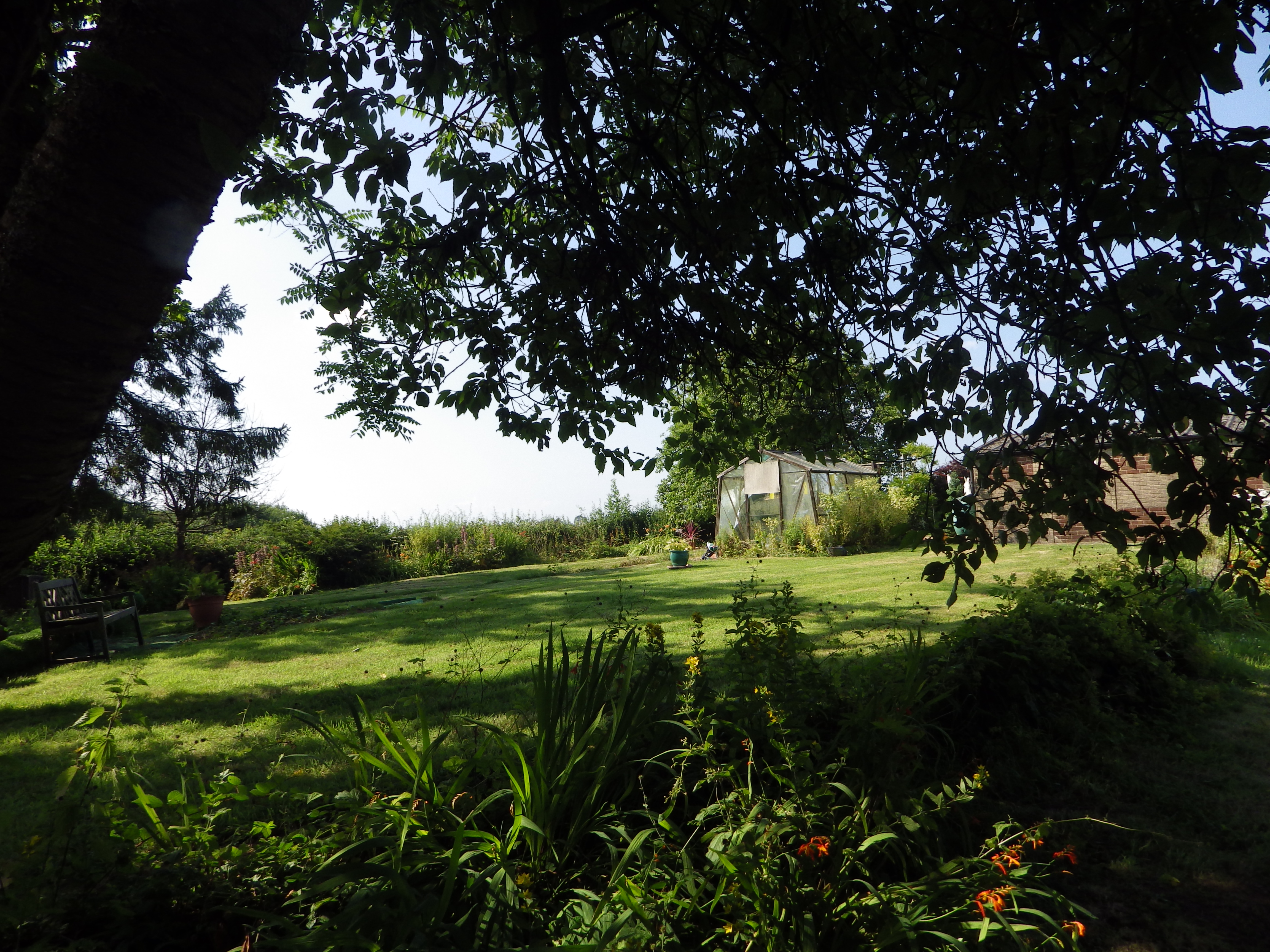
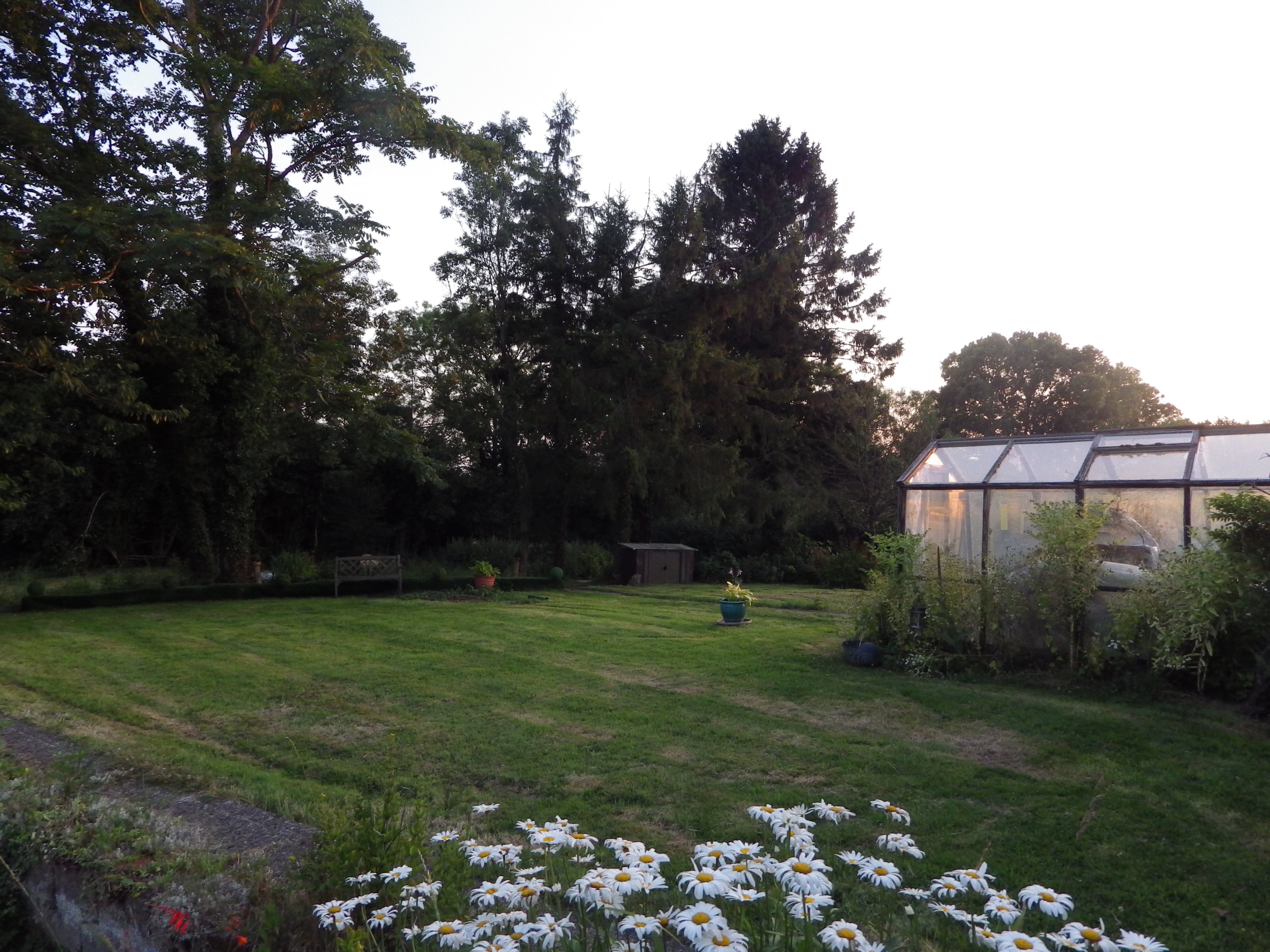
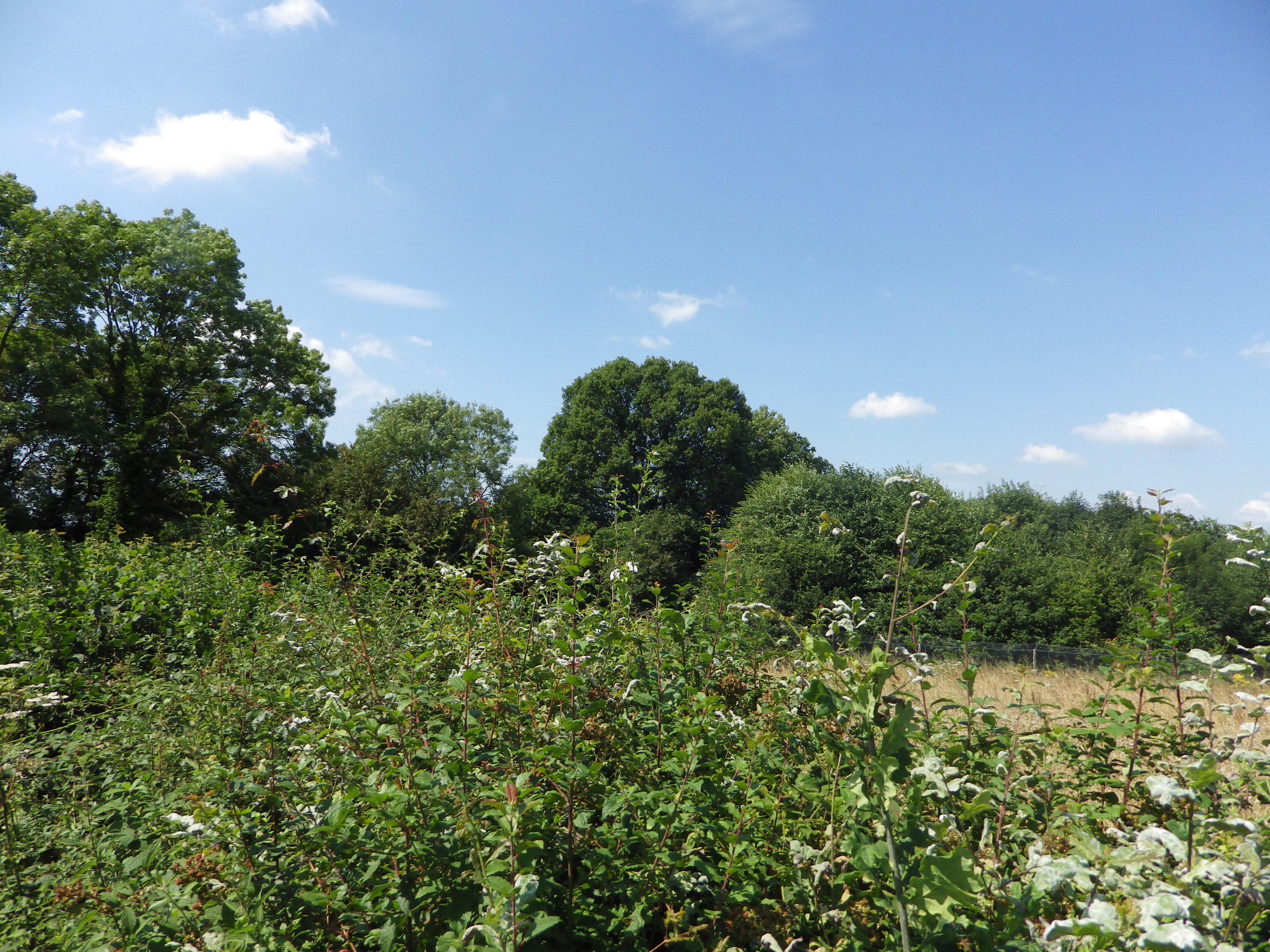
Last Wednesday I went to visit my Uncle who lives in Eridge, near Tunbridge Wells for four days with my Brother, another Uncle and my Nan. Where he lives it is surrounded by nothing but the lovely countryside. He has a massive garden which includes a orchard and a large pond. I’ve heard many stories from family members about how brilliant the wildlife is in his garden and that you can see anything from grass snakes and slow worms to foxes and badgers.

Day One.

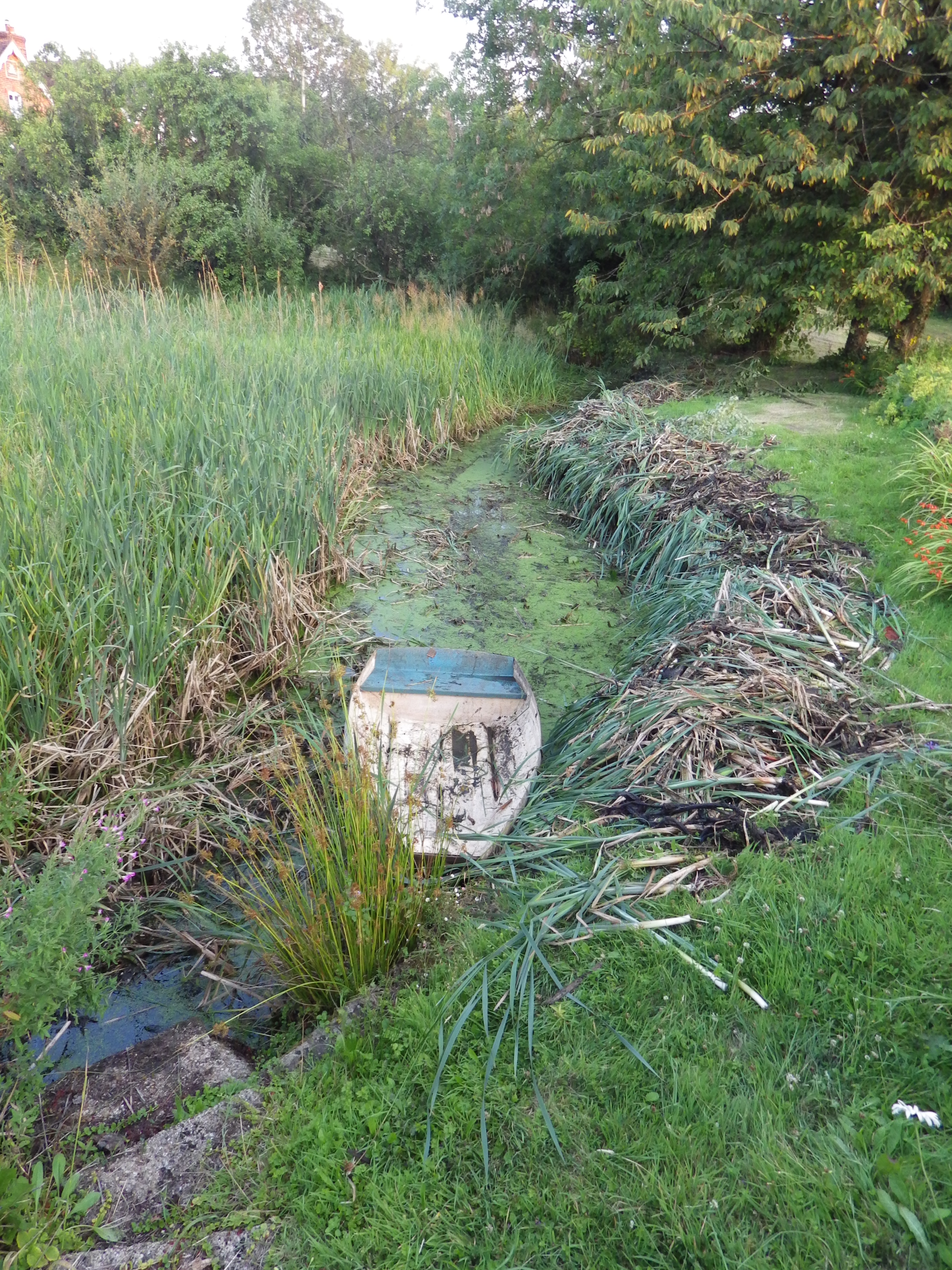
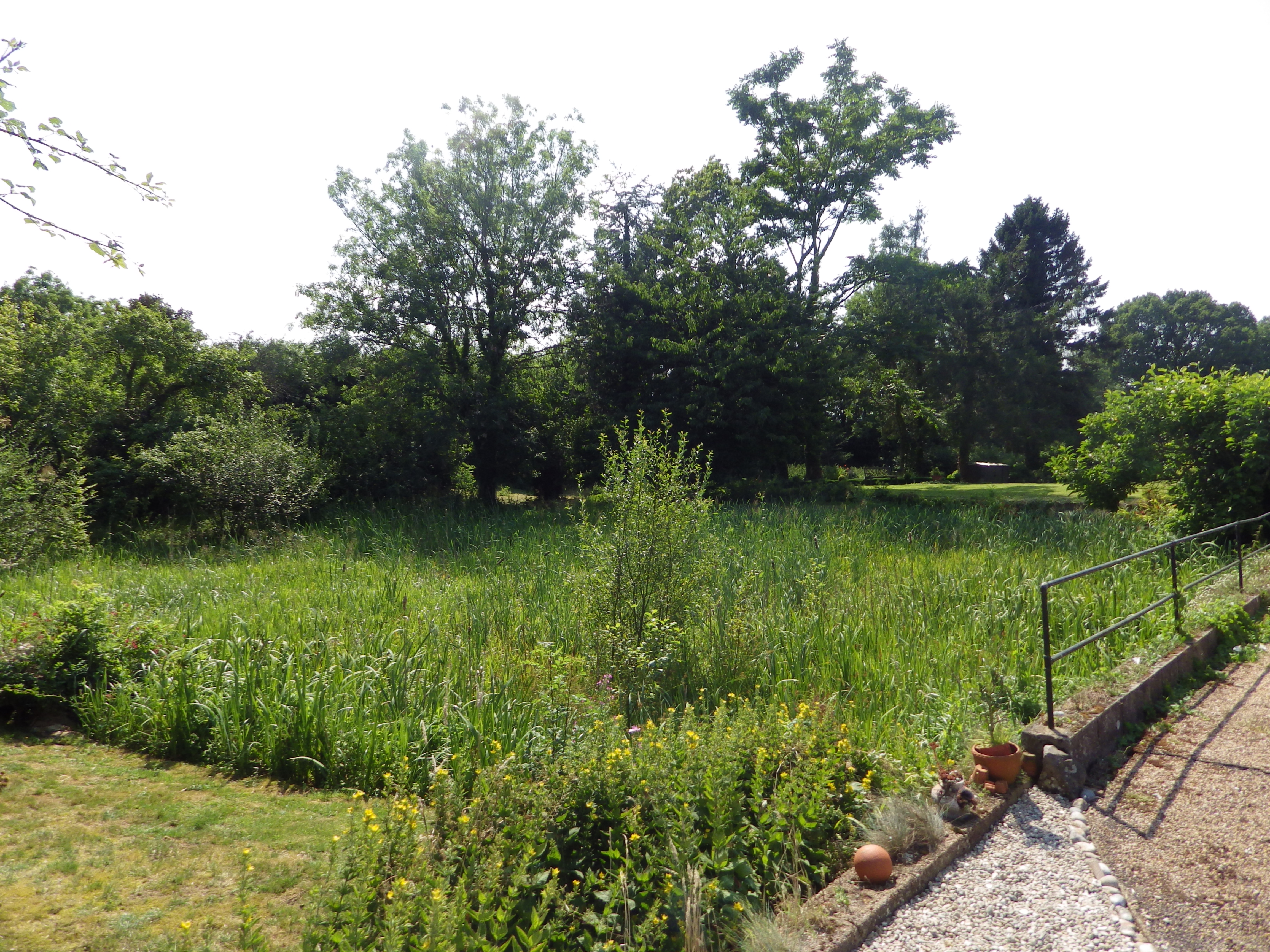
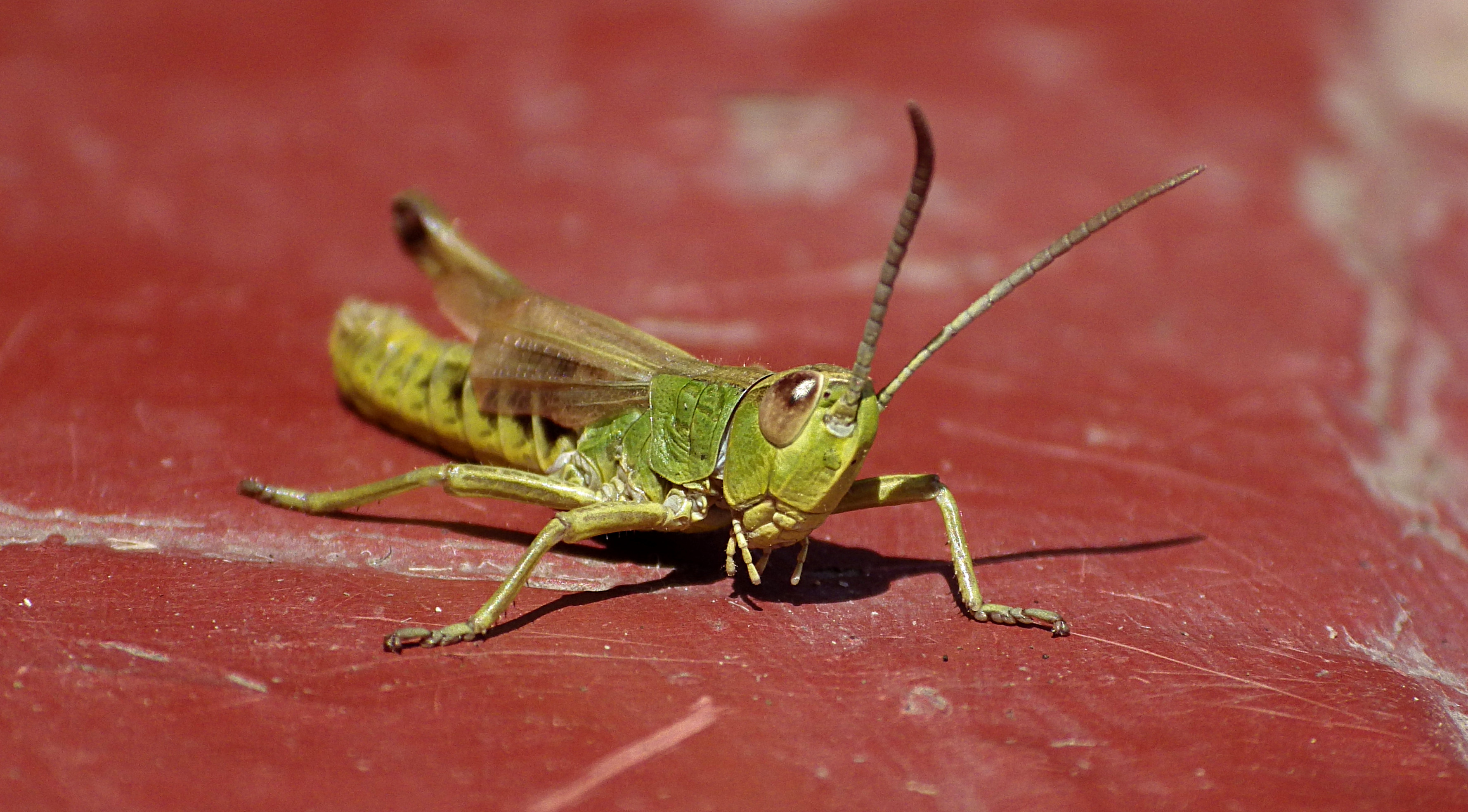
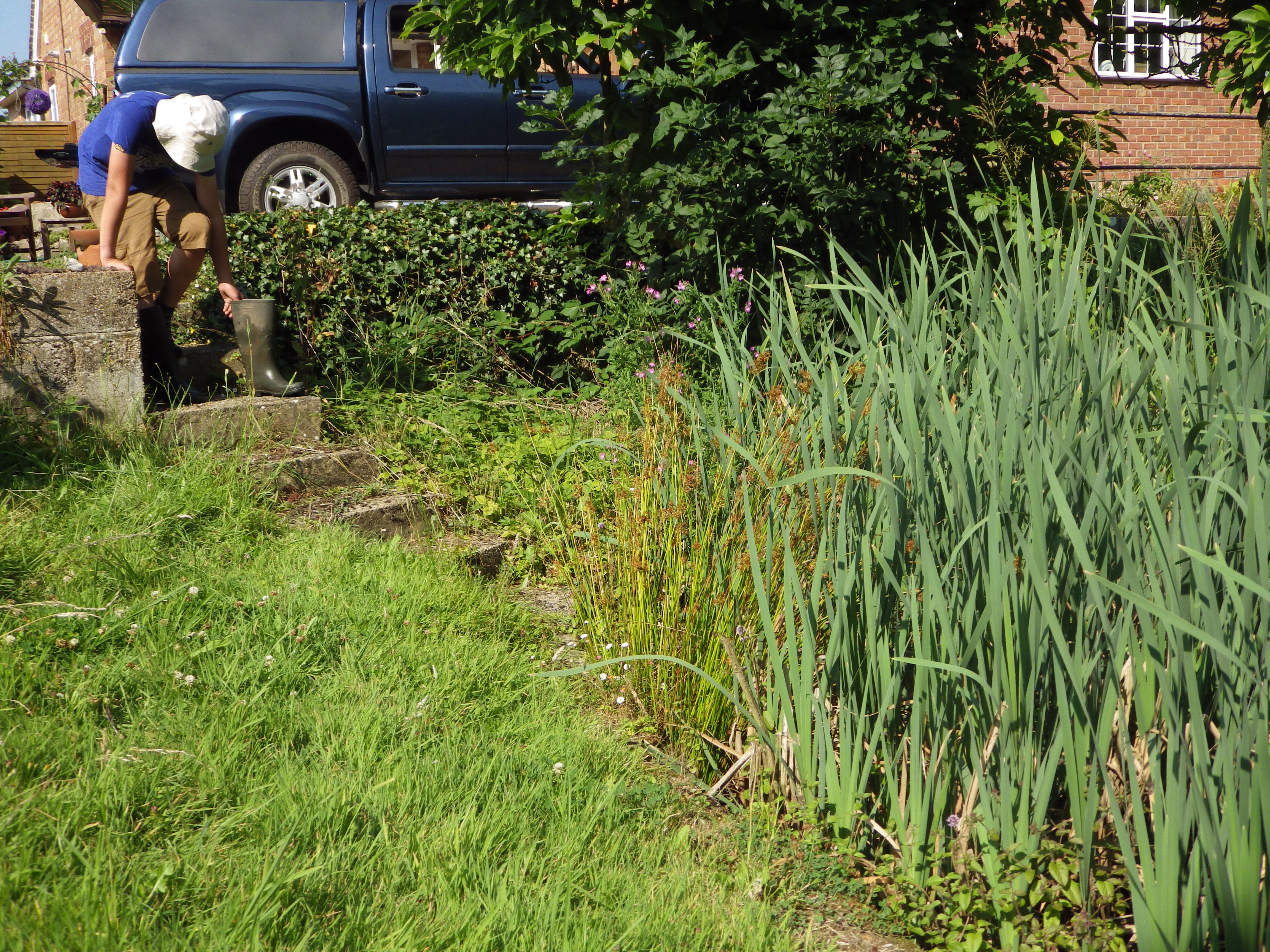
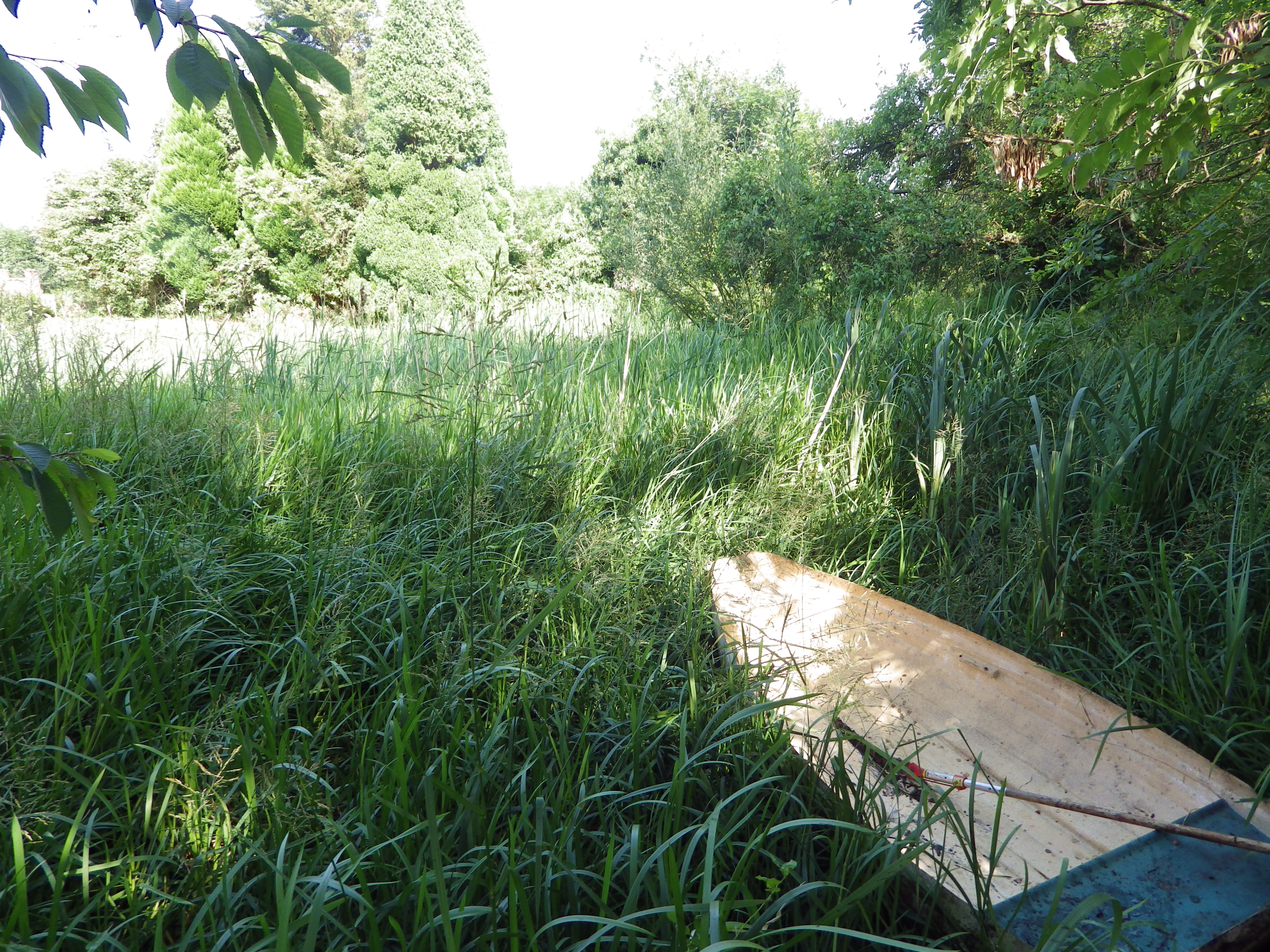
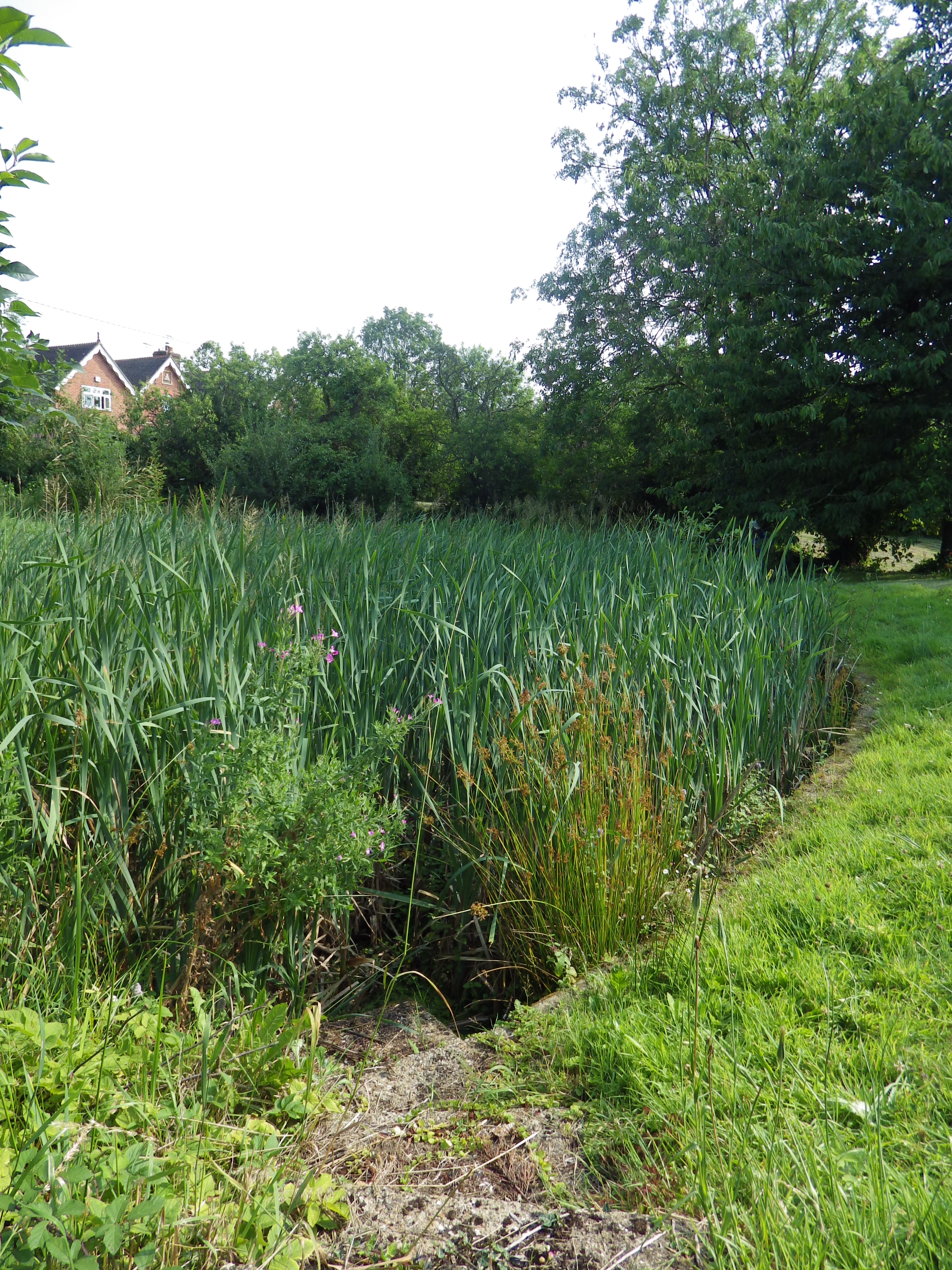
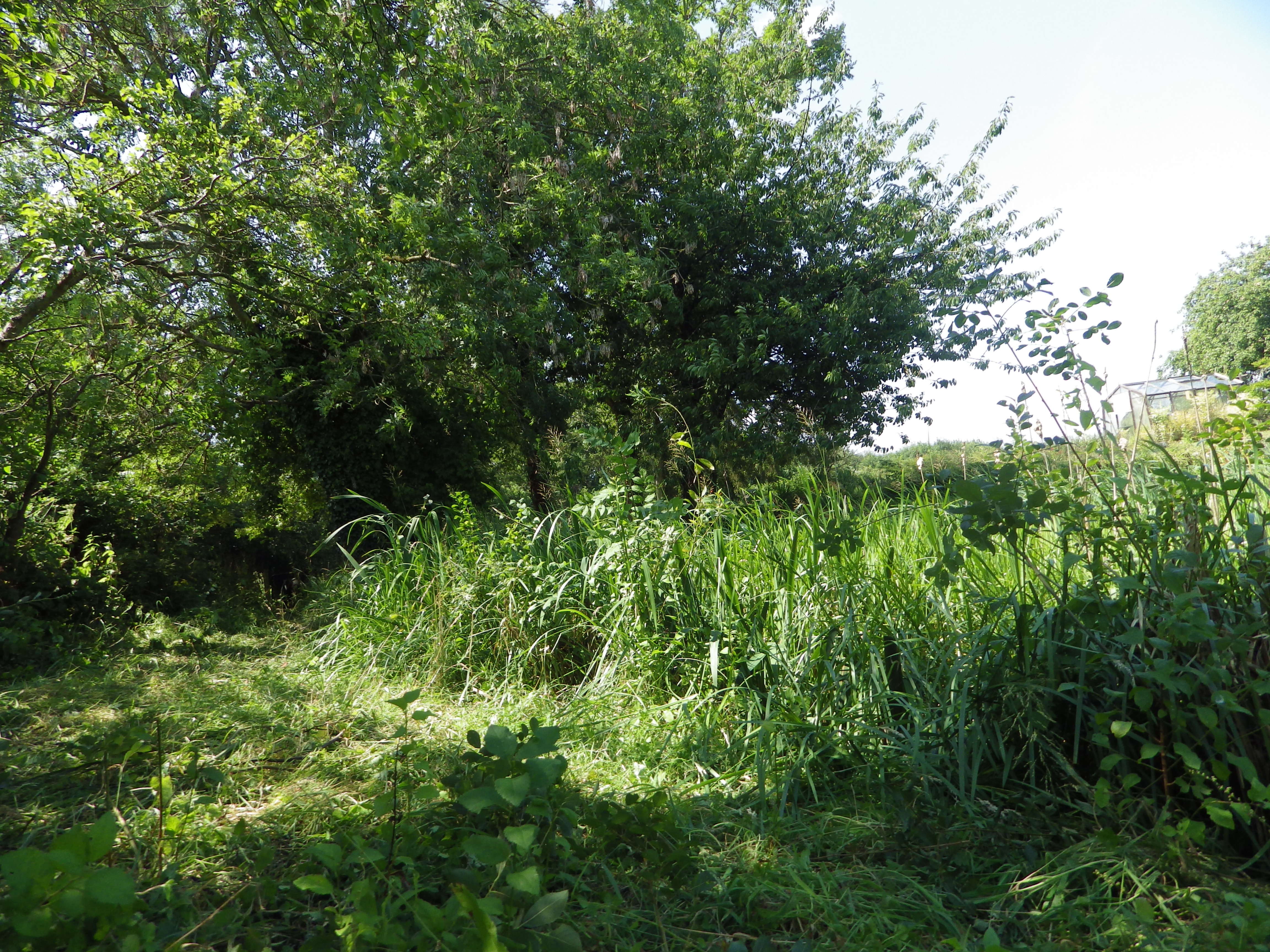
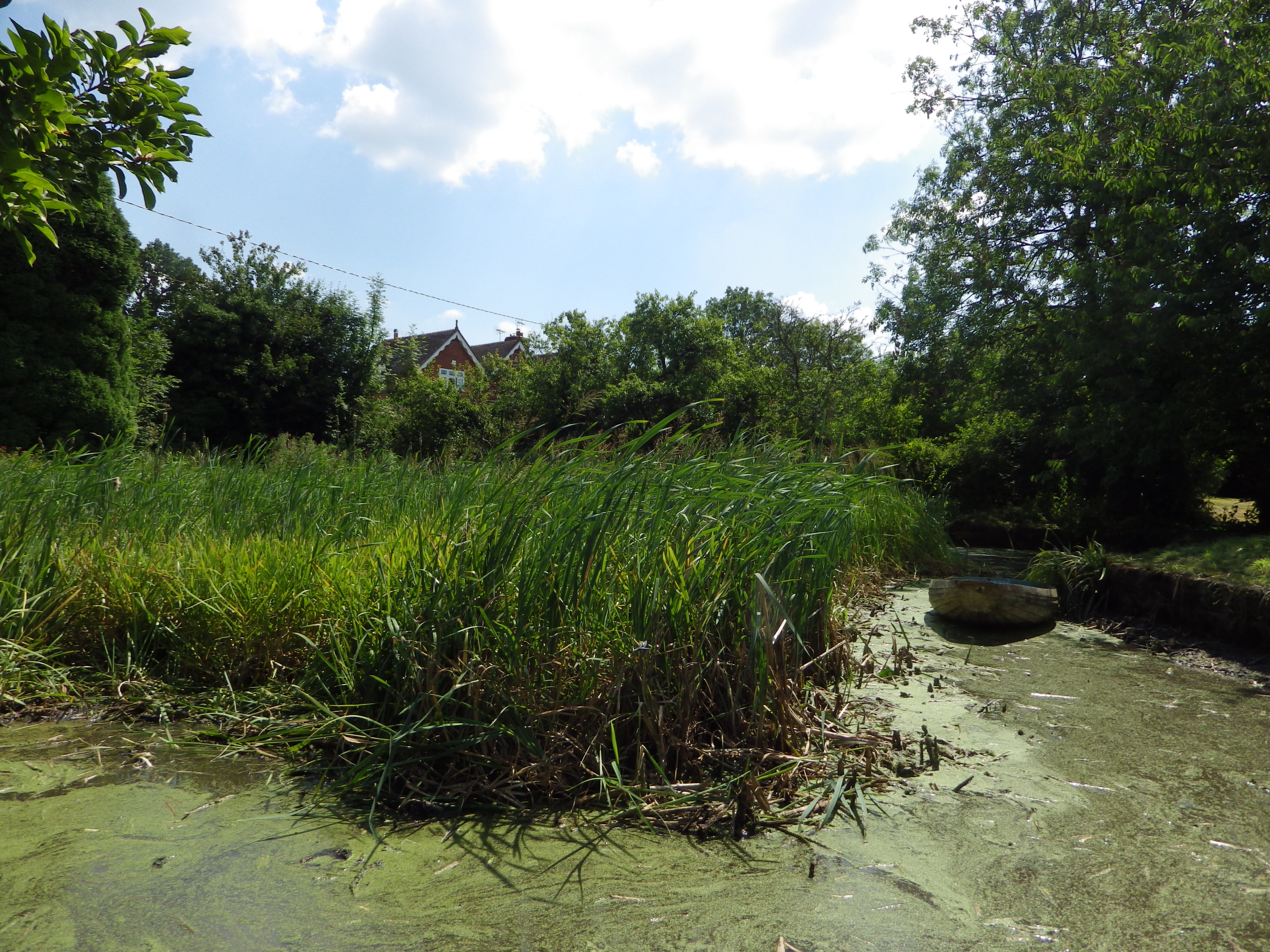
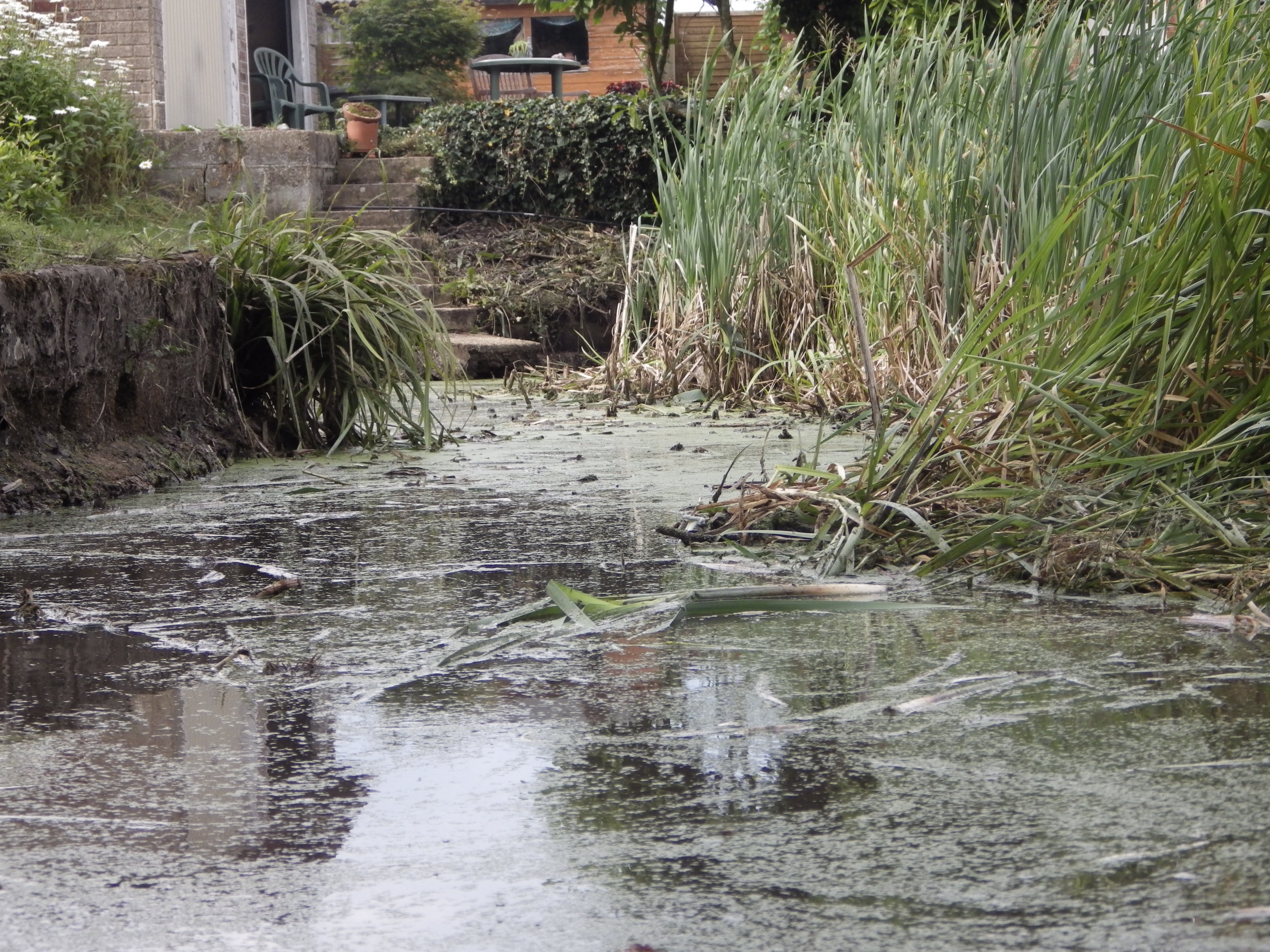
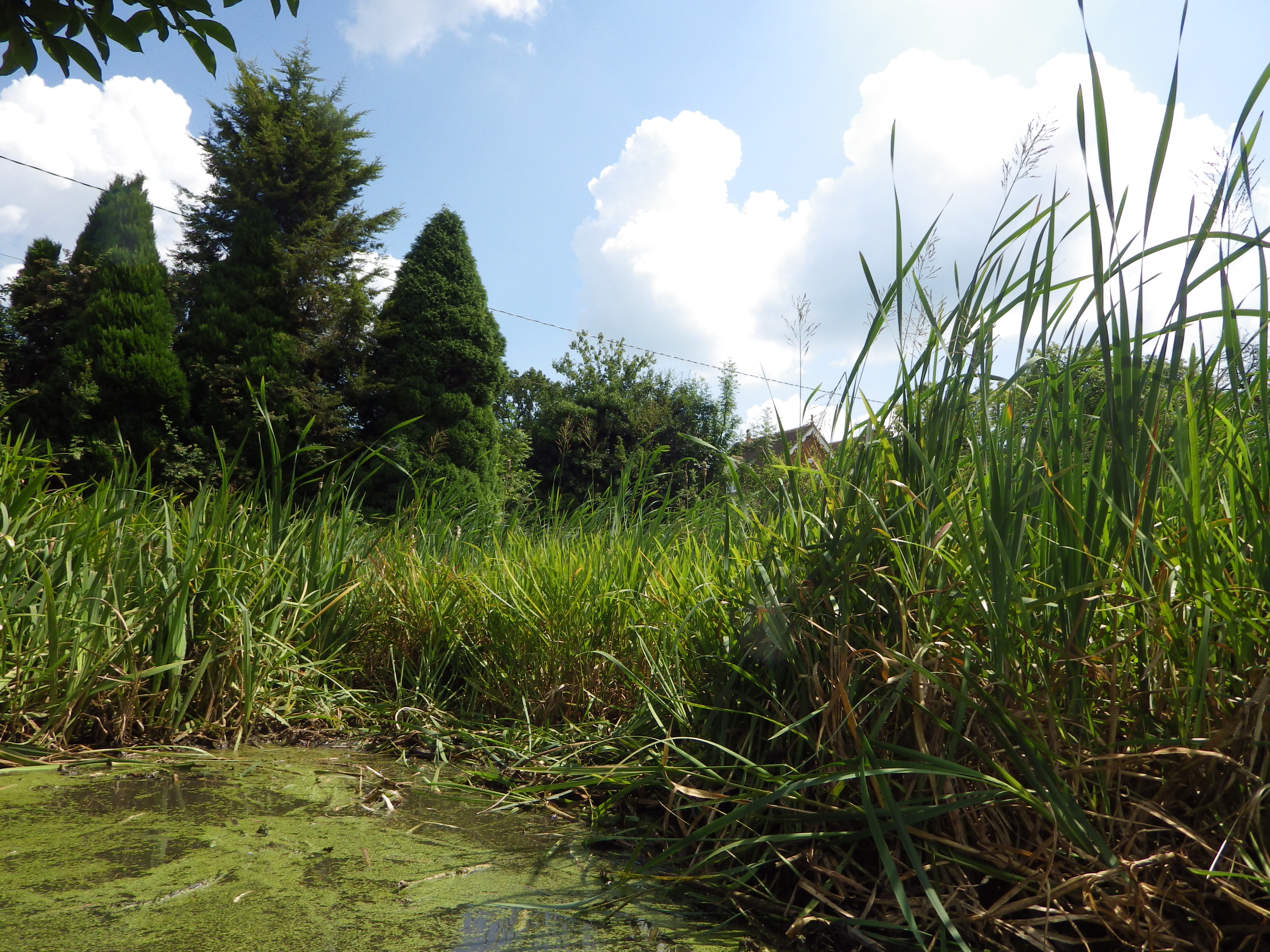
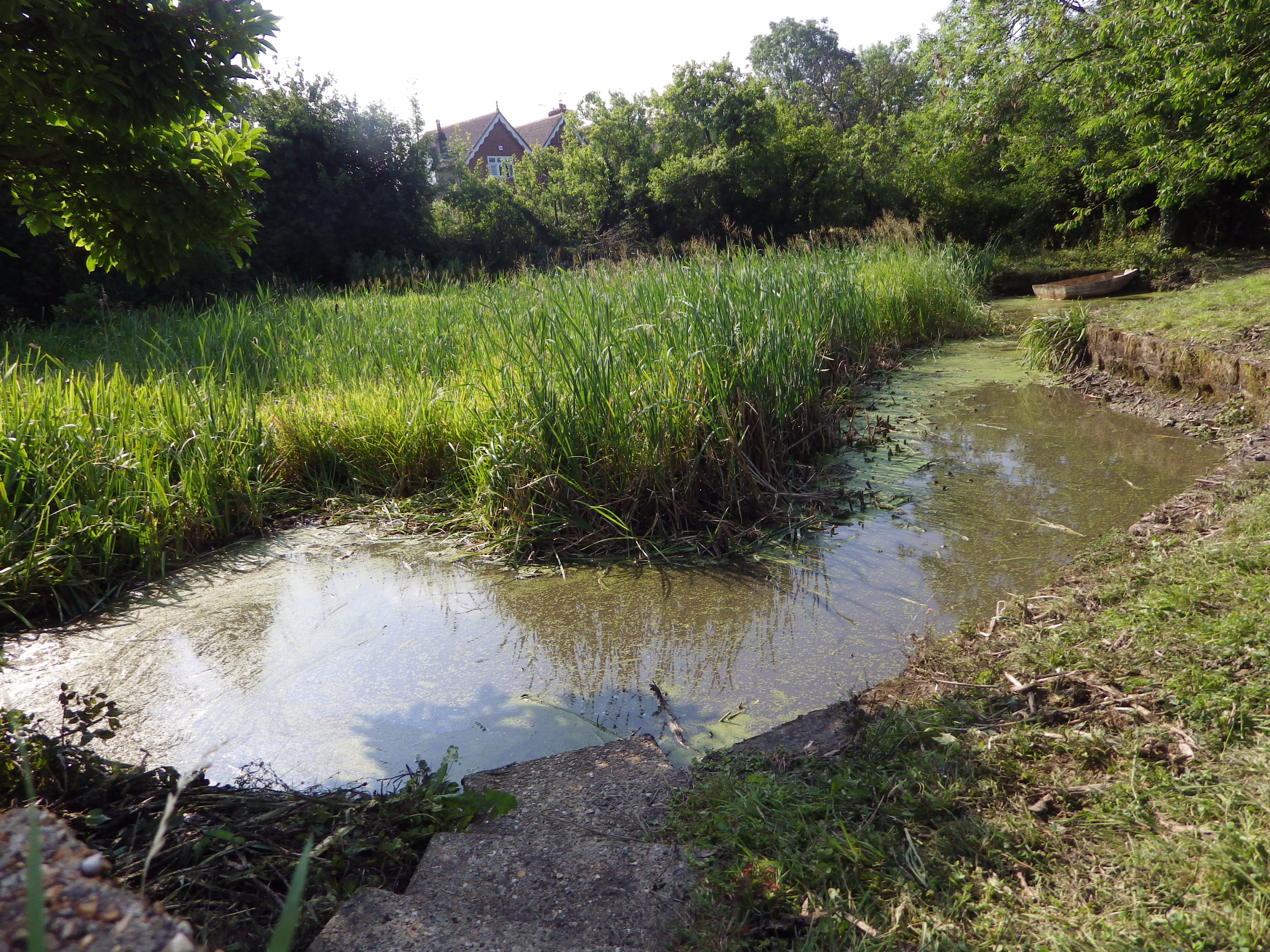
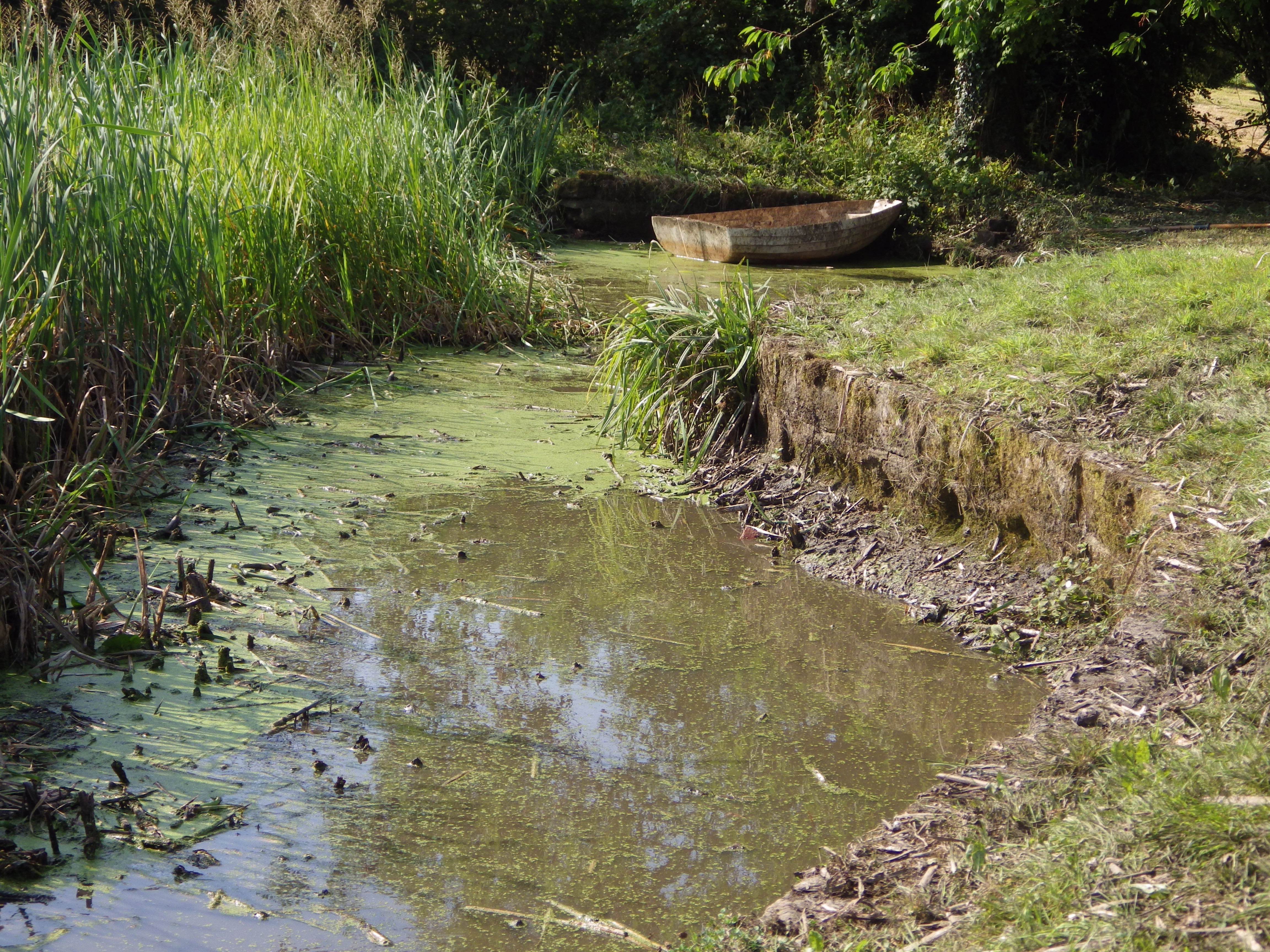
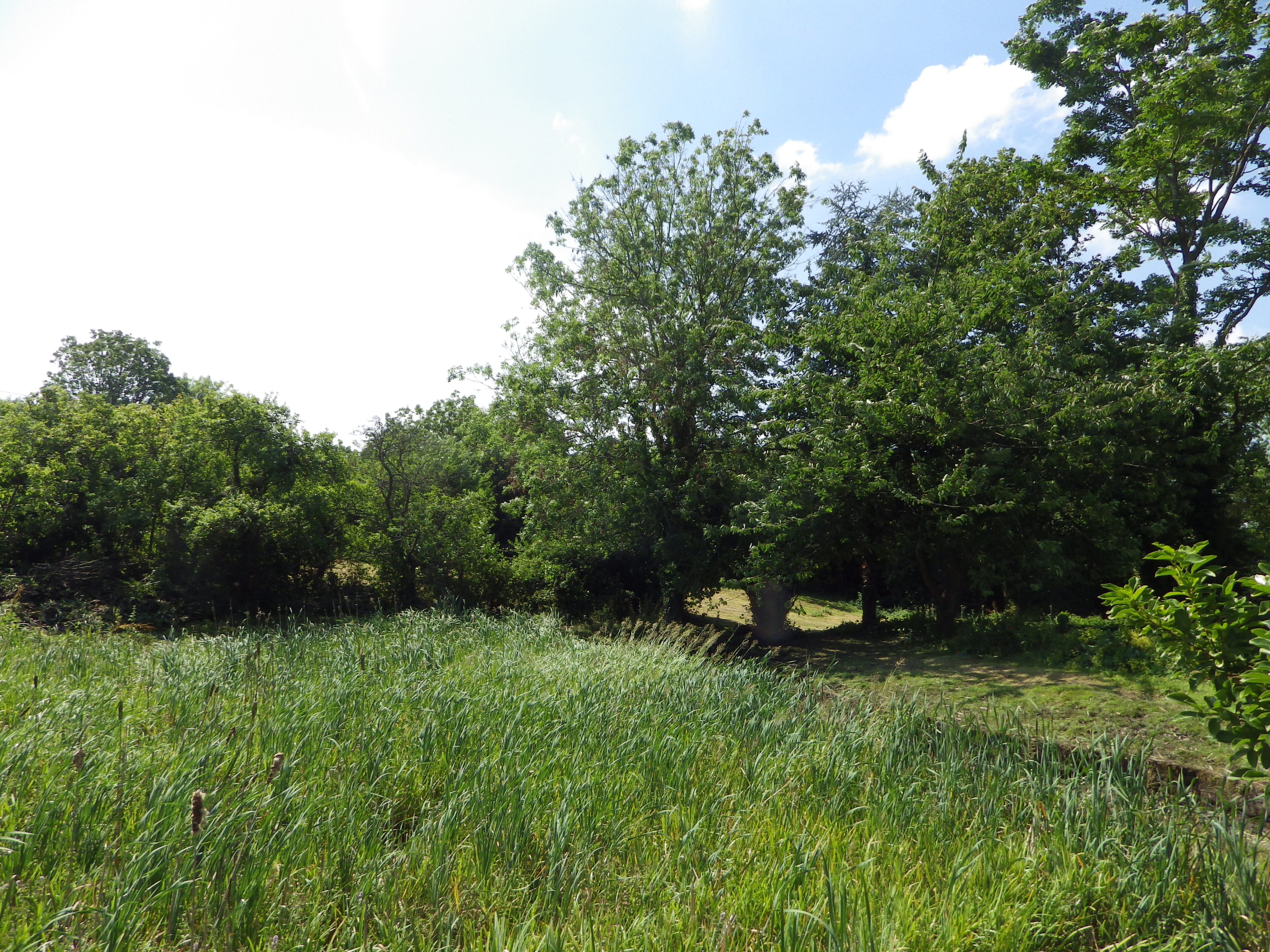
When I got there, before unpacking, I went for a look around the garden. To my surprise the first thing I saw was a common lizard which was incredible! After having some lunch I went exploring round the garden again, but this time with my camera. The weather was extremely hot and I decided to have a sit down when a grasshopper jumped onto my wellie, the wildlife was everywhere! I managed to get a photo and I took some photos of the garden too. One of the reasons why we were having a long stay at my Uncles was so my brother and my other Uncle could start clearing out the pond as over the last many years it has become extremely overgrown. Before the pond became overgrown it was a common sight to see grass snakes, newts, moorhens and much more. Here are some of the photos I took on the first day.
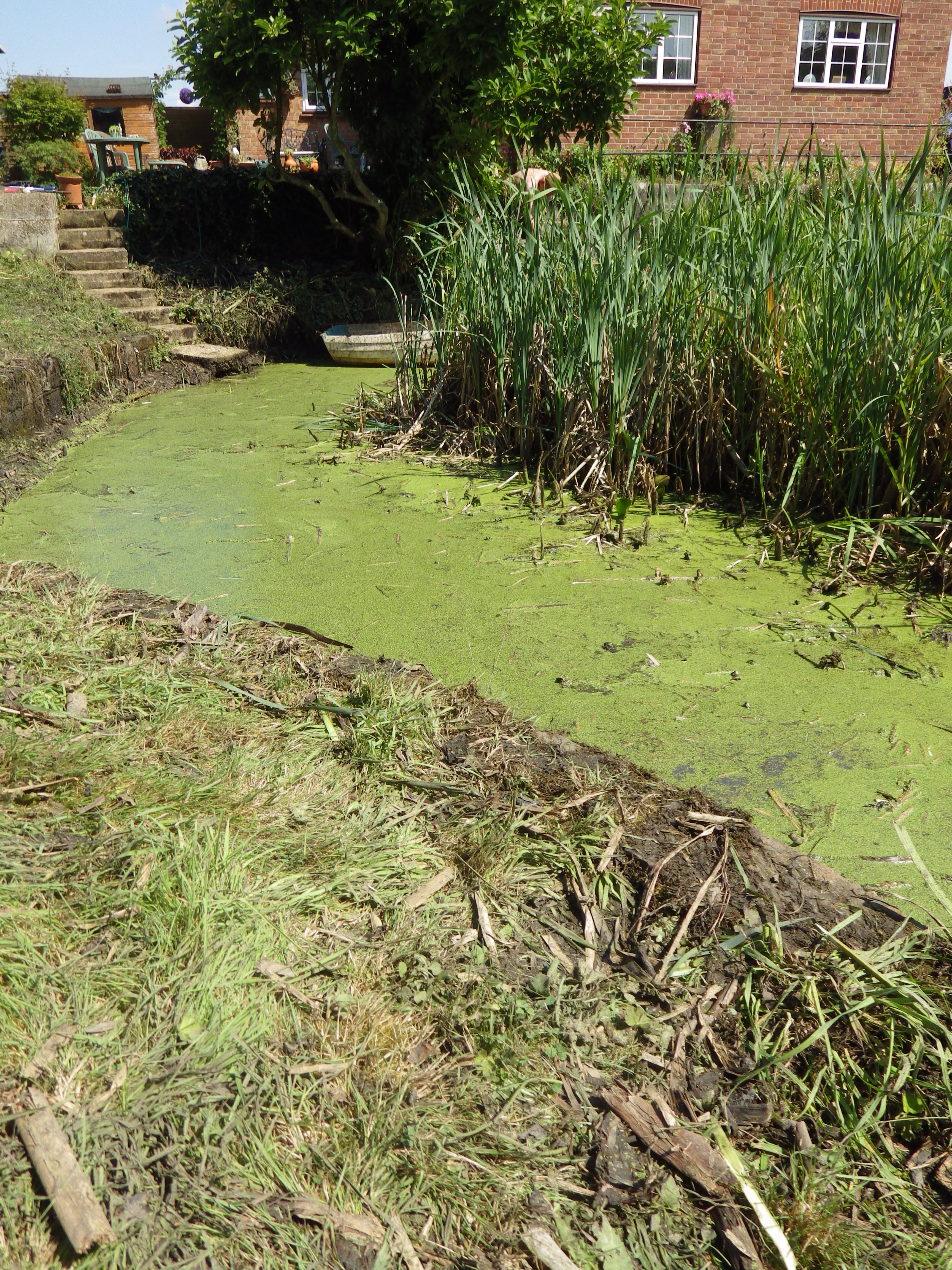
444rbbThe very overgrown pond.

16b byy After the first day this what what the pond looked like.rrb b722 bb grasshopper sbb pb bbrb bb66  One of the first stages of clearing the pond.88sb

Day Two.

The next morning I was up nice and early to check my trail camera (a blog post about the footage I managed to get is coming next!) and to spend another day exploring the vast habitats in the garden. Most of the day I helped with clearing the pond but I did go around with my camera. I even managed to see a slow worm but unfortunately I didn’t photograph it! Here are a few photos from day two.

1 2 4

IMG_20140726_102936563Here’s an old reed warbler nest we found when clearing the pond.

Day Three.
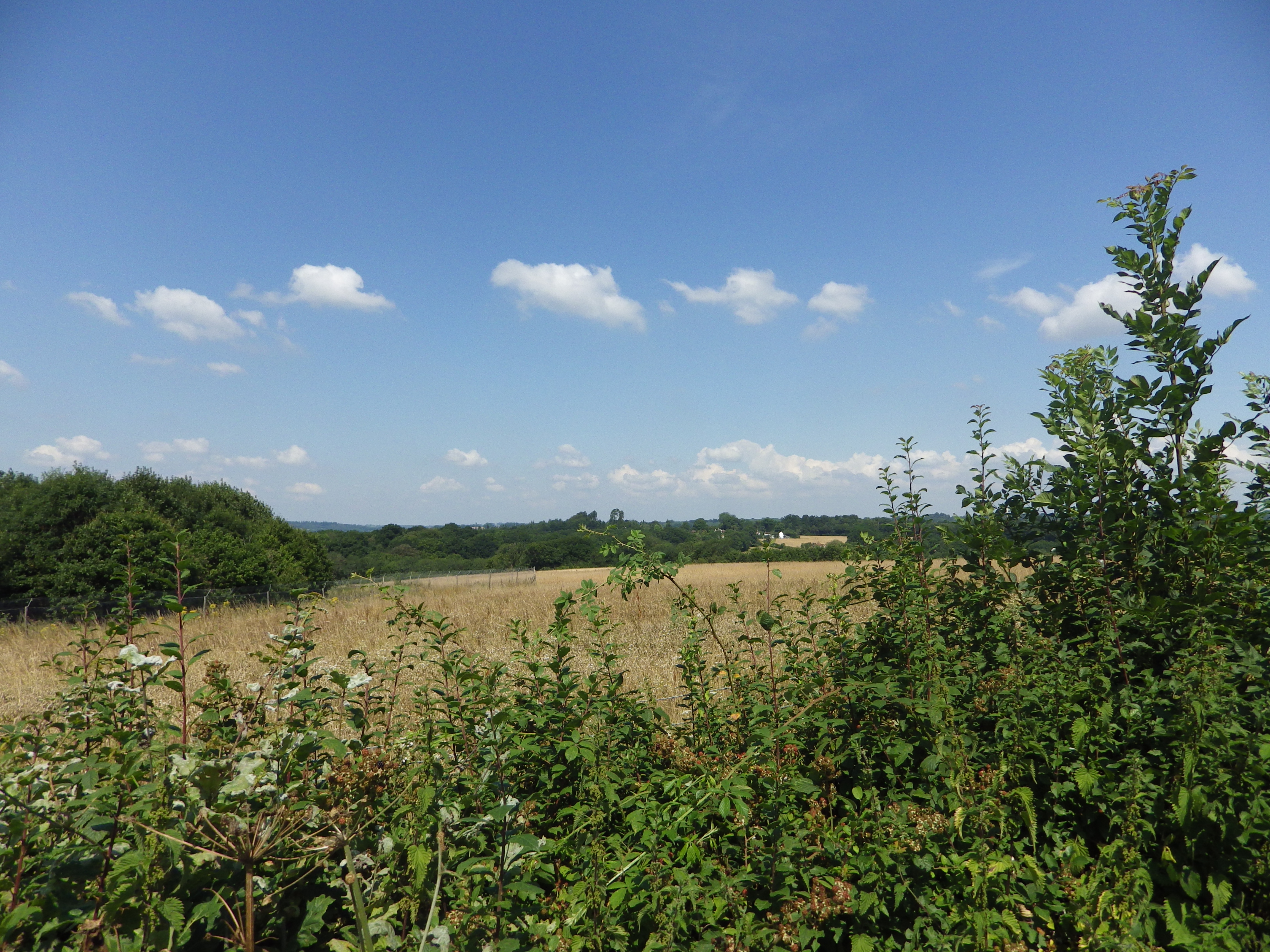
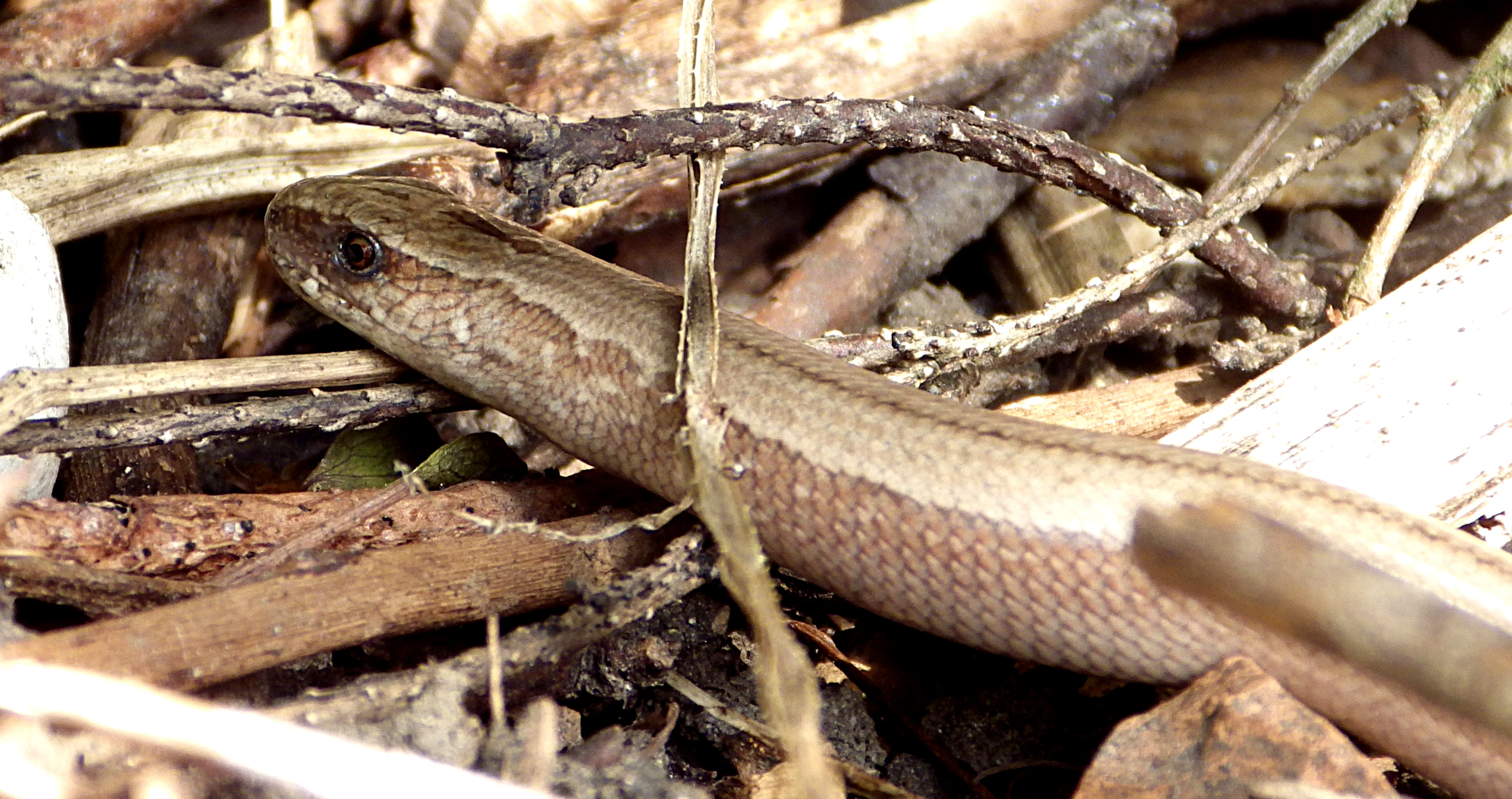
Once again I was up nice and early to check my trail camera and get started with another lovely day in the garden. Today I went on the hunt for a slow worm again so I could photograph one and luckily I did find the same one again and it was in the same spot. Here are some photos that I took from day three which include my photo of a slow worm!
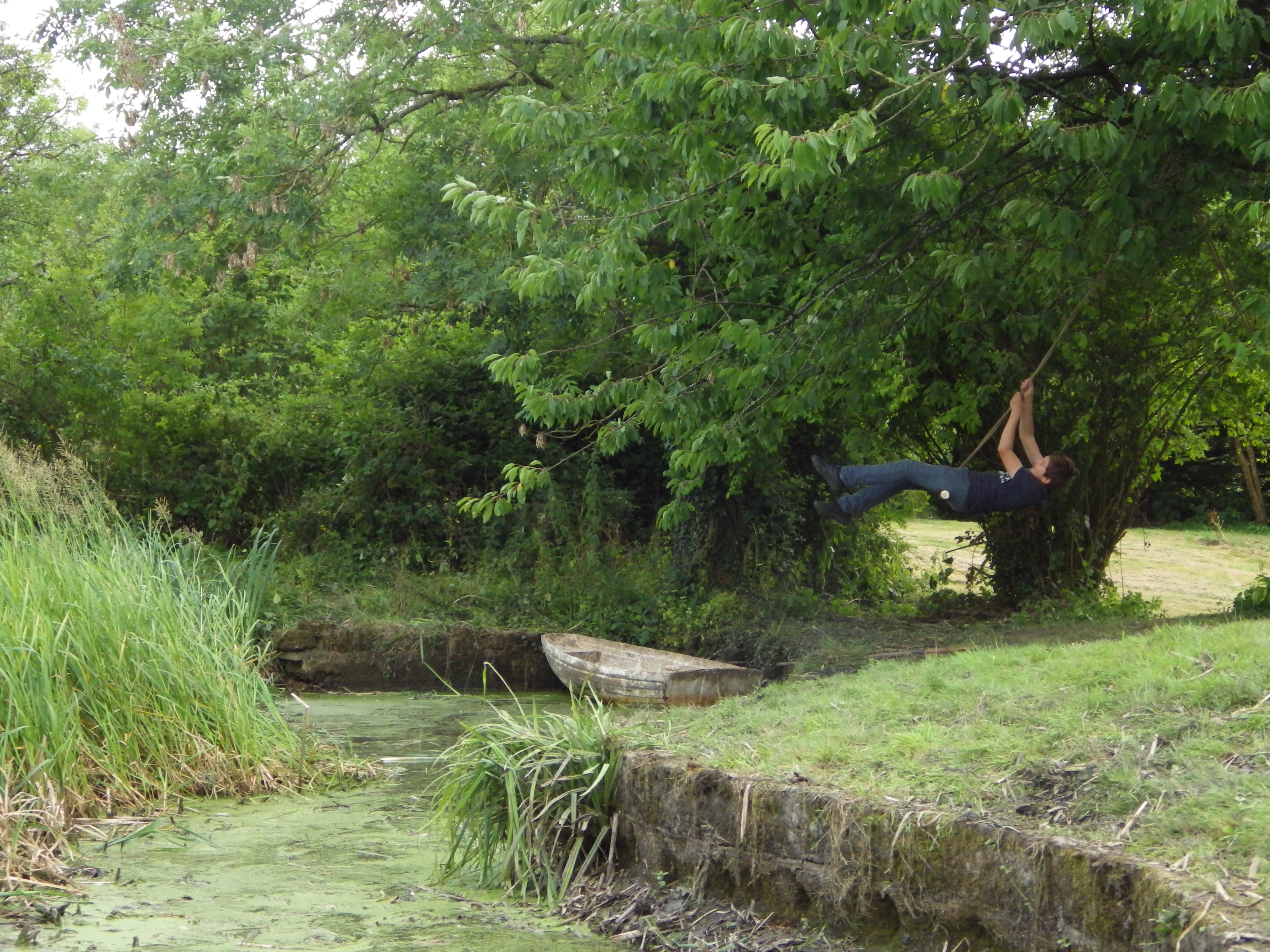
l My brother on a swing we made going over the pond.b c
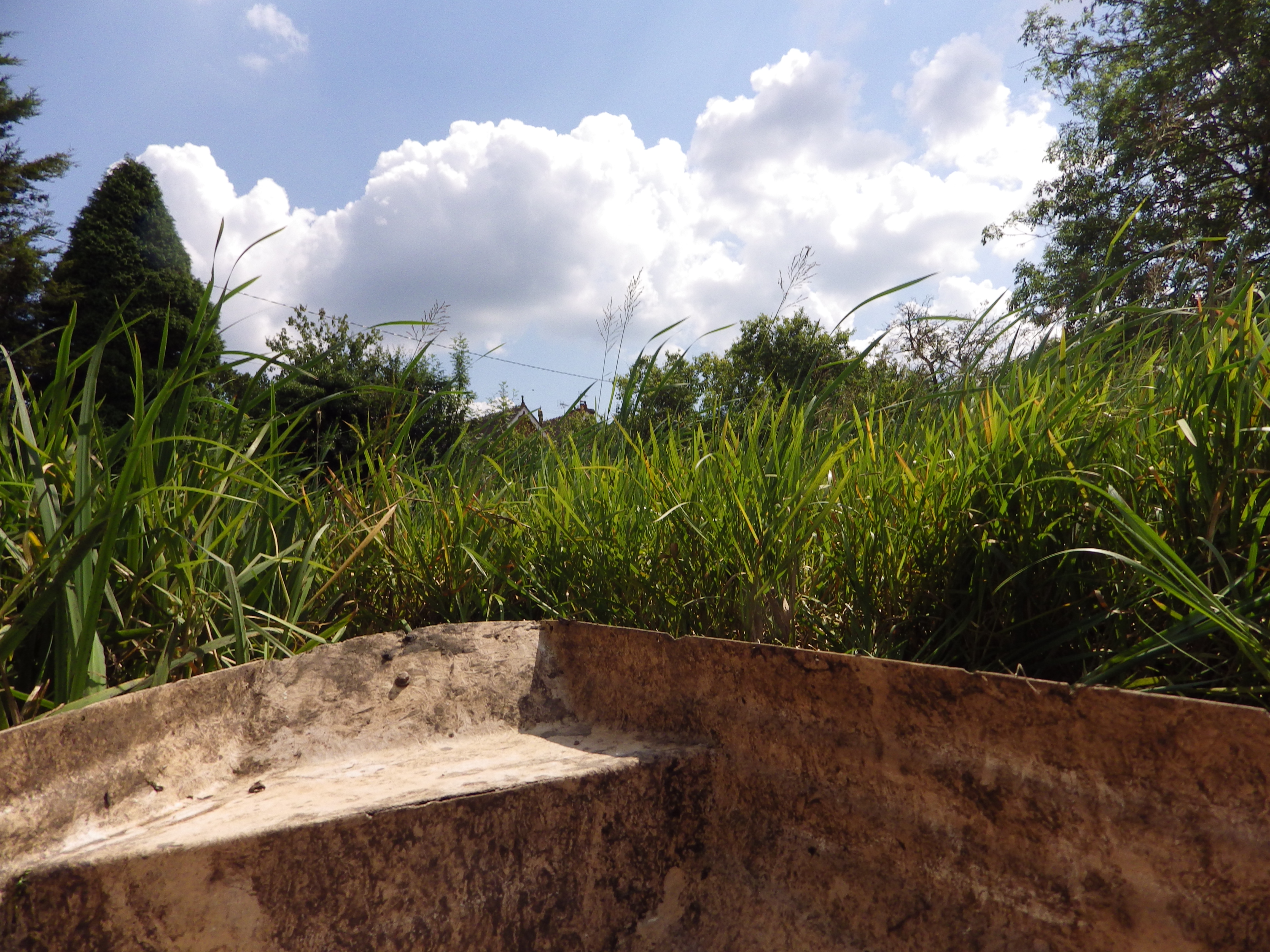
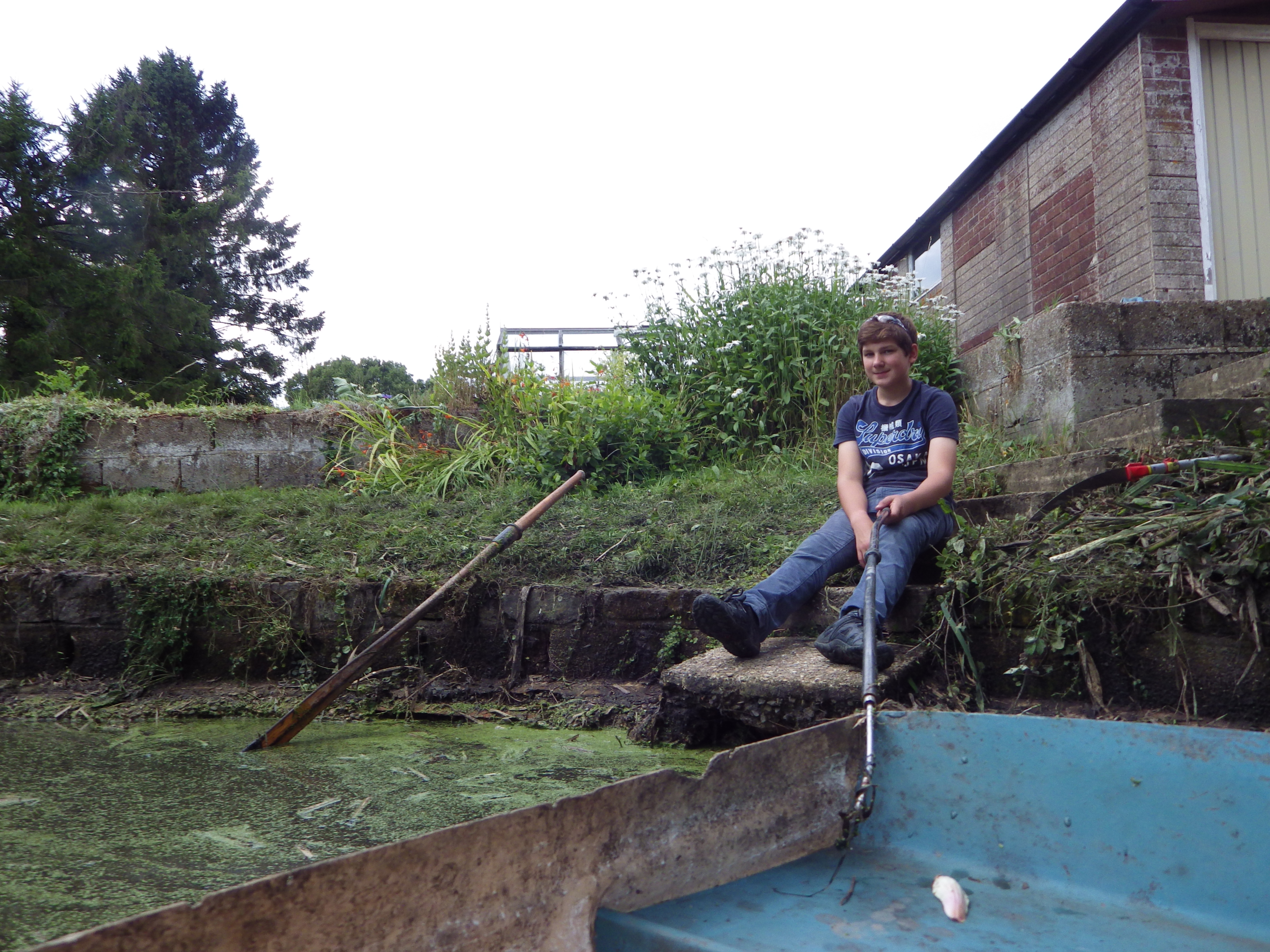
f g h k de a1This is my brother, Sam, helping me photograph some dragonflies. I sat in the boat and as one landed he would slowly push me out to photograph it.

j z slowworm

 Day Four.

Today was the last day of our four day break and once again I was up early to check my trail camera. After having my breakfast I went for one last look around the garden before going home. I even spotted the same slow worm at the same place I’d spotted him at the few days before. Here are some photos I took before setting off home.

3 2 1 4sw


On all three nights I managed to record some footage on my trail camera too which my next blog post will be all about!