Baked Alaska

You’ll be delighted to know that this is no cooking blog. Well in some ways it is and by that I mean the cooking of our planet. Of course I’m talking about rising temperatures and climate change.

Inspiration for the blog title comes from a show I went to watch last Friday night at Lichfield Cathedral by the theatre company, Riding Lights. I’m not one for theatre really but when I heard about this it sounded very interesting so I decided to go and see what it would be like and I’m happy I did! It was very good. A few words to sum it up would be compelling, comical, entertaining and educational. I don’t find many things educational and comical but this was and it was done very well. Definitely something EVERYONE needs to see!

Over the past few weeks and months my thoughts and actions have been targeted at the run up to the climate talks in Paris this December. Of course our changing climate is having a massive impact on our wildlife and their habitats worldwide. Just yesterday I read an article about how more then a third of the snow leopard’s mountain habitat could become uninhabitable for them due to warming temperatures. It’s worrying stuff and it’s not just putting species at risk but it’s also changing the behaviour of others. Take the cetti’s warbler which has moved 150km further north within the UK over the past 40 years, in a response to the changing climate.

It’s not just wildlife and their habitats either, it’s the environment as a whole along with people. A very clever scenario from the show was that there were two neighbours and one was having a party. However in the garden of the one who was having the party there were lots of rubbish bags that they’d created. To move them out of the way so it was convenient for them and so their party ran smoothly they chucked the bags over the fence to discard of them. To their ‘neighbours’. This was very clever and illustrates how we create lots of rubbish (carbon) which is having a great impact on our neighbours. Which happens to be those in the poorest countries of the world. Their reaction is that they simply can’t do anything about it. No one can deny, we’re all carbon junkies. Perhaps through no fault of our own as it’s what we’re surrounded by and what we’ve turned into but there’s nothing stopping any of us from changing this.

The run up to the Paris talks is major. However it’s very difficult to find a positive streak of me that thinks something progressive could come from it. It’s scary, perhaps the end of this battle or maybe just the start of us pushing even further for a healthy planet.

I’ve been quite busy with A-level work over the past few weeks but obviously I’m trying to balance the books. Some may not agree but this is important. I may be a tiny, tiny voice behind millions but that’s what counts, adding your voice and doing your part. I could still do more but then again everyone can. A couple of weeks ago I went along to a discussion type meeting in Sutton Coldfield that had been organised by the Eco-Sutton group. I not only went to support their work, as Sutton is only a short train journey from me, but to see how they’re working as well as to hear the views and opinions of the local MP, Andrew Mitchell. I imagine many of you may recognise that name from the not so recent ‘pleb-gate’ scandal. Anyway, it was very interesting. Andrew Mitchell is a Tory and not as bad as I thought he would be. He applauded the work of Eco-Sutton and also understood and recognised the problems caused by climate change, to some extent anyway. As you’ll be able to imagine this only went so far.

He went onto criticise the talks from the other two on the panel, Mark Letcher (Operation Noah) and Jamie Peters (Friends of the Earth), and expressed his attitude of ‘we must be realistic’ as well as shove such rubbish down our necks as ‘David Cameron is passionate about climate change’ and ‘the UK is leading in this field’. What he came out with was only to be expected but then again he wasn’t a climate change sceptic which says a lot compared to my MP, Michael Fabricant. At the event it was also quite delightful to have the issue raised about actually looking to the future and the next generation, which caused some discussion. Myself and another girl both stood up and expressed how it is throughout the younger generation, something that is again quite worrying but could well be reversed.

There needs to be a massive movement. There isn’t just a couple of hundred of us who are adding to the problem but pretty much everyone. Nevertheless I shouldn’t go without saying that there is a lot of positive stuff going on but will it be enough? It isn’t all about leadership as quite frankly if we leave it to them then there won’t be much hope at all. This isn’t something we can shrug off or brush under the carpet, it’s serious and crucial stuff.

I wanted to write this blog as I haven’t really wrote many about the matter except the one from the climate rally back in July. I hope to write many more over the next few weeks and months as it is something I’ve been putting a lot of my energy into recently and there’s plenty to write about!

Voles, mice & shrews – a small mammal search

Last Saturday was quite a busy day in terms of getting outside and surrounded by nature. As you’ll see from my latest post, I was on a fungi foray in the morning with my local wildlife group then in the afternoon I was at the National Memorial Arboretum with their Wildlife Watch group, which I’m one of the leaders of.

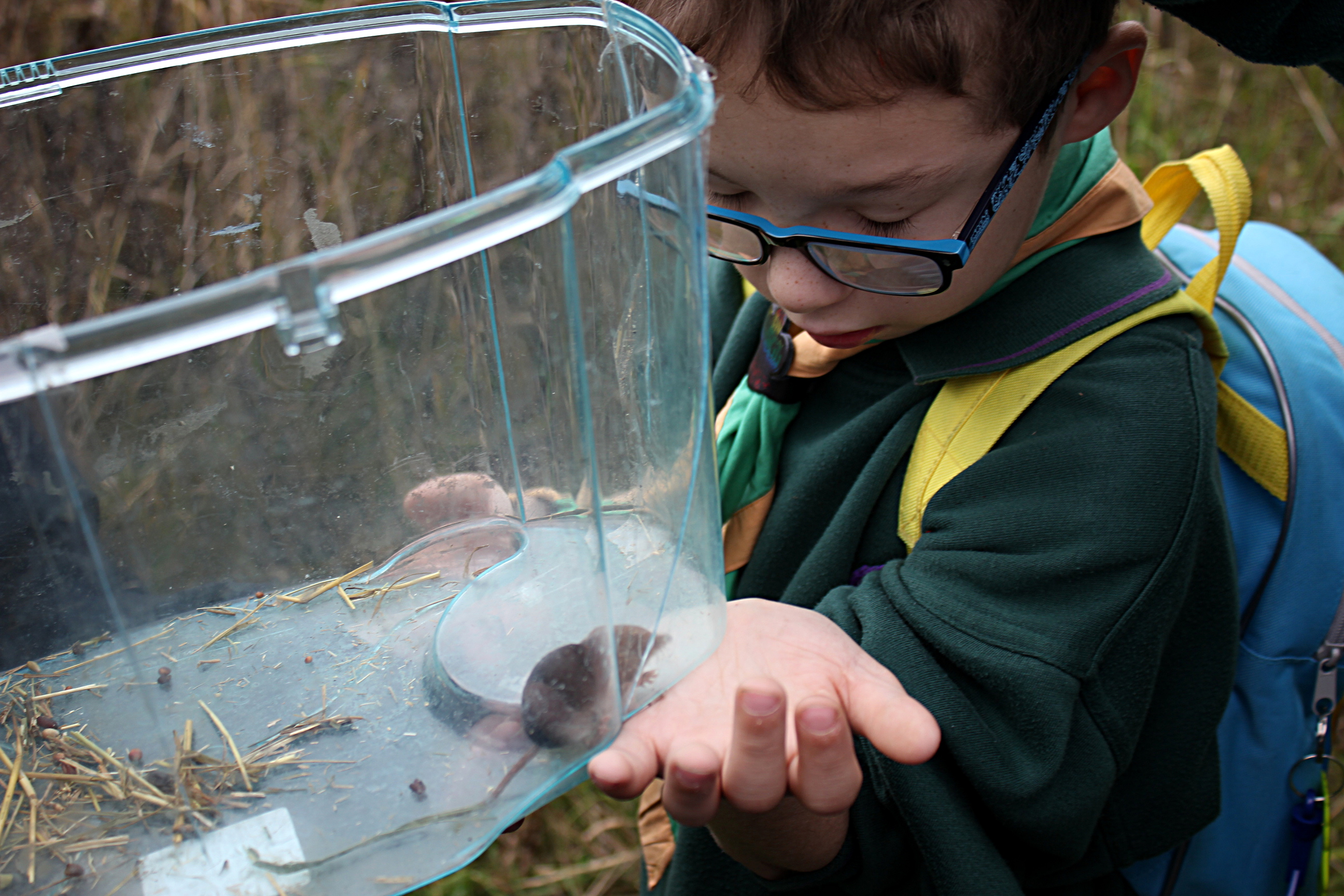
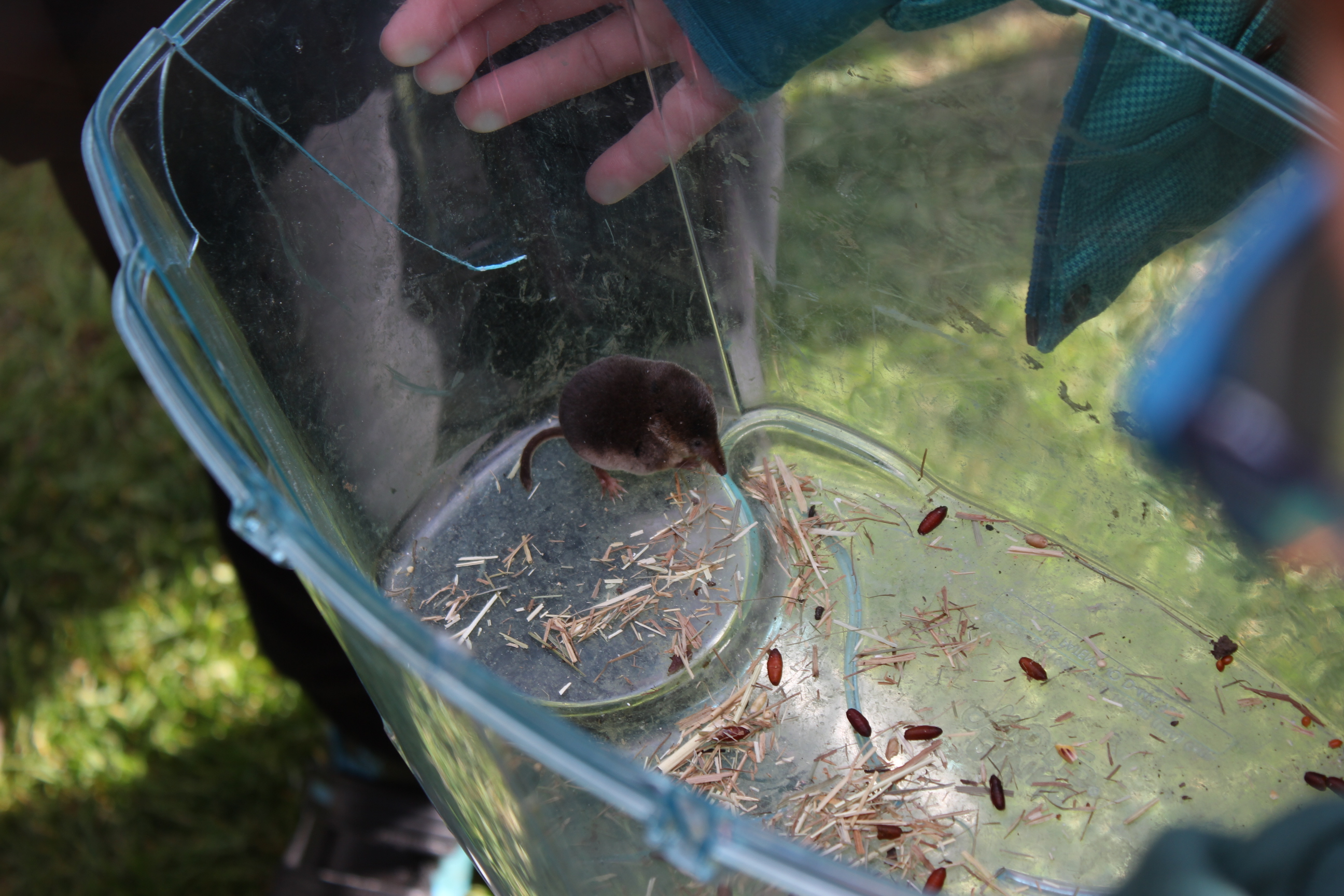
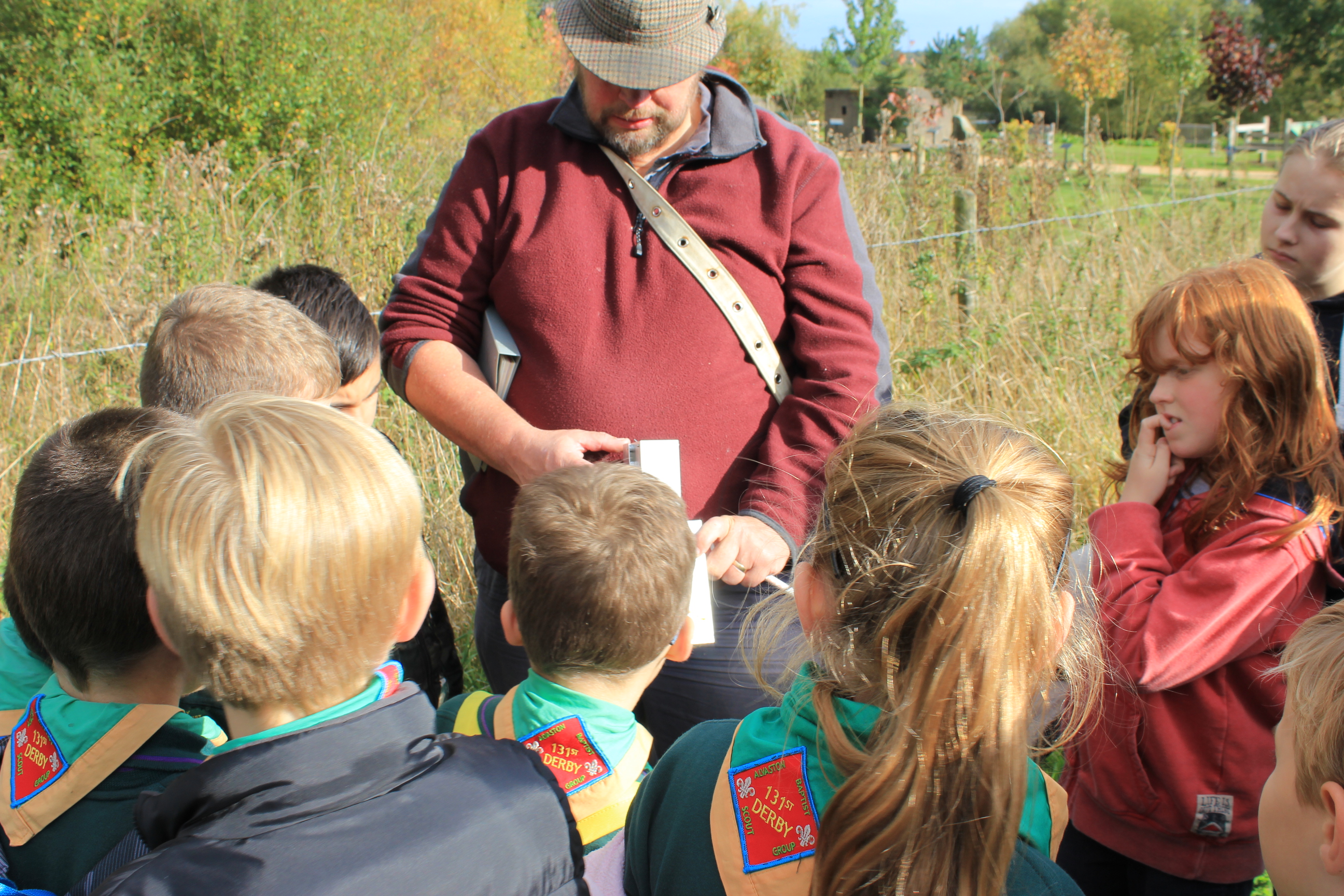
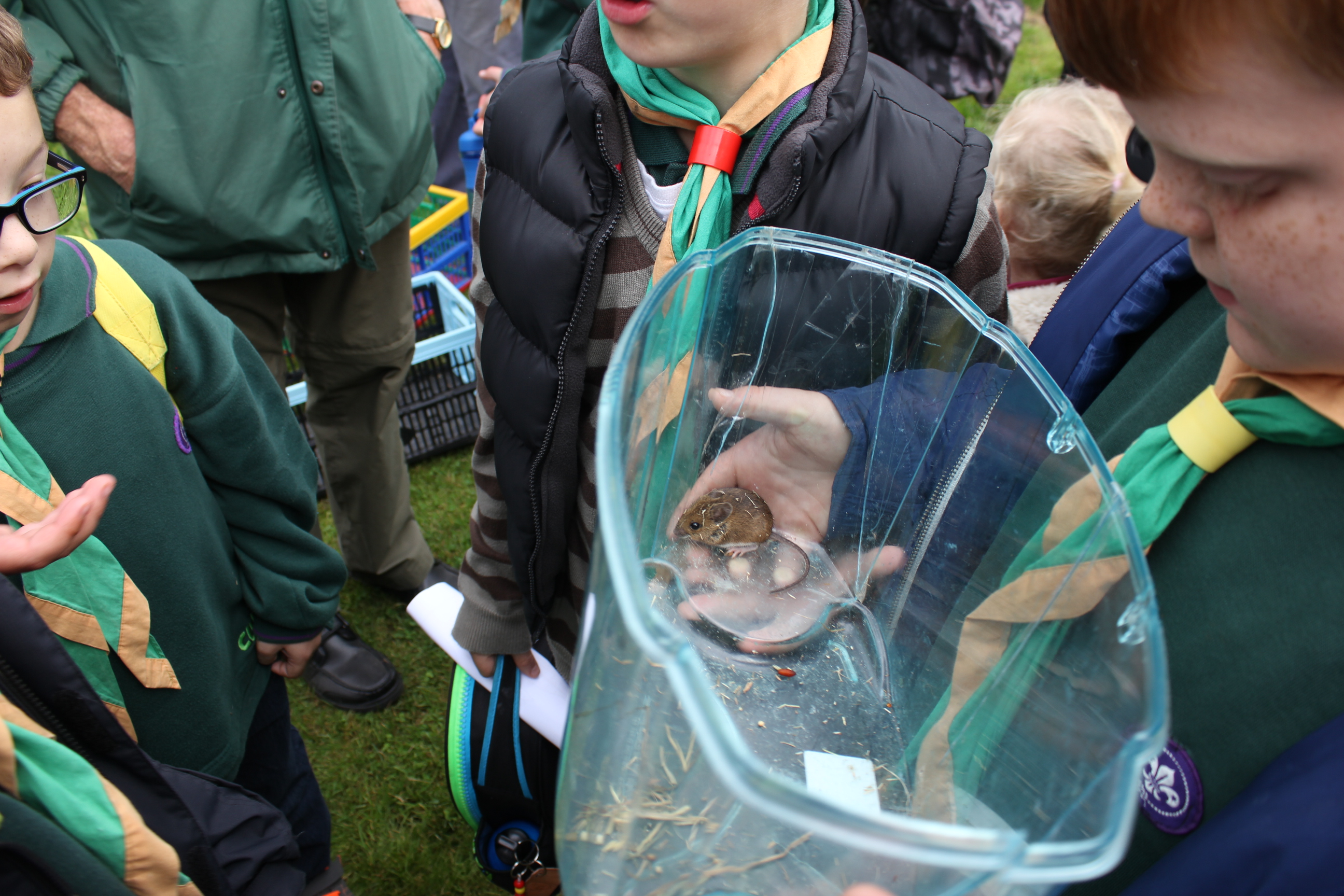
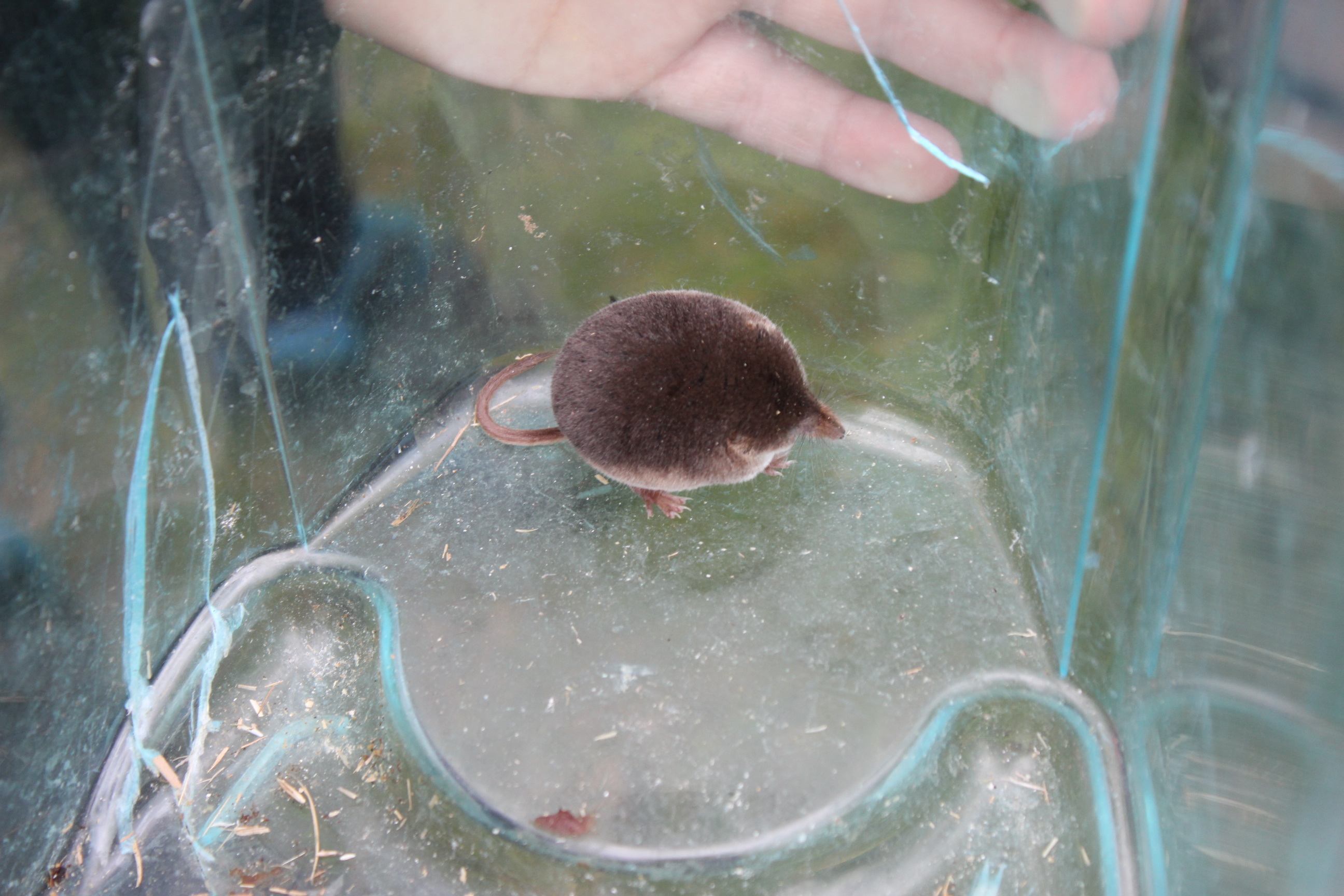
The Wildlife Watch group here have monthly sessions and at each one they do a different activity. On Saturday Derek Crawley from the Mammal Society came along. He was a real star guest and introduced the group to the world of small mammals and trapping them for conservation purposes (to record and let free again).

On Saturday we had the regular attendees of the group along with the local cubs so there was quite a lot of us but it all ran smoothly and everyone was learning something new along with having a great time!

Around 40 traps were set up the night before in the intention of trapping small mammals such as voles, mice and shrews, and so we did! After we emptied the trap the children were able to have a look at what had been caught before it was released. Data of what was caught was also added to the records for this site.

1

IMG_0055

IMG_0077

IMG_9920

IMG_9924

IMG_9946

IMG_9970

Autumnal fun – a fungus foray

At this time of the year there’s no doubt that Autumn is fully under way. Autumn is my favourite season, I always think late August/September time is the least exciting time of the year for wildlife. There’s not as much about so when Autumn approaches and the leaves start to change it’s as though it’s all coming back to life again. In my opinion anyway!

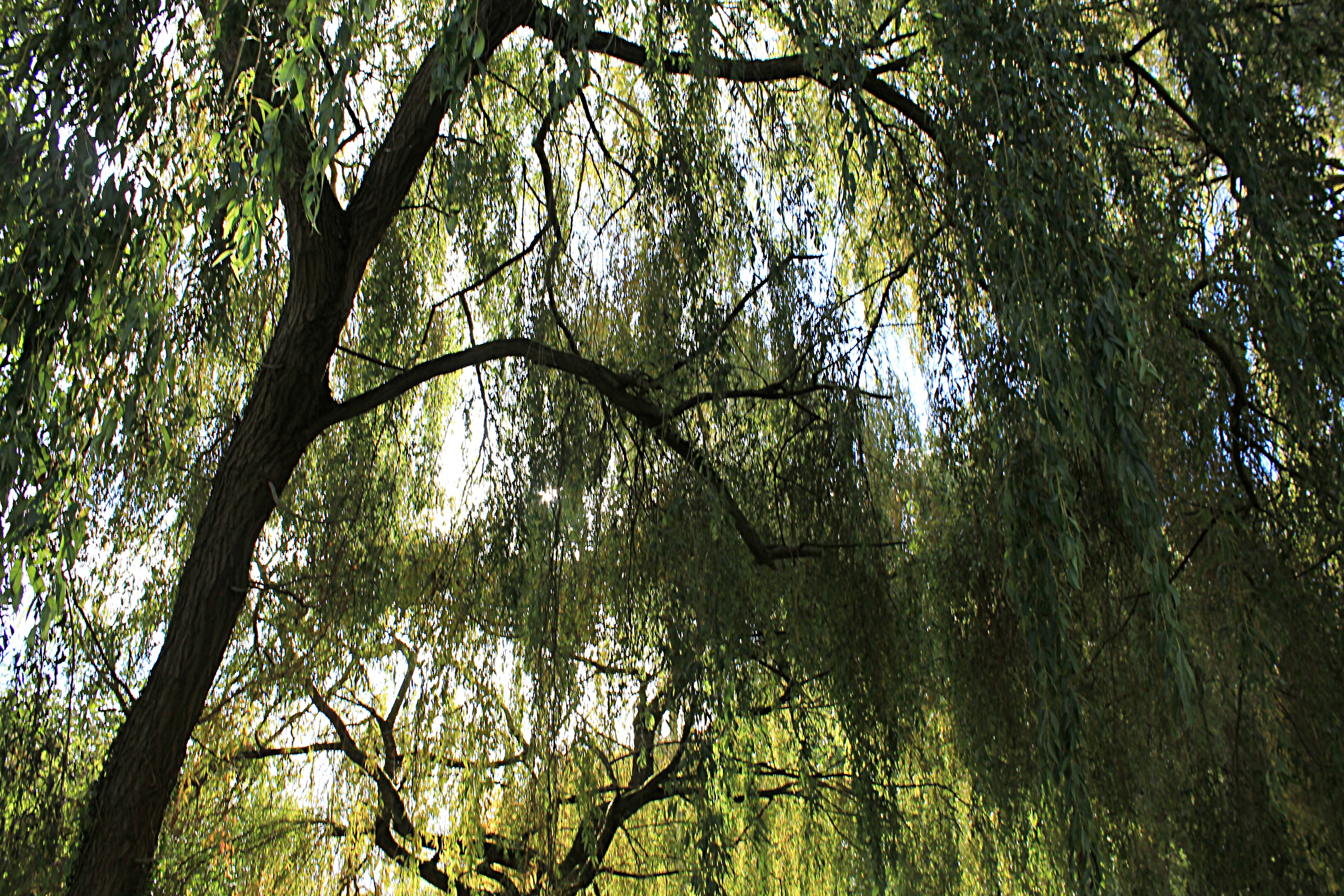
The leaves are changing and walking through my local woodland turns into an artist painting with hundreds of different colours and shades. As well as this, the badgers I film and watch are busy preparing for the winter, which is when they become less active. I normally get some great sights of them at this time and in the past the footage I’ve recorded has been very comical.

Looking to the skies and the feeders in the back garden, everything is very exciting. For example, so far in my garden the number of goldfinches has boomed. Most mornings before going out I look out and spend ten minutes or so watching the dramas as they squabble over the nyger seeds or sunflower hearts. It reminds me a lot from when I was younger, the time when one year we had literally hundreds in the garden at one time. We haven’t had that many for a few years but the sight of them is still so special.

I’ve also been starting to notice flocks of long-tailed tits on my routes, something which I find great as they’re a bird that I don’t often get in my garden.

Over the next few weeks, as the weather gets colder and we head into winter, I’ll also look forward to seeing all the winter migrants. Already I’ve heard people reporting of redwing. I also really look forward to waxwings which I imagine shouldn’t be too long now.

Here in Staffordshire I don’t live far from Cannock Chase which has a very healthy fallow deer population. At this time of the year obviously that only means one thing, rutting! Unfortunately I haven’t seen any behaviour yet this year but I look forward to in the next few weeks. Another Autumnal spectacle.

A big factor of why I decided to write this blog is because of one of my favourite Autumn activities. It consists of looking closer into the leaf litter, or perhaps on the sides of dying trees, and is of course, fungi foraying! At this time of the year when I’m either out on my patch or elsewhere I’m on high alert for nearby toadstools or bracken. My identification skills still aren’t there yet, I have a long way to go, but I enjoy learning about what I see. Not just the name but the fascinating biology behind it.

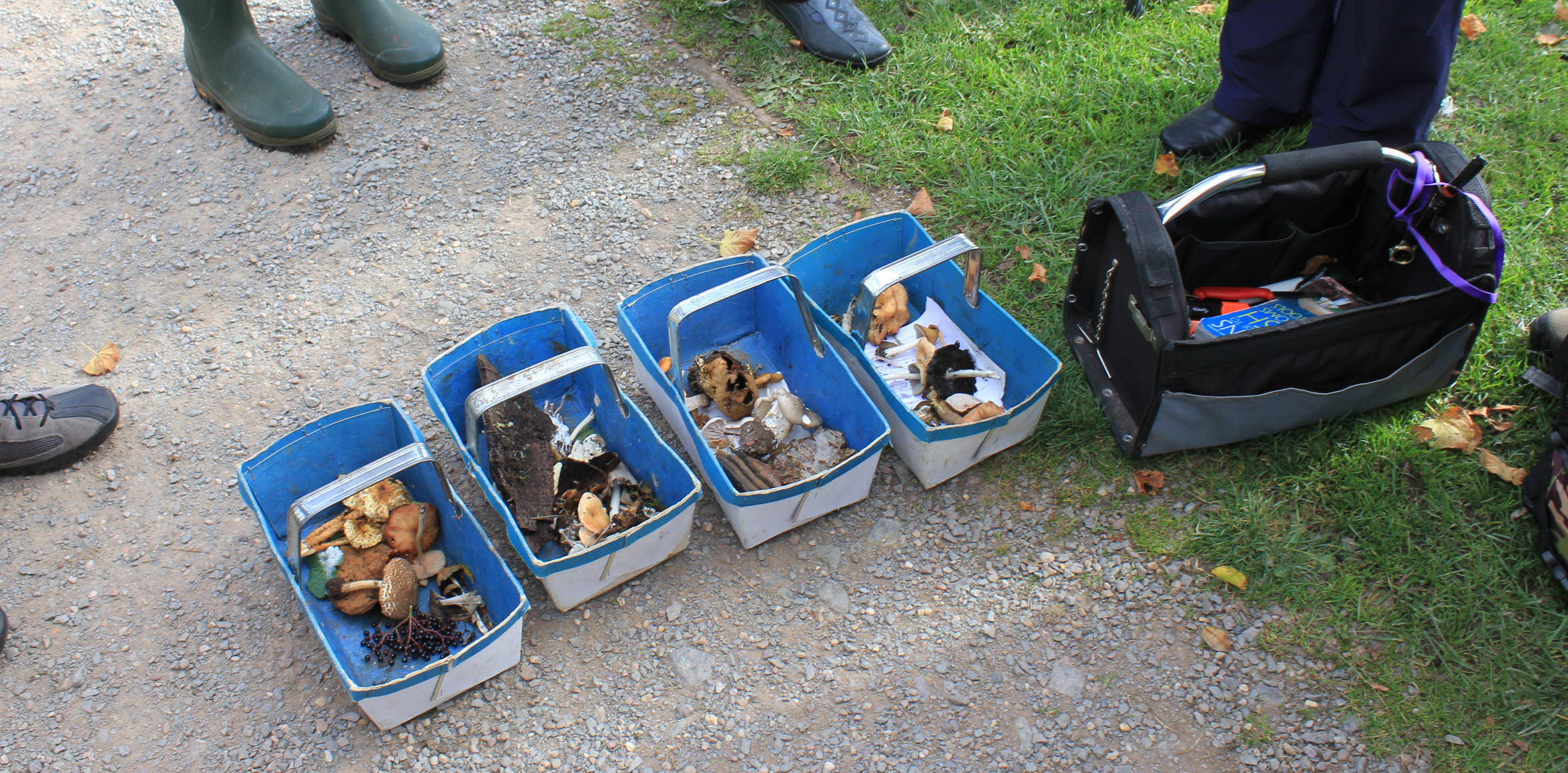
To expand my knowledge even more, yesterday morning I went on a fungi foray with my local (Lichfield) wildlife group . It took place at a woodland about 5 minutes from where I live so it’s basically one of my local patches. When I was up there just last week I noticed the number of different species I saw and also got a few photos too. However yesterday was good as you can learn so much from other peoples knowledge and so I did!

We were out for about 2 hours and saw a whole host of different fungi. From the common and typical candle snuff and coral to (at least) two different species of ink cap. At different locations you find different types, whether that be due the vegetation in the area, weather or soil type. So every time I go on a fungus foray at another location it’s very interesting to compare what I see. There was a few species that I was looking for yesterday, some of which I saw but others I didn’t, however I did see some that I hadn’t noted before. At this site a really common species was a type of honey fungi and field blewit (which is of course edible).

I didn’t get many photos but here are a few.

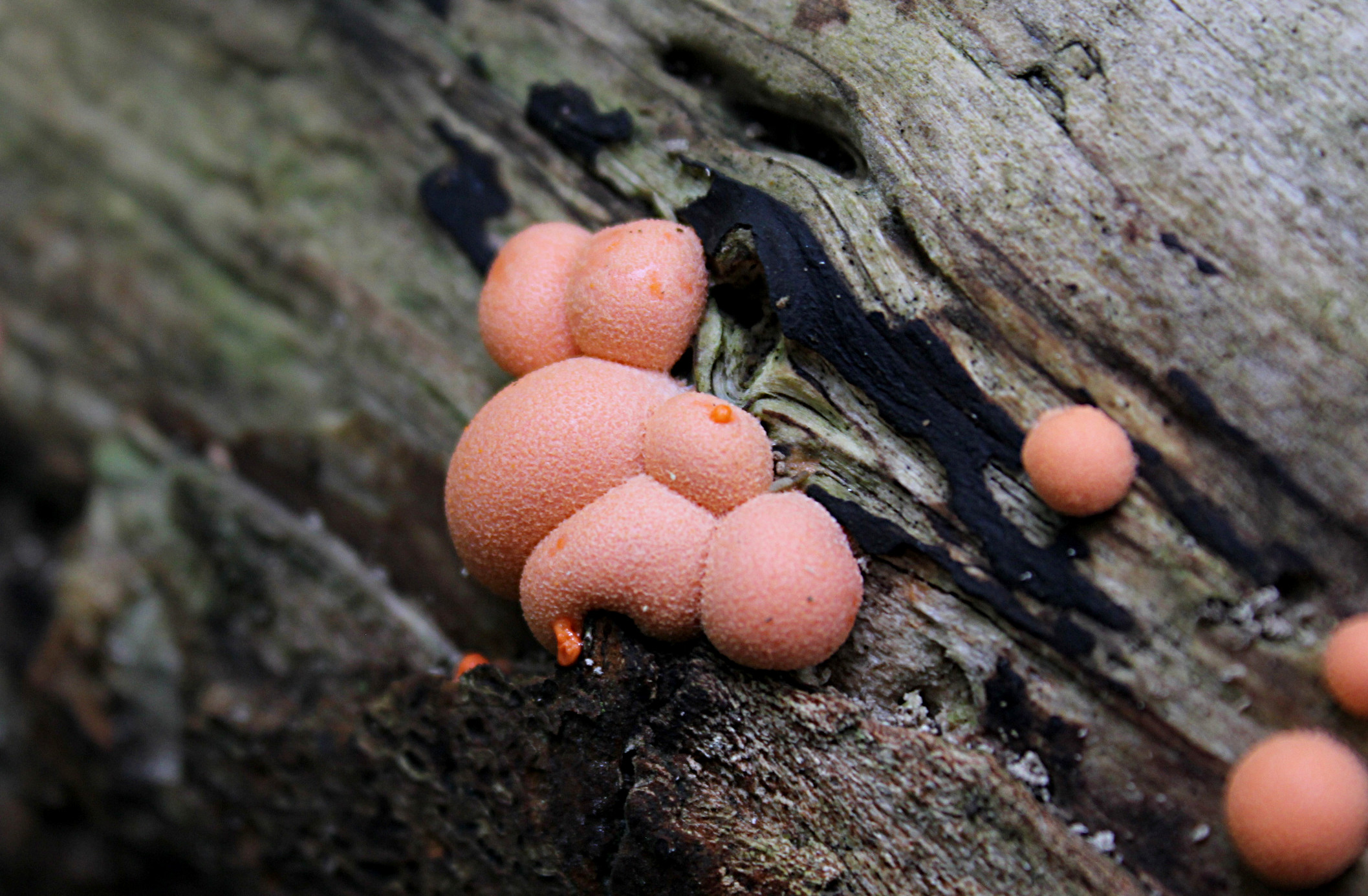
fungiWolf’s Milk – Lycogala terrestre

IMG_9895

IMG_9903

IMG_9907

Untitled

Stampede for Rhinos and Elephants

A couple of years back when I first became aware of how the countryside isn’t all this glorious place I was so frightened to see the behaviour and activity that takes place. Obviously not for my own sake but for the sake of wildlife and their habitats. I remember looking into it and thinking surely that doesn’t still take place?! Most, if not all, hold no place in society today yet still do and are done so with pleasure, fun and the intention of greed. Context I’d expect to hear in one of history lessons.

I sometimes hear disputes amongst people about how British wildlife needs us here so we should put everything into that. That’s a good point but when you lean more about how similar the situations elsewhere in the world are it’s terrifying and makes you realise it’s not just the UK that’s somewhat stuck in the dark ages but many other places too. For example, it’s an odd comparison but compare the Hen Harrier to an African elephant. One main reason why Hen Harriers are persecuted is for greed, much like the killing of elephants, this is done to protect grouse which they then make money from (and for fun). Much like they do with the tusks of elephants. My point is, putting the pounds in their pocket in front of the life of an animal. That’s only a slight and brief comparison but another aspect which seems to have a big connection is the some sort of pleasure they get. From trophy hunting to badger baiting.

There are obviously a lot more influences too, for example who’s in power, community, culture etc. Thinking about it all of the top of my head I can think of quite a lot of examples of the persecution of wildlife around the world. All in different circumstances and locations yet all for similar reasons. Fortunately though, just like there’s people in the UK you may know who’s work is just fantastic, these people obviously do exist elsewhere too and it’s still important to try and support their work.

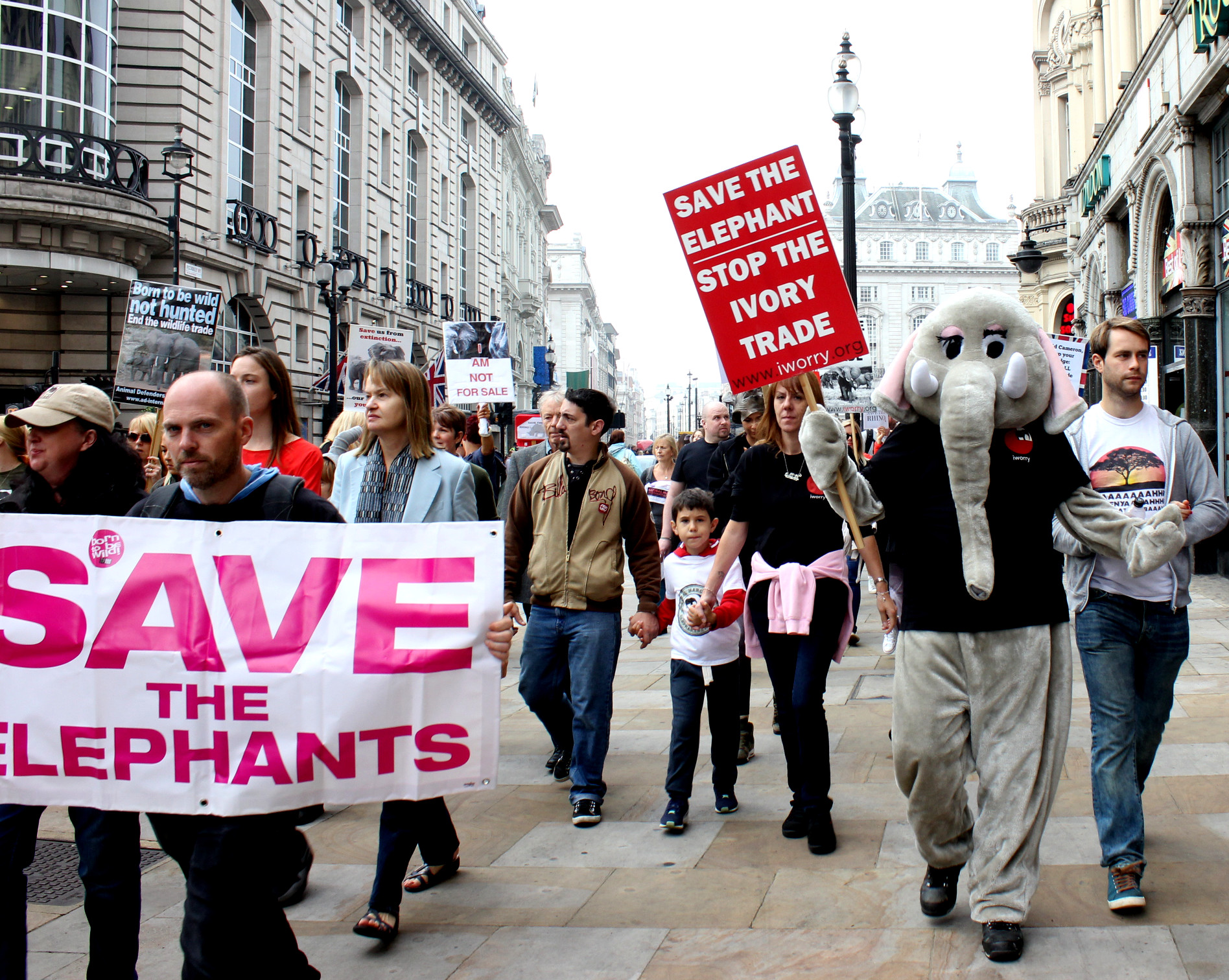
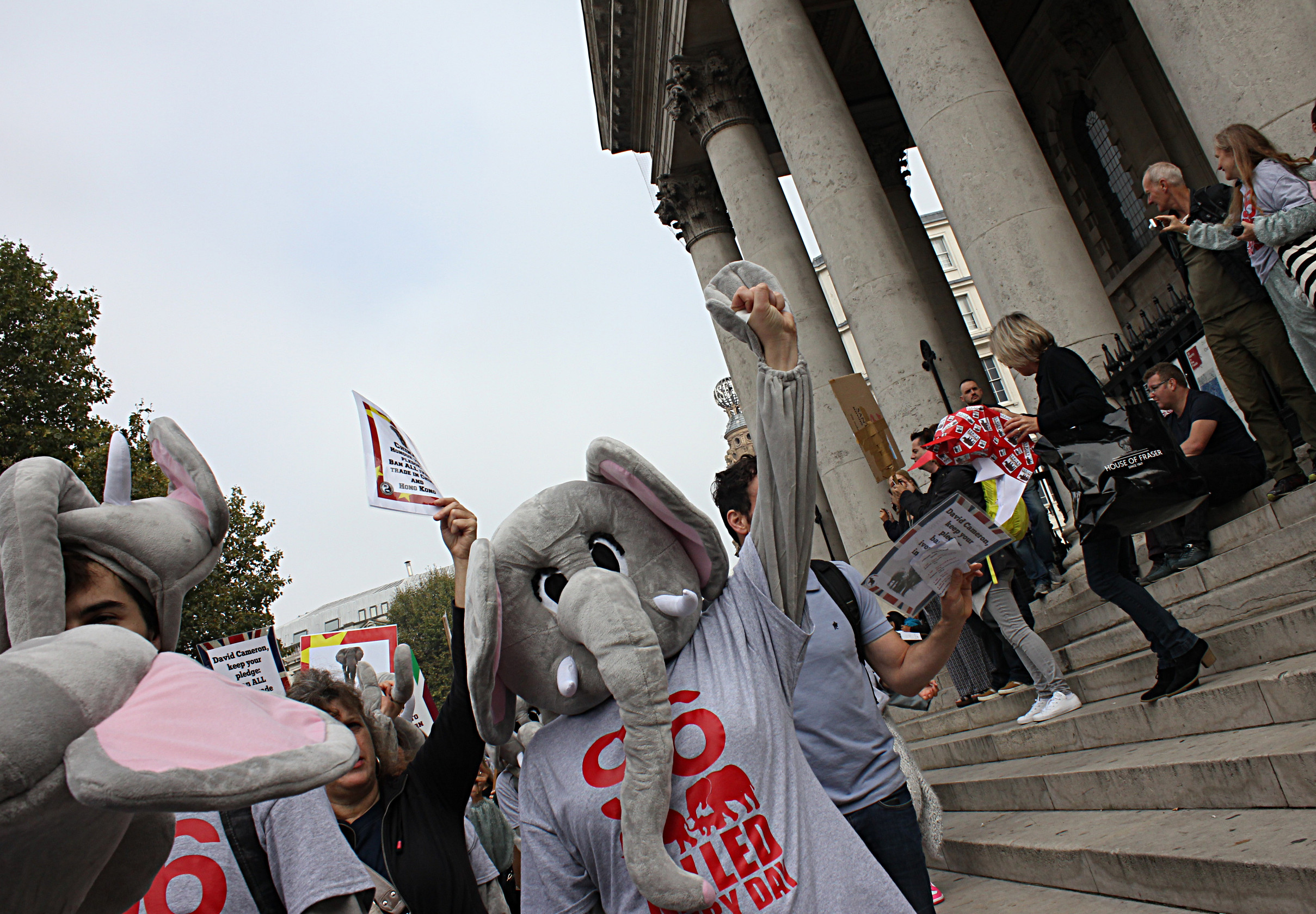
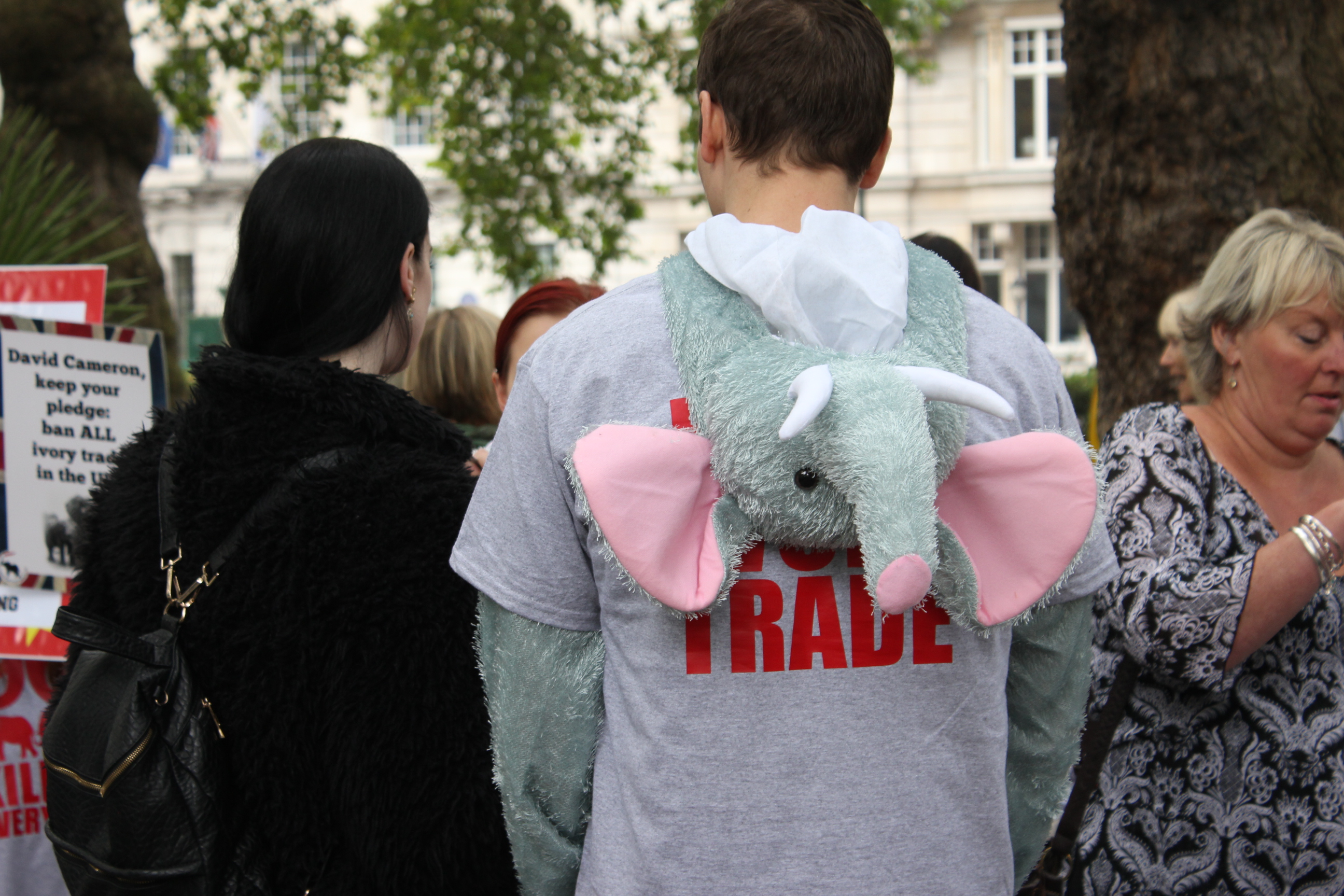
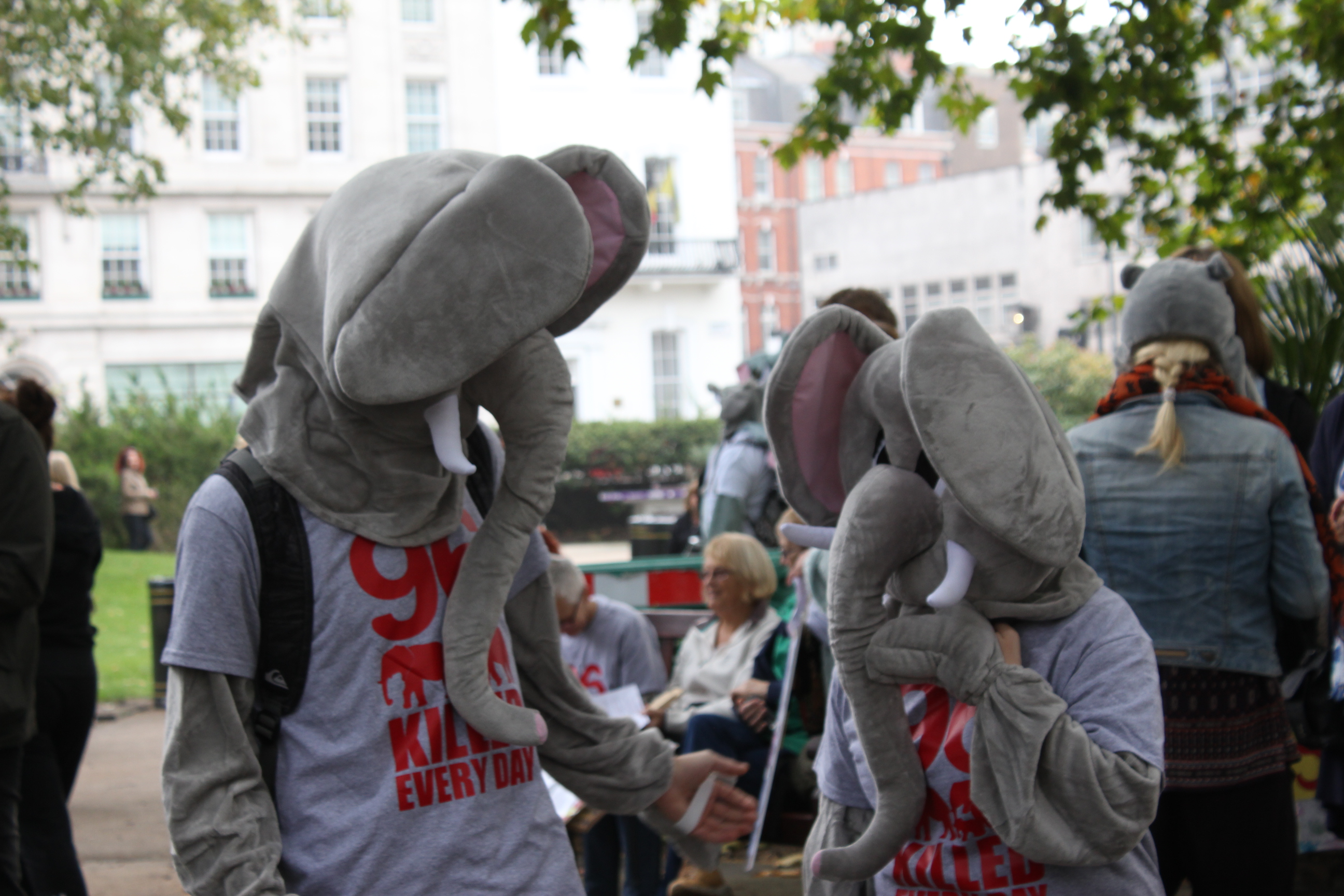
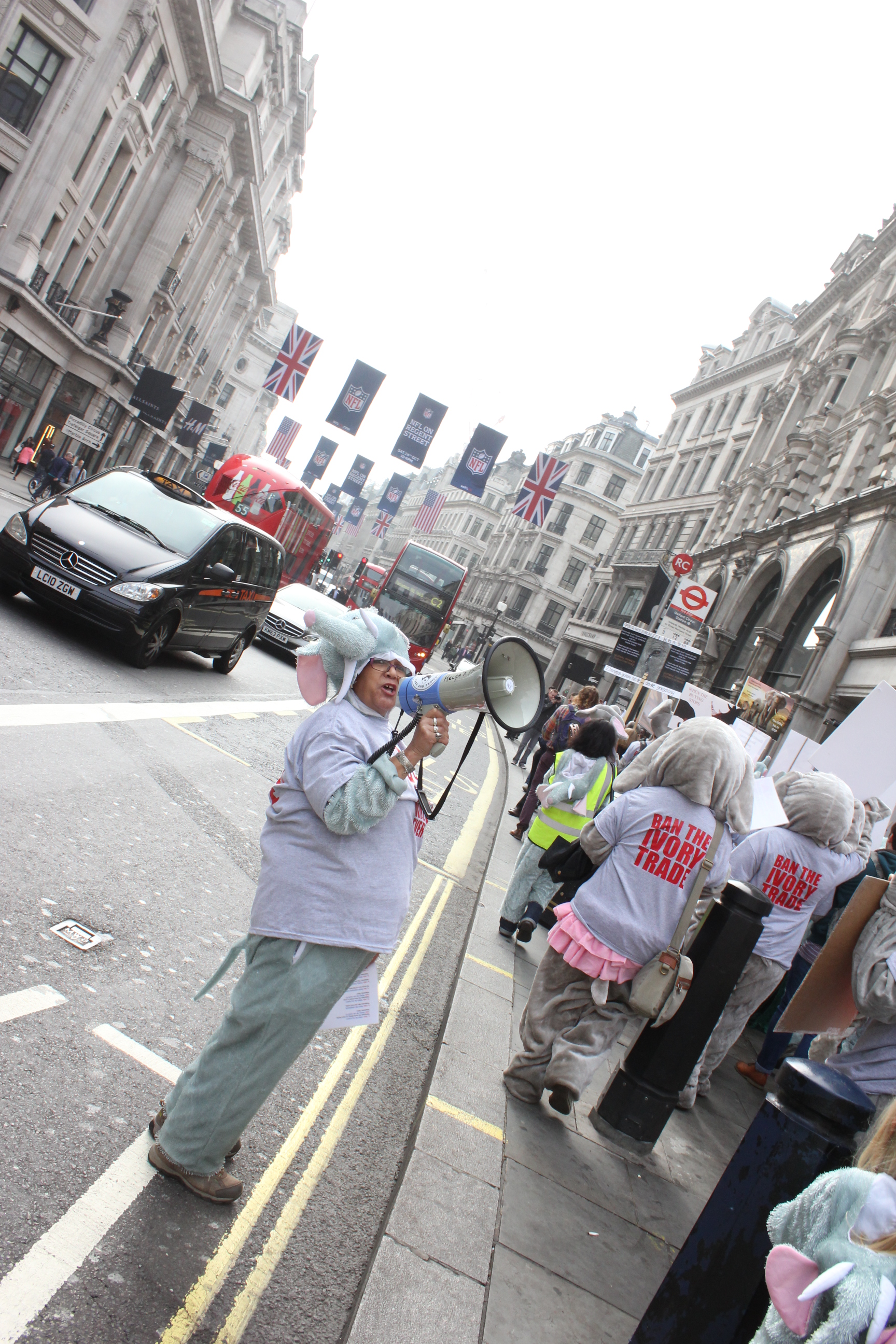
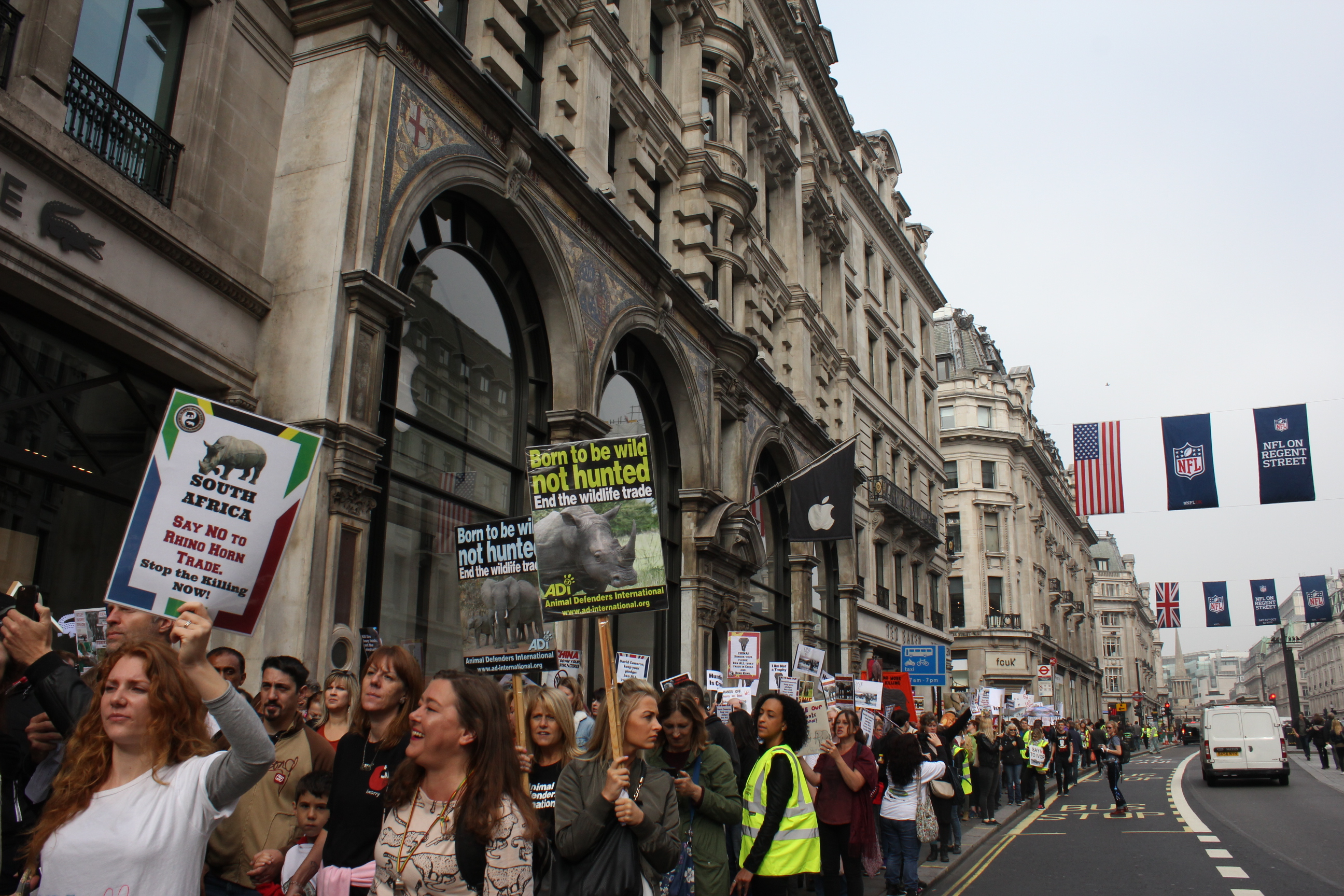
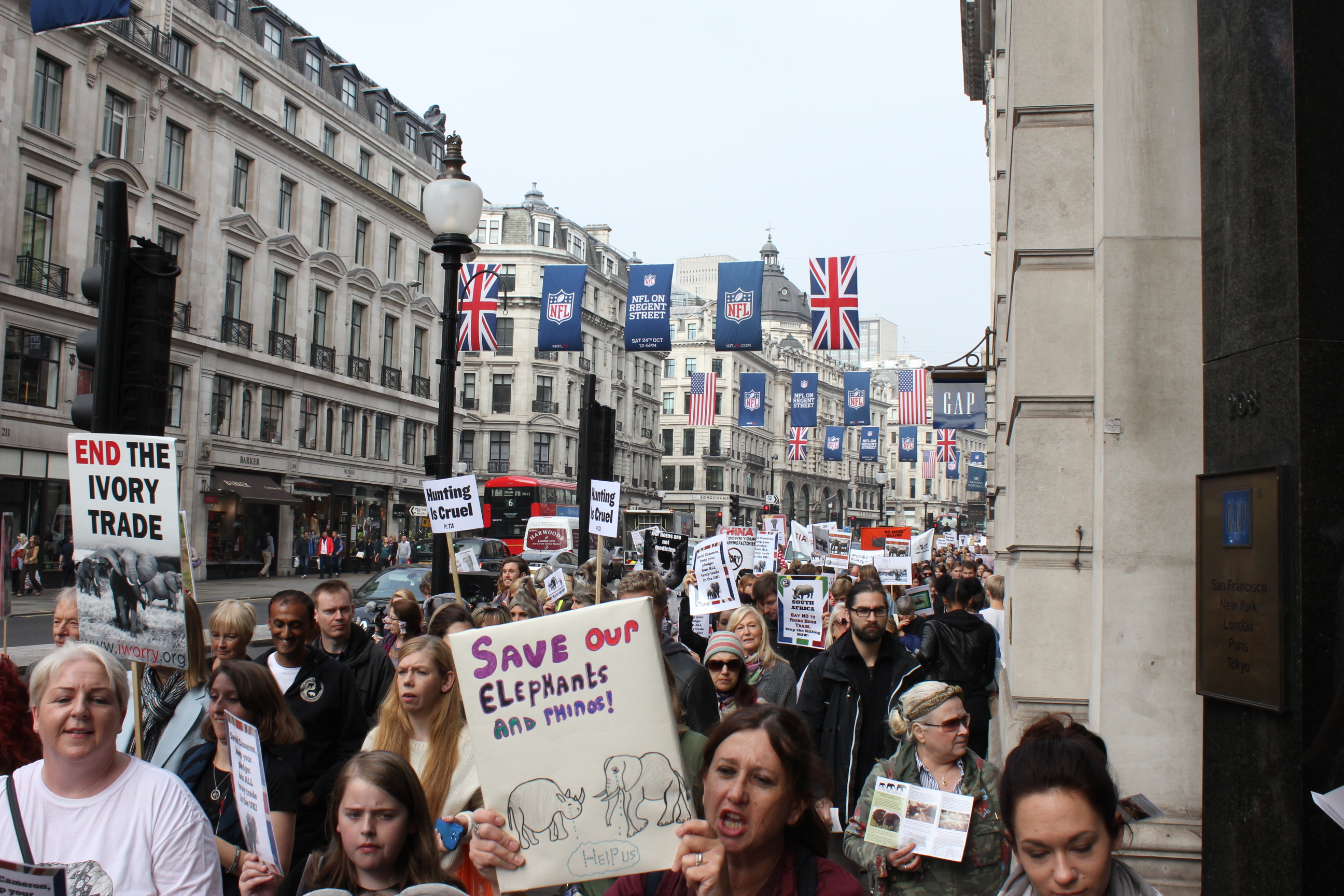
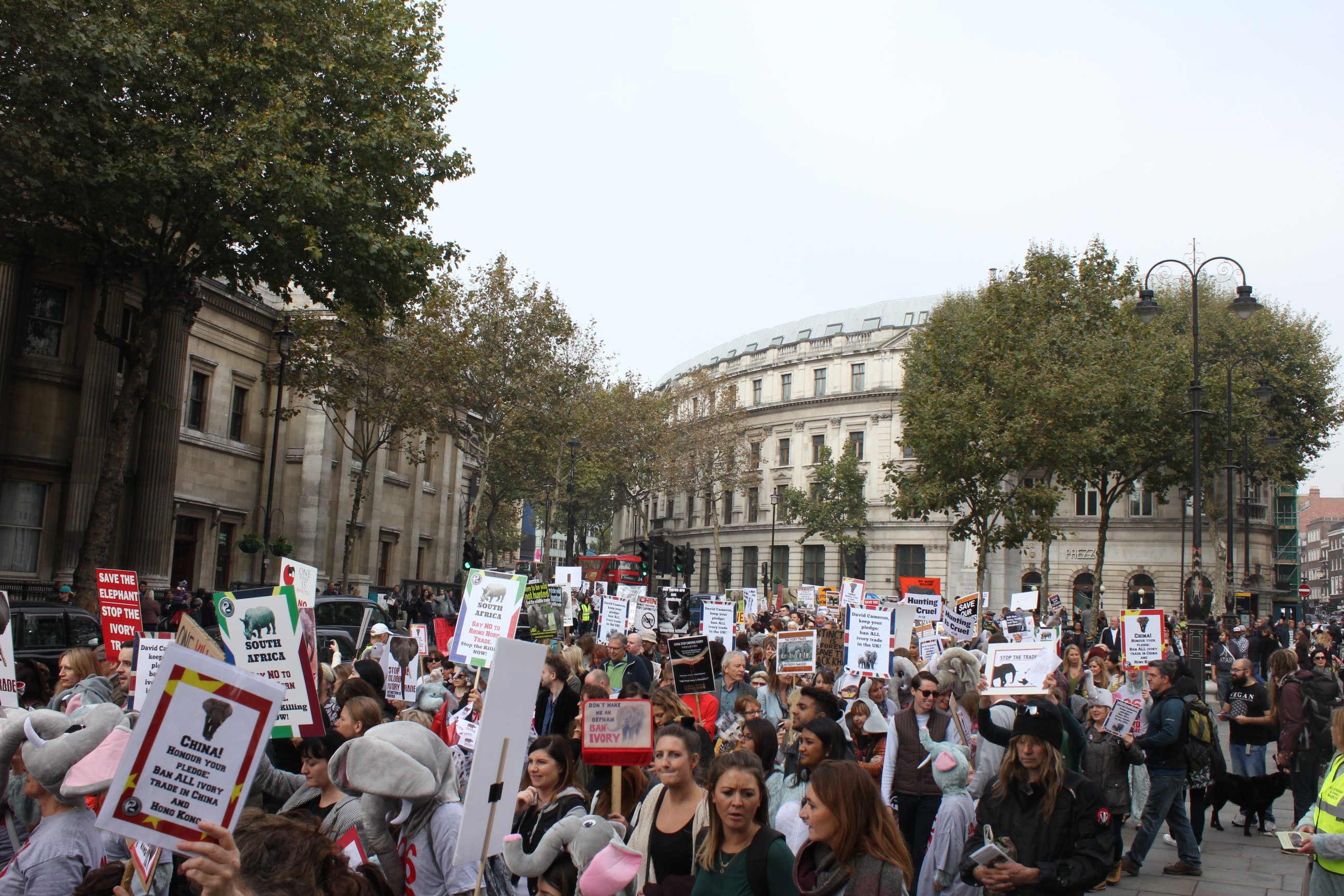
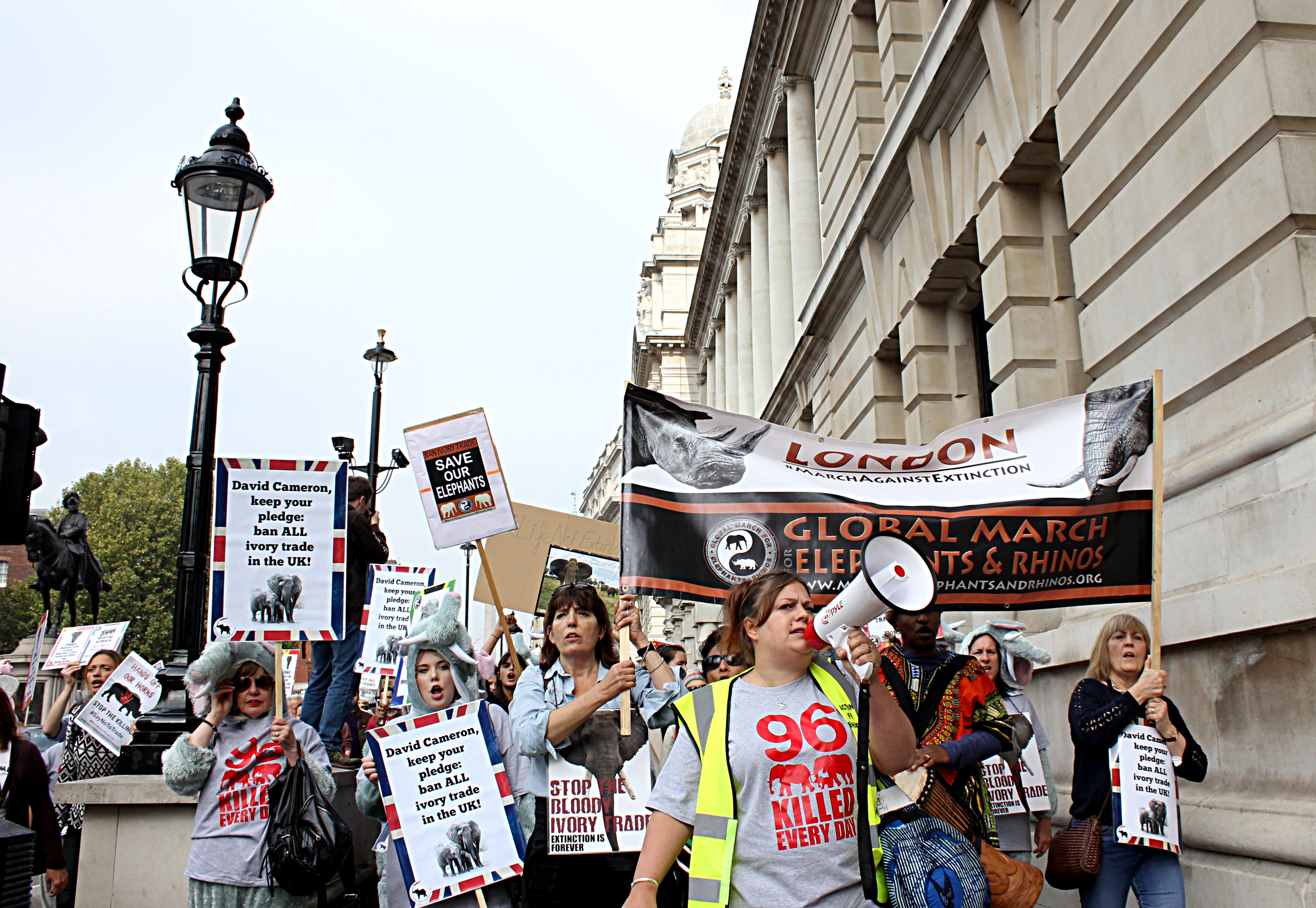
Although trying to spread yourself out everywhere would be brilliant, it isn’t possible. Something that hits me quite a lot. However I wanted to show my support and join those who had organised a march in London last Saturday for rhinos and elephants, against the ivory trade.

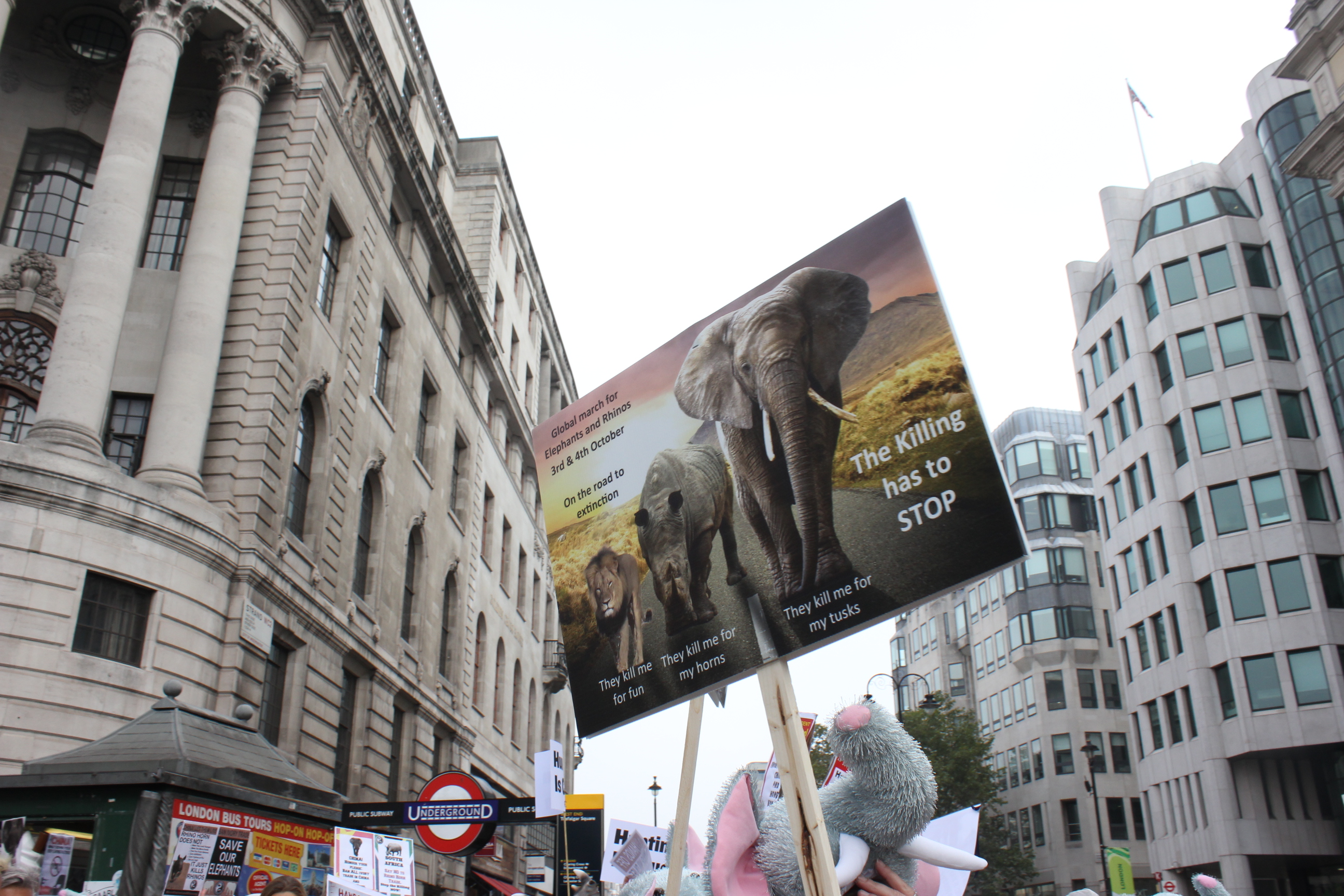
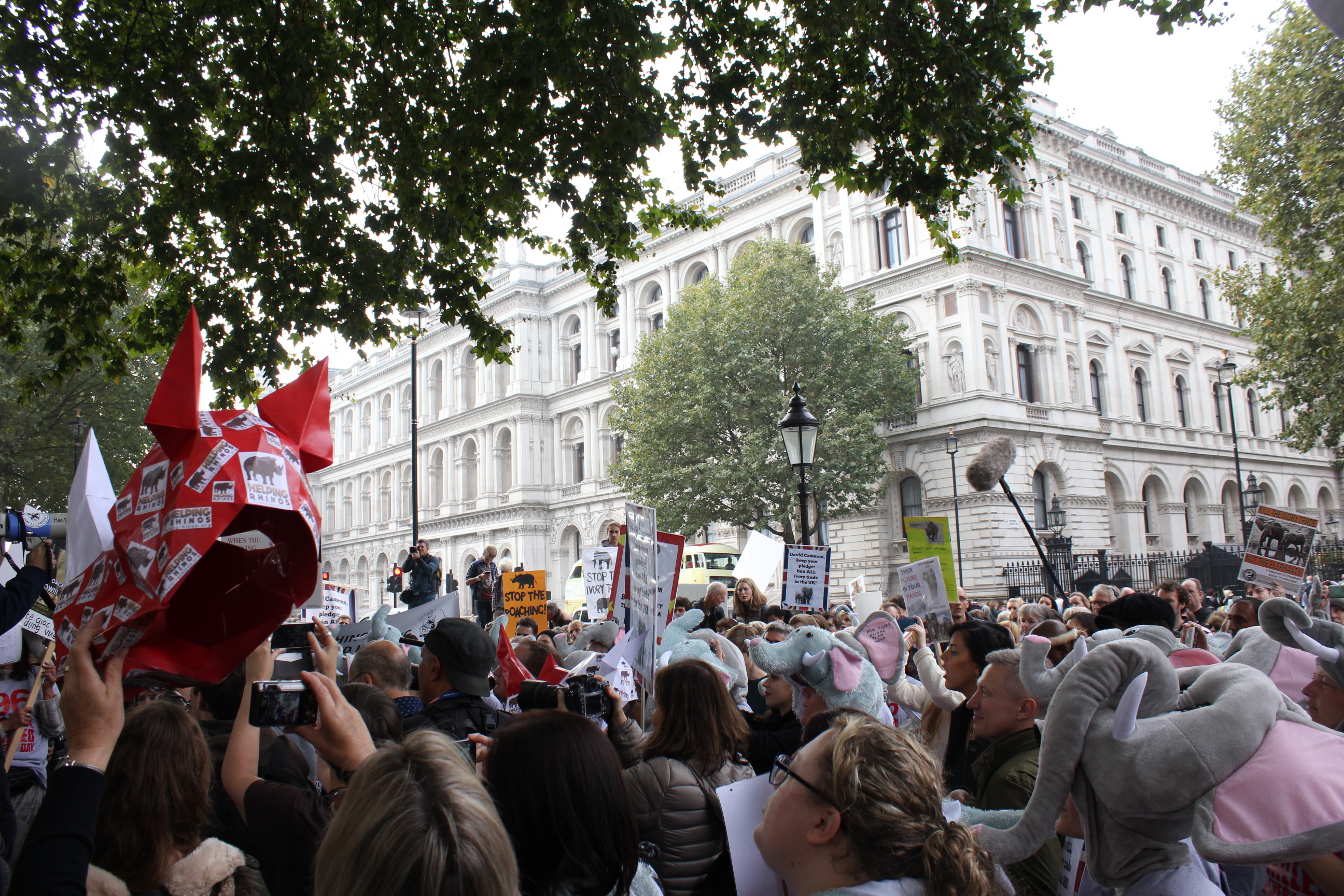
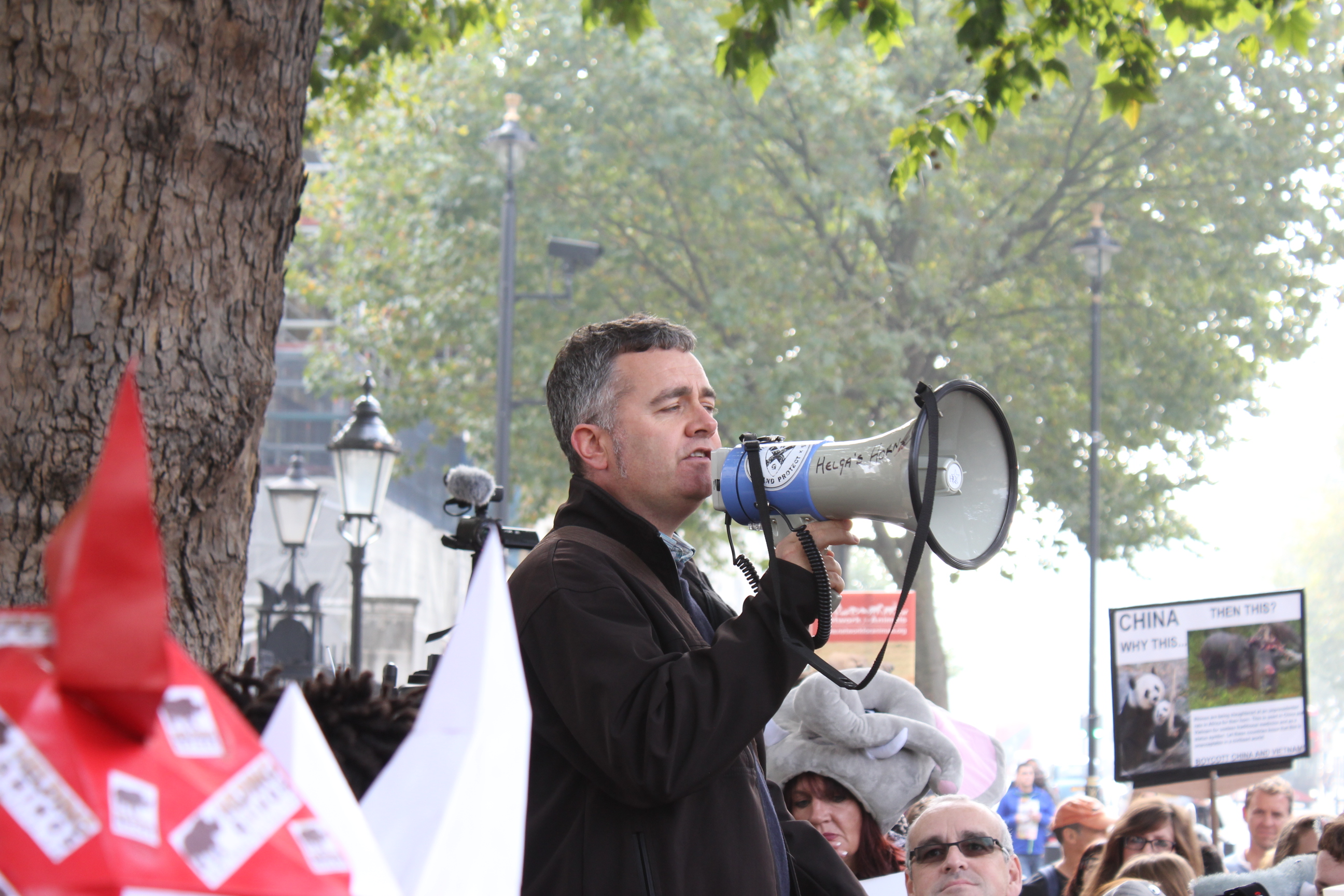
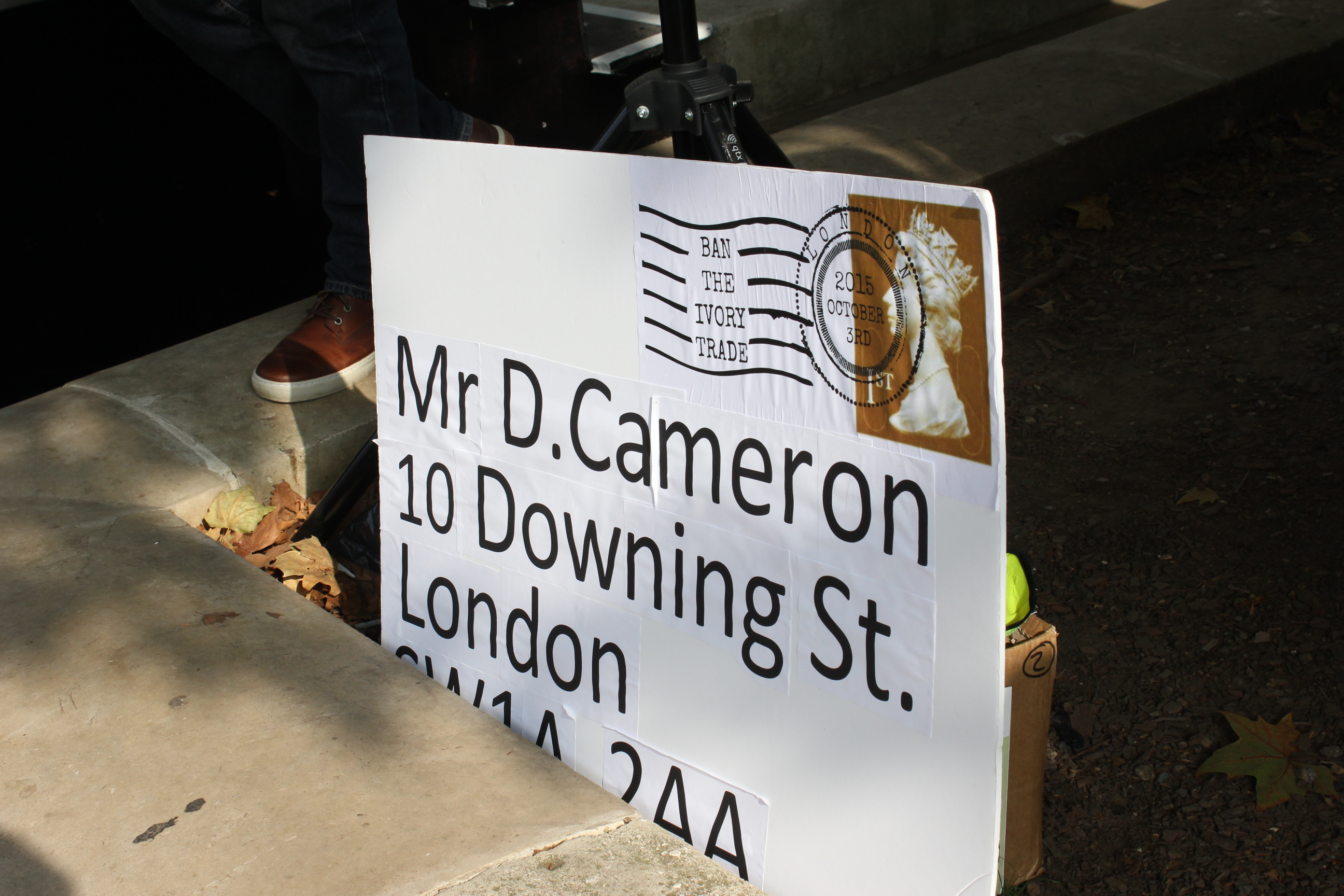
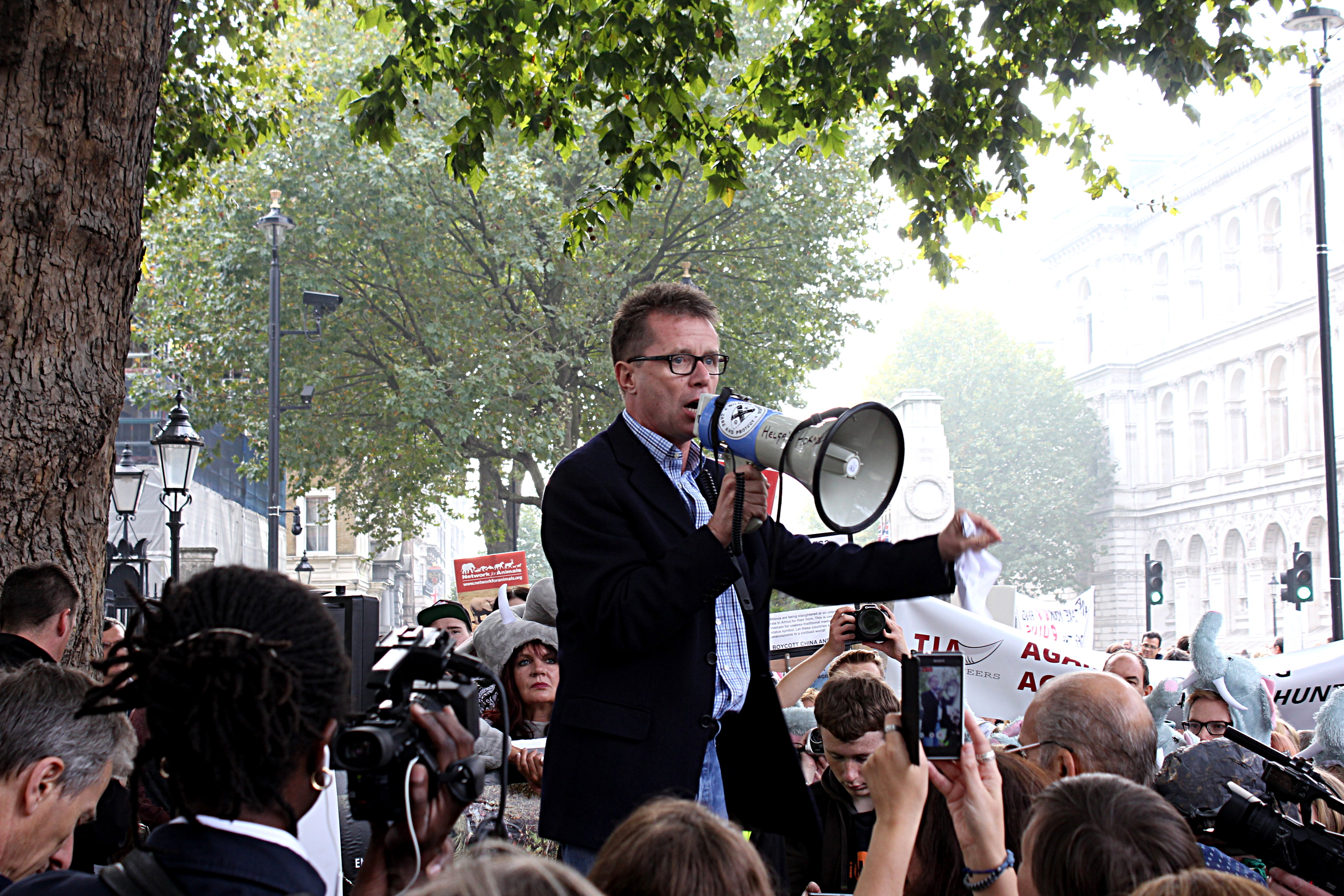
It was an early train into London and a 10.45 start at Cavendish Square for the day ahead. The march passed through different places including Leicester Square and past the South African Embassy before finishing outside the gates of Downing Street where a host of talks were given from the likes of Dominic Dyer, Born Free Foundation and of course Badger Trust, Nicky Campbell, presenter as well as animal lover, Philip Manbridge, Director of IFAW UK, and a few more too.

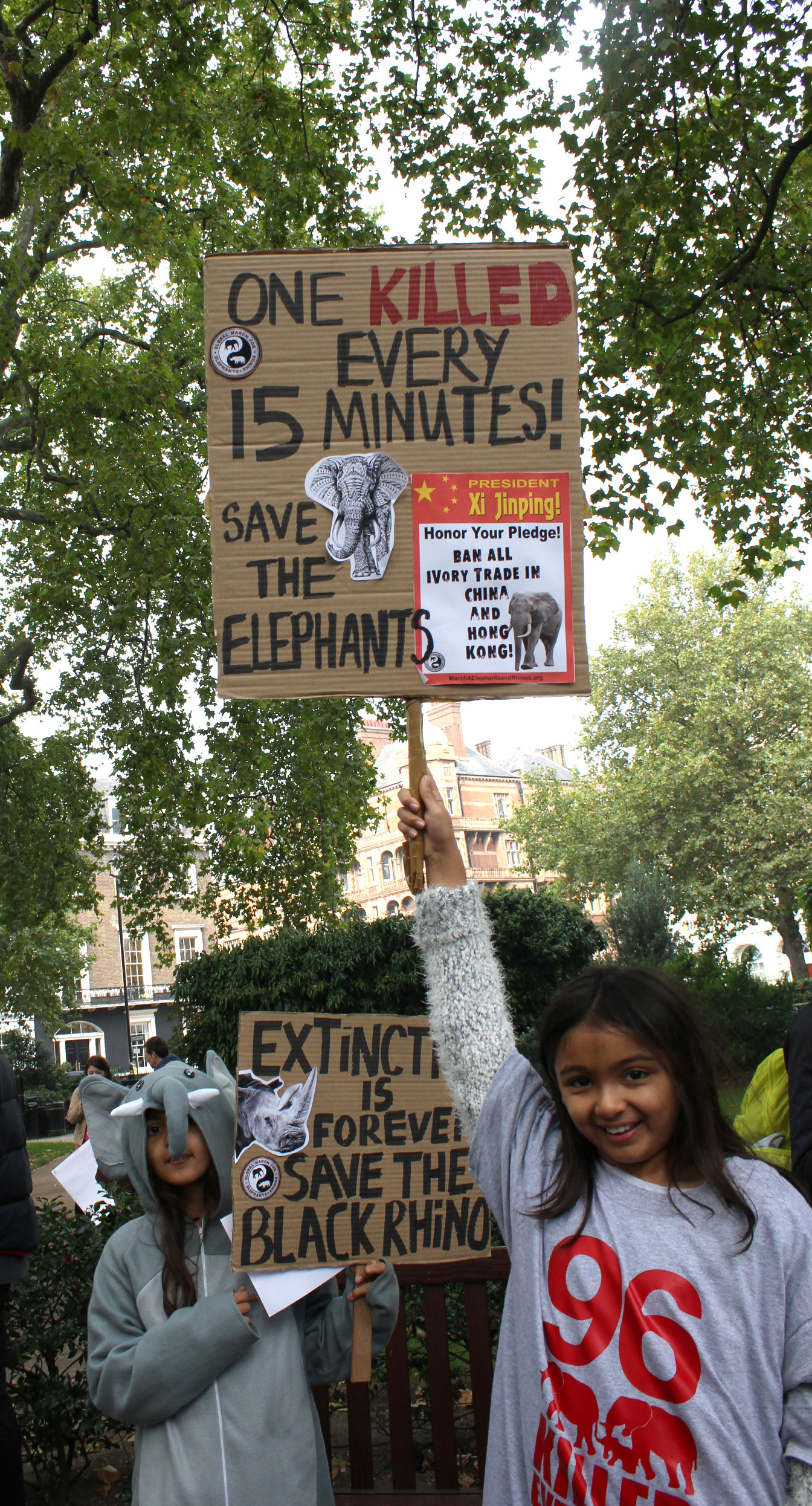
Here are some photos from the day.

ele ele2 IMG_9411 IMG_9412 IMG_9414IMG_9489 IMG_9502 IMG_9524 IMG_9587 IMG_9637 IMG_9671 IMG_9673 IMG_9692 IMG_9694 march NC ypsigns

96 ELEPHANTS KILLED IN AFRICA EVERYDAY.