Book Review: Undiscovered Owls

When I was younger I remember having a fascination for owls, as for most species. I remember visiting one of my local patches and seeing a tawny owl there almost every time. I was amazed by the bird, I always thought how different it was to other birds with that mysterious but magical look about it. Along with its character and ability to make its presence so different. I also remember sitting in the back seat whilst driving down country lanes near where I live with my head hanging out looking up into the trees. Quite often we’d see little owls down this same stretch.

Obviously I still admire them as much as I did when I was younger. I often see a tawny owl or the occasional little owl on my local patch or when I’m out and about and much further afield.

A few months back I was asked to give a talk at an event that a friend of mine, Emily Joachim, was running down in Bath. It was a day of ‘Be a Zoologist’ workshops and I gave a talk. Emily is a really passionate conservationist and zoologist who specialises in British Owls. It was great to speak to Emily about the work she does and how enthusiastic she is, you can read more about this on her new website/blog on Little Owls by clicking here.

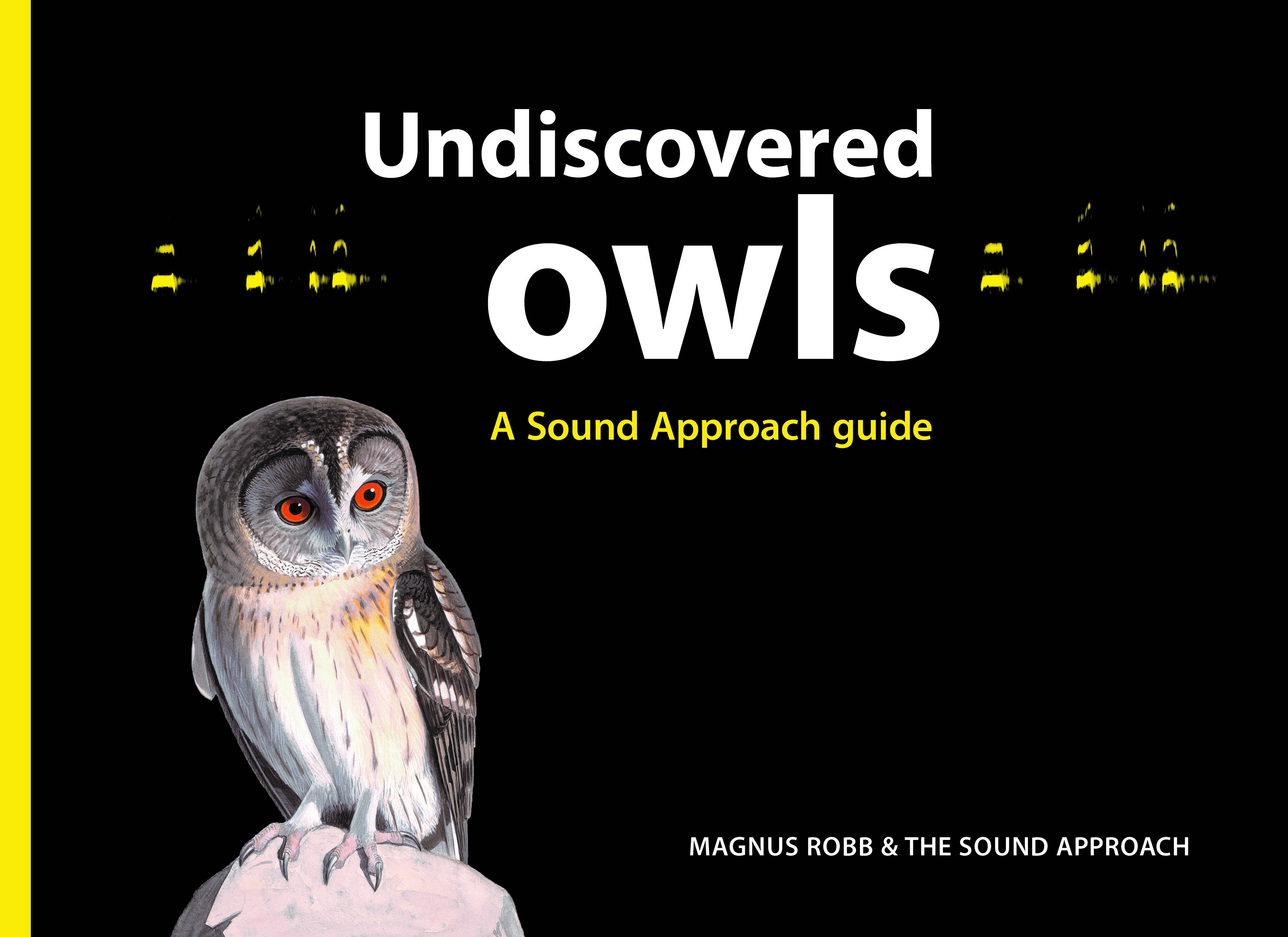
As you’ll see from my title the book is called Undiscovered Owls (for a very good reason) and is by Magnus Robb and The Sound Approach. The book focuses on species within Europe, North Africa and the Middle East. It includes 4 CDs with an impressive 327 sound recordings, and is filled with beautiful illustrations from the Swedish artist Hakin Delin.

When this book was first sent out to me I was very excited. I’d read about it online and I know how fantastic The Sound Approaches books are. My first impressions were that it was very smart and slick looking, detailed and professional. After having a brief look through I was eager to start reading it, listen to the sounds and look at everything else that accompanies the text. Also I was particularly fascinated by the owl displayed on the front cover, Omani Owl, and the story behind that bird which I later went onto read.

The book is set into nine different chapters with each one including different species belonging to a genuses. Then, about each species there are sound recordings of the species with superb descriptions of the sound, interesting sonagrams, a variety of stories from their adventures and experiences, bucket loads of information and facts, and beautiful photos, art work and diagrams. A true insight into each species and with all this detail you can’t help but be gripped!

The CDs which accompany the book also make a great twist. They are very good and I found myself excited to read through to the next sonogram, listen to the tape and have a real experience of how the voice works. The quality of the sounds are perfect too and having the CDs like this was different. However the whole book was very different but very good and definitely unique.

A lot of things stood out for me in the book. Firstly, as I mentioned before the Omani Owl. The excitement of this part of the book all added to that idea of ‘Undiscovered Owls’. The new species was completely new to science and discovered in a remote mountain range in Oman.  Whilst they were out searching for Pallid Scops Owl they heard an unfamiliar owl. Within a few minutes they recorded three different calls of the owl, at this point there was the exciting possibility but it wasn’t until a month later until it was spotted.

I found the story of this discovery very intriguing along with other species in the book including the Turkish Fish owl which they recorded but is a very rare species.

Even if you’re not interested in owls I’m pretty sure you would still enjoy this book. Also, if like me you’re a big fan of British wildlife, as I mentioned before it includes owls of Europe, so there’s species like barn owls, tawny owls, little owls, long eared owls and a few more.

If you haven’t guessed, I thought this book was fantastic and really enjoyed reading it. You can get your own copy here –    http://soundapproach.co.uk/product/undiscovered-owls/
 

undiscovered-owls

Standing up for wildlife – Ross on Wye

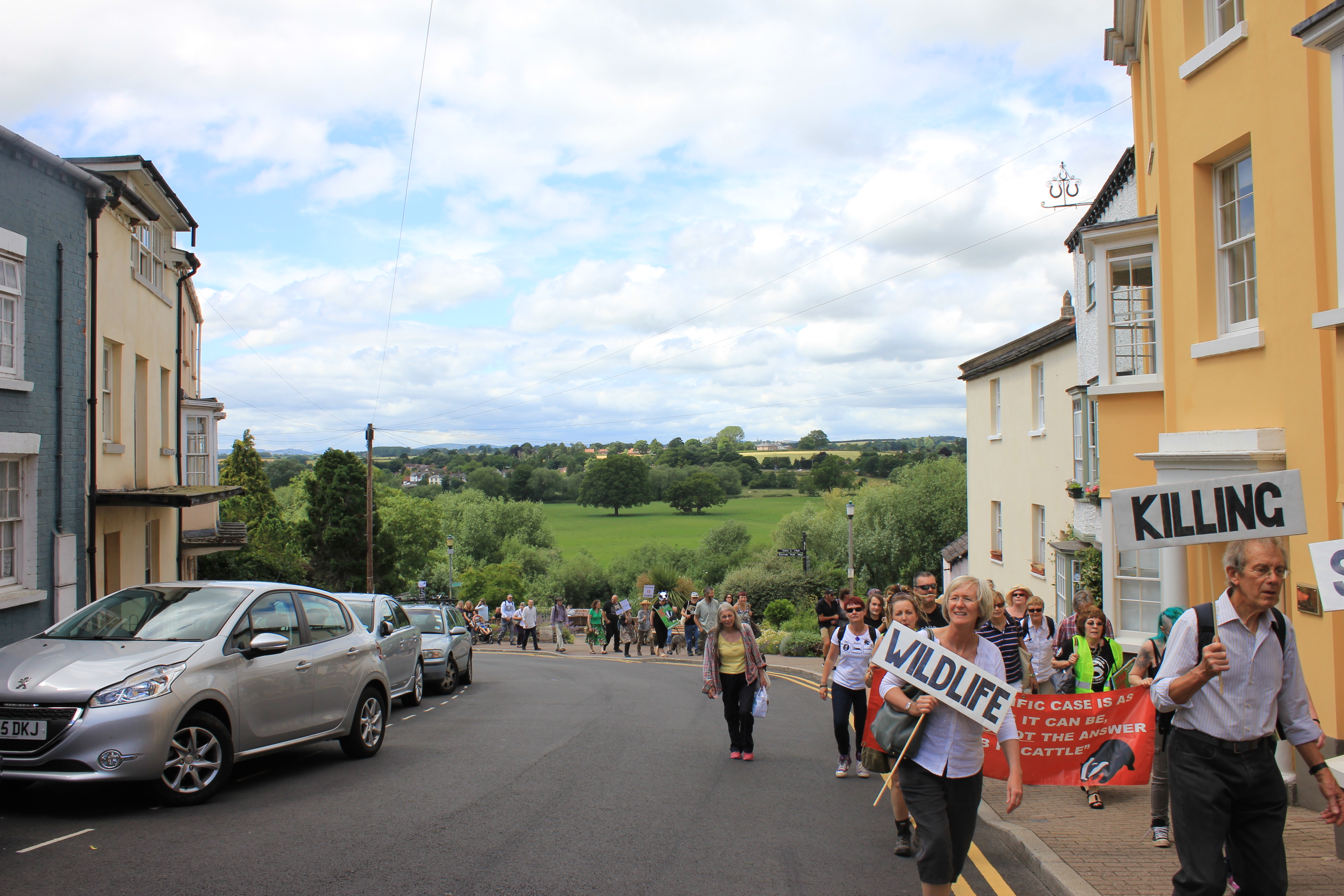
One of the key messages whilst on the march in Ross on Wye yesterday was we won’t give up. Even though the Tories have got back in and the next five years for wildlife look very bleak, we won’t give up.

Later this year the badger cull will be rolled out again and they’re now looking at Dorset too, there are plans to repeal the Hunting Act, there’s game keepers calling for reduced protection of birds of prey so they can protect their pheasant and partridge shoots and then there’s the Government fighting the EU ban on neonicotinoids which have a terrible impact on bees. With all this and more going on it is really important we don’t give up and we show that.

A few weeks back I heard about a stand up for wildlife march in Ross on Wye which was the first since the election. I’ve been to quite a few of these now. Not only do I enjoy going because I meet some great people and it’s always a good day but I think it’s really important to show your support and try and get that message heard loud and clear.

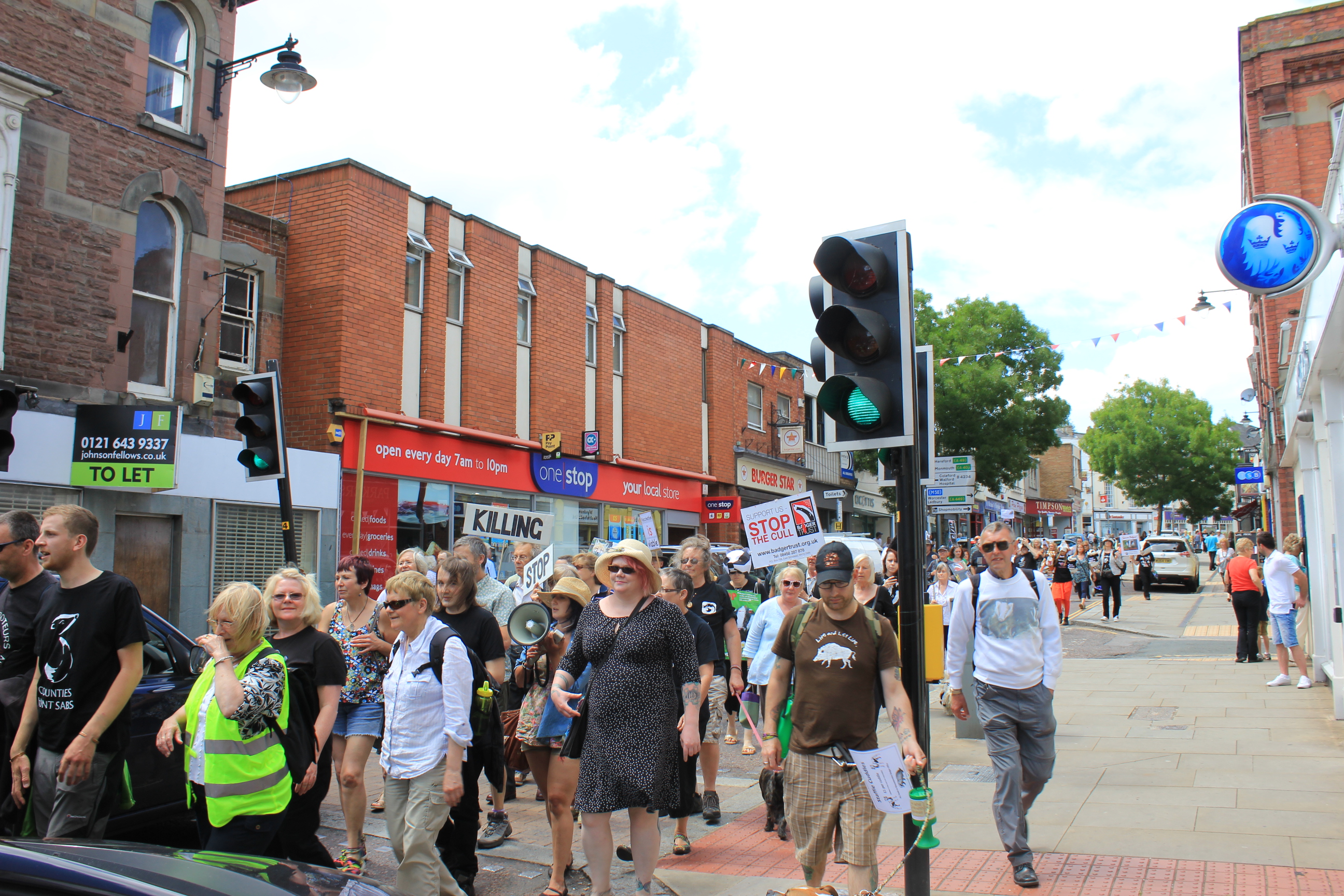
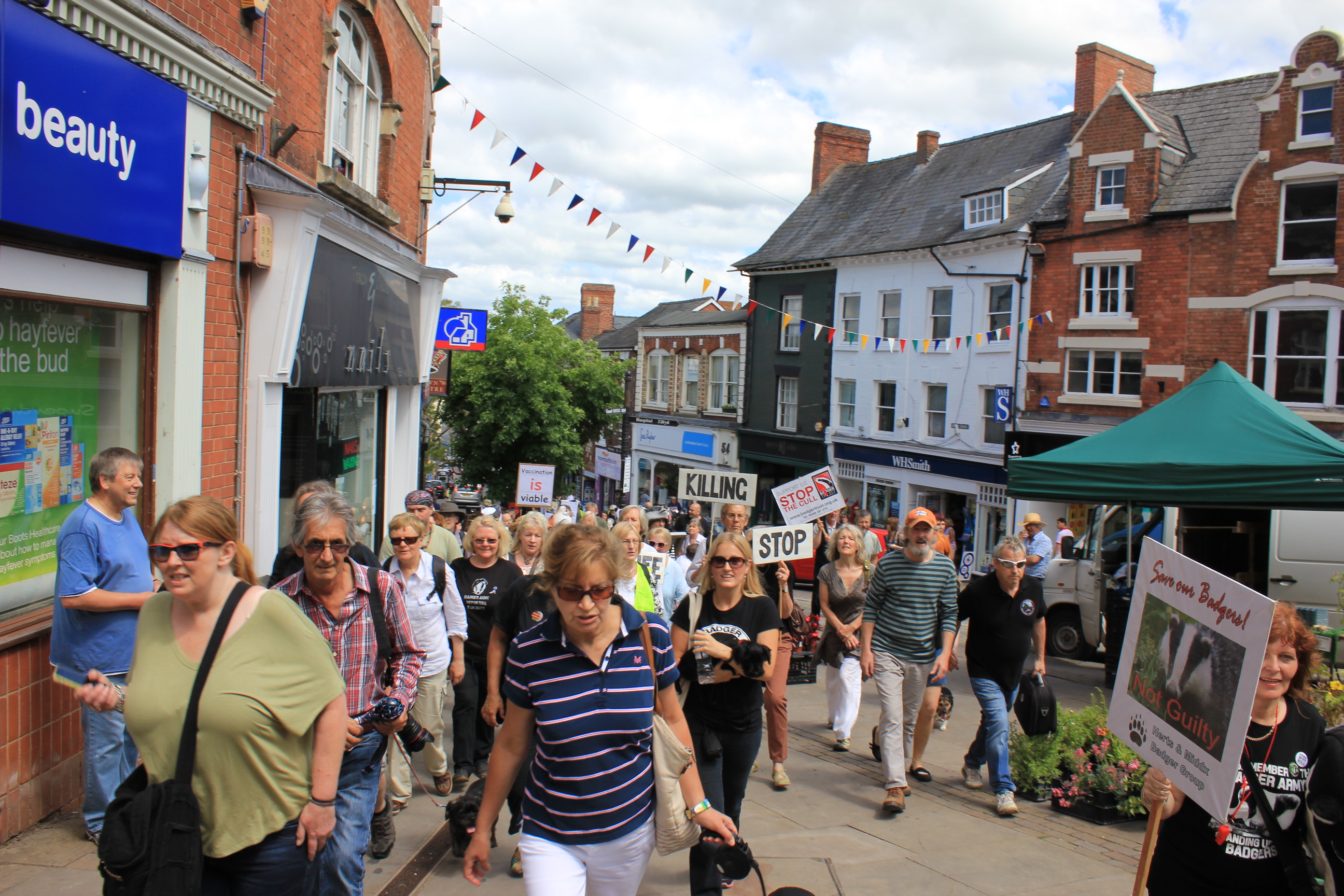
The march started at 12.30 and everyone gathered at the band stand in Ross on Wye. Altogether there was well over a hundred and as we went through Ross town centre the crowd seemed to grow. The march went up the high street and round by the market where it was very busy and lots of people shopping. This was good as there was more people to see and hear what we had to say. I find it fantastic how the whole street will just freeze as people stop to see what’s going on and the people working in shops come out too.

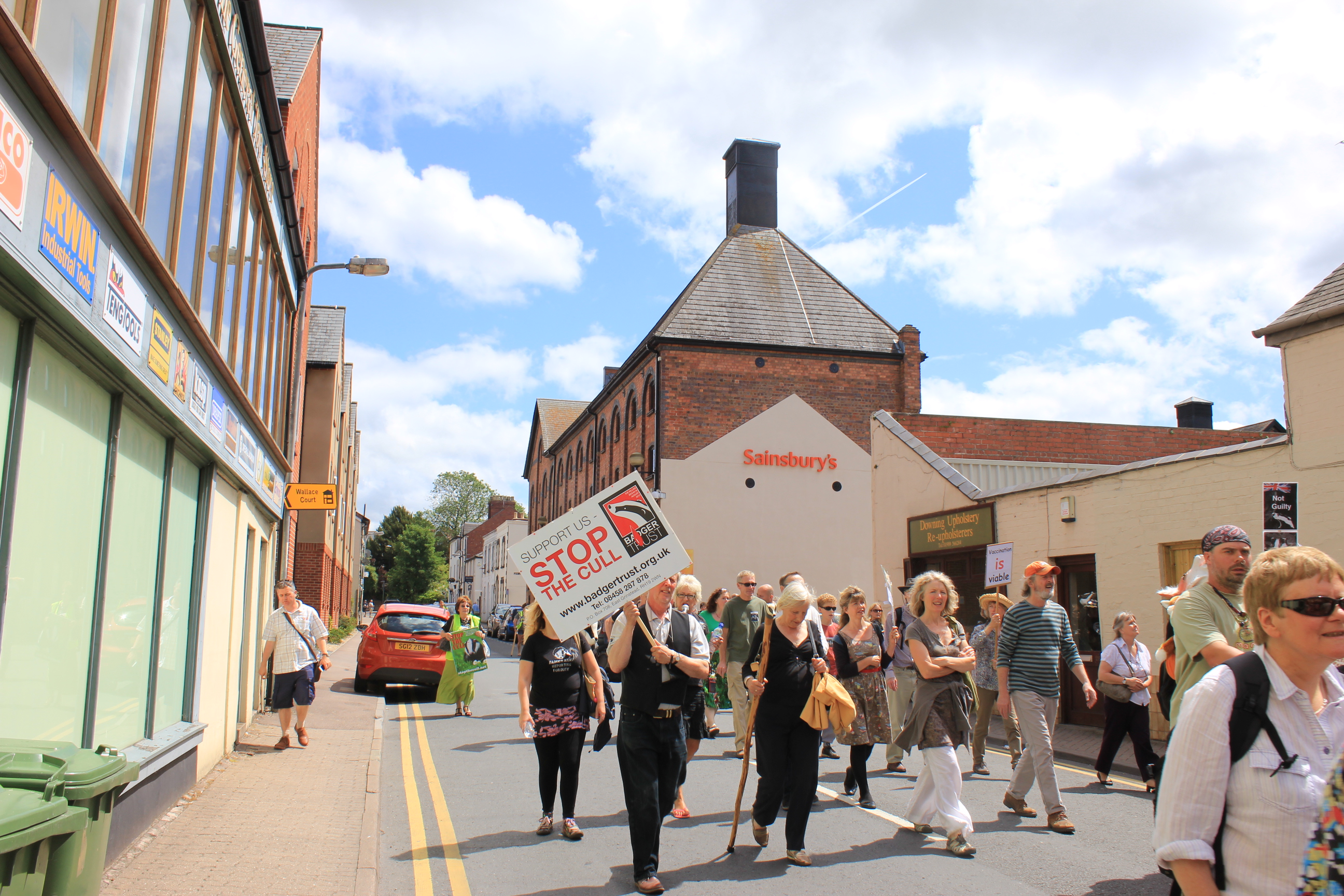
On our way round we stopping just outside Sainsbury’s for a few minutes, if you haven’t heard about Sainsbury’s click here, then we made our way to the top of the high street where Dominic Dyer (CEO Badger Trust) gave a few words. We then made our way back to the start before we created too much commotion in the town.

Once back we gathered round for some talks. First to speak was the dairy farmer Steve Jones who spoke about how he’s dealt with bTb and how good biosecurity will stop bTb. His talk was very interesting and one that I really enjoyed. You can watch it by clicking on the link below. Next to speak was Tosca, Lynn Sawyer and Ray Pottock who all spoke about issues like badger culling and the Hunting Act along with all the amazing work which has been done in that area by Gloucestershire Badger Group, who organised the march, the Wounded Badger Patrol and Three Counties Hunt Sabs. Again these were all brilliant speeches and it was great to hear about the positives work that have gone on during this horrific time. Along with this though it also reminded you of the terrible things that are going on and inspire you even more to do your bit.

Last to speak was Dominic Dyer who gave, once again, a superb speech and finished the afternoons march off.

Dominic’s speeches – https://www.youtube.com/watch?v=5RcO6sT-vNohttps://www.youtube.com/watch?v=61UQCMKPAbA

Steve Jones – https://www.youtube.com/watch?v=PJqXCAvBgFw

Ray Pottock – https://www.youtube.com/watch?v=FXPY6y1NeO0

Lynn Sawyer – https://www.youtube.com/watch?v=AW6pJEzq5t0

All filmed by Dianne Bartlett.

IMG_7869

IMG_7872

IMG_7875Thought this photo outside of Sainsbury’s was rather apt!

IMG_7878

IMG_7882

IMG_7884

IMG_7907

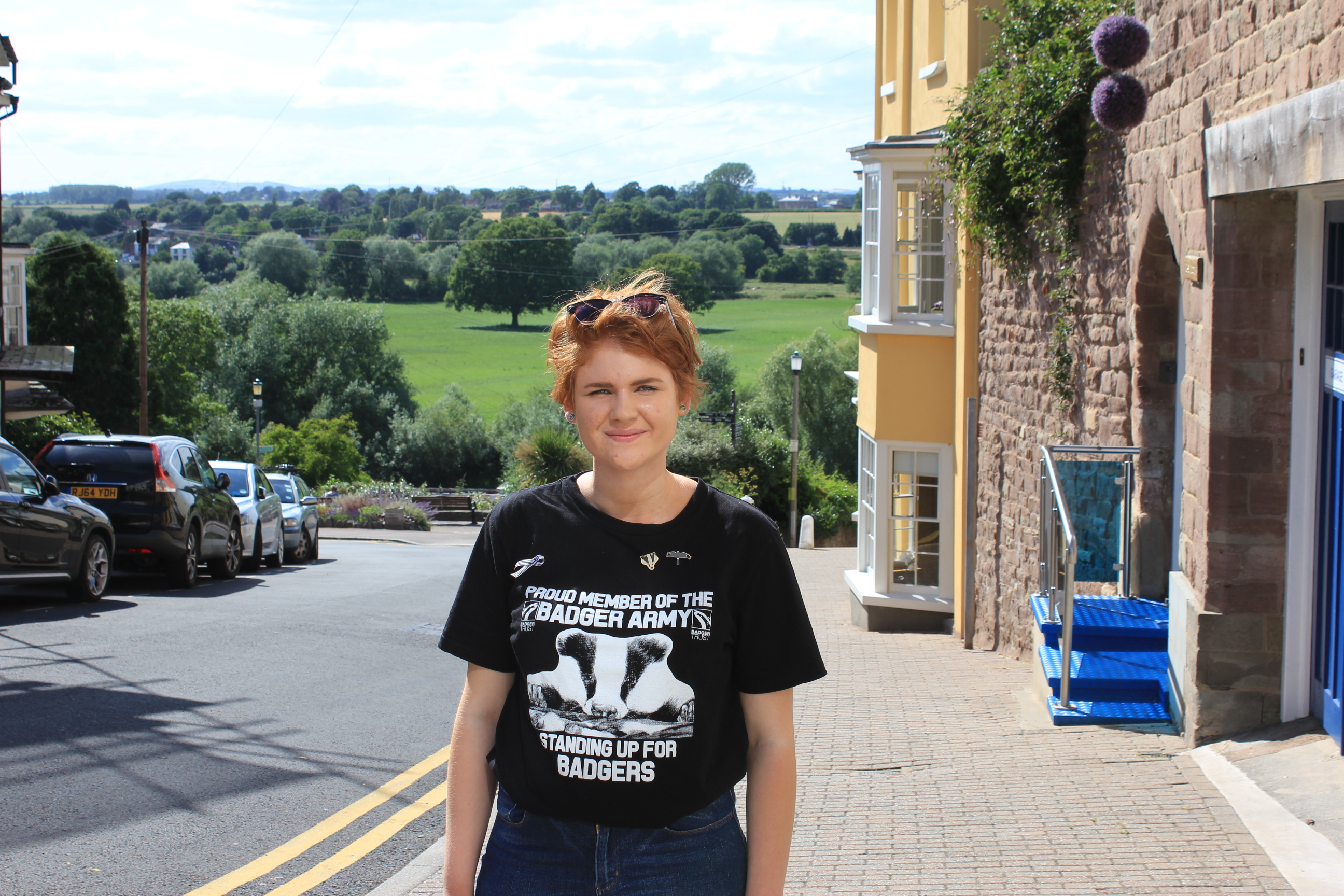
Wearing my badger army t-shirt along with my Hen Harrier badge ready for Hen Harrier day! Click here

to find out more.

Swifts, moths and sunsets – A week at Spurn

Last Monday, 22nd June,  I made my way to Spurn bird observatory in East Yorkshire. My trip to Spurn came about when I applied for the BTO’s Young Bird Observatory Volunteer Fund which was accepted.

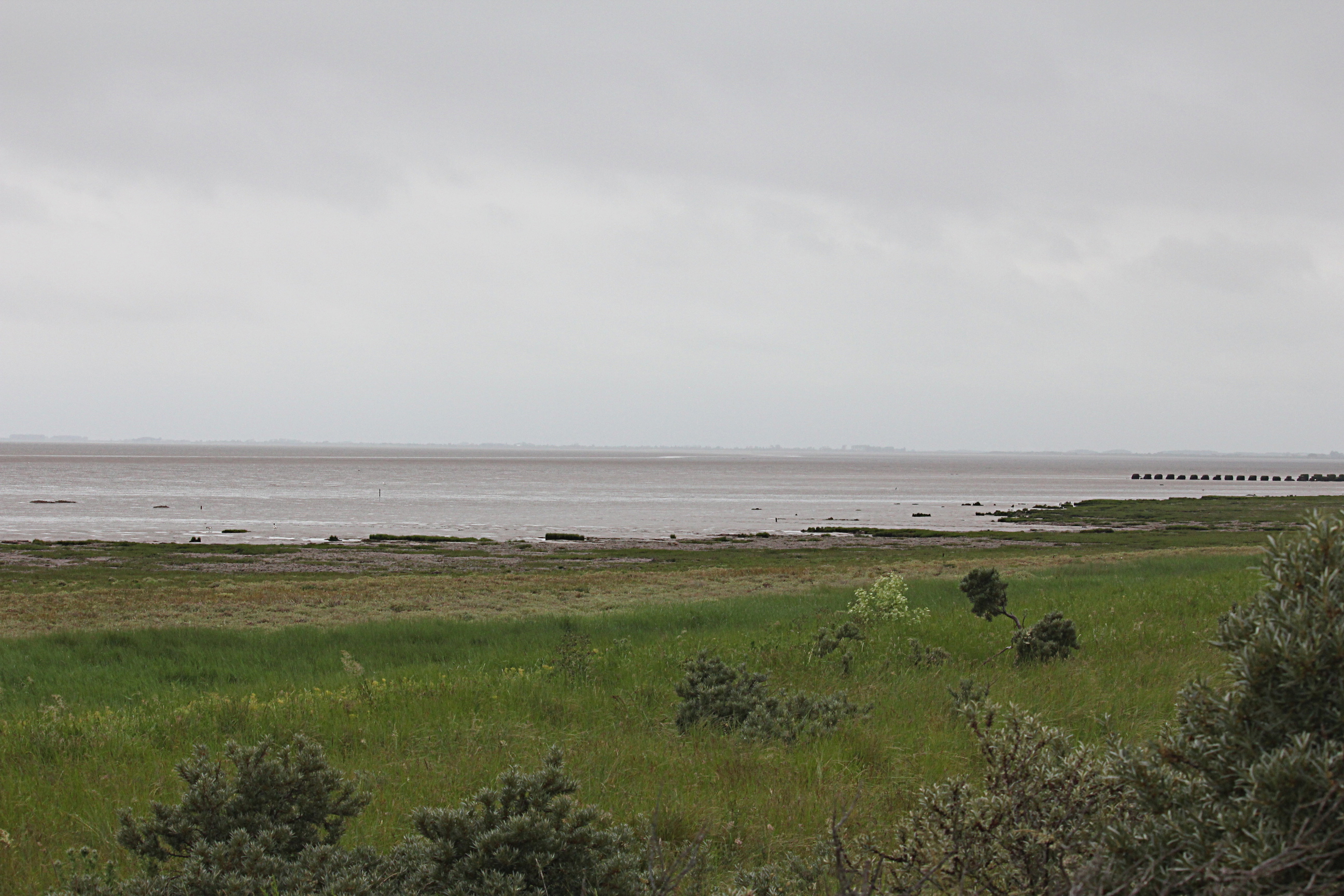
Out of all of the observatories on offer I decided to choose Spurn for many reasons. I regularly read and hear a lot of positive things about the observatory, whether that be sightings on social media or accounts from NGB’s (Next Generation Birder’s) therefore I wanted to go and have a taster for myself. Spurn is located on the East Coast, around 30 miles from Hull and not far from Kilnsea. The base for the bird obs, where the visitor centre, Warren Cottage and other buildings are, is situated 3 miles from the end of the spit (Spurn Point). Overall the obs consists of a number of habitats from the nearby wetlands in Kilnsea and canal scrape to the chalk bank and mudflats along the spit and Humber Estuary.

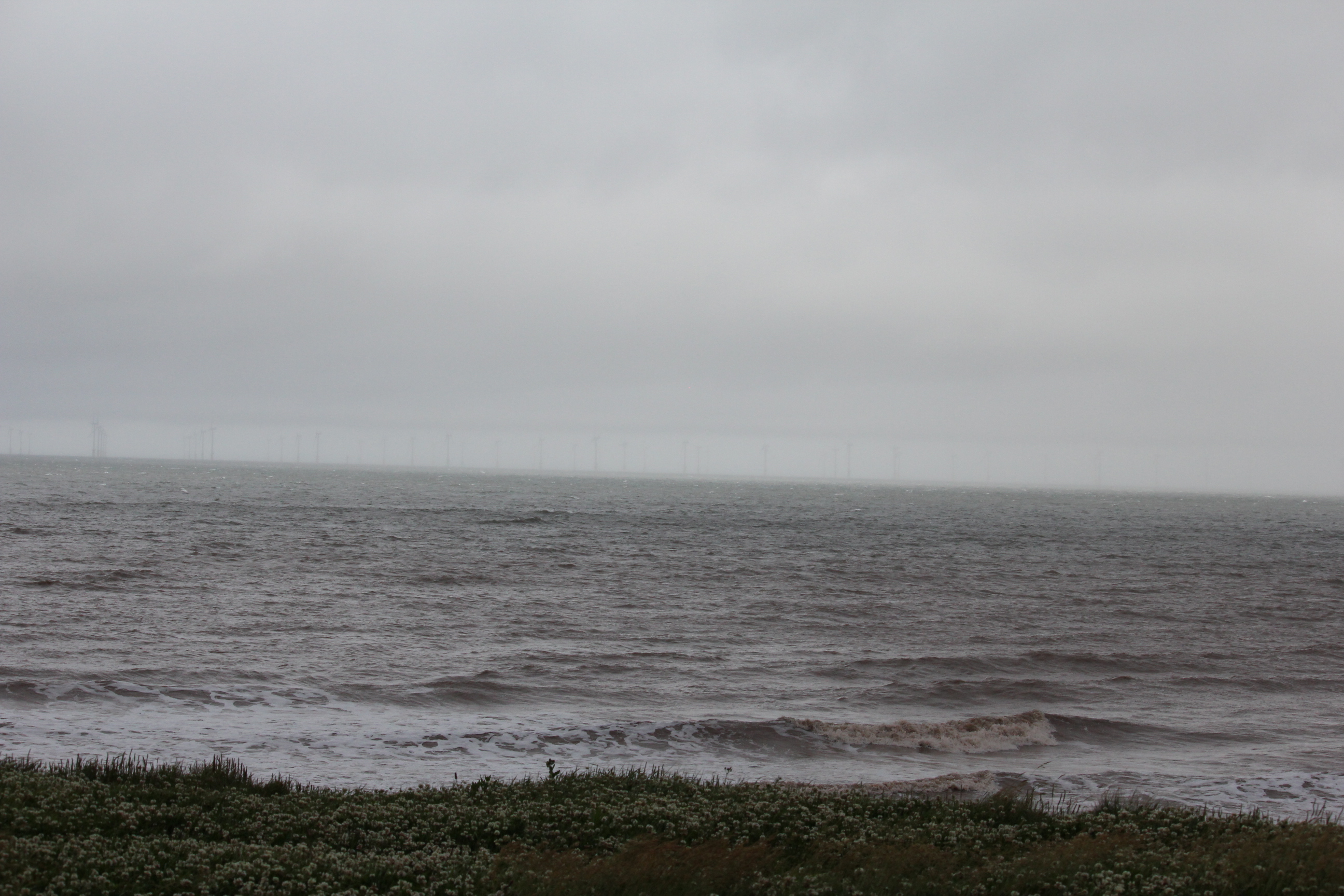
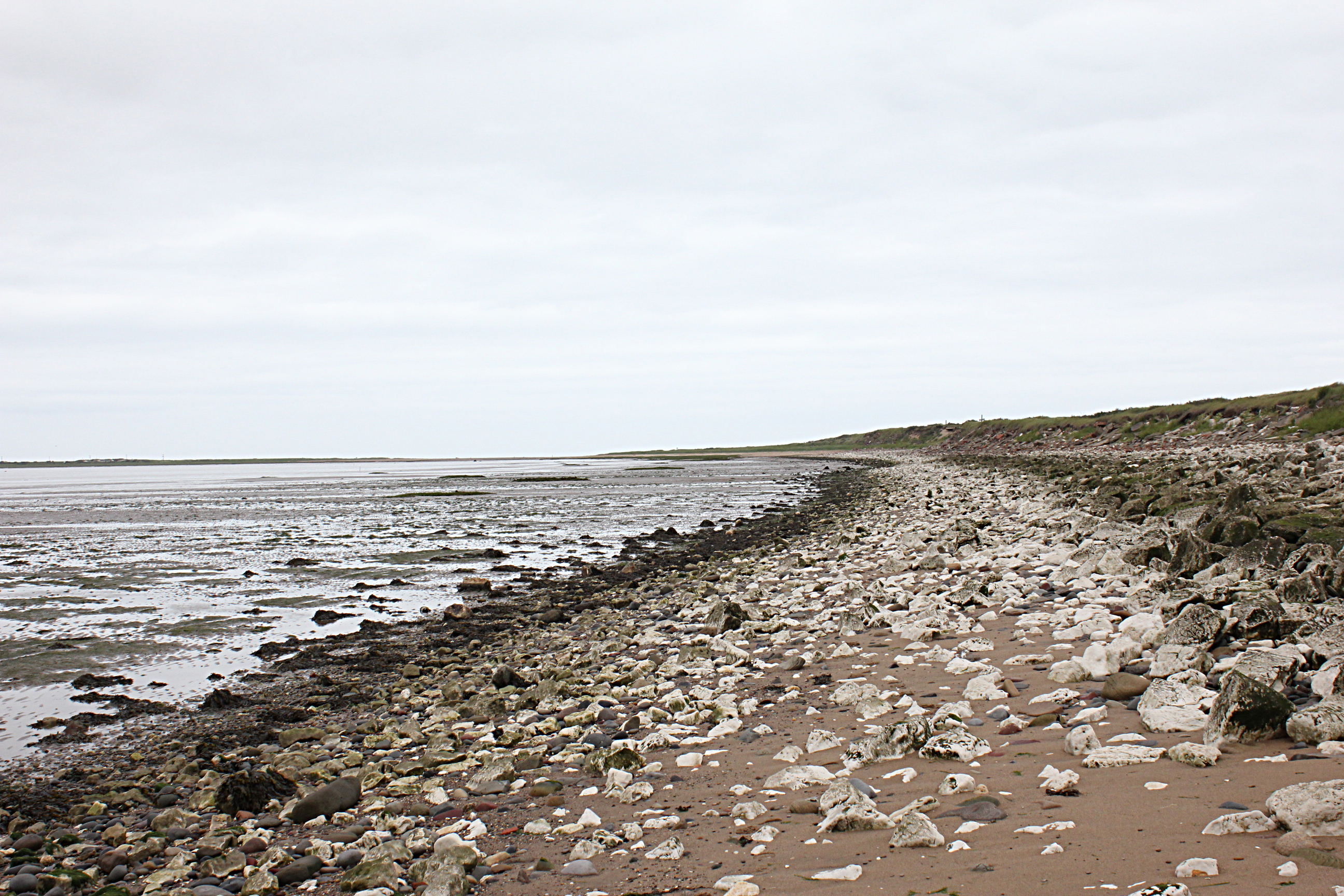
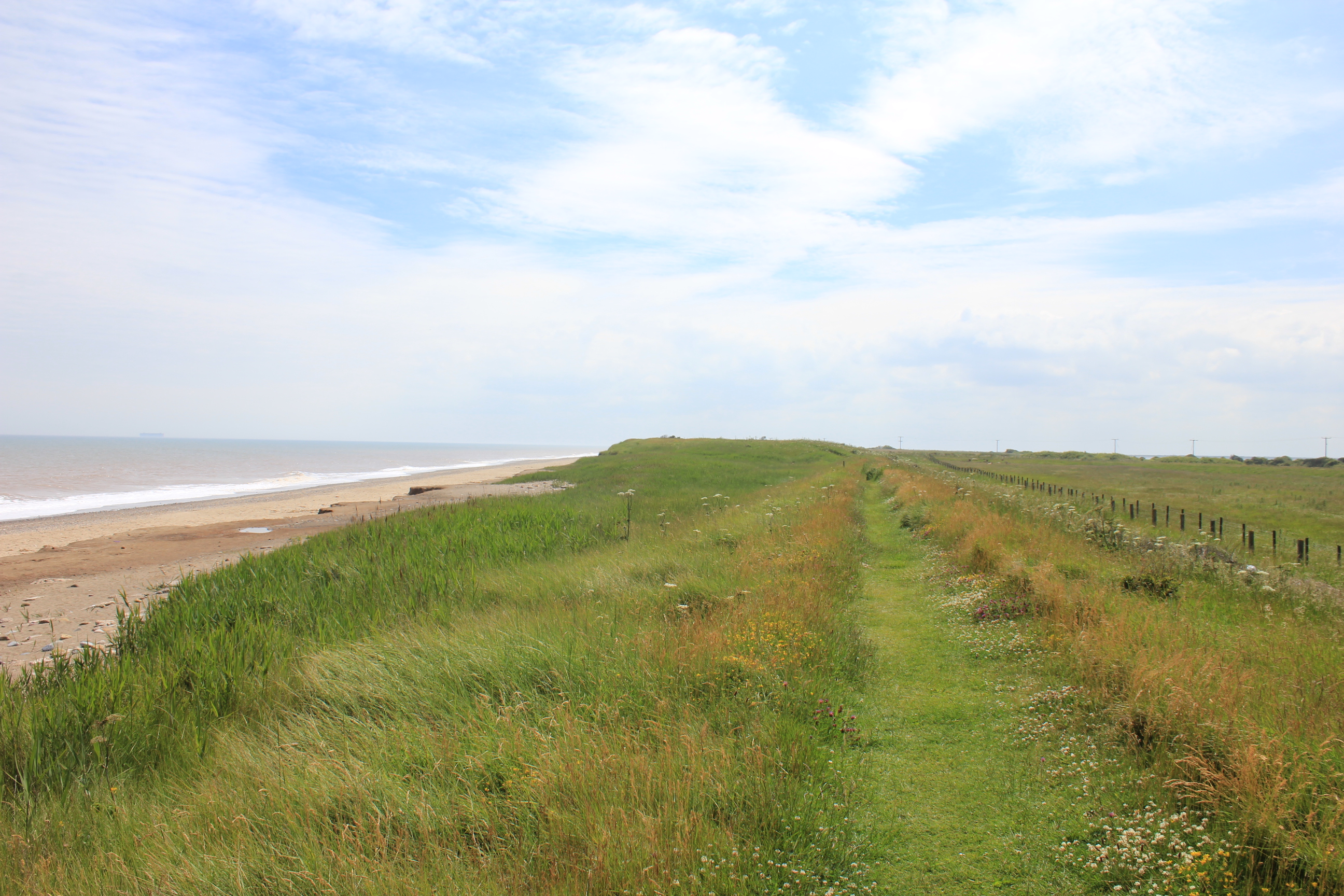
When I finally arrived after about 4 hours of catching 4 trains, a bus and getting a lift to Spurn, the weather wasn’t the best so I spent a few hours settling in and went for a walk down the beach and along the estuary to see what the place was like and if I could see anything. Even though I had a good walk I didn’t see much and as you can see from the photo below it was very dull. However I did see about three seals and a few oyster catchers.

IMG_9133


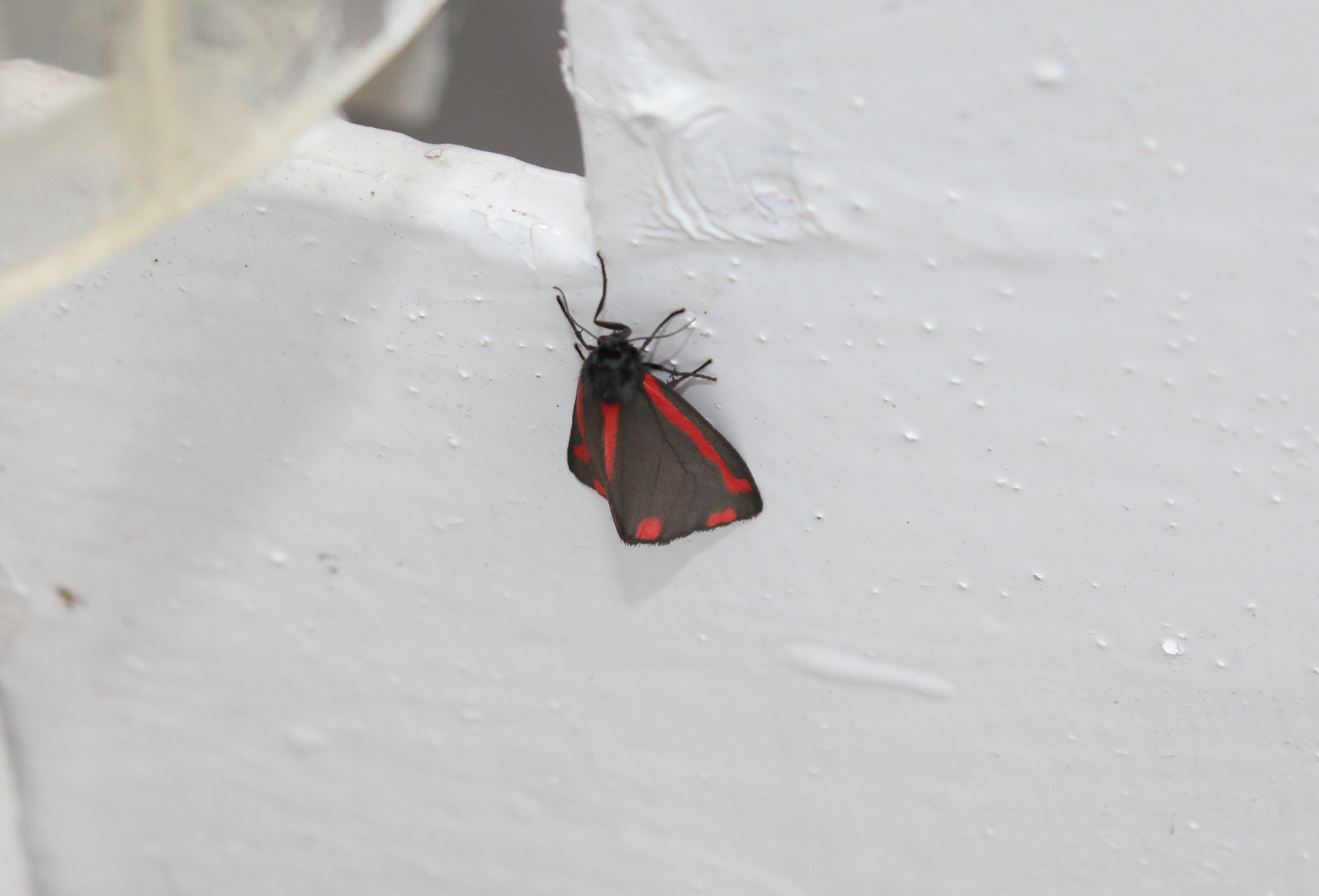
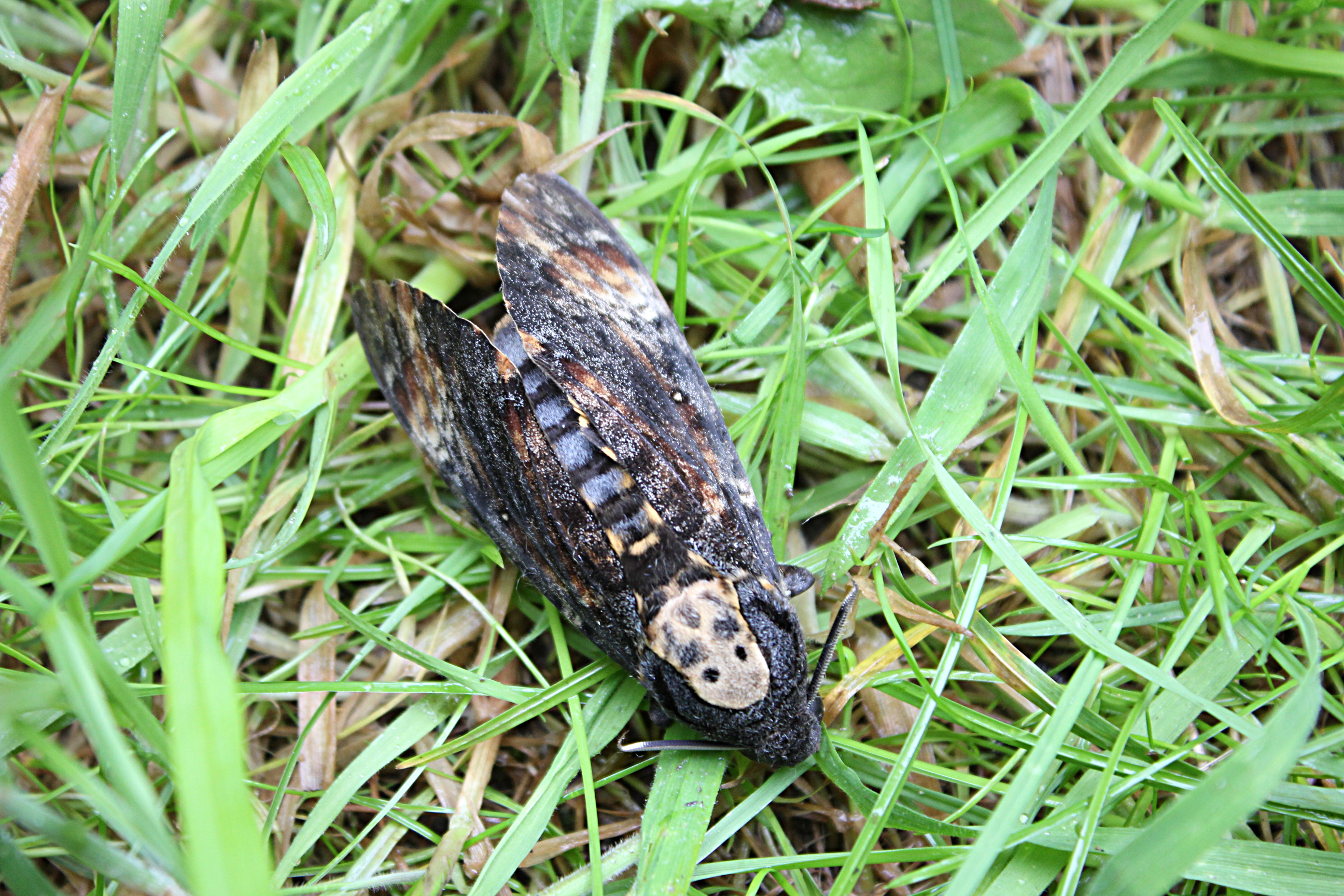
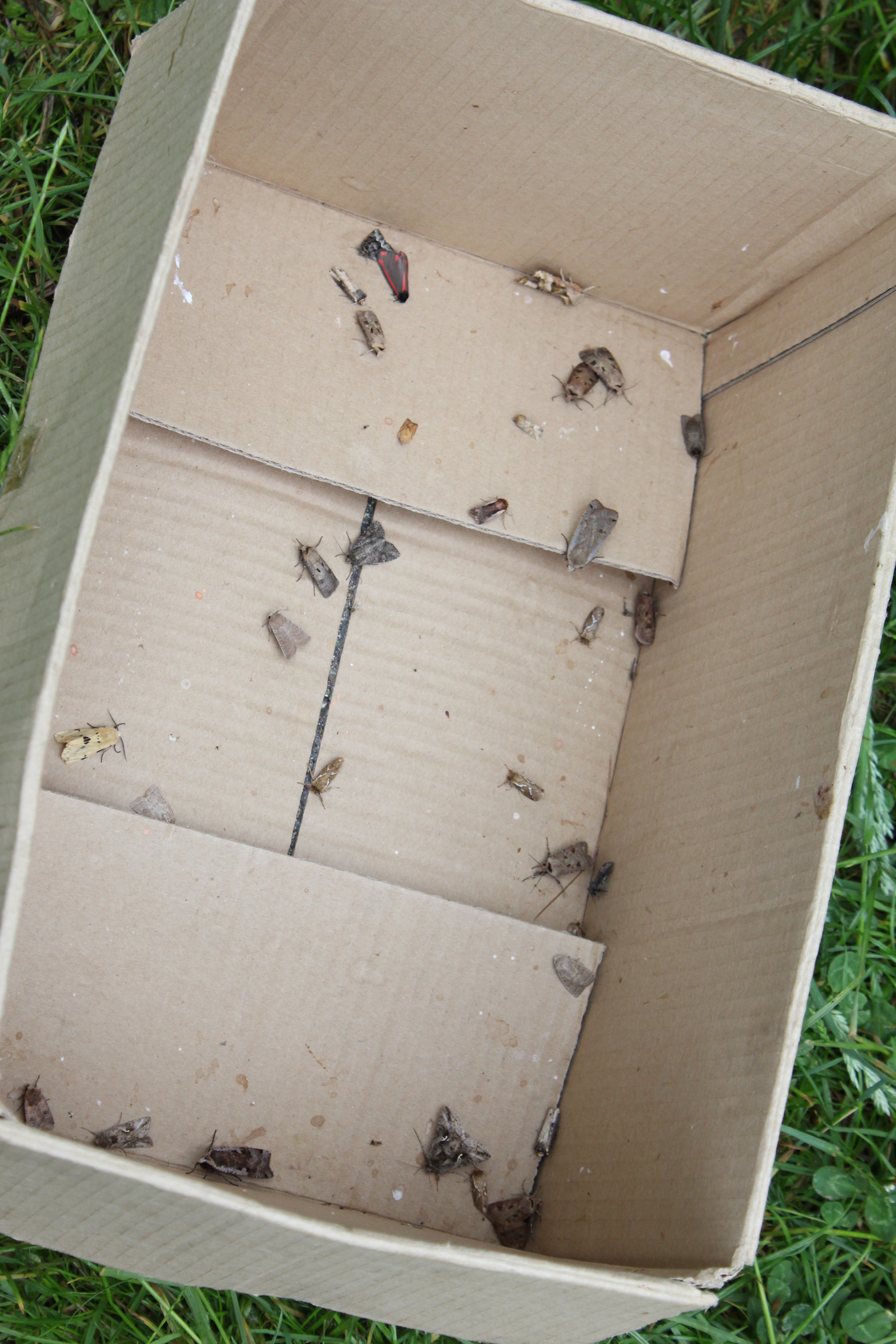
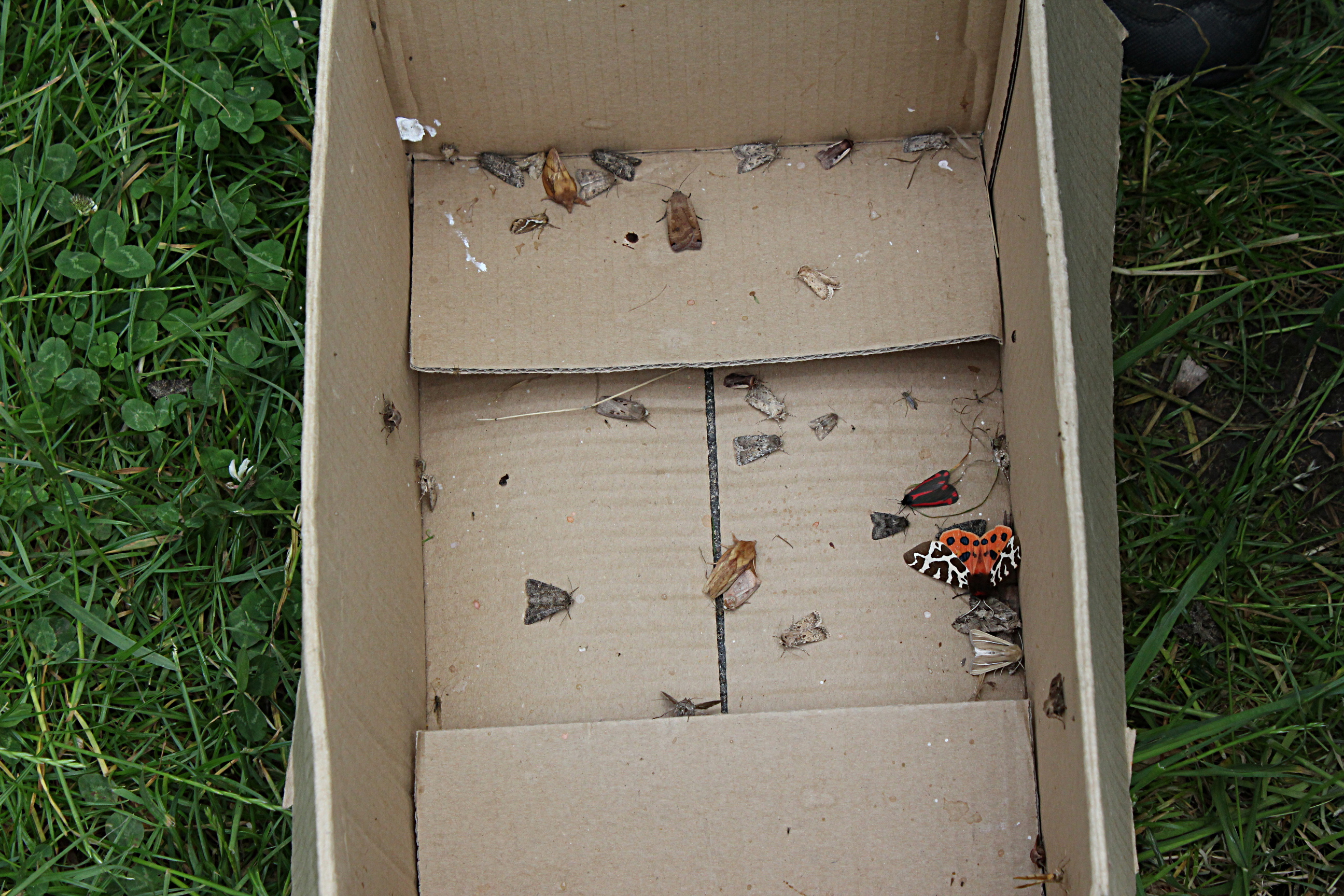
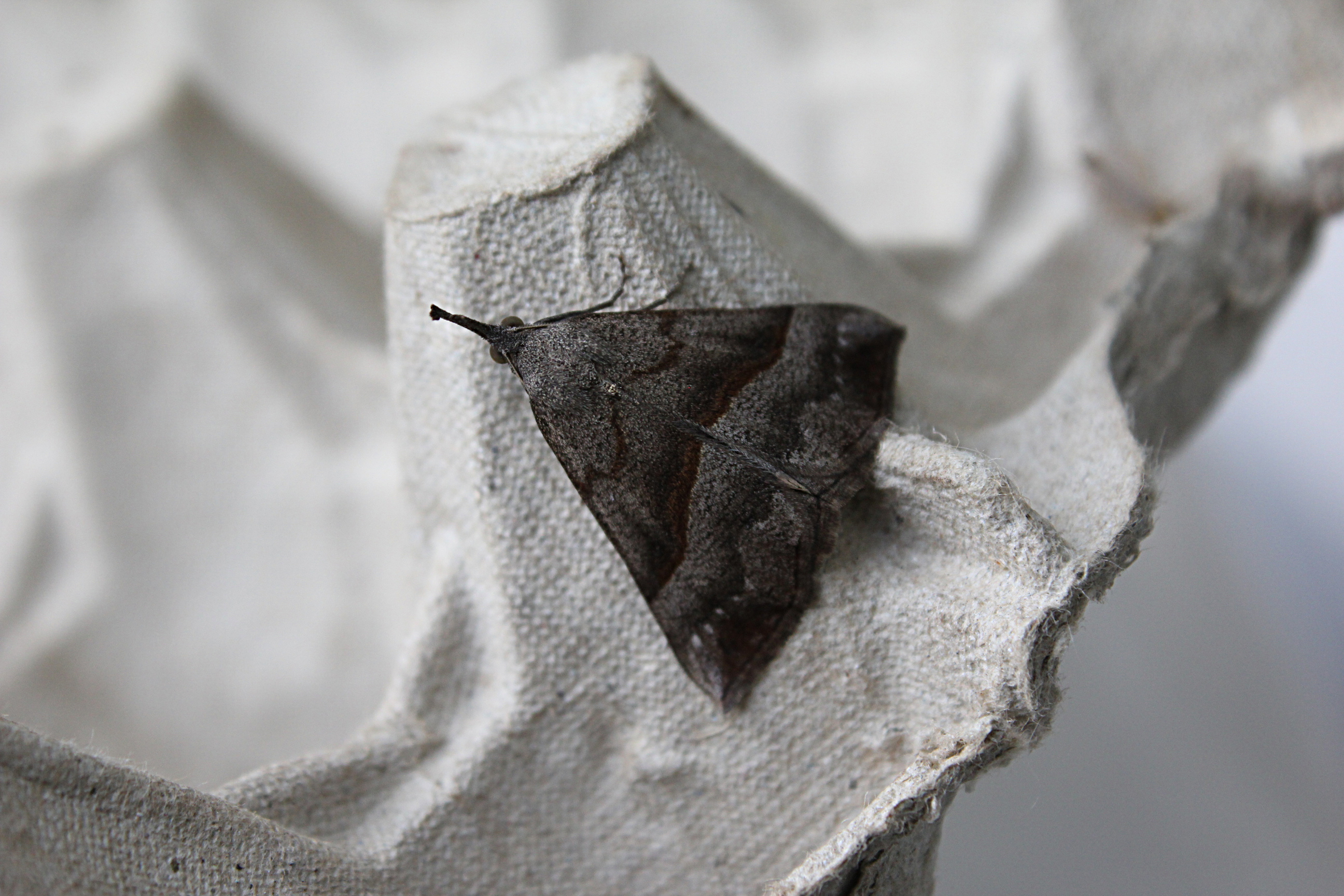
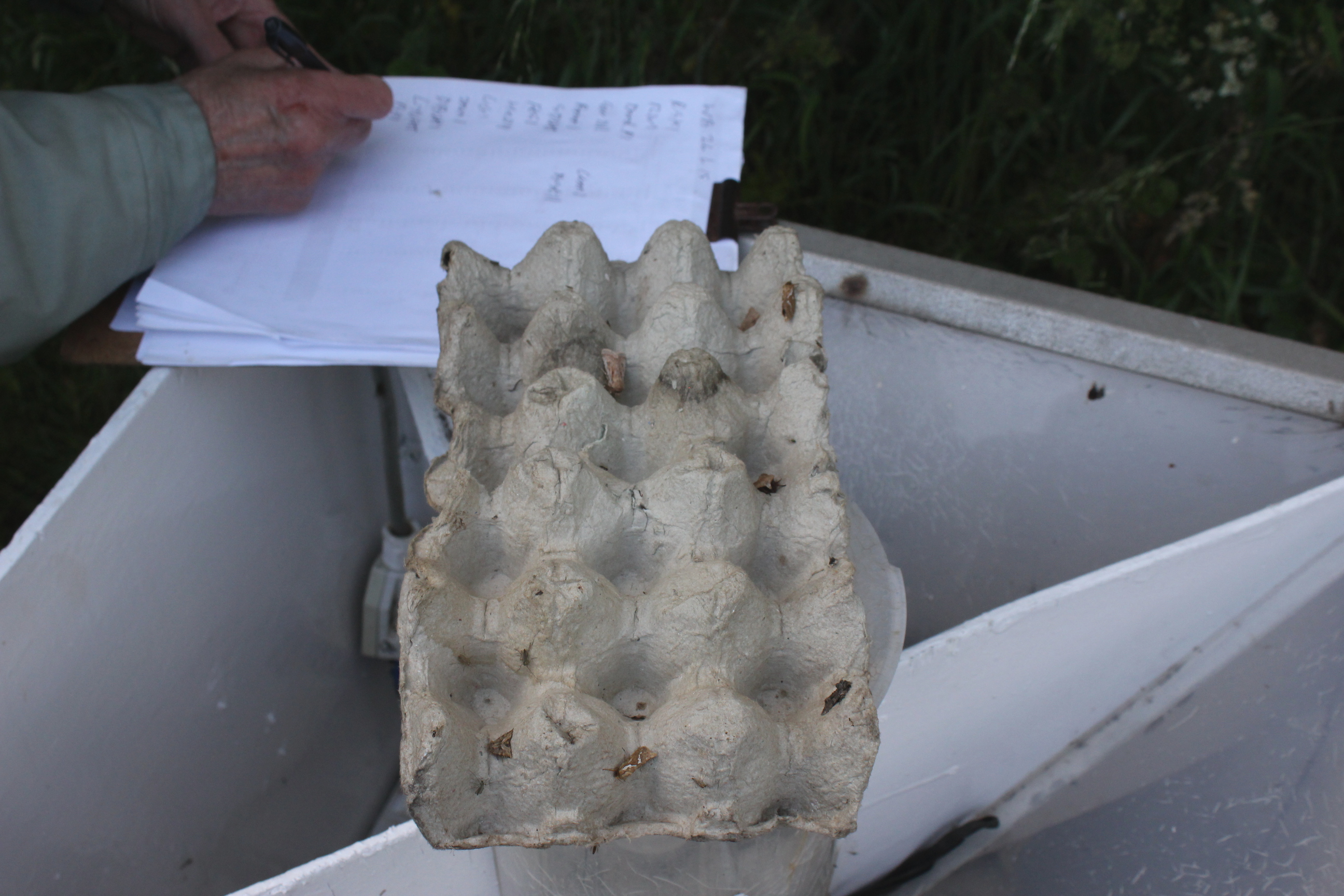
The next morning I was up nice and early as the warden, Paul, had told me about Barry who comes every morning to have look in the moth traps. In the past I have done a few home-made moth traps but they’ve never worked very well so to see the variety they got was amazing! I was also shown a deaths head hawk moth, unfortunately it had been found dead but it was great to see and have a look at its markings.

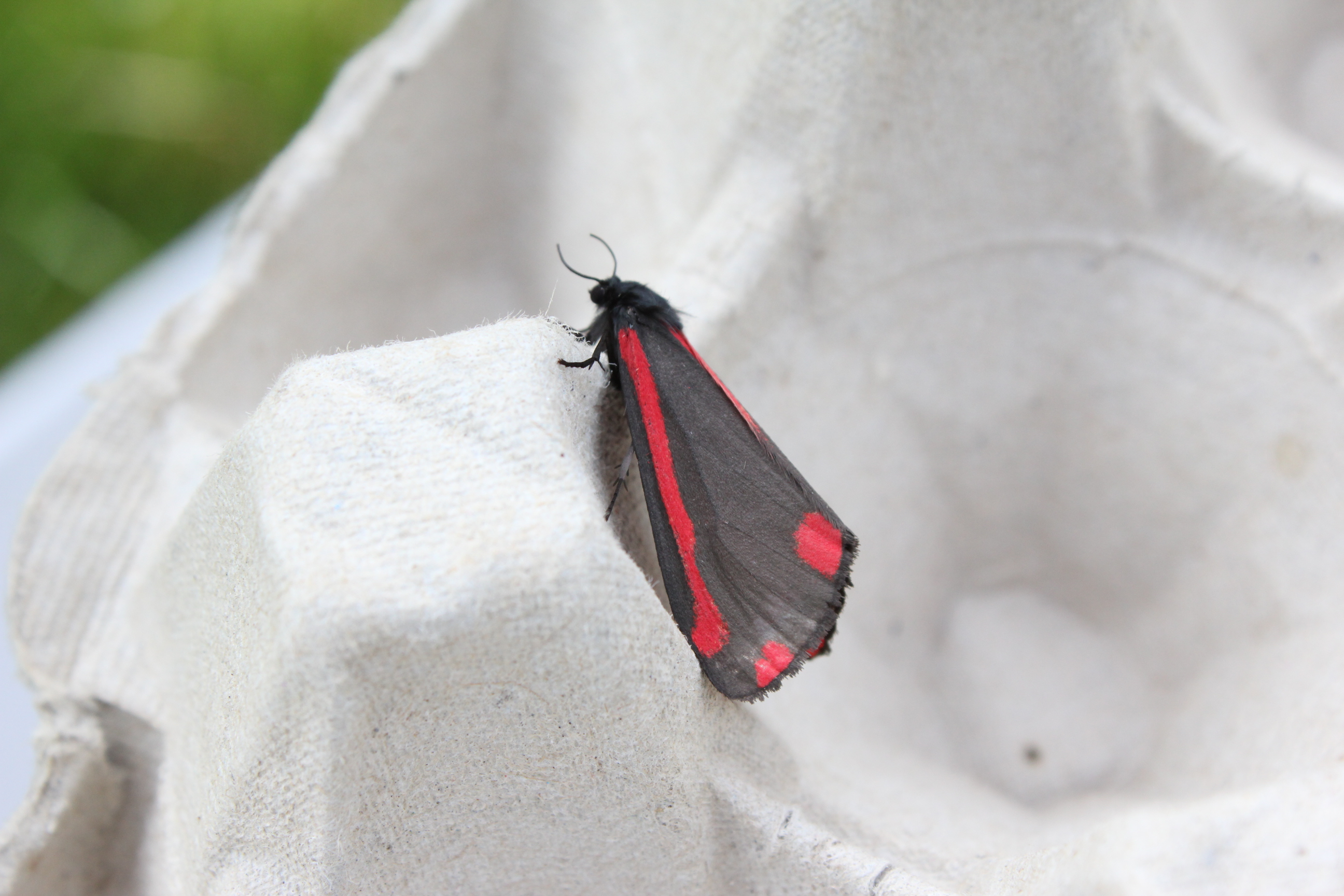
cinnabarM

deathheadmoth

IMG_9230


I was told the traps  hadn’t been that good as the weather still hadn’t picked up but I was amazed and looking forward to what else will be caught throughout the week.

After emptying the traps I went to have some breakfast whilst I stood looking over the river Humber and the mud flats there. At this time of the year there aren’t many wading birds a part from those few just coming back from breeding. Due to this I only saw a few oyster catchers but I did see a roe deer acting quite strange.  I watched it walk along some of the boggy area then it bolted for the Humber estuary, straight across the mud. When it reached the river it stopped dead then started walking along the river line. I’m told there is a plant or a type of weed that it was most likely looking for.

roe

roe2


Before I went venturing off again I decided to go and have a sit in the Sea Watch hide where I met two other birders from Spurn, Ian and Steve. As it was a Northerly wind there was quite a few sea birds passing which would of been heading to the colonies further North, most likely places like Bempton Cliffs. Some of the birds include manx shearwater, gannets, red throated diver, puffins, guillemots, razorbills, auks, sandwich turns and a few others. After a couple of hours it died down a bit so I went off to the wetlands at Kilnsea. I’d managed to borrow a bike from the obs which made my adventures nearby endless! I was quite surprised by the use of land in the area. A lot of it was meadows and areas just left for the wildlife, very different to where I live where most of the land is used for farming. The area was extremely wild which was fantastic, there was lots of people enjoying the nearby area but not many cars about on the road.

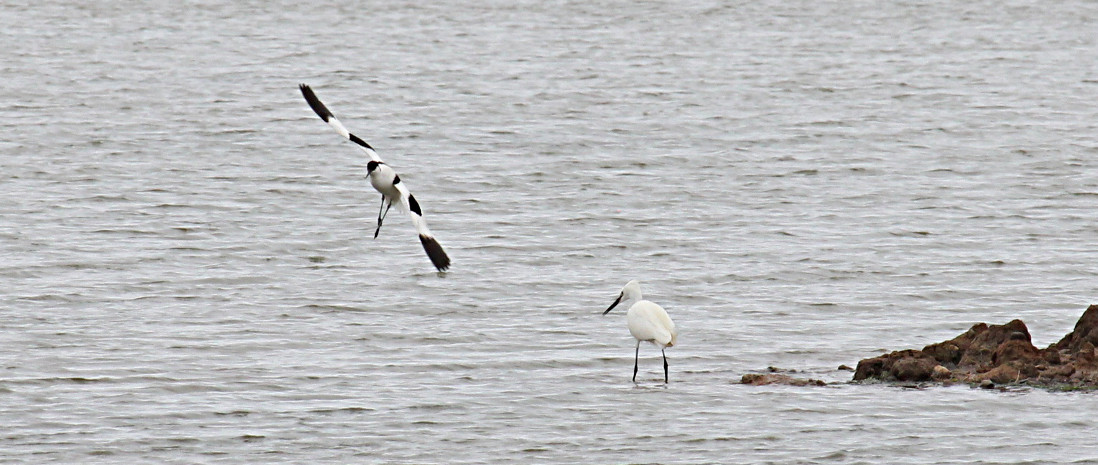
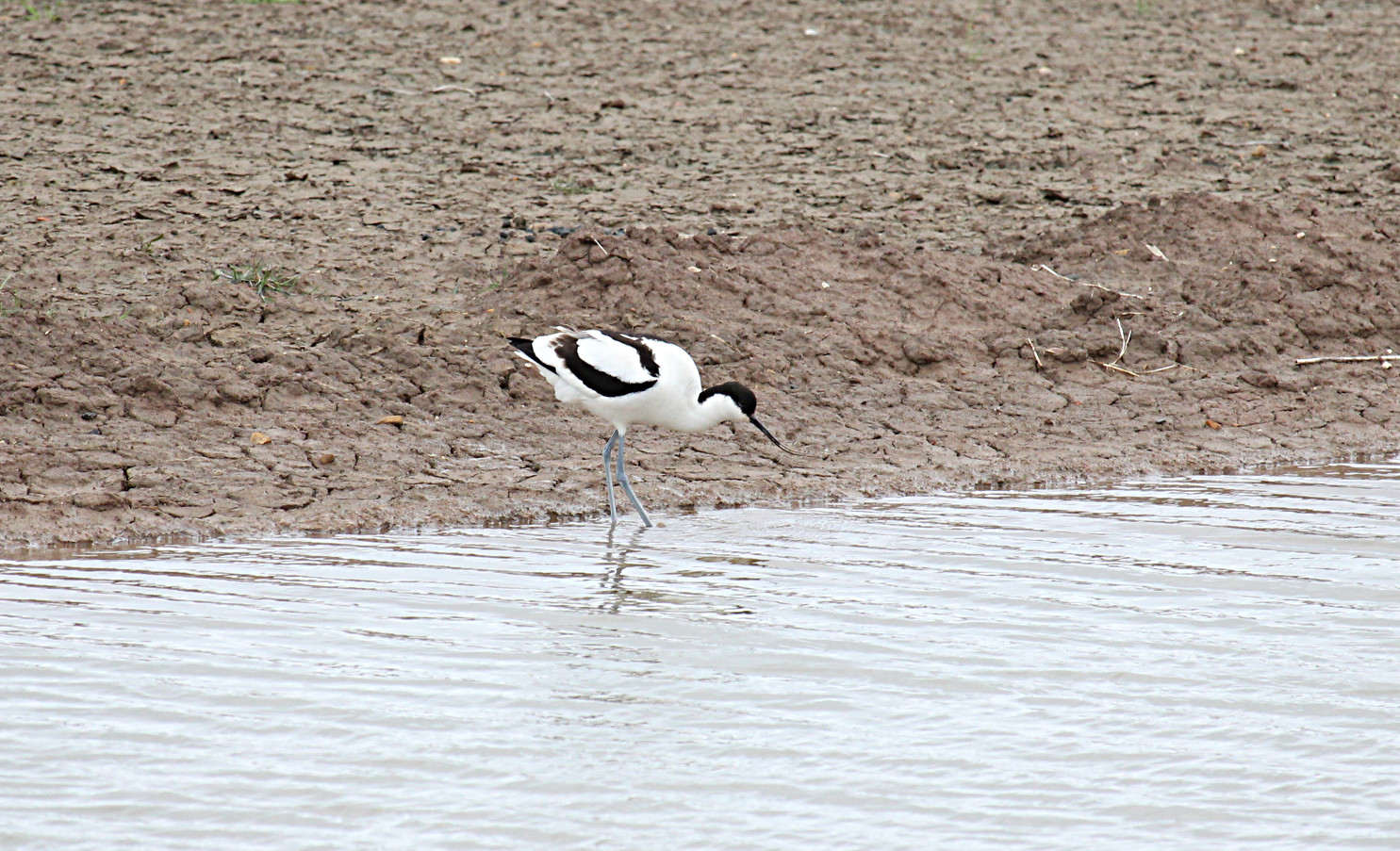
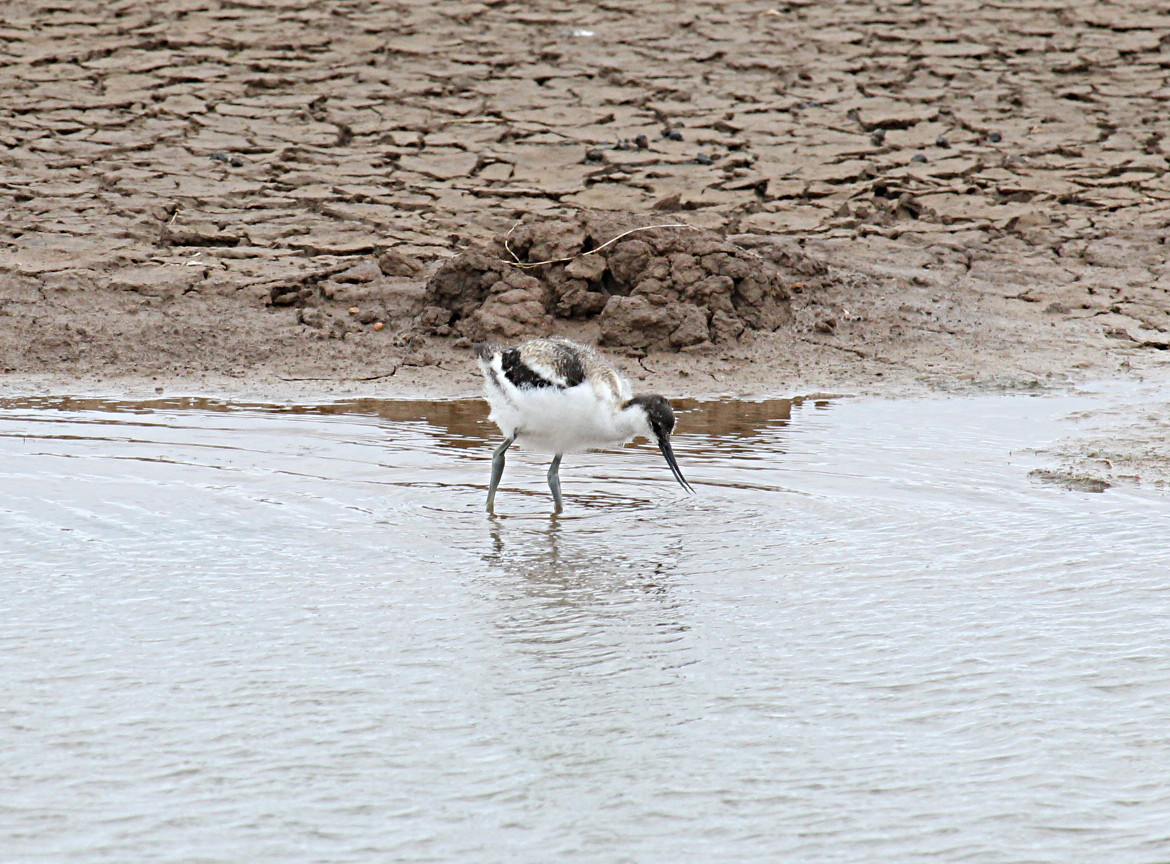
Whilst at the canal scrape and Kilnsea wetlands I saw some shelducks, little egrets and lots of avocets with chicks. Below are some of the photos I got.

IMG_9249

IMG_9299

IMG_9301

IMG_9354

IMG_9373

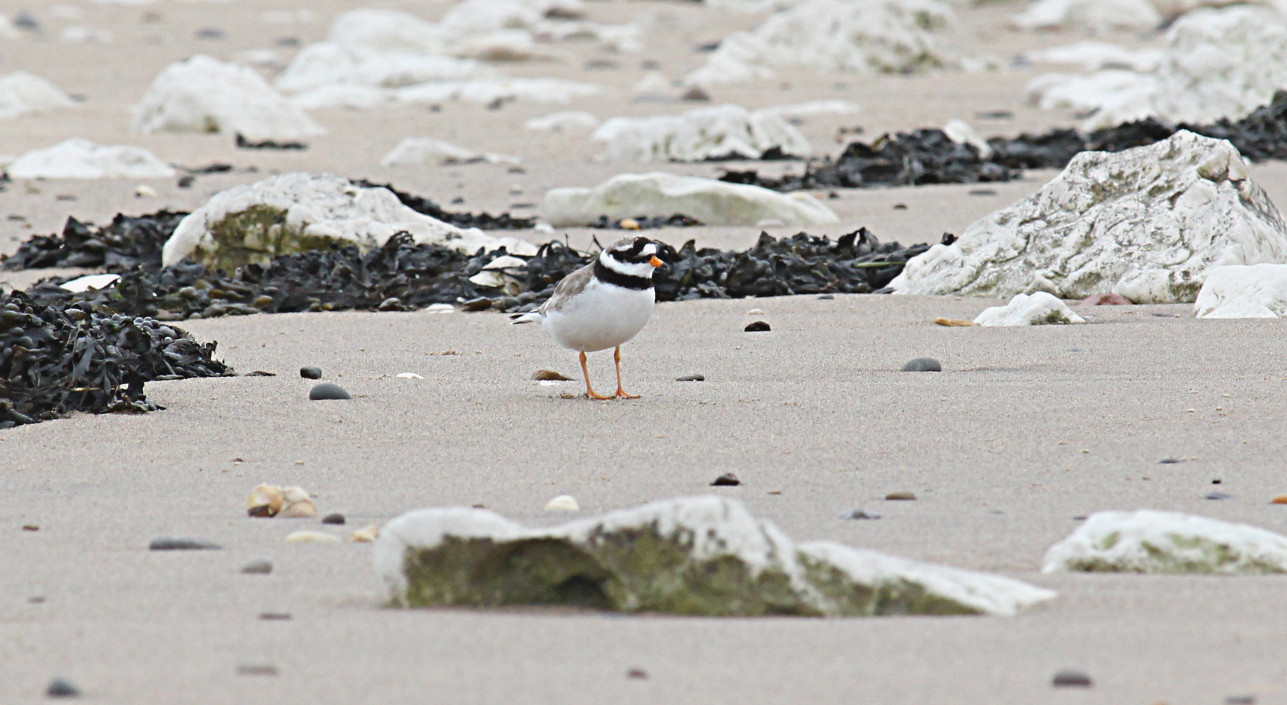
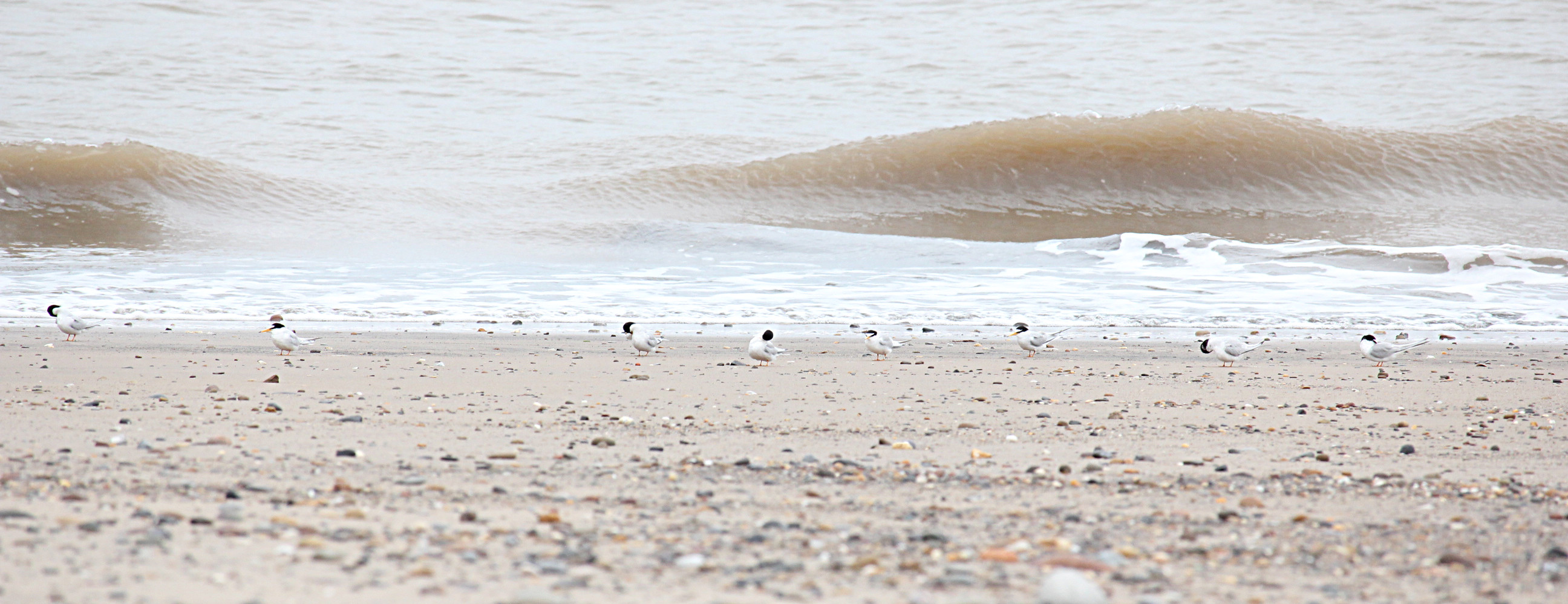
Once back at the obs I was eager to do some more exploring so I made my way down to Spurn point. For those who know me well I really enjoy walking but walking along the sand here was quite a trek. It felt you took one step and went back three! However the walk down to Spurn was enjoyable, I saw about 10 knot, 12 little terns, ringed plover and a kestrel.

IMG_9445

IMG_9453

IMG_9467

IMG_9523

IMG_9648

landscape1

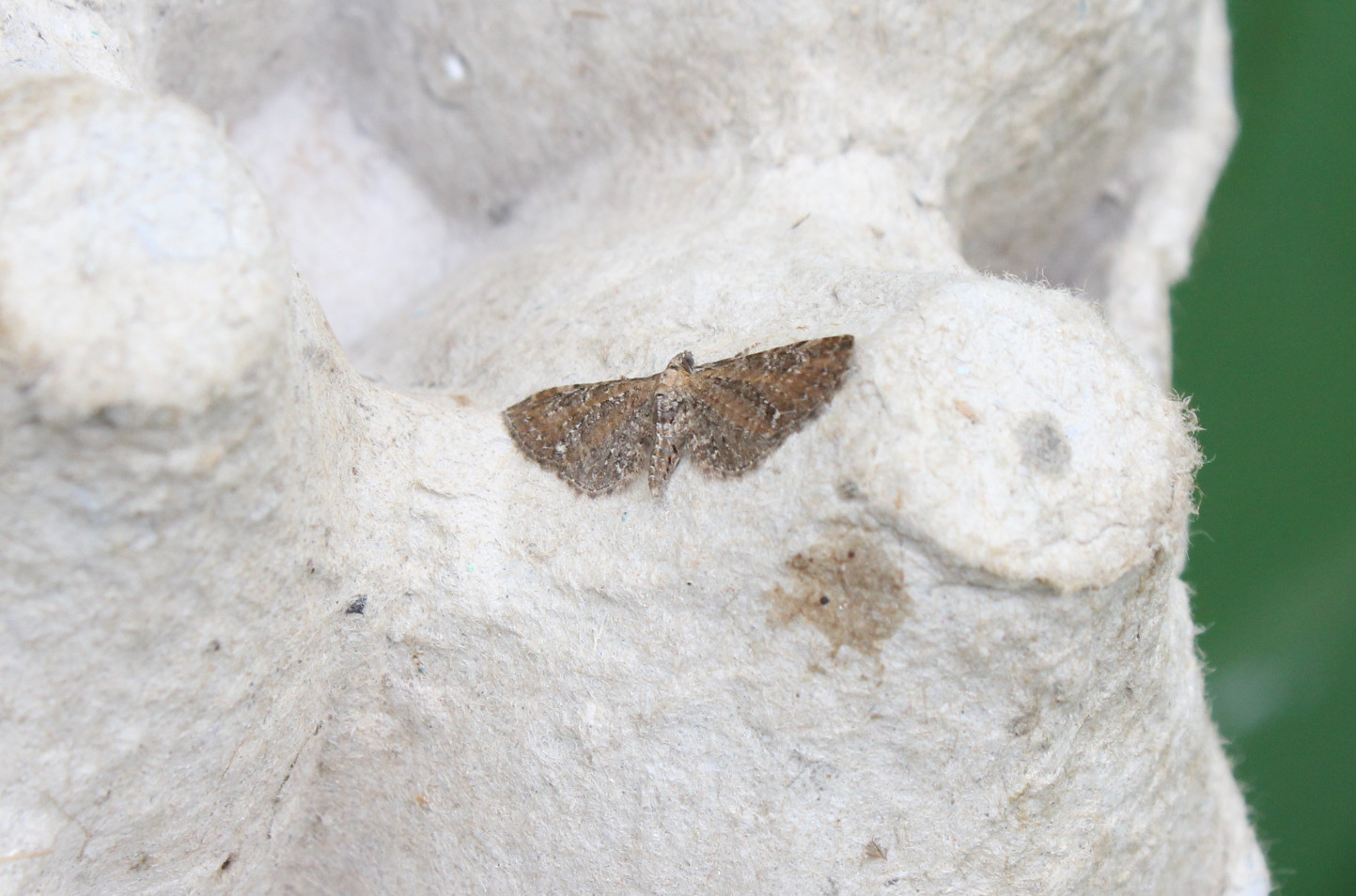
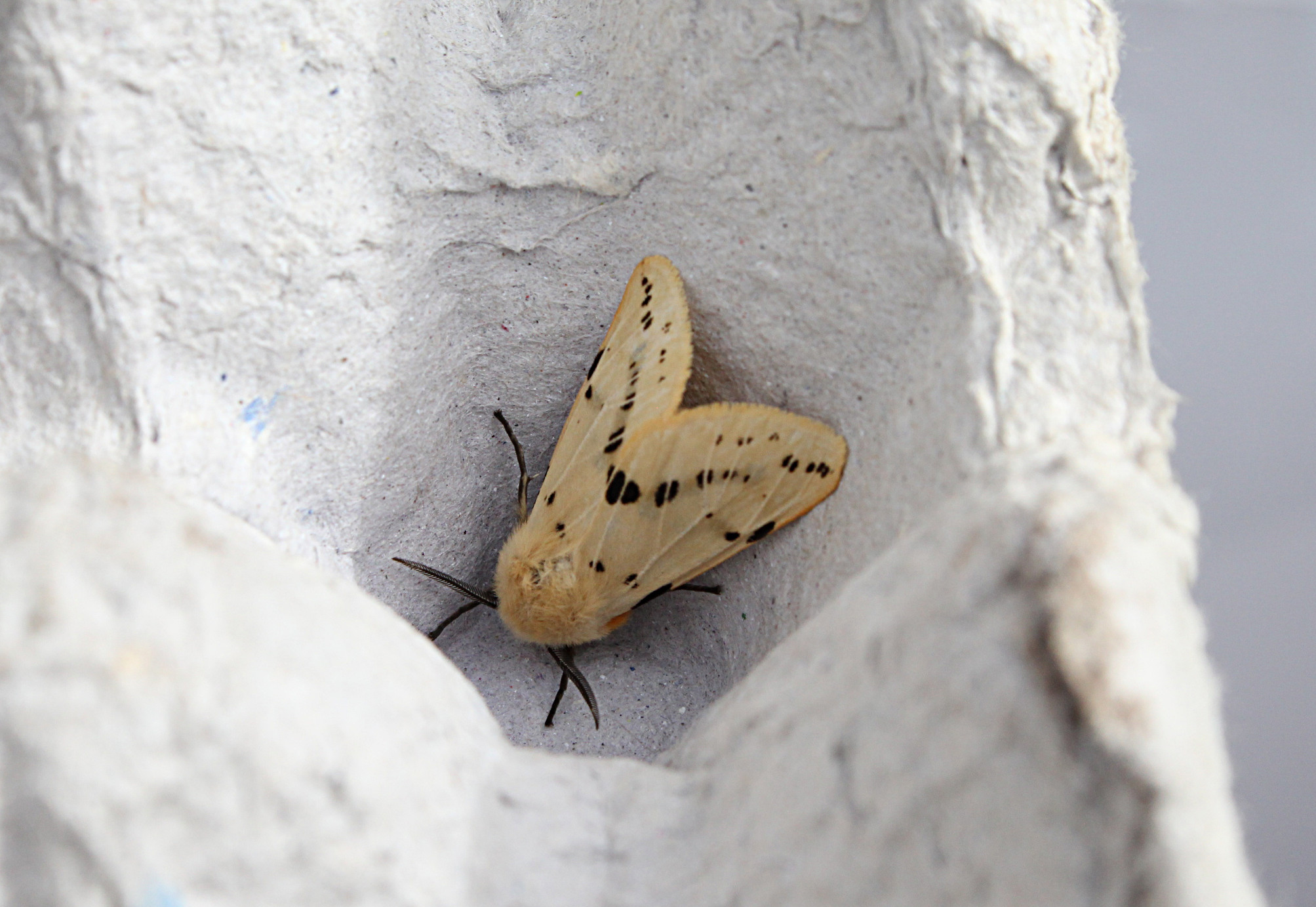
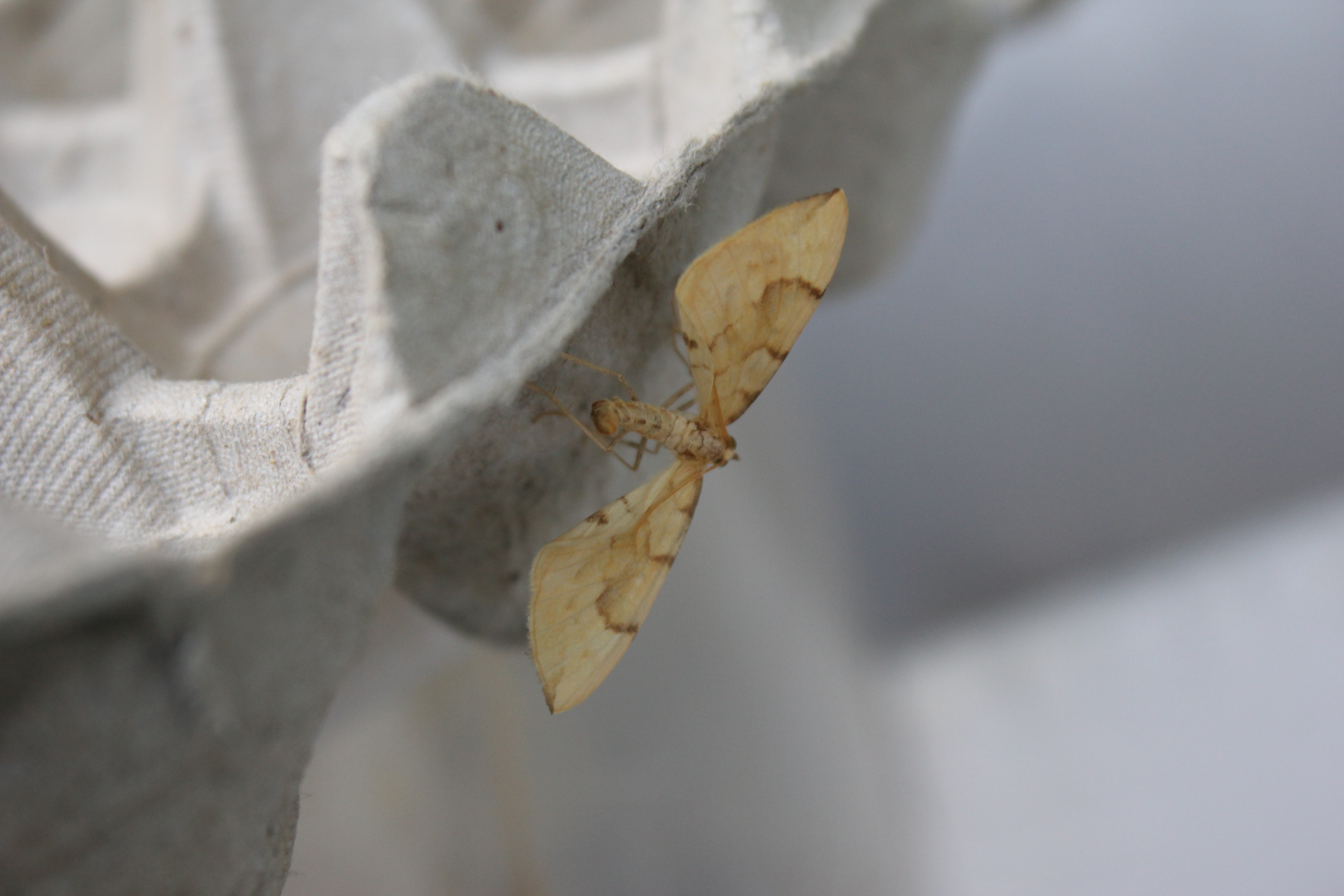
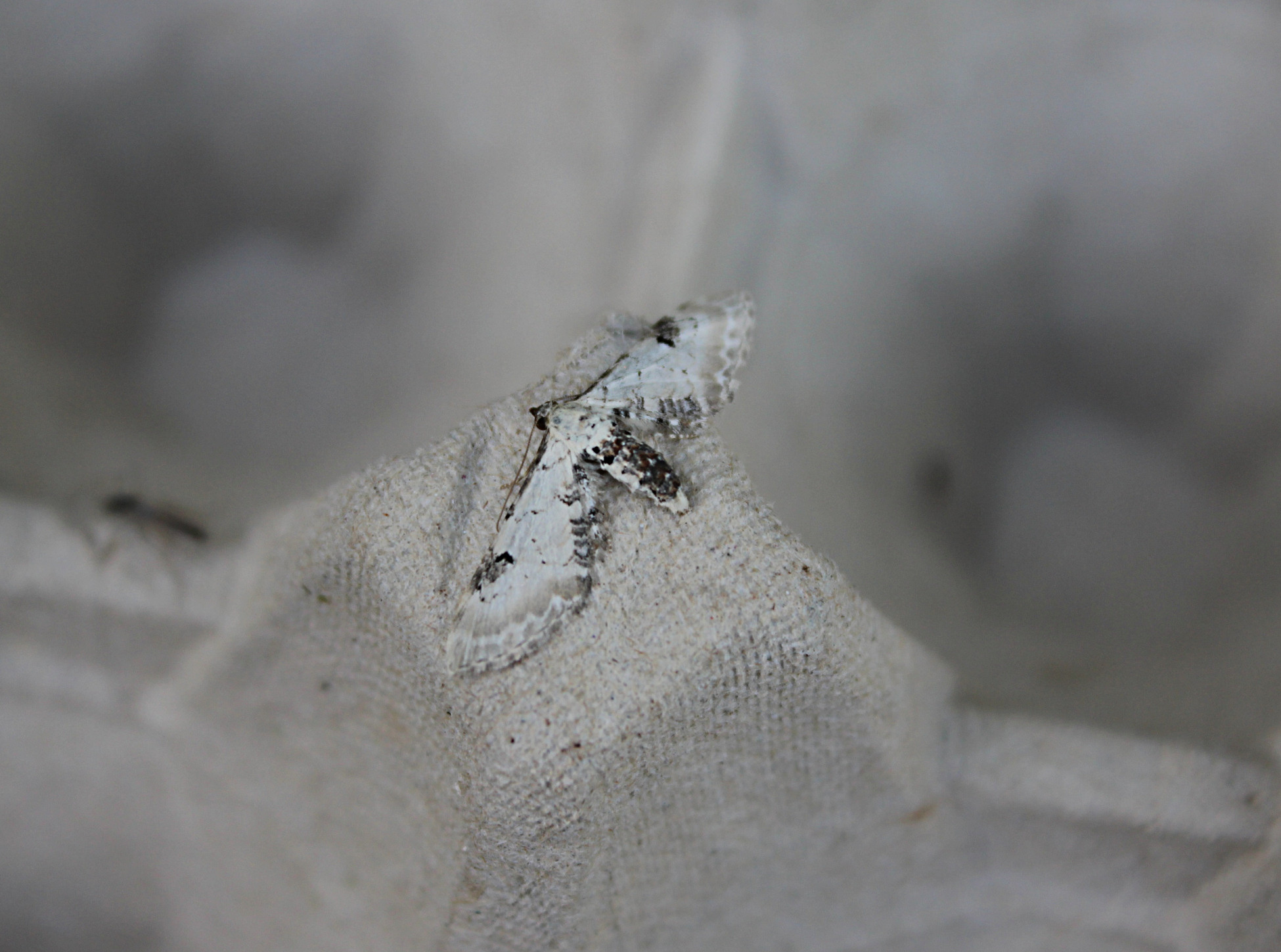
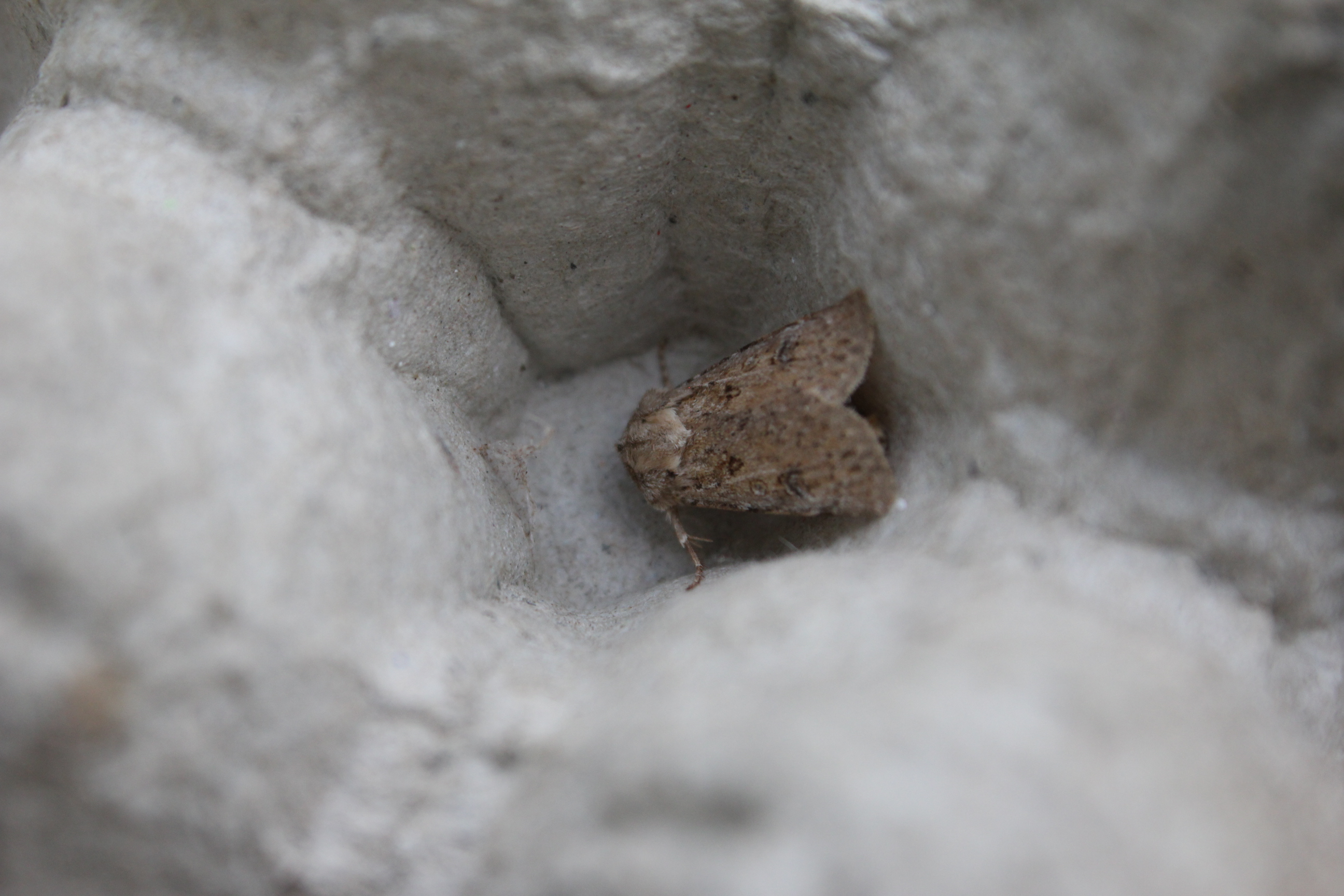
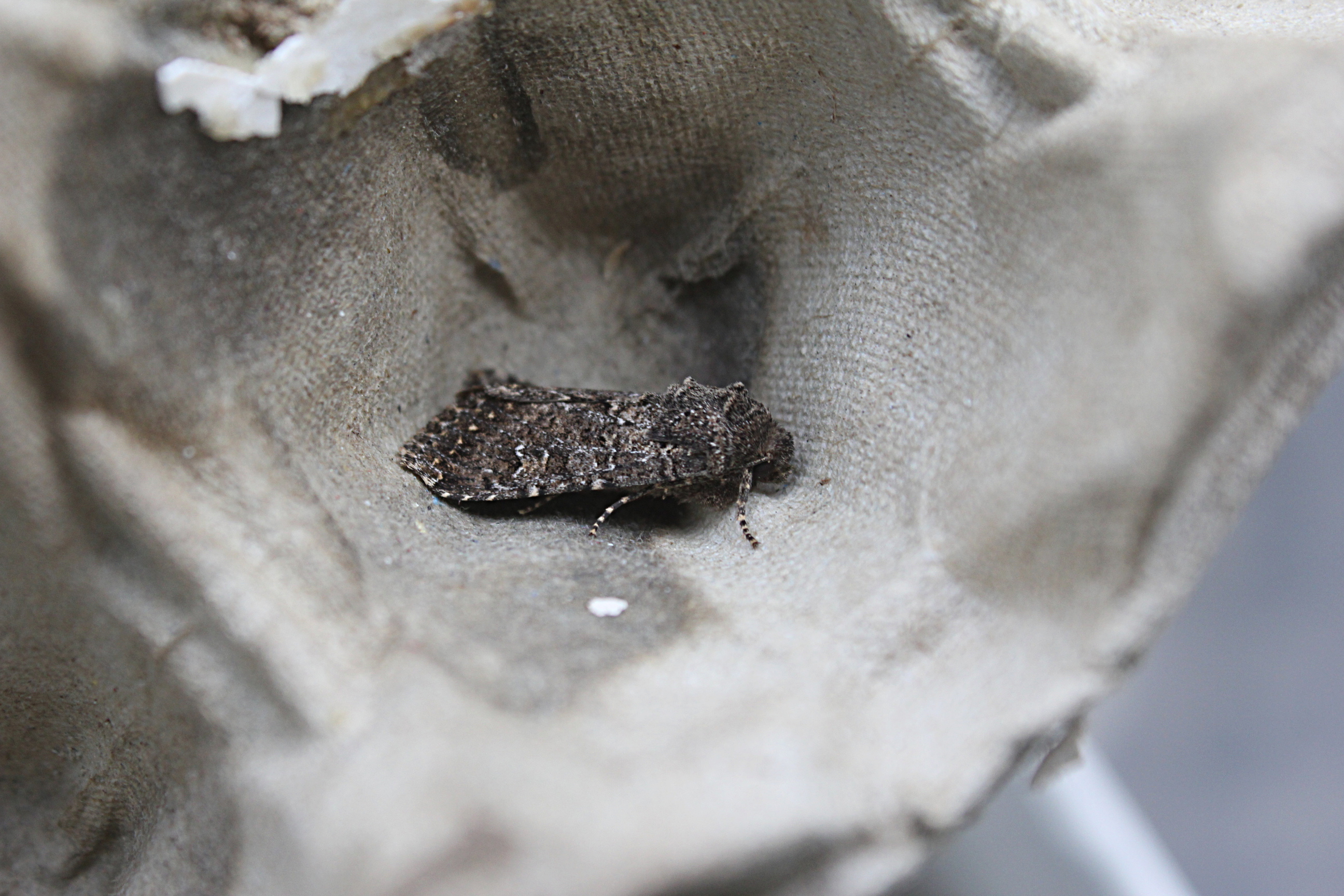
On Wednesday morning it was another early start to see the moths again. As the weather had started to perk there were a few more species. Quite a few of the moths at Spurn are Spurn specials, migrants or rare. In fact, I was told that in the past they have had a few first for Britain which sounded very exciting!

cinnabar moth

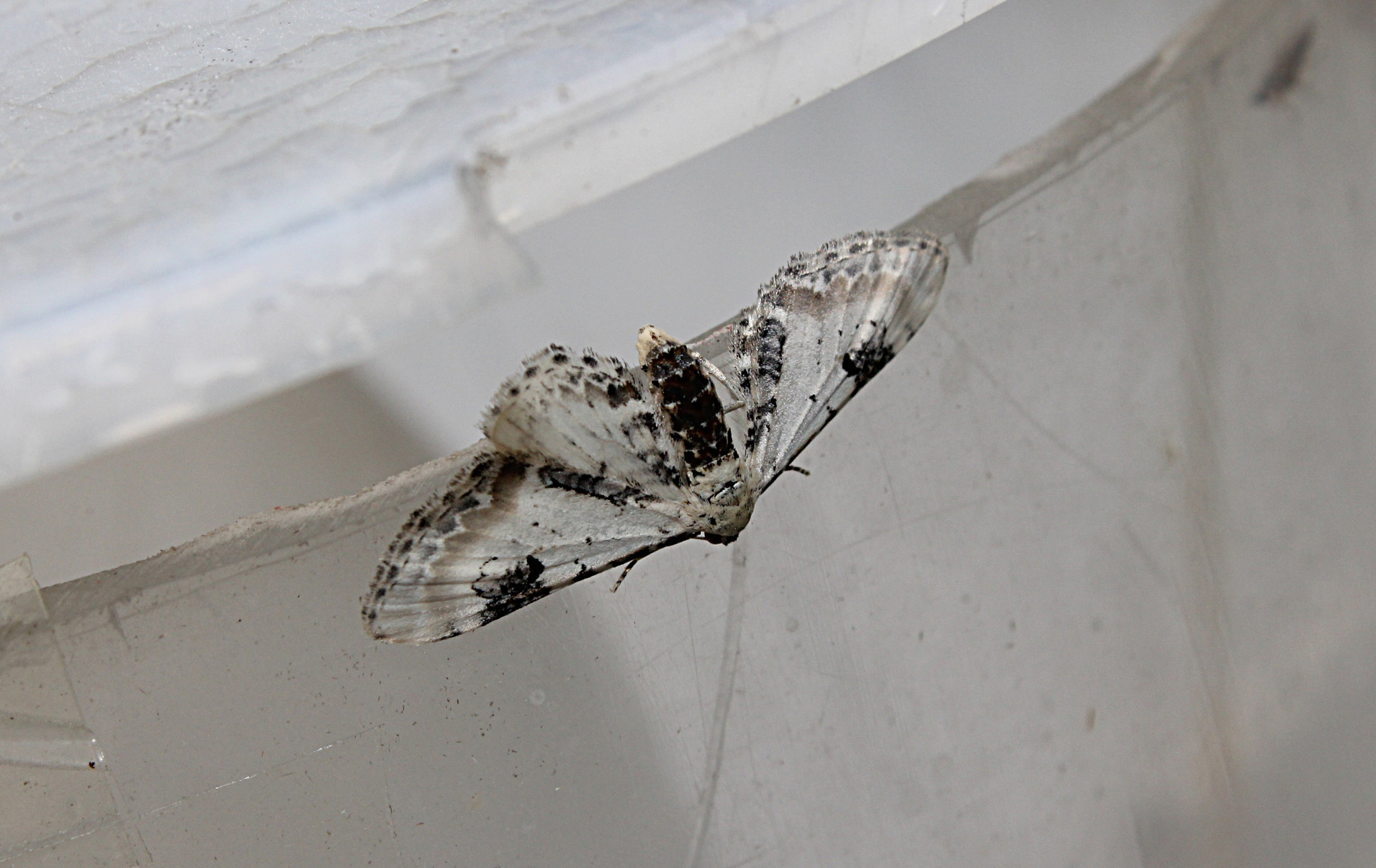
common pug

IMG_9843

IMG_9845

IMG_9847

IMG_9853

IMG_9854

IMG_9855

IMG_9860

IMG_9863

IMG_9865

IMG_9868

Small elephant hawk moth

As the wind was blowing more southerly today, eyes were set to the sky to count passing swifts. The first year swifts (born last year) don’t actually breed. There isn’t really much of an idea of what happens to them but it is thought that they circle round, maybe just Britain or maybe more of Europe. The reason why they’re not too sure is because they haven’t been able to attach a satellite small enough to a swift to monitor its activities. Overall on Wednesday I think there was only about 160, I may be wrong but there wasn’t that many. Whilst we were watching out for the swifts I also saw lots of sky larks, tufted ducks flying past, little egrets, a jay and a yellow legged gull.

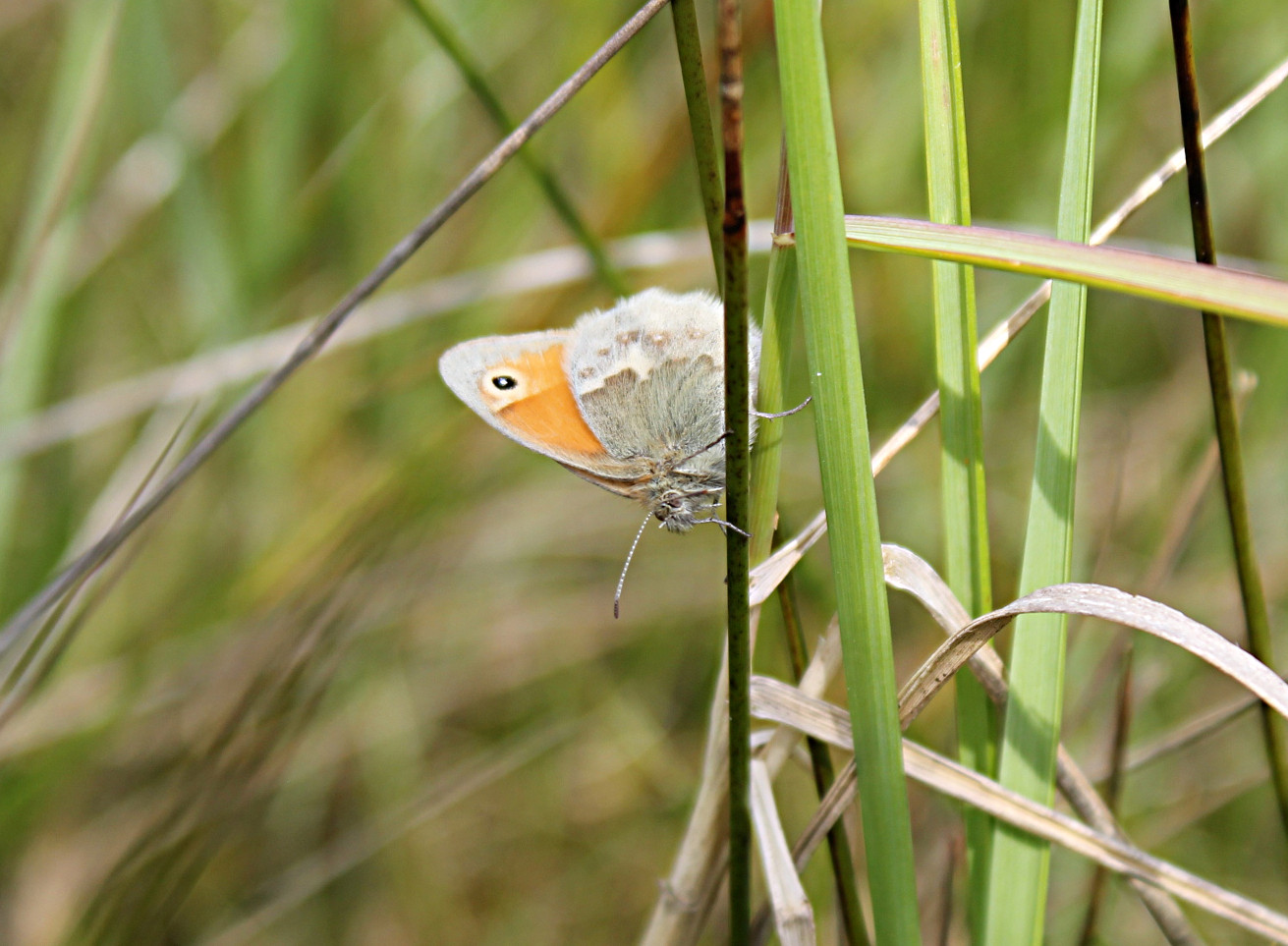
When the swifts slowed down and there wasn’t that many passing through I decided to go for a walk along the canal area as it had really brightened up. There were lots of butterflies about including lots of meadow brown, small heath, common blue and silver Y which is actually a day flying moth.

IMG_9901

IMG_9966

small heath

IMG_0005

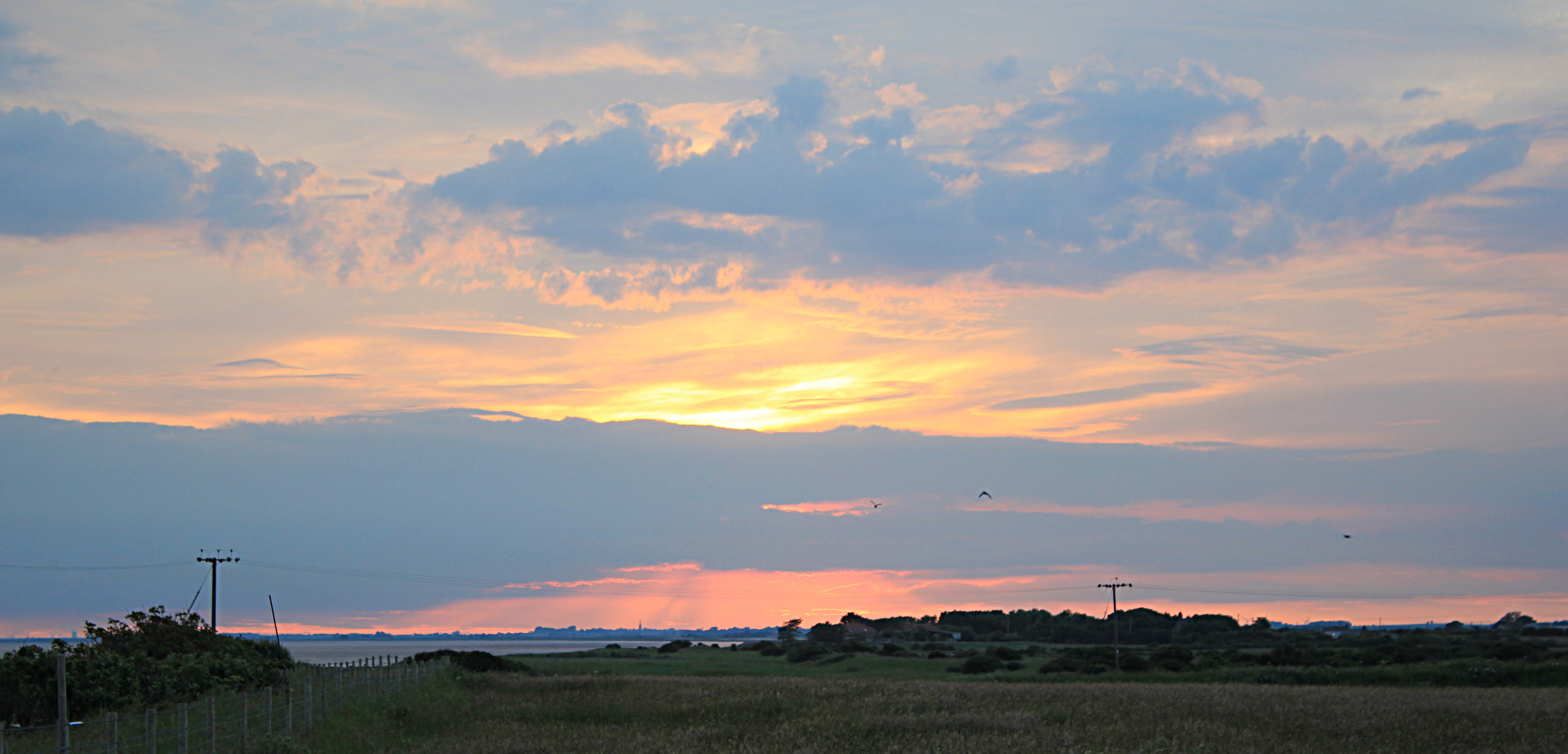
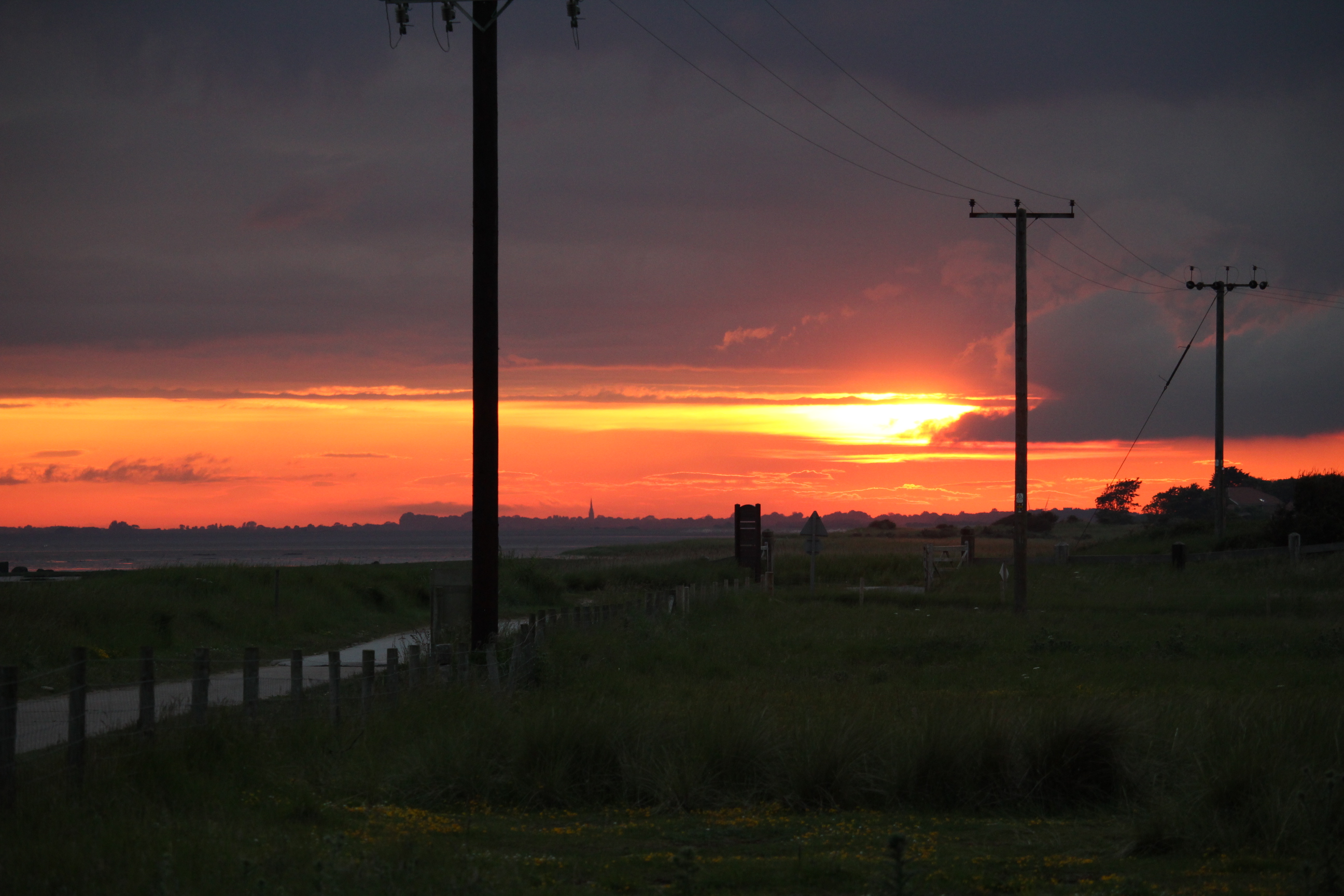
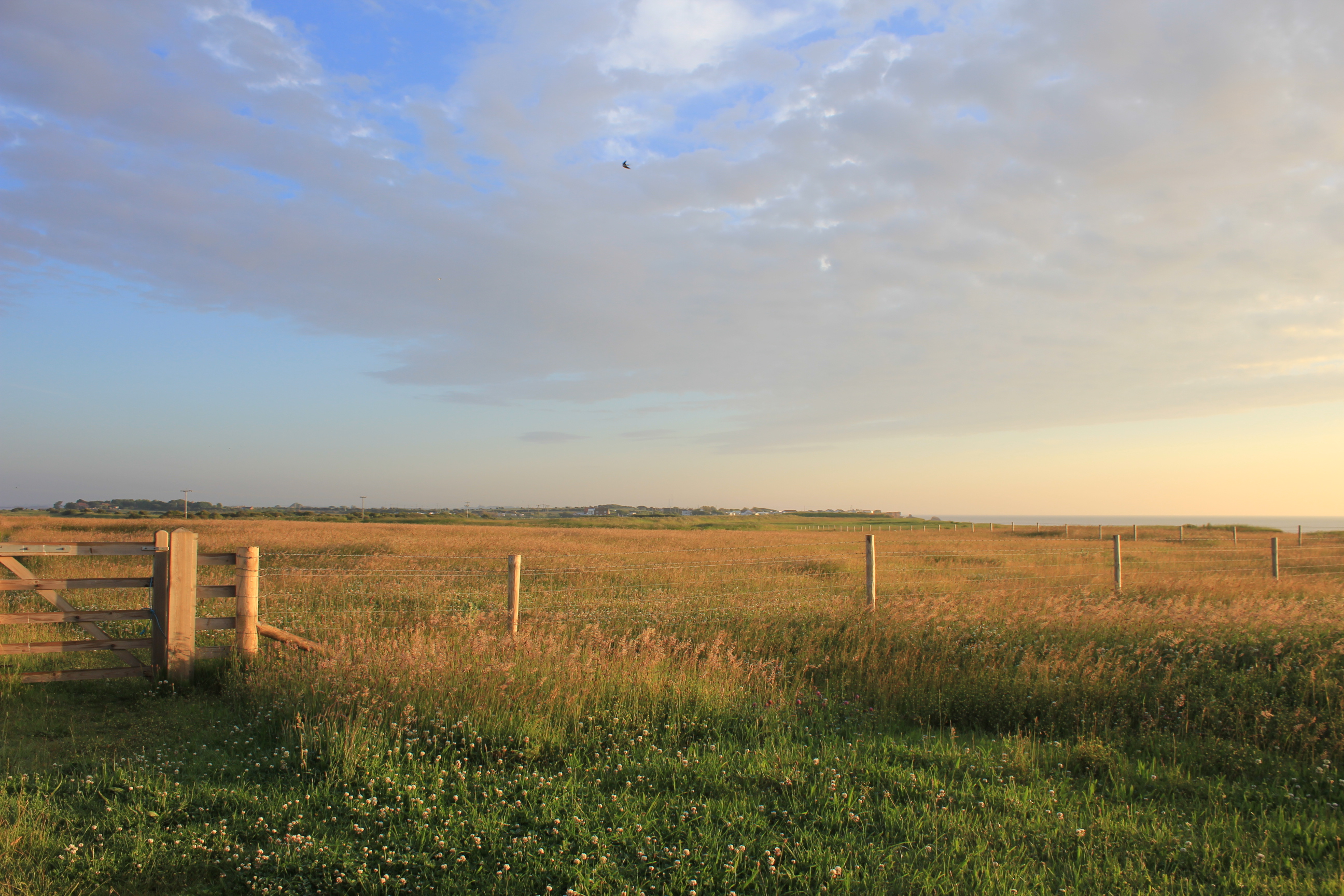
Around Spurn it is obviously very open and flat so the sun sets were especially special.

IMG_9776

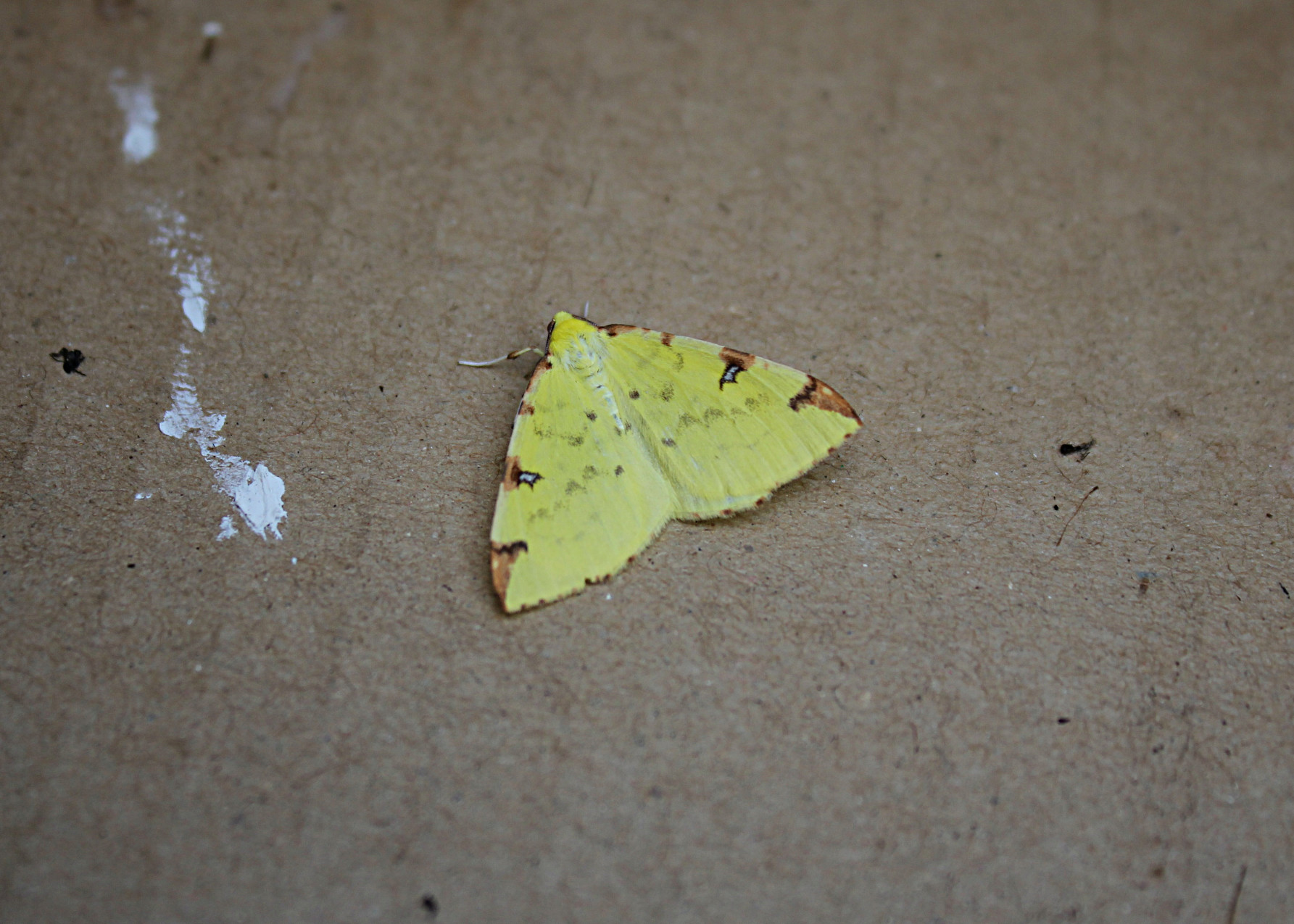
Another day at Spurn and I was up nice and early to see what moths had been caught. As the weather had warmed up the traps were more successful.


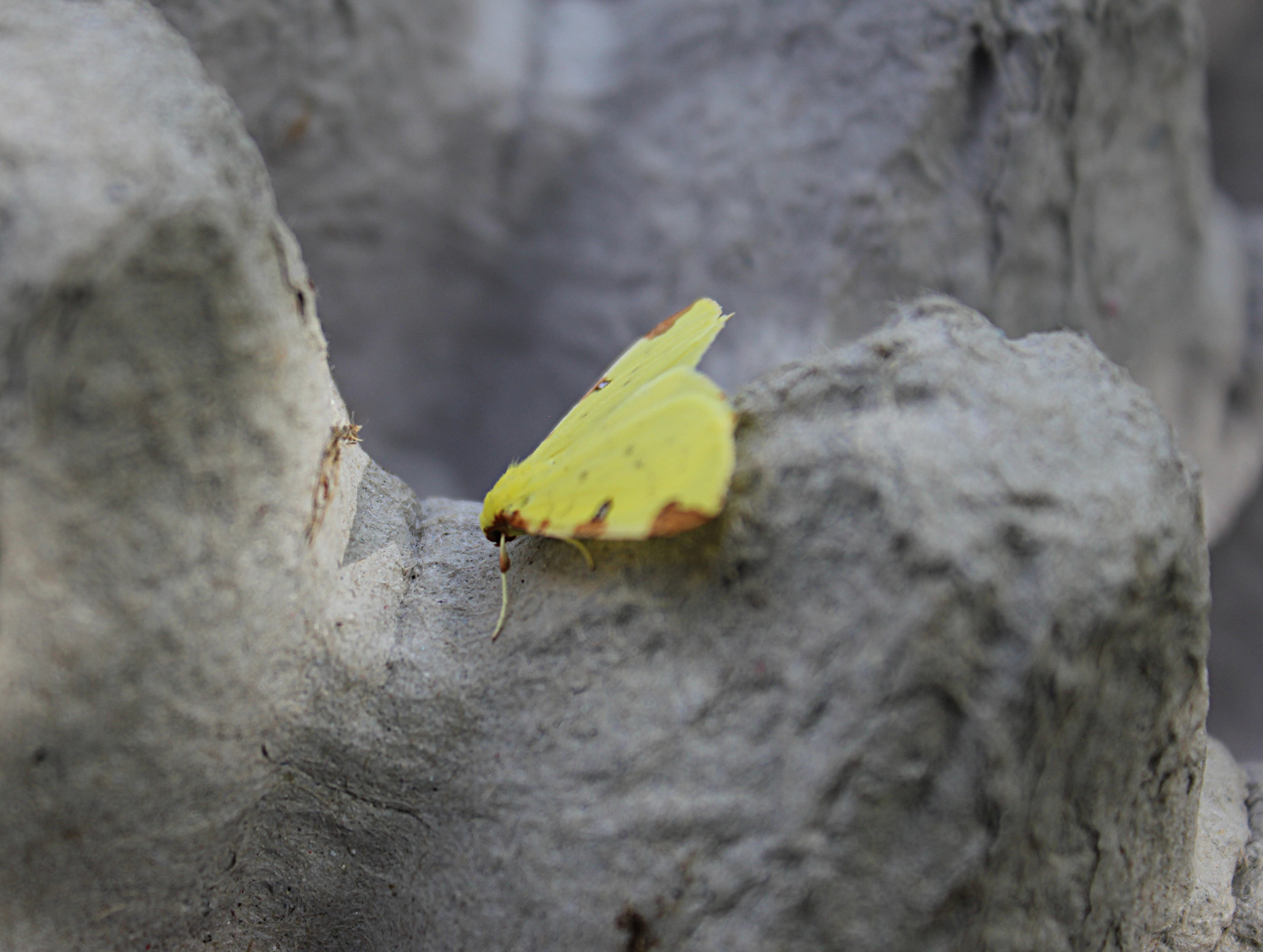
brimstone

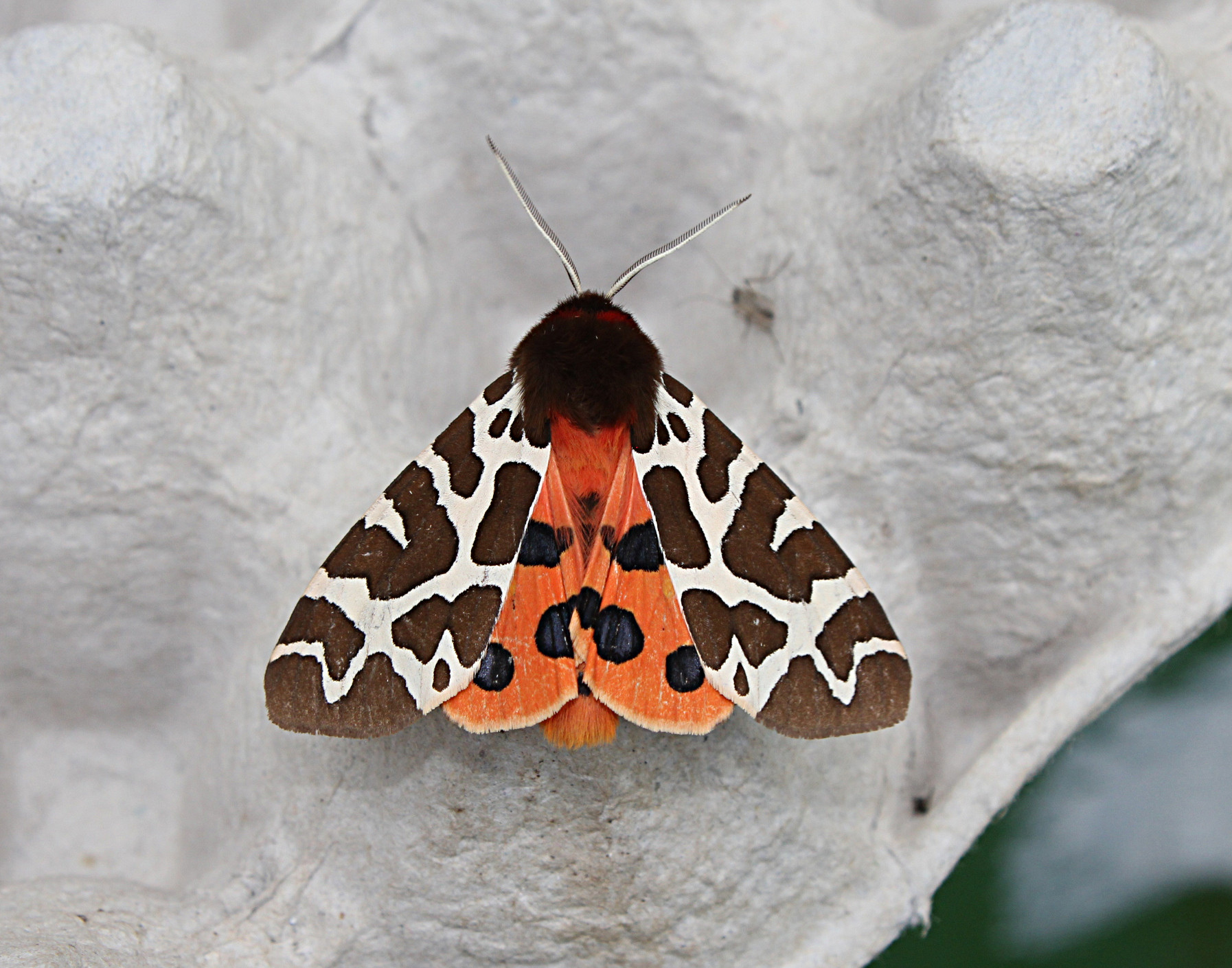
gardentiger

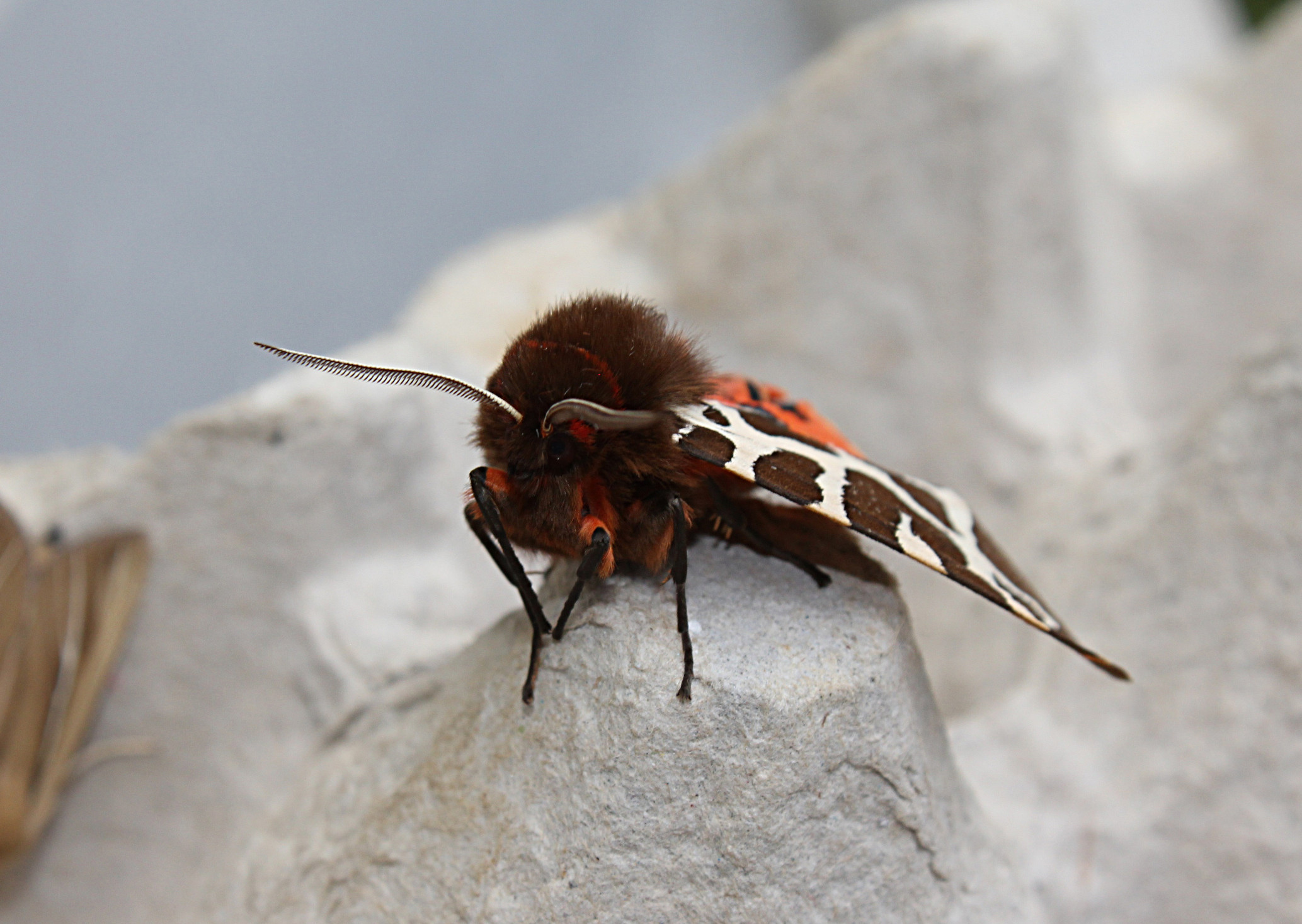
gardentiger2

IMG_9809

IMG_9828

IMG_9843

moth4

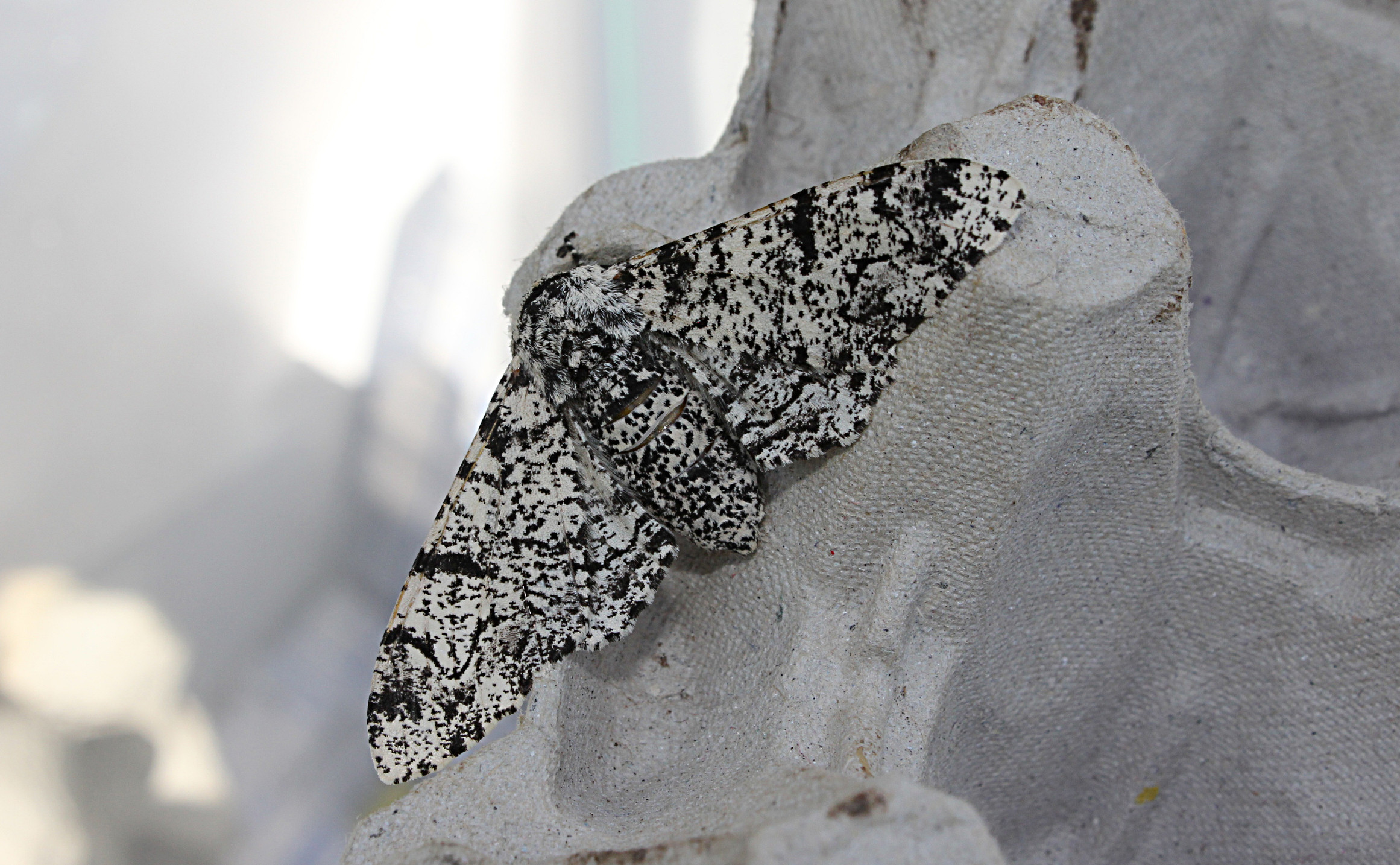
peppered moth

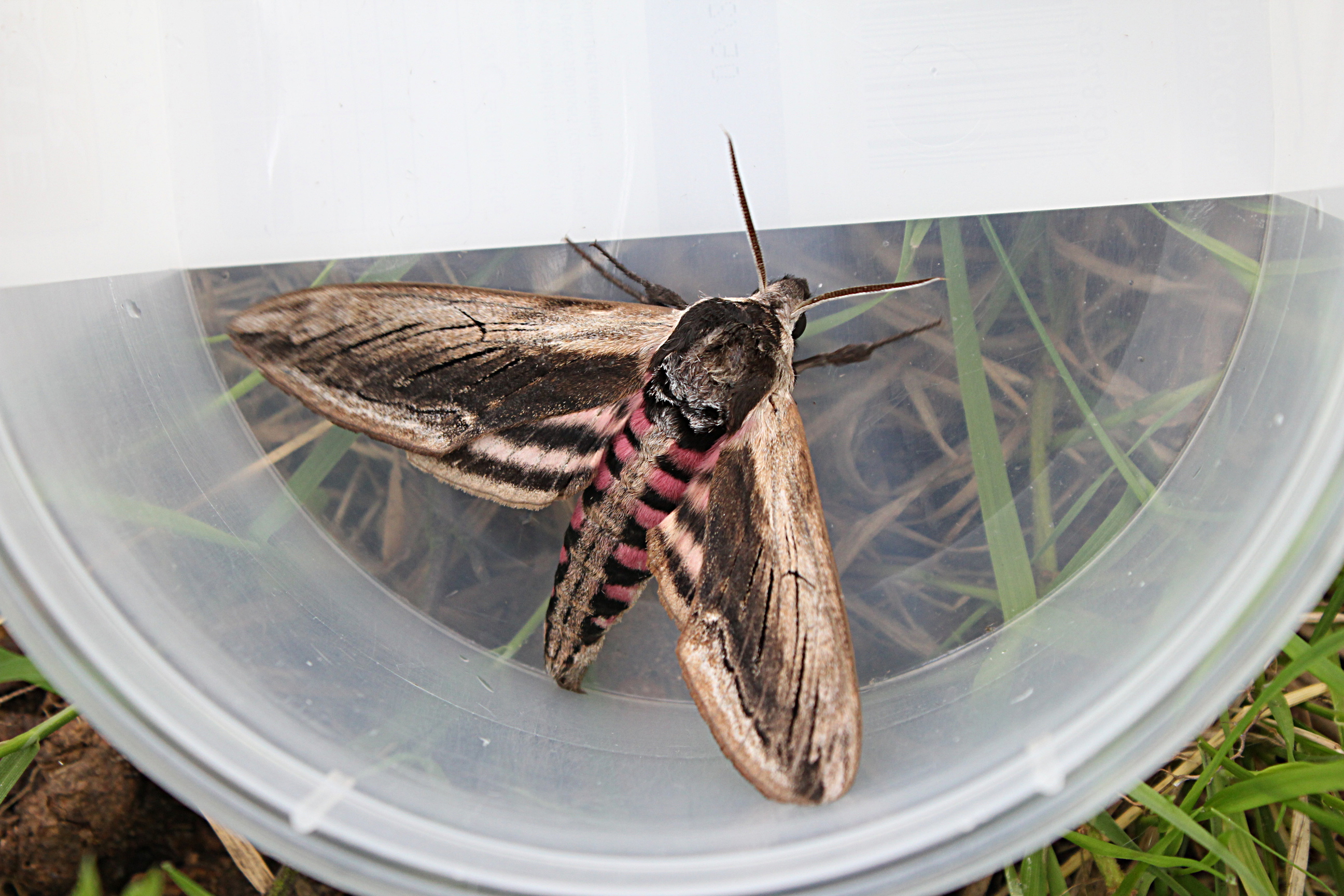
privet moth

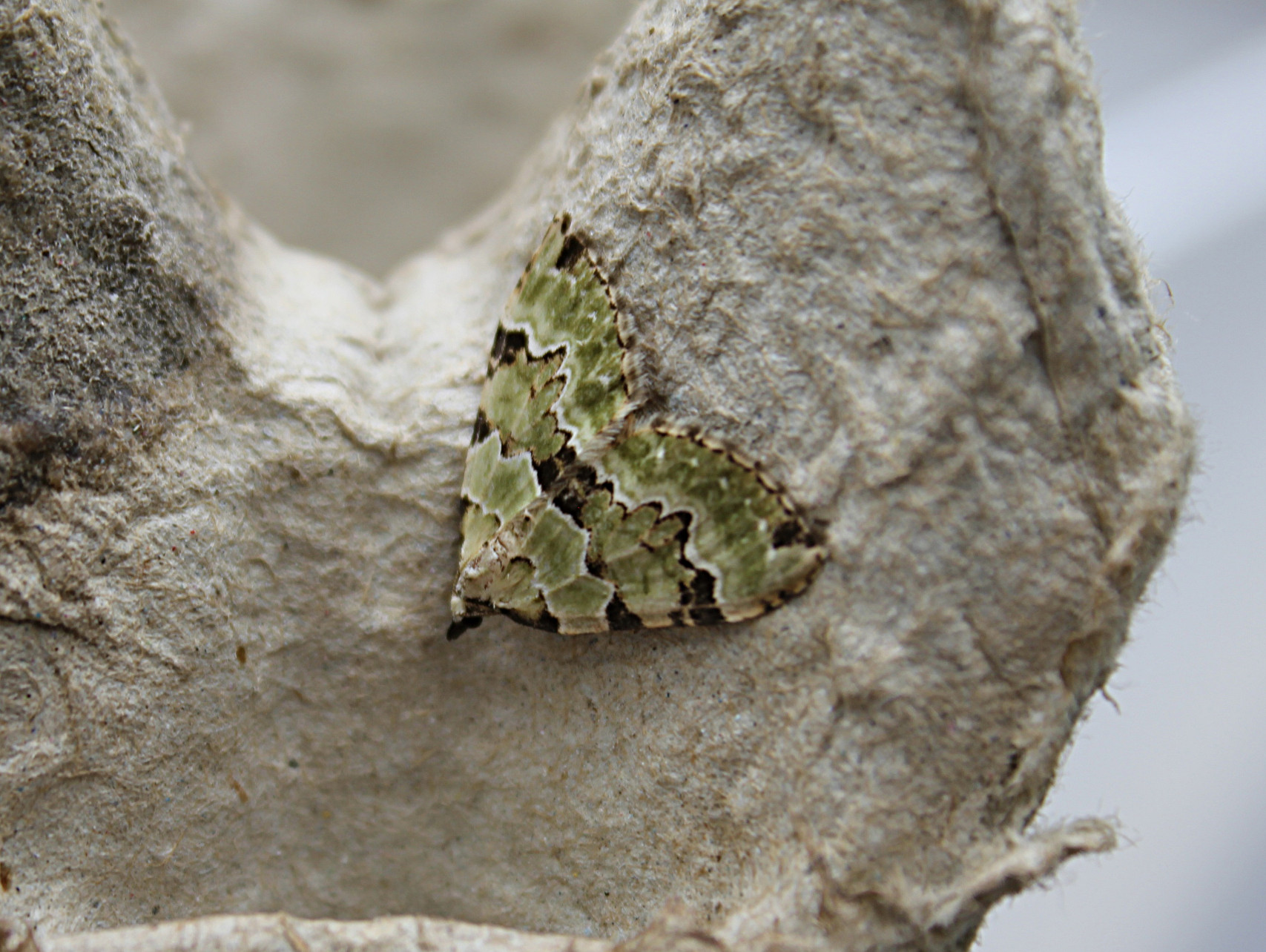
red green carpet moth

Not just moths in the traps!

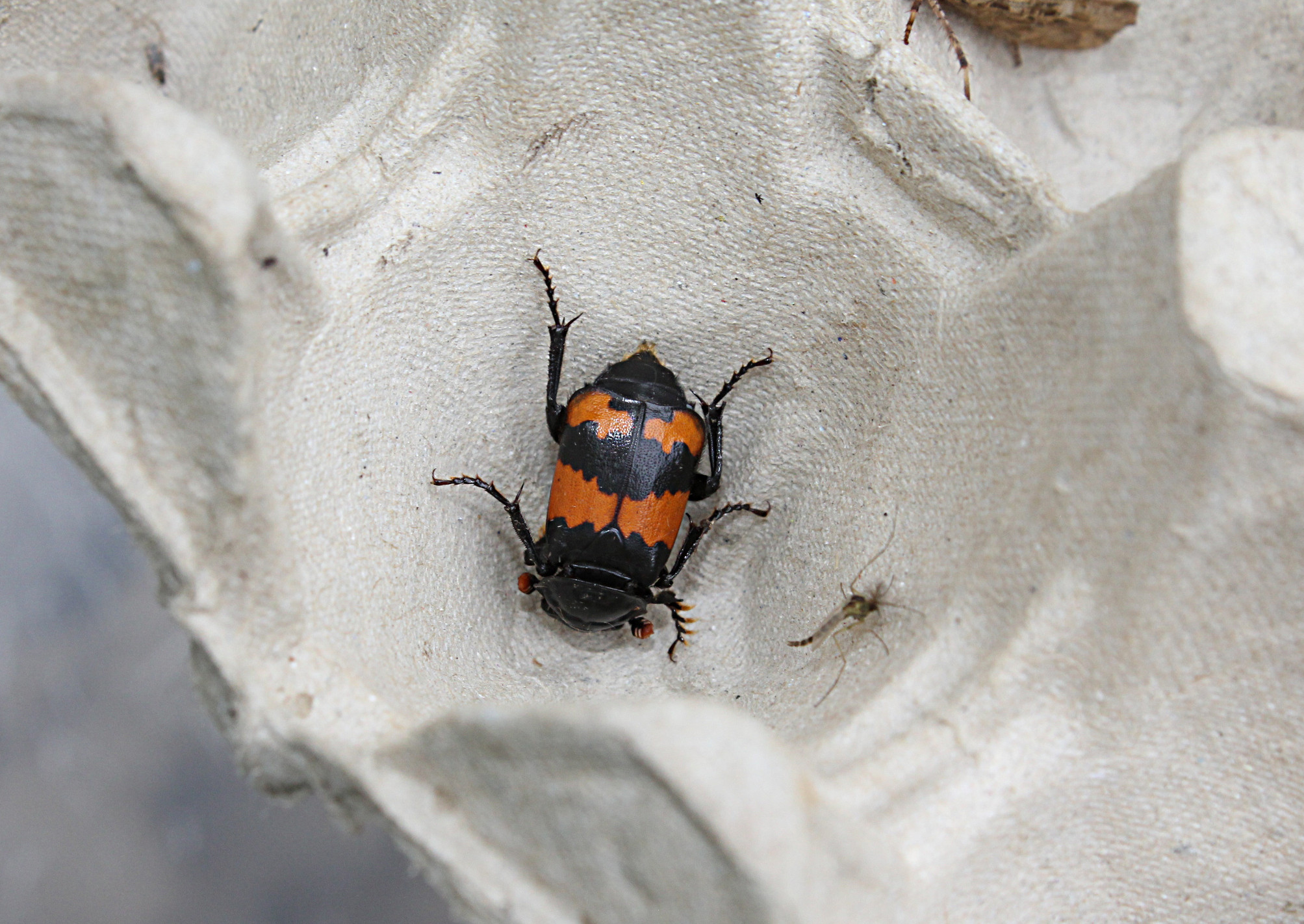
beetle

cadisfly

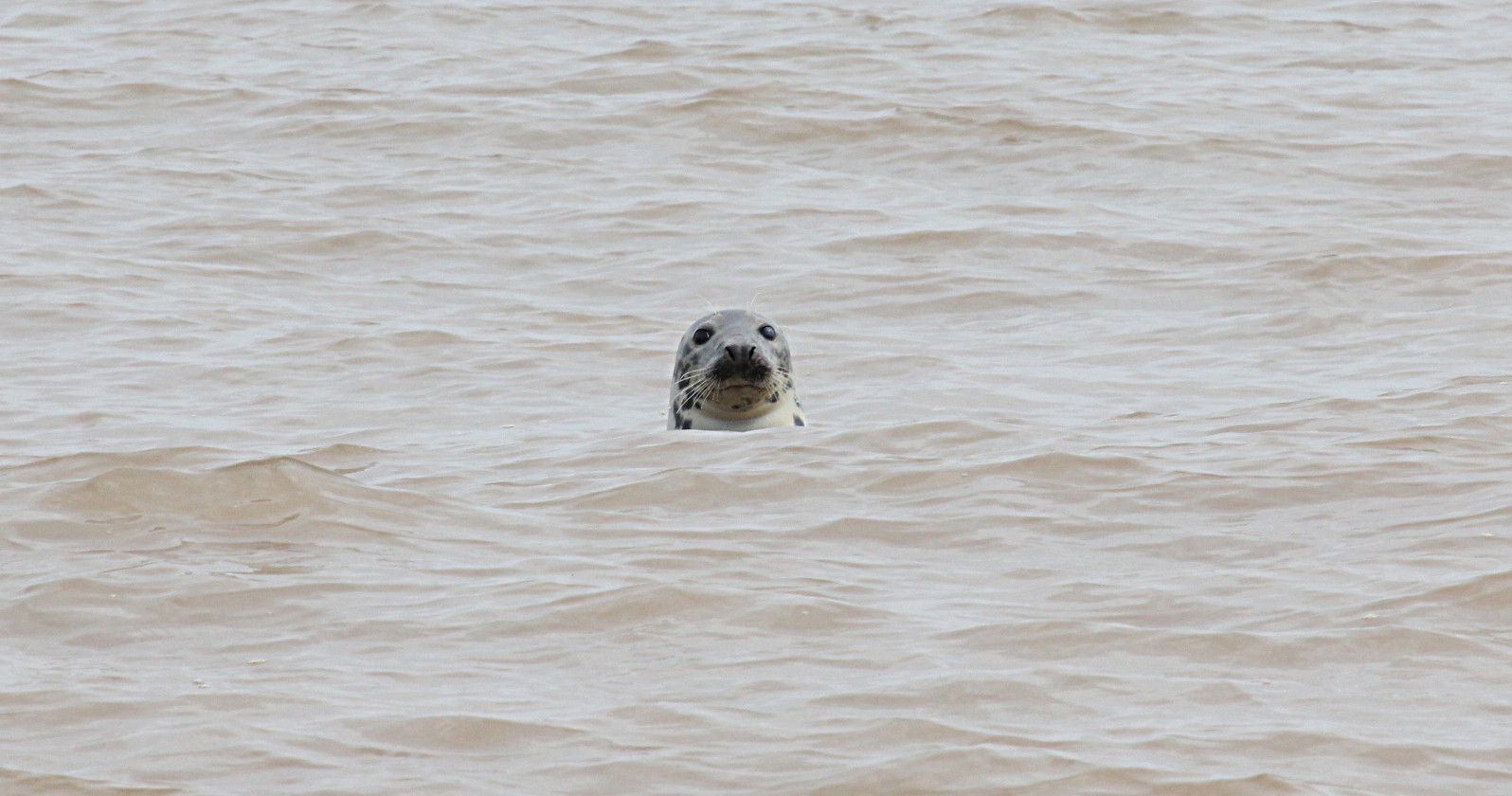
After looking at moths that had been caught I went to see if any swifts had been passing as again it was a more southerly wind. Unfortunately though it was unsuccessful and today only about 150 passed through. As the weather was great again and very hot I went on a walk along a path which runs parallel to the beach. My original plan was to try and spot some bee orchids, even though I didn’t see any I did see plenty of other species which was great. This included lots of terns and waders at a wetland a bit further down, lesser black back gull, a grass snake (which I nearly trod on!) and a common lizard. I also had a surreal experience with a seal whilst walking along the water edge, only about 10 feet away!

IMG_9886

IMG_9899

sea

IMG_0060

Thursday was my last full day at Spurn and luckily enough for me the swifts were showing very well. By the end of the day well over 2000 birds had flown over which was amazing! When they flew over they were in groups of anything from 2 to 30 and were quite low down too. However unfortunately no ‘special’ ones flew over.

Whilst standing around and counting the birds today we also saw three Mediterranean gulls, hobby, sandwich terns and some eider ducks out at sea.

IMG_9936

IMG_9984

IMG_9987

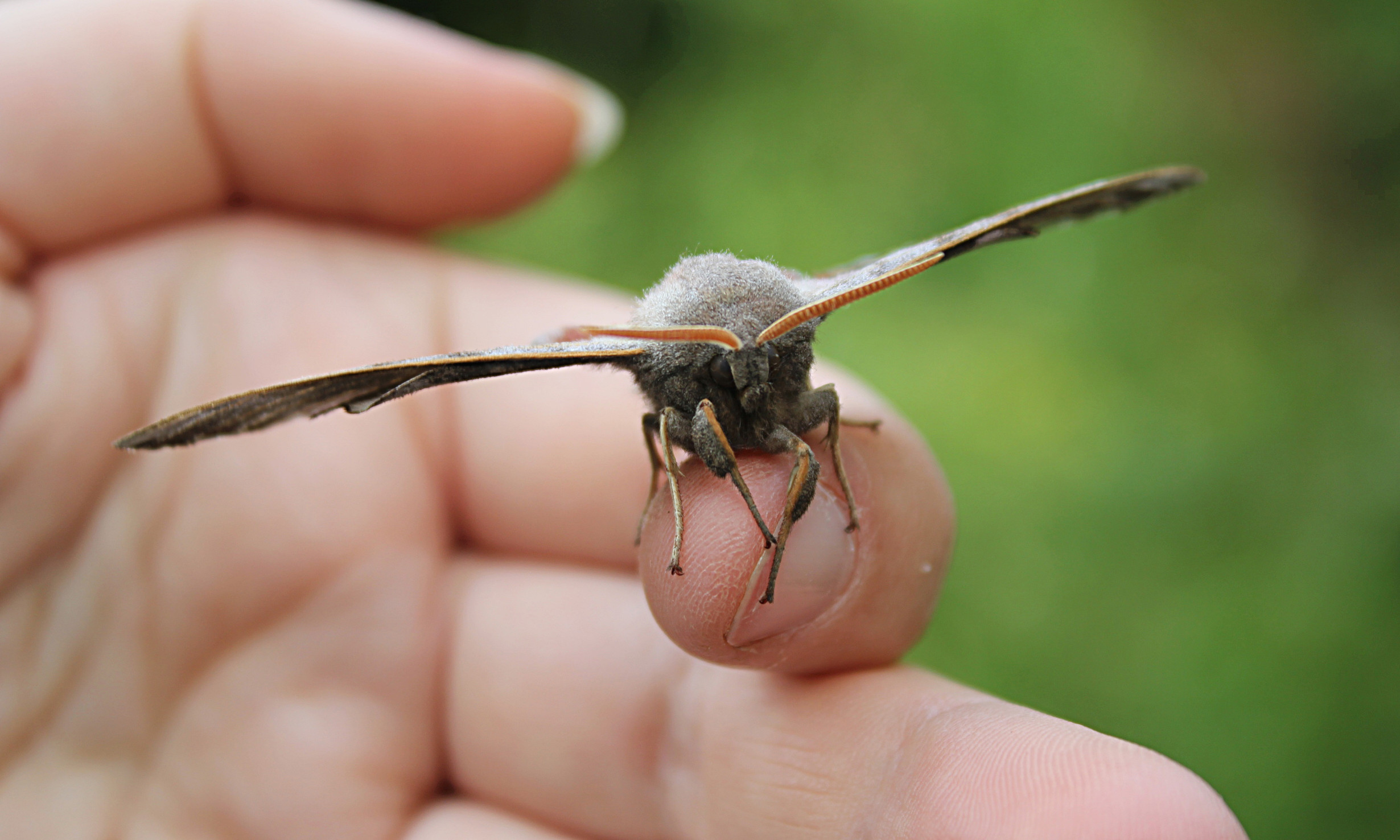
privet moth

Today was the day I was travelling back. I didn’t want to miss anything and wanted to make the most of it so I was up nice and early and out by 5.00. Before I left, about 9.30 we saw about 650 swifts go by, a hobby and to finish it all of a siren, which is a bird I’ve never seen before!

ghost moth

horned moth

IMG_0160

IMG_0167

IMG_0169

IMG_0175

IMG_0177

IMG_0184

IMG_0188

IMG_0192

IMG_0200

IMG_0128

IMG_0211

Overall it was a superb week and I really enjoyed myself! I really look forward to going back and it wasn’t just the wildlife that made my week, the people there did too. Not only were they very funny and loved a bit of banter but they were very knowledgeable and I learnt quite a lot.

Please take a look at the Spurn Bird Observatory website here – http://www.spurnbirdobservatory.co.uk/

Over the next few weeks I will be doing a few ‘follow up’ blogs about my trip, for example about the swifts, beach clean, moths and the proposals for the visitor centre the Yorkshire Wildlife Trust want to build there.


Pond dipping fun!

Yesterday afternoon I headed to the National Memorial Aboretum as it was the monthly meeting for the Widlife Watch group, of which I’m a leader of. I gave a talk to this group over a year ago now and since then I go along to the monthly session to help out. Yesterdays activity was pond dipping. Even though I’m one of the leaders I was still very excited about this as it’s great fun and I knew the kids would enjoy it too.

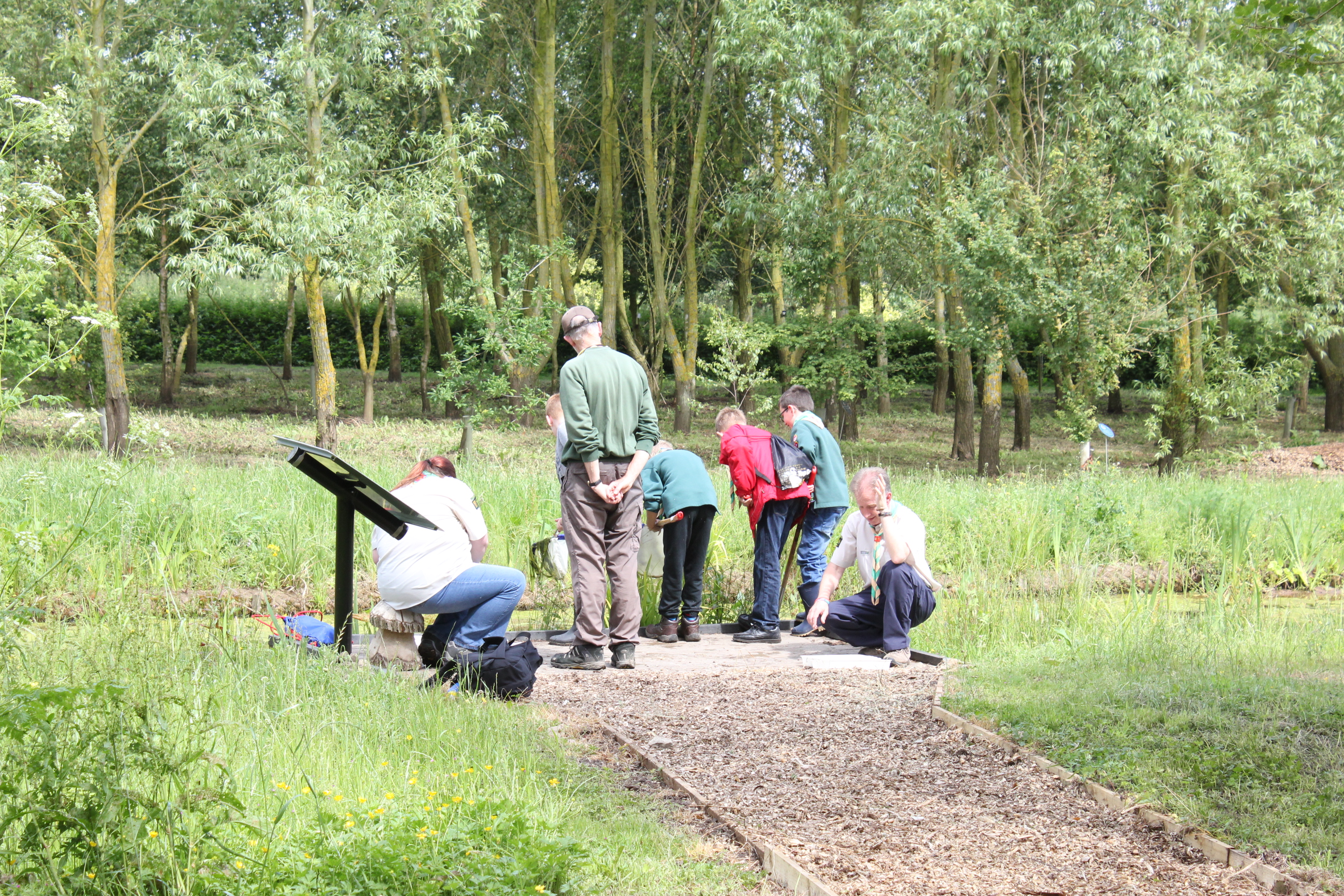
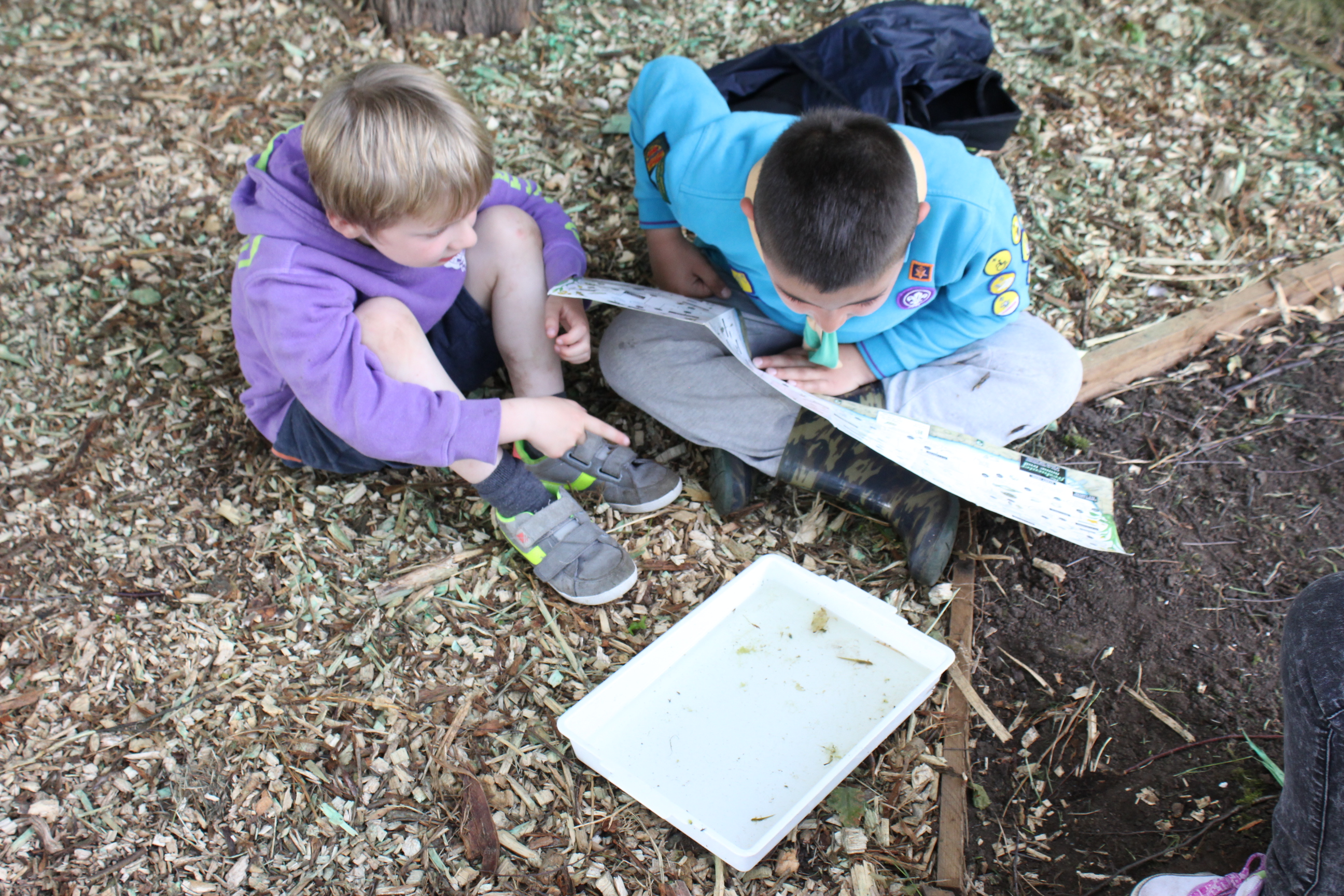
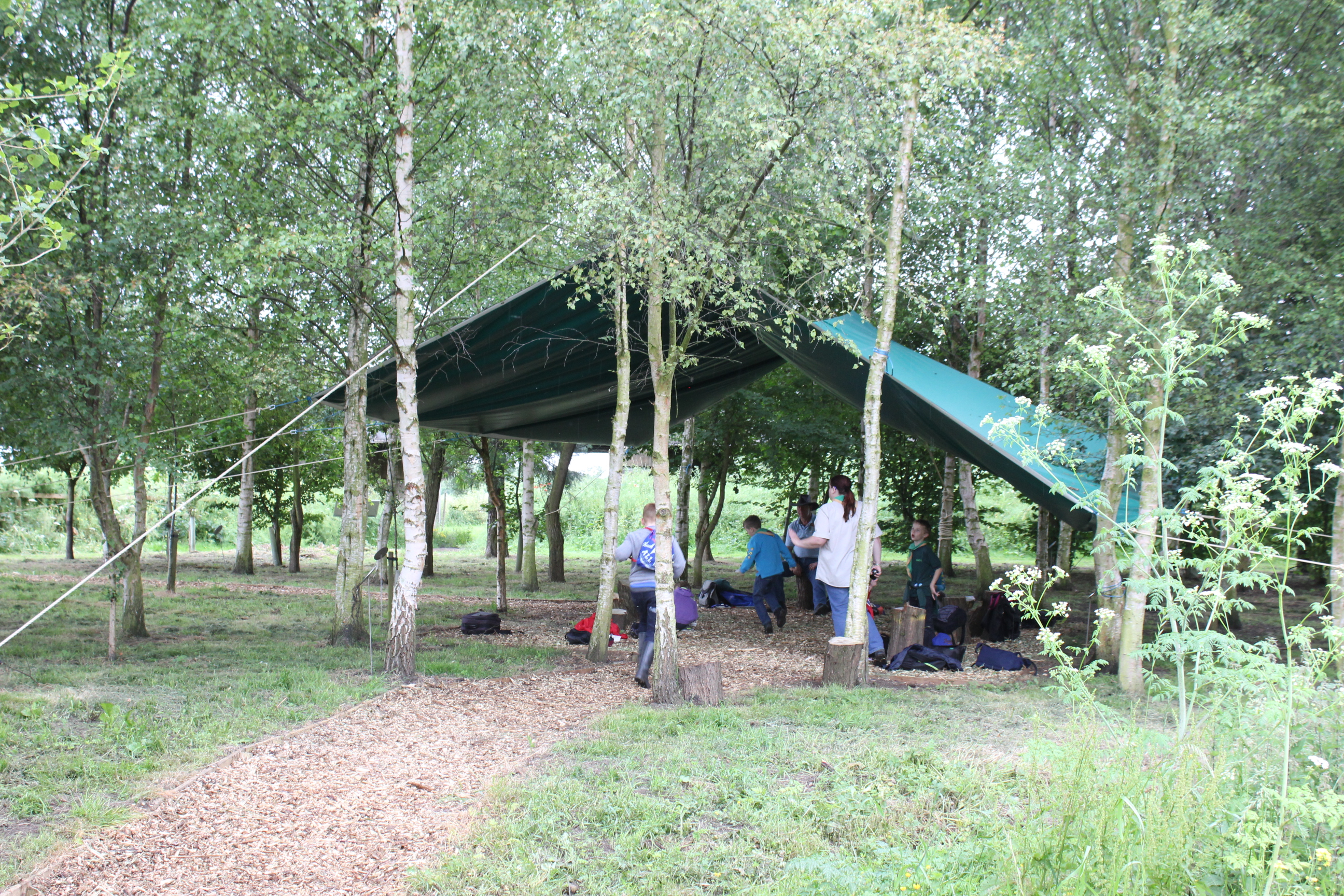
As well as the regulars that turn up for the session, today we were also joined by about 20 Scouts who were eager to have a go at pond dipping. None of them had done it before so they were very excited. As we walked down they were all sharing their wildlife stories and asking plenty of questions which was firing up their enthusiasm even more.

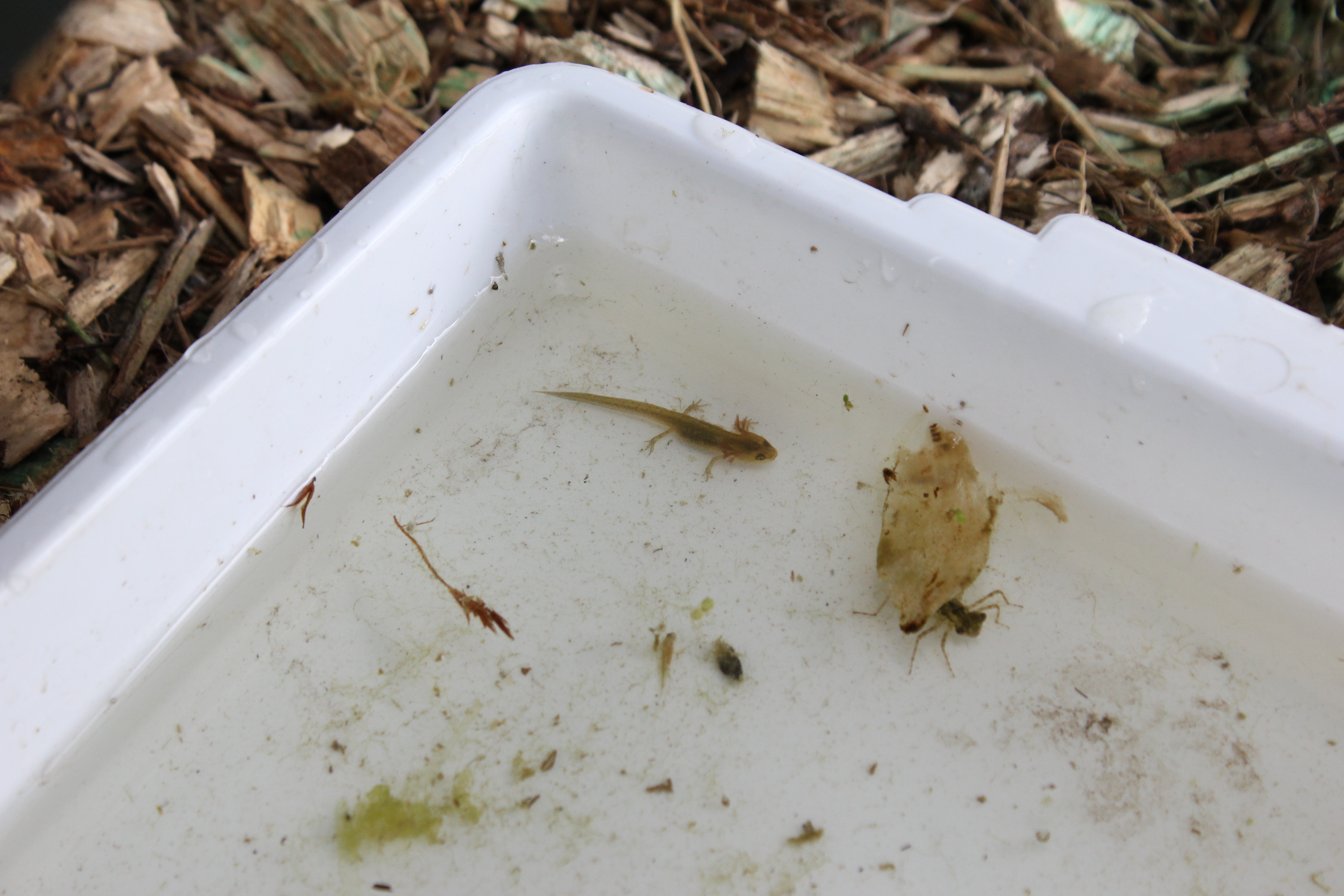
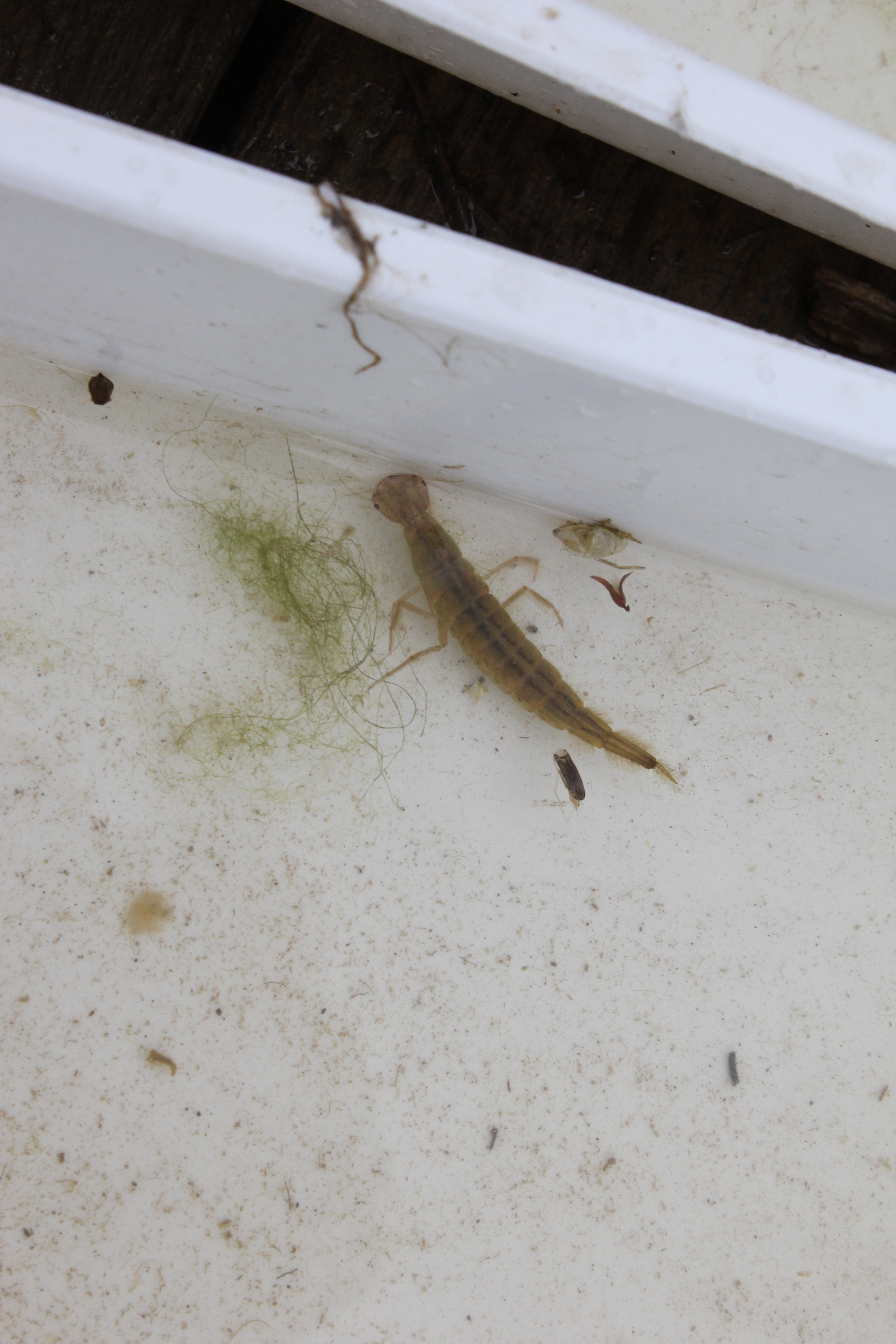
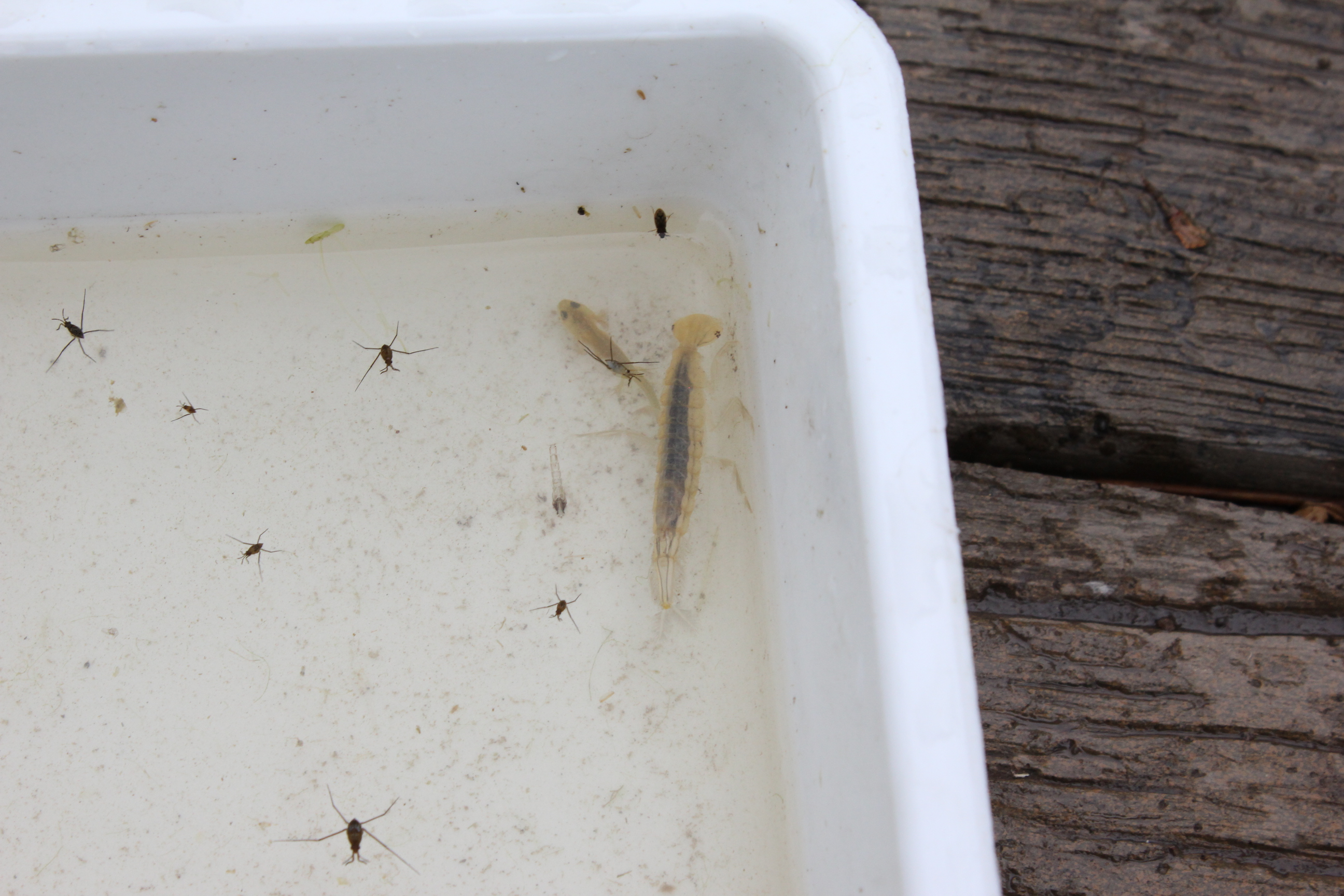
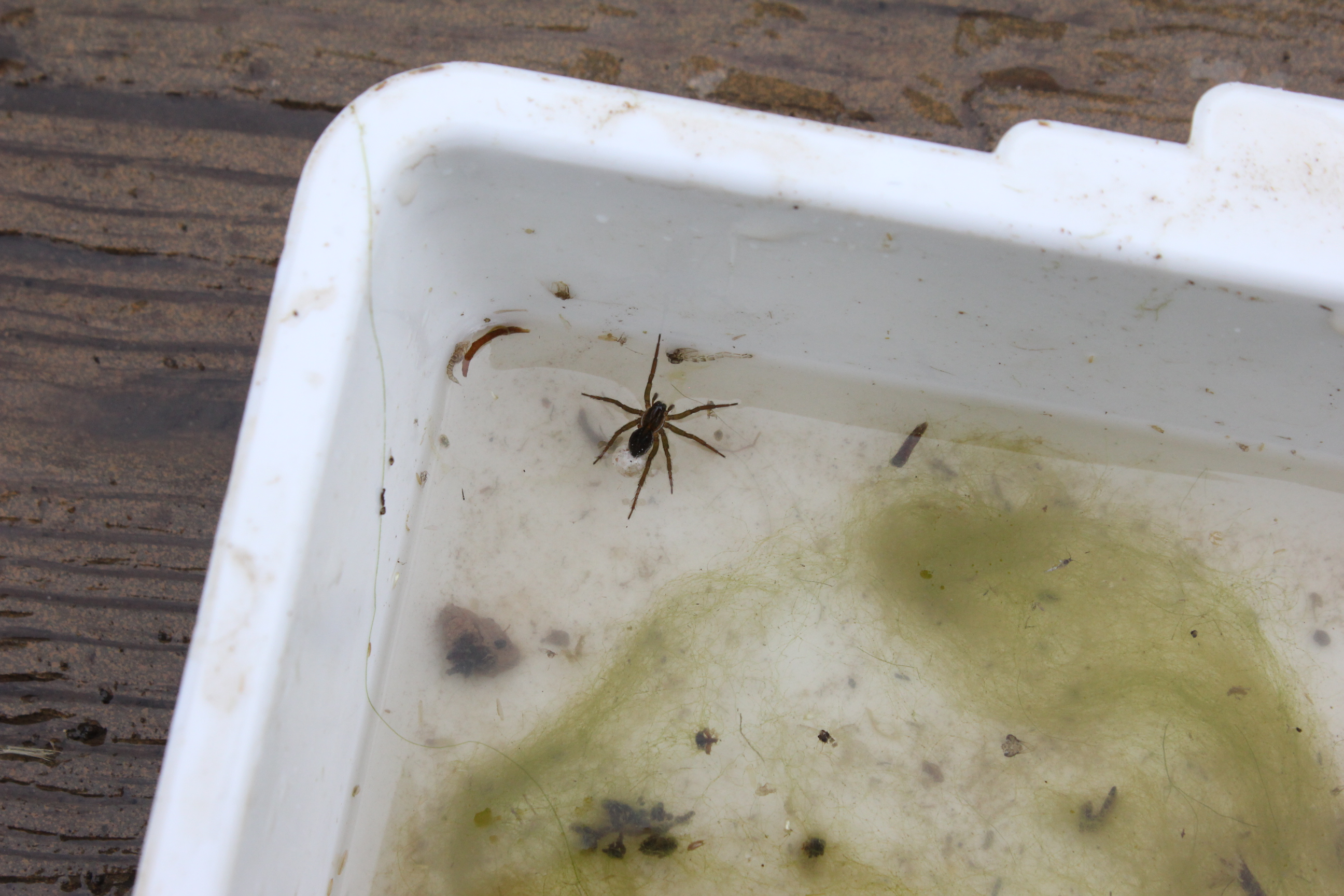
Once down at the pond, that has recently been created here especially for pond dipping, we filled the trays with water and they all got to work with the nets. Straight away they caught species like newts, tadpoles, diving beetles, pond skaters, dragonfly nymphs and many more. This was quite surprising as the pond here was only created last year but already it was beaming with life.

They were all really interested in what they caught, and so was I! It was really great to see these youngons doing what so many others should be doing, which is enjoying nature. They were all full of life afterwards and looking forward to the next time they could do it.

Here are a few photos that I took.

IMG_9051

IMG_9055

IMG_9058

IMG_9062

IMG_9064

IMG_9083

IMG_9092