Back again

Always start your day with PG tips.

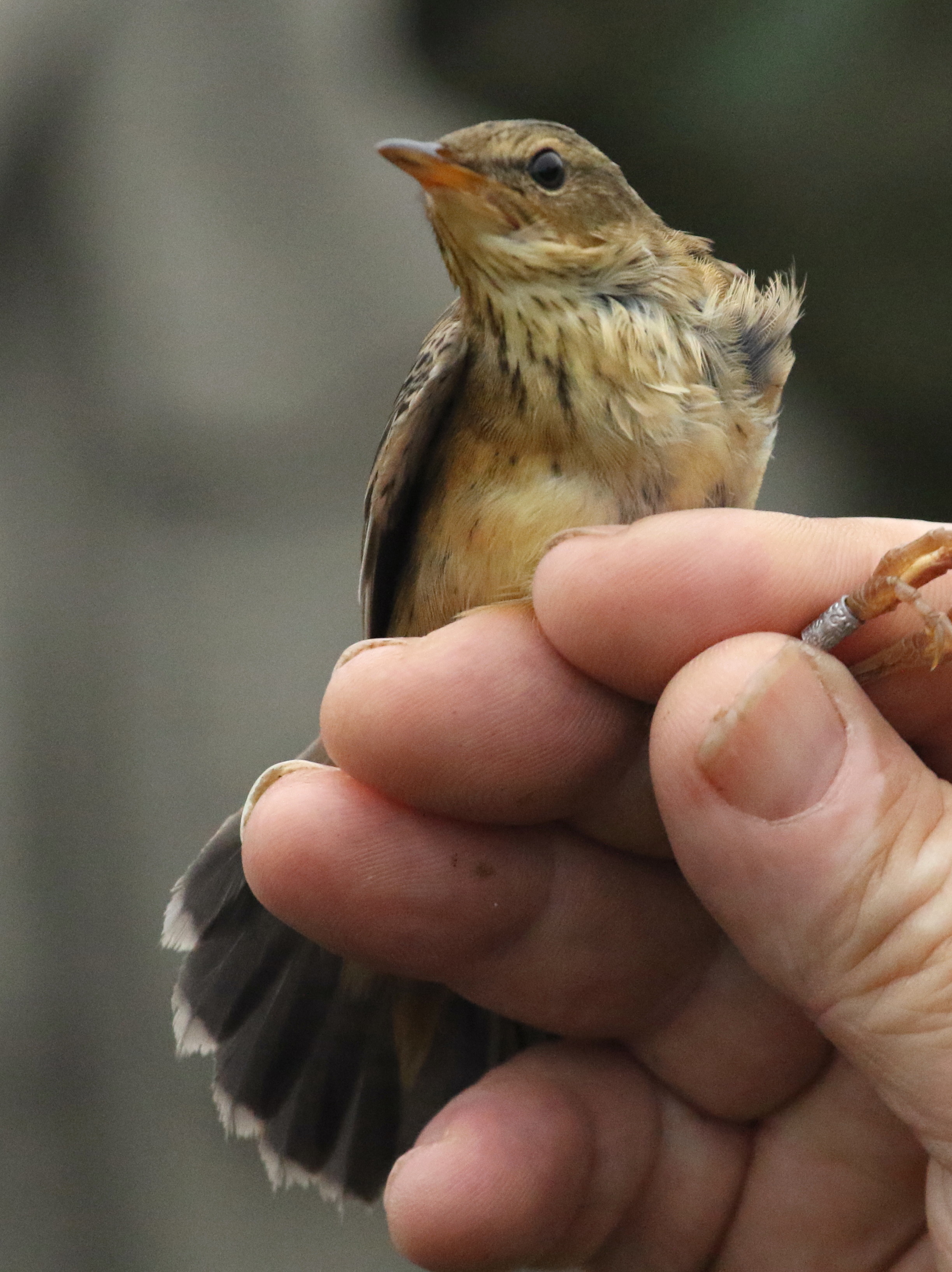
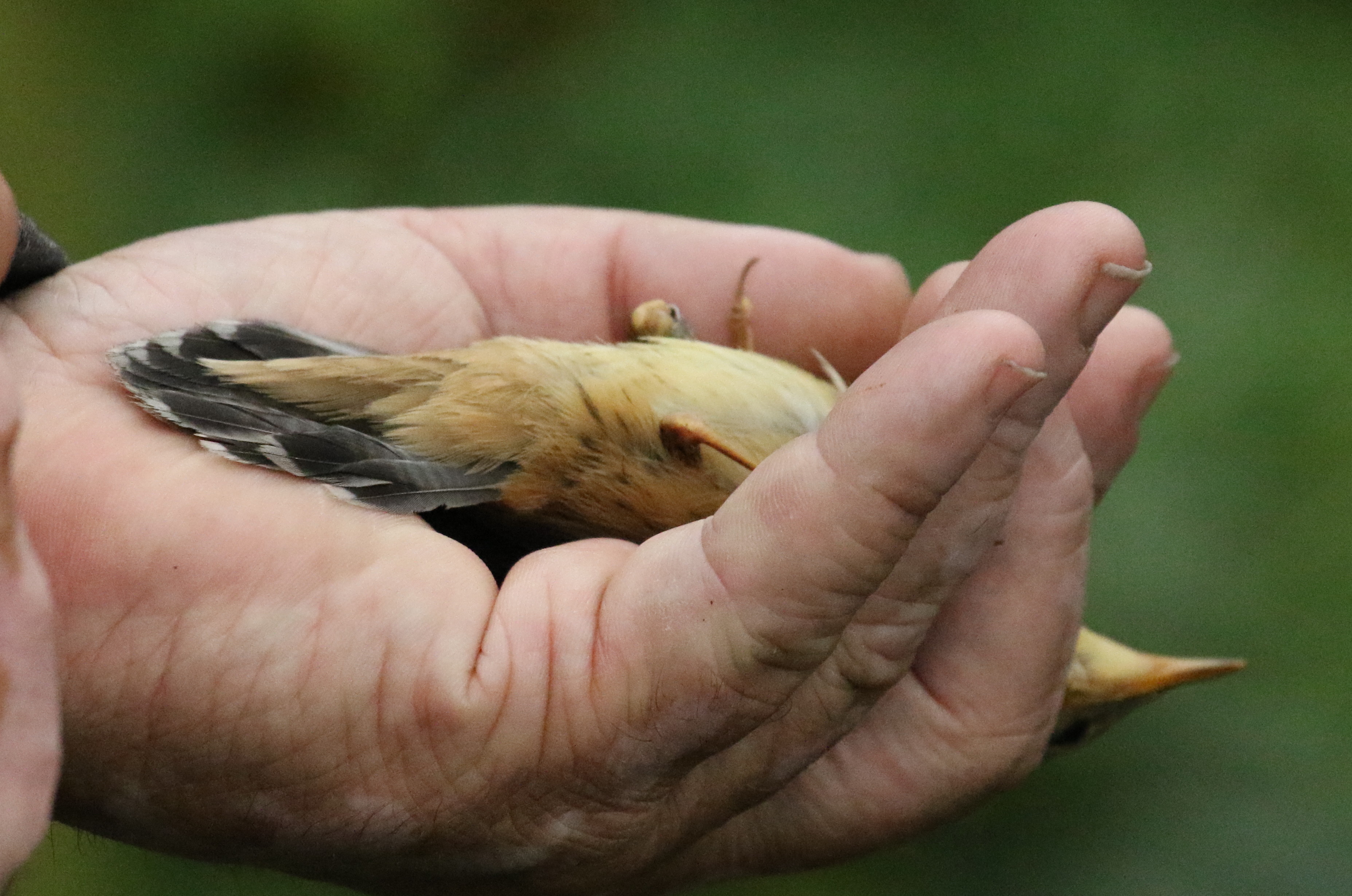
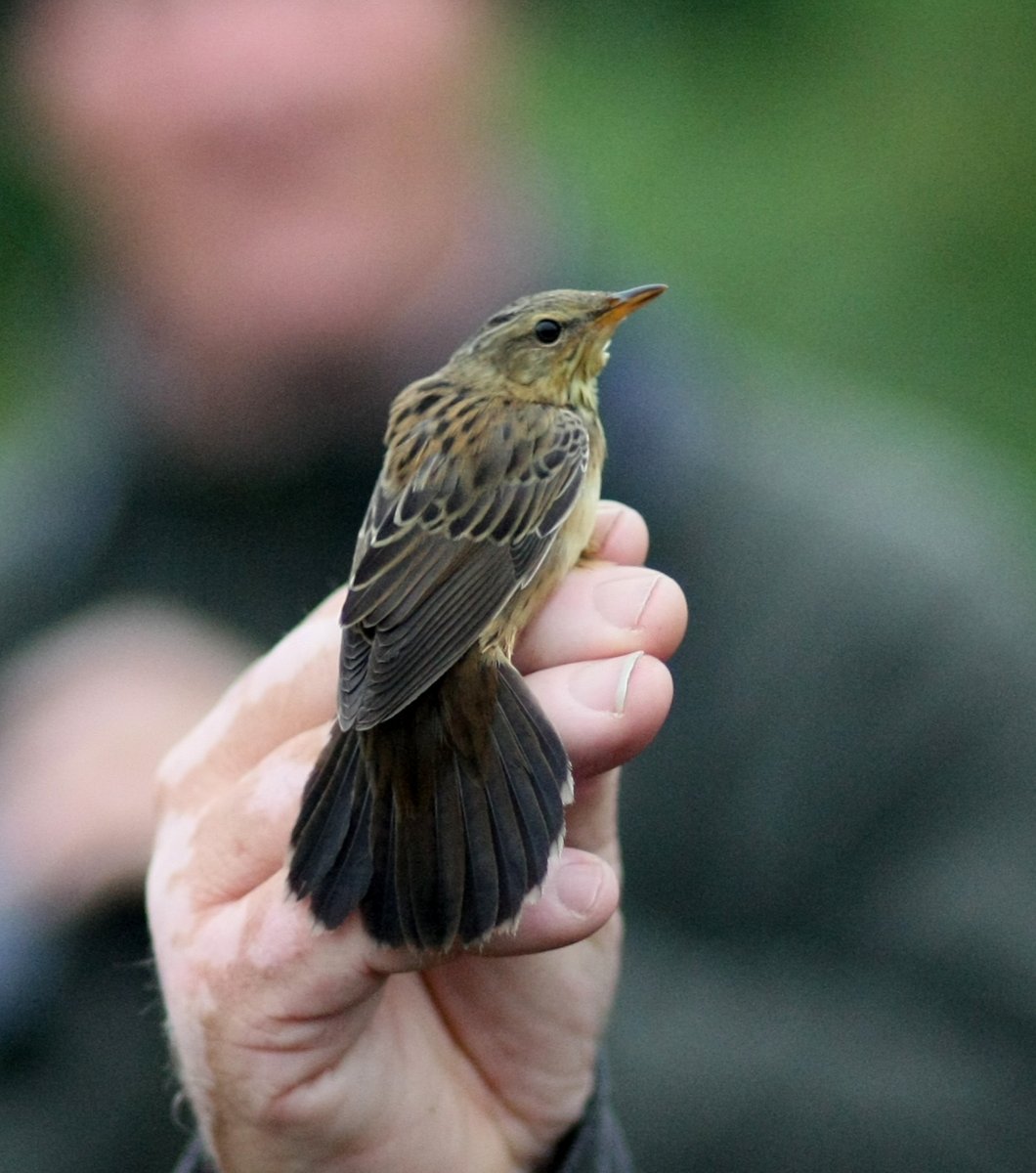
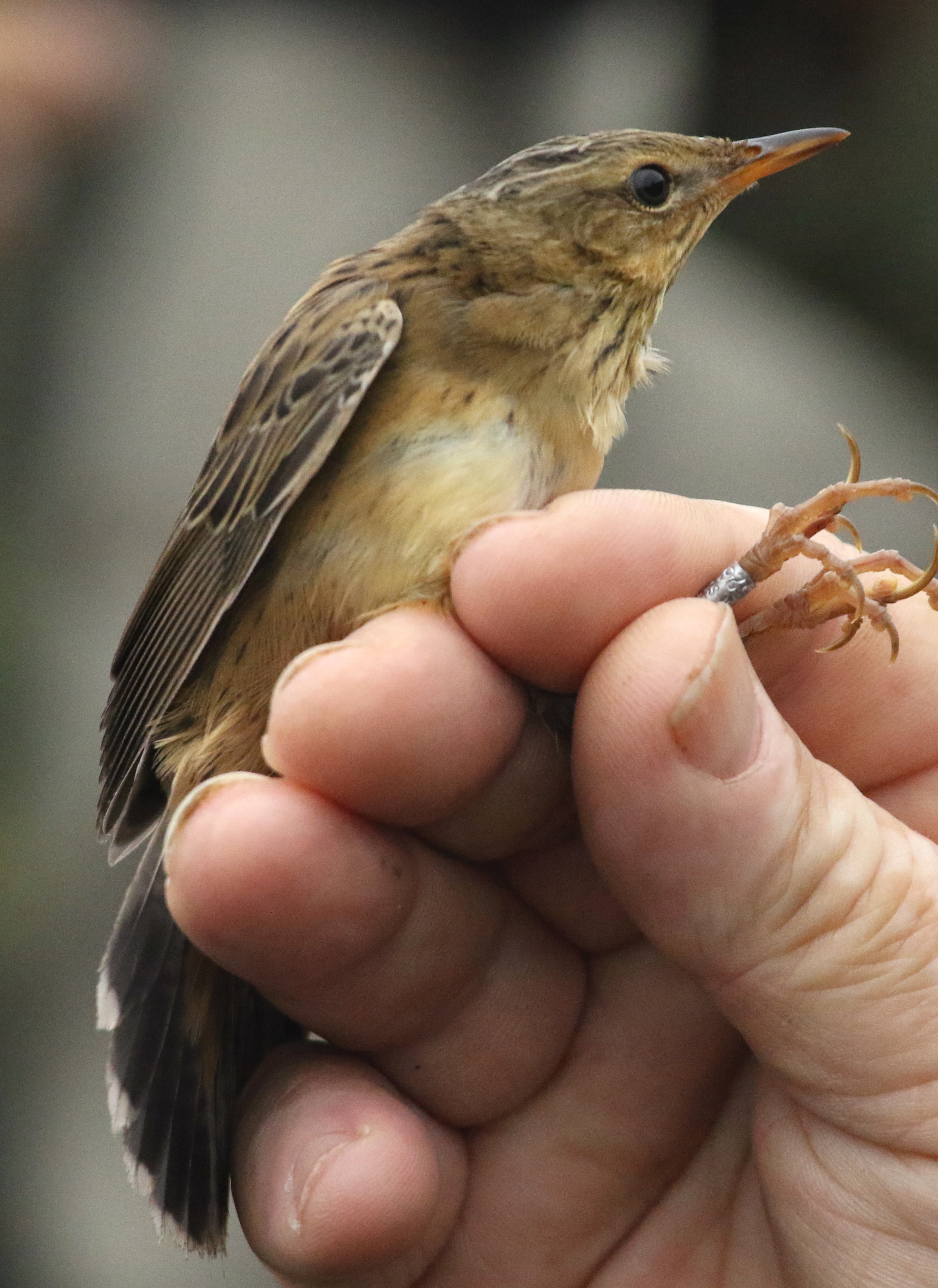
Well, I was just brewing up some tea when the radio announced that a Grasshopper Warbler had been caught in Church Field (an area owned by the Spurn Bird Observatory) and was about to be rung if anyone was interested. I haven’t seen one this year so headed on my way up to where it had been caught in the ringing trap there. But by the time I got there, there was some debate between birders whether it was a Common Grasshopper Warbler. As when the bird was first taken out of the trap its feathers were wet therefore the pattern and colouration of them was difficult to notice and it was thought to be a Gropper. However when measuring began, alarm bells rung as features such as the wing length were too long and as the birds feathers dried, white fringing to the tertials and tail feathers became visible. It was a PG Tips.

Back at the Warren, the tea was mashed and so was my brain. A Pallas’s Grasshopper Warbler. Another one of those birds I’ve read about and glared in awe at in one of my books but never thought I’d see anytime soon. It was the 13th bird to be recorded on mainland Britain, and the second for Yorkshire which was again at Spurn. This is typical though, typical Spurn and why I decided to go back to spend some more time there before heading off back into Sixth Form.
pg-tips
The Pallas’s Grasshopper Warbler  (Photo courtesy of Micky Maher)
pallas-grasshopper-warbler0774
SBOT
pallas-grasshopper-warbler0762
SBOT
pallas-grasshopper-warbler0731
SBOT

So I’ve been back again and I’m blogging about it again, but I can’t miss a trip to Spurn off here. They’re so important to me and every visit contrasts the last through seeing new bird species, different events and experiences, and most of all increasing my knowledge, interest and enthusiasm of not just Spurn but the natural world as a whole. The wilderness and excitement of being there is a great feeling and I believe it’s important sharing on my blog, which is about natural history, what is inspiring me and firing my

interest. Which is exactly what these trips to Spurn do for me.

From studying the local weather forecast and those on the continent whilst travelling up on the train I knew the next few days were looking good, in particular for vis-migging. The term vis-migging stands for visible migration, so basically birds you can visibly see flying overhead which are migrating. And due to the geography of the land, Spurn deals with a great deal of visible migration of a number of species. Twice now I’ve been to watch the spectacle which is swifts migrating during some of the summer months. I did see some Swifts this time (a large count of three) but eyes were on the migrating Meadow Pipits and hirundines, including Swallows and House Martins. The morning before I arrived I’d also seen that over 2000 Mippits had been recorded flying South and with conditions looking just right, I was looking forward to the following morning.

I must say, Swifts are by far more interesting to see soaring overhead then Mippits which sort of twinkle over. However when the Mippit count neared 1500 along with a Swallow count of over 2000 and over 1500 House Martins, it was thrilling. The shear number of those individual birds in just a number of hours makes you appreciate what’s taking place. These early Autumn migrants making their way through Spurn and marking the year round cycle of recording birds migrate at Spurn which is all incredibly important and valuable.

During my first week good vis-migging followed through until Wednesday. And Wednesday brought some interesting birds from Seawatching including Balearic Shearwater and Great Northern Diver, which were both lifers for me, and a Great White Egret. Which stopped off along Easington Straight then flew down the Humber, after being tracked in action from Hornsea where it flew South just a short time before and obviously followed the coastline until it met Spurn. Later that day, just after lunch a Wryneck was called out at an area slightly north of Spurn which was on the road in front of the gas terminal in Easington.

What an afternoon it was! Another lifer and what a fantastic bird. I knew that my chances of seeing a Wryneck during this trip were high but we got some fantastic views of the bird for about 15 minutes. Feeding and rummaging through the grass then sitting in between the bars of the metal fence. At the same time, four Whinchats turned up. Things were looking good. And they were. One thing after another and a Barred Warbler was called up at an area about half way down the peninsula, towards Spurn point. I knew my chances of seeing the bird were very, very slim as they’re very elusive but nevertheless, I decided to give it a go and off I went. Unfortunately there was no sign, but by far it wasn’t wasted time. It was obvious a few migrants had arrived including quite a few Wheatears, Whinchats, Spotted Flycatchers and Willow Warblers. As well as another Wryneck! Just a few hours after I saw my first one, I was looking through my bins at another. Not just two in a day but a self-found bird. Wonderful, and there I spent most of my afternoon observing the bird feeding on the roads grass banks.

Friday kicked off the Migration Festival weekend at Spurn. Their fourth festival now and forever growing again this year with the number of people rolling up and leaving inspired by Spurn and had hopefully seen a memorable bird. And I imagine it certainly was one for all those around on Saturday. A sodden day yet everyone went around with beams across their faces and why wouldn’t you after all the mig-festers got the opportunity to see the weekend’s star, a juvenile Kentish Plover on Kilnsea Wetlands. Another fantastic new bird for me, and for many others too. On Sunday there was a complete weather contrast and it was quite a pleasant day. There was lots of opportunities for attendees to see some of the vis-migging as well as, like on Saturday, attend one of the numerous events which were taking place all day.

There can’t have been many who didn’t enjoy their time at the Migration Festival. It was a very well organised weekend with none stop walks, talks and opportunities to chat to experts on Spurn itself or whatever they were seeking to learn more about. From the seawatching in the morning and guided walks covering all areas of Spurn which included Easington, Sammy’s Point, around Peter Lane, Beacon Lane, the Triangle, up to the Point and much more. This was all followed by evening events. I’m not going to go into too much detail about migfest as I could probably write a separate blog all about it! It was superb though; Spurn was showcased for the special place that it is. Without a doubt it was also great to see so many youngsters strolling about and enjoying themselves equally. As well as seeing the BTO and the Observatory being in partnership as organisers for the event. They were superb and it was odd chatting to those from the BTO about Spurn as through their fund (the Young Bird Observatory one) I started coming here, and since I’ve been as many times as I’ve possibly been able to fit in!

The week after mig fest always seems to bring something amazing which leaves those who came deeply depressed and further striving to go back soon. Tuesday’s fall after some South Easterly winds didn’t bring that though, as it could have, but there was again an increase in migrants such as Blackcaps, Goldcrests, Spotted Flycatchers and Pied Flycatchers. And the excitement created by the conditions and the thoughts of what may be lurking in the bushes was soon dampened by thick fog on Wednesday morning, which pretty much followed through to the Thursday evening. This made all birding pretty difficult and many migrants flying over were obviously deterred and encouraged to fly straight over. However, Thursday morning was quite promising with reportings of Yellow-brow Warblers popping up all along the East coast. Then, of course, one was called out along the Peninsula. This time I was successful though, another great bird as my two weeks at Spurn drew to an end.

But then the Pallas’s Grasshopper Warbler turned up, undoubtedly the best bird I have ever seen. Making all that hopeless mopping around in the sea frett all forgivable. Not that it needed to be in the first place as being at Spurn is always amazing and I really wouldn’t want to be anywhere else…certainly not school.

There’s no doubt Spurn is going to be on fire over the next few weeks, and I’ve already got everything booked to spend some more time there mid-late October.

And so, since I left Saturday afternoon; Blyths Reed Warbler, Leach’s Petrol, another Wryneck, more YELlow-BROWED warblers, aNOther Barred WArbler, RING Ouzel, GreeniSH WARbler, RICHARDS PiPit, OrtOLAN BUNting AND an LAPland BUntING. MORAL OF THE STORY – NEVER LEAVE SPURN!…ESPECIALLY IN SEPTEMBER!

Political playground

If you’re sitting inside and looking out, what might be there? From one to another it’ll vary. From a little patch nestled in suburbia to a vast open space where the perimeters of your fence don’t cut off the nature around. Wherever though, perhaps you have flowers in bloom being enjoyed by the last odd butterfly, a fruit tree with fruits either ready to go or almost there or maybe hawthorns beginning to fruit so they’re ready in time to provide for those species in search of food on a crispy autumn morning.

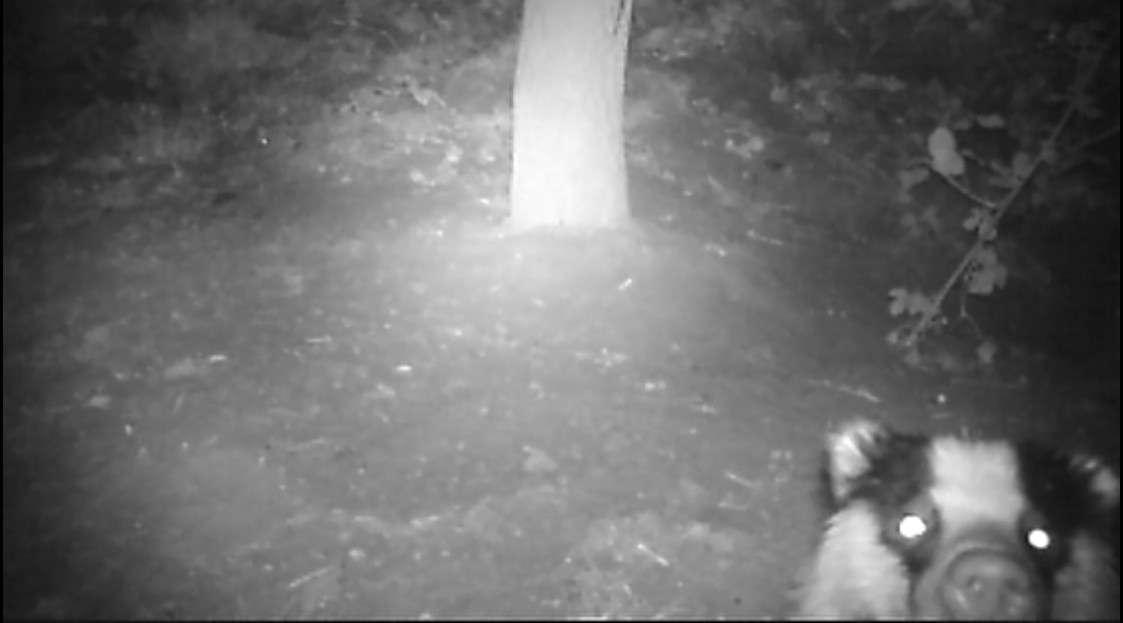
Today marks the first day of autumn and I’m delighted. My favourite season, I love it. Next week I’m back to Spurn for some early bird migration action then over the next few weeks, into October, I’m looking forward to seeing the changes on my local patch. Not just the changes in what birds I may see but the behaviour of them and mammals too. Including badgers. At the moment they’re out most of the night away from the sett in search of food, and so they’re prepared for the colder weather when they’ll spend a lot less time above ground and a lot more time below ground in efforts to keep warm. Over recent years I’ve found I always seem to get some interesting footage at this time of the year too as they spend more time closer to the sett.

Those badgers are in safe hands. Well, on safe land. I don’t mean that because I watch them and keep an eye out for them (this does help if they were to be targeted by wildlife criminals) but this land isn’t within any of those ten perimeters where the ineffective slaughter in a bid to control Bovine TB has begun.  So far over the 2013, 2014 and 2015 culls, over 1,600 animals have been killed in Gloucestershire, over 1,500 in Somerset and over 700 in Dorset, which makes a total of almost 4,000. 4,000 too many animals killed yet they continue despite everything. Despite the science, despite the cruelty of the killing and free shooting, and despite the cost which in total sums up to well over £7,000 to shoot one animal. Of tax payers money that is.

‘The science’ is a term thrown around quite a bit by those in opposition, that’s because there’s a lot of core evidence which suggests many different things. Many of the readers to my blog who have followed it from the start will know about my love for badgers due to my multiple posts about them, hours of trail camera footage I’ve shared and much more but this isn’t the only reason why I campaign against the cull. I also do it to oppose our bigoted government whom are letting this ridiculous and injustice torture to take place in the British countryside. A place of retreat and happiness turned into a political playground.

If you condense it down and look at the basics, that includes taking away the ‘cute factor’, it’s a disgrace. Going back, look at the science. The hard science because what’s more reliable? The most recent significant results of a study found Bovine TB isn’t passed on through direct contact between cows and badgers. During their field study, badgers and cattle didn’t come into contact with each other. It is evident most TB is contracted by cattle to cattle contact. The research did find that it could be contracted through contaminated pasture and dung too. This links back to farming practices though, if slurry a farmer spreads over their field includes infected dung then the bacteria is all over another field.

The study, led by Professor Rosie Woodroffe at the Zoological Society London, also found that even when culling cattle and badgers the bacteria can remain on the field for months. Therefore slaughter isn’t the answer, the issue needs to be addressed efficiently. Many have suggested the answer is for DEFRA to take money out of the ineffective cull and put it into educating farmers and improving bio-security on farms. As Wales have done. Bovine TB in Welsh herds is down 14 per cent over the past 12 months, with 94 per cent now TB free and guess what? No badgers have been killed.

Why are more badgers being killed this year then? DEFRA have tripled the number of licenses issued compared to last year. There is a great amount of opposition yet to give the farmers something in efforts to eradicate TB they take us back to what always seems to be the answer within our countryside, kill it. DEFRA, Andrea Leadsom, and the majority of farmers represented by the NFU (and maybe a few more) are obviously content that their ‘strategy’ (AKA slaughter) is and will deliver results. Yet not one animal that has been culled has been tested for TB since the culls began in 2012.

The role out for this year is massive. To reach minimum targets, marksmen are going to have to kill 10,000 badgers between now and the end of November. No one has given any justification for this, yet it’s already taking place. We’re being ripped off and they won’t listen to a word we say. That doesn’t mean we may as well give up because we have to make them listen. They’re not stupid, they know it isn’t going to give them any results, even if they were to wipe out every badger in  England. Why are they robbing us then?

We’ve got the facts though and therefore we’re right. It must end and we’ll win. Please do what you can; whether that’s signing the petition recently set up, support campaigns from the Badger Trust, donate to their cause, take a look at what your local badger group is doing, write to your local MP or anything, it’s worth it.

.badgerpeekabo1.jpg

Birdfair 2016

On Sunday afternoon, in the uplands of Shropshire myself and fourteen other young naturalists sat in the heather upon Stiperstones. It was quite strange; the ground we sat on was boggy, we ate bilberries from the bilberry bushes mixed in with the heather, we were rummaging for what invertebrates we could find, and we all discussed the pros and cons of heather moorland, rewilding and driven grouse shooting. It was quite a comparison to the previous day at Birdfair; from lots of excitement to complete calmness. But what you’re probably thinking – very refreshing. Young naturalists talking in depth about conservation issues.

On my first day at the Birdfair (Friday) all three of the talks that I managed to fit in were about similar topics. The first one was early afternoon. It was a presentation from Birders Against Wildlife Crime and The Badger Trust with Charlie Moores (BAWC) and Dominic Dyer (Badger Trust) conversing and being questioned by Mike Dilger. Before I go on and talk more about what was spoken about, I just wanted to emphasis how brilliant it was to see these three inspiring people sitting on the stage together. All being from different backgrounds and groups yet all collaborating with the same desire to protect and defend our wildlife. The Badger Trust who aim to protect badgers from persecution, the cull and raise their profile in a positive way which is away from the politics and media, and Birders Against Wildlife Crime who do a similar job but mainly to expose the wildlife crime which is happening and aim to make everyone and anyone aware so they can be ‘Eyes in the Field’. Then Mike Dilger who is a very well known BBC presenter from his work on The One Show, in which addresses an audience of not just those who do have an interest in nature but those of all ages and interests. Something that is perhaps even more fantastic is the work the organisers of Birdfair have done this year to get topics like wildlife crime onto the centre stage with audiences of over a few hundred people.

Those in that tent on Friday afternoon, yes, may be very keen birders or naturalists but perhaps they weren’t too sure about wildlife crime or wouldn’t of known how to identify one if they came across it. They’re also the type of people who are needed to get out and share the word with family, friends, colleagues and so on.

Anyway, over the 45 minutes Mike asked Charlie and Dominic a series of questions which brought up a range of topics, from the growing awareness of wildlife crime throughout the public, lobbying of MPs and those decision makers to what we can all do. We don’t have to put ourselves into harm or even go out of our way to help tackle wildlife crime but it can be the simple motion of keeping our eyes and ears peeled and not turning a blind eye or deaf ear. As discussed, learn some simple things to remember the three R’s: Recognise, Record, Report.

Later that afternoon in the events marquee was another thought provoking and important 45 minutes but this time it came in the form of a debate. A debate on driven grouse shooting and whether there is a future for it. On the Birdfair programme it was labelled as ‘a chance to hear both sides’ and I did hear some comments after saying it was quite bias. However it was mentioned Simon Lester, Former Head Gamekeeper Langholm Moor, was the only person who accepted the offer to debate the ‘side’ for driven grouse shooting. No one from the Moorland Association, or BASC or any other ‘countryside sport’ organisation took up the offer to share their side. Funny that. However there were a few comments from the audience for driven grouse shooting which did make it quite lively and even more interesting. Saying that, there were obviously some disagreements within the panel from those who are against the impacts of the activity.

It was great to see Natalie Bennett there too. Someone from the audience pulled out that we need to be getting more people in Parliament speaking out against driven grouse shooting, which is very true but it’s great to have a party leader going well out of her way to do that. Others on the panel included Dr Mark Avery (of whom all my readers probably know who he is!), Stuart Housden (director RSPB Scotland), and chaired by Dr Rob Lambert.

Later on I also managed to attend the evenings Rewilding Britain event. It was hosted by Chris Packham with others including Helen Meech, Director of Rewilding Britain, and Derek Gow, a conservationist who specialises in rewilding. To start Chris eloquently set down his thoughts on rewilding. He gave a brief overview of the ecological benefits and the aim of reintroducing long lost native species then handed over to the two speakers who went into great detail about their specialised areas.

To me, rewilding is fascination and anything that will make our landscape a richer place regarding habitat and biodiversity, I’m up for. When Helen Meech gave her talk she spoke about something that I found interesting which was about how anyone can do their bit for rewilding. No that’s not signing a petition or writing to your local MP (well, you could do) but rewilding places locally to you. For example your own back garden. Derek Gow went into more detail about rewilding from many different angles. He was incredibly knowledgeable and undoubtedly very passionate about it, as was Helen Meech. So much so their enthusiasm was infectious and made the whole evening very enjoyable. Points he made included the fact that even though some may not think it, rewilding is simple yet it would be very effective. He went through numerous projects which have been carried out across Europe and have been successful, and there is nothing stopping them from also being successful here in the UK too.

Overall it was a very positive and exciting evening. The thought of our landscape being revitalised similarly to the way it looked when it was thriving with biodiversity and species which have long been extinct should excite anyone! I remember a few weeks ago at Hen Harrier Day up in Edale, the Derbyshire Wildlife Trusts Tim Birch spoke about golden eagles back in the Peak District. Why not?

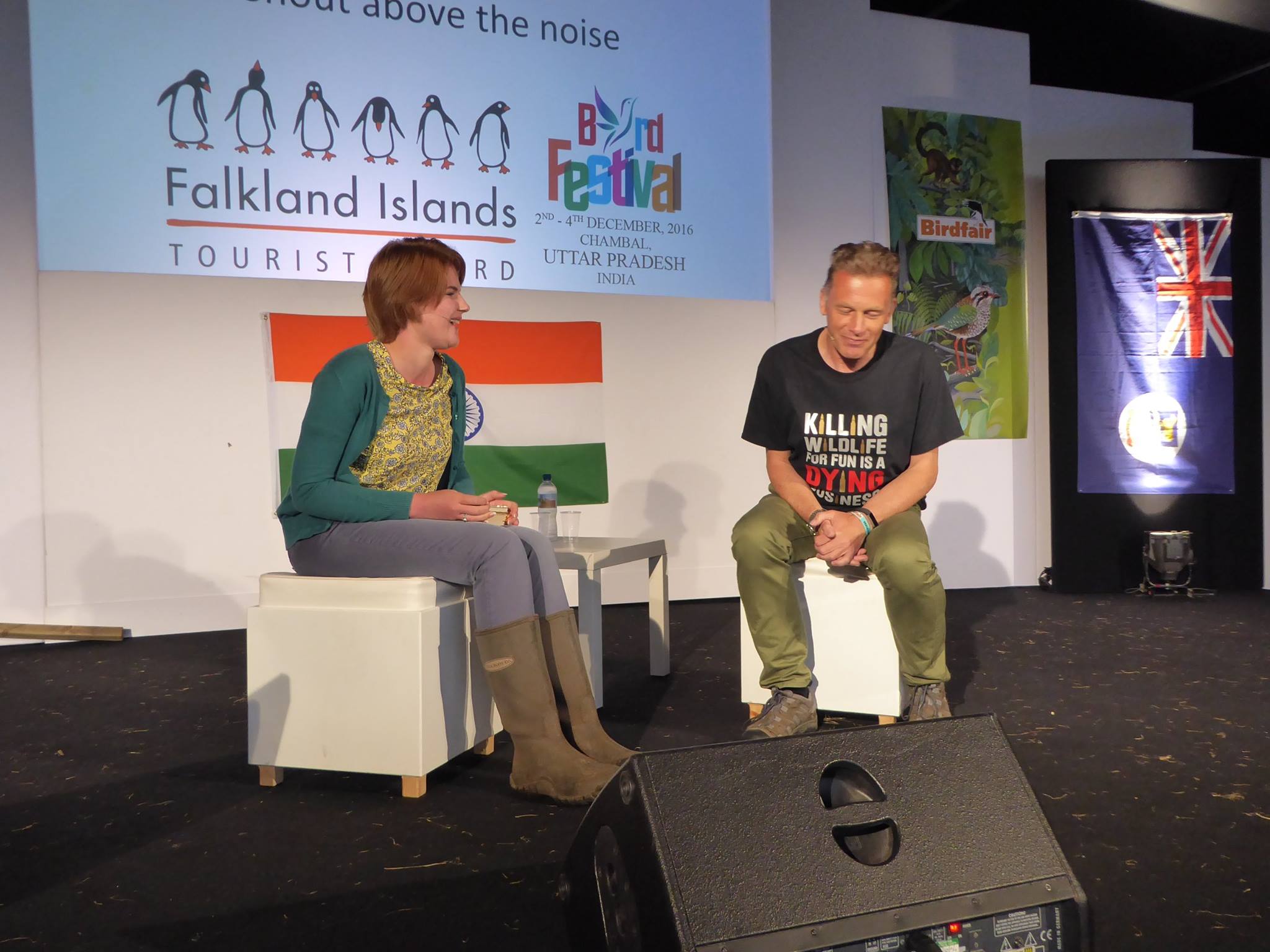
Saturday was my second day at Birdfair. In the morning, at 11am I was up on stage in the events marquee with the daunting but very (VERY) exciting task of asking Chris Packham some questions on his new book, Fingers in the Sparkle Jar. It didn’t quite work out like that though as Chris ended up asking me a few questions too on some of the things I do. This included my motivation to campaign as I do and also the importance of the young naturalist. This fitted in very well with his book as, incase you haven’t read it, talks about his life and growing up from around the age of 5-16. As time went on I really enjoyed it, I love talking about my interest in nature and it was wonderful to converse with Chris about his as a young naturalist too. It was also fantastic to have a beautiful poem read out even more beautifully by Lorna Faye about uplands, hen harriers and driven grouse shooting. Then afterwards, Chris presented a cheque to Birdlife Malta for their continued work and dedication in Malta for their bird life.

As well as seeing more on wildlife crime spoken out about over the weekend, it was also brilliant to see many other young birders/naturalists/conservationists about and being proactive. Many of these were from A Focus on Nature (AFON) and Next Generation Birders (NGB). The amount of young people in the Saturday afternoon group photo seems to have grown again upon last year too which was obviously great to see.

At the top of this post I wrote about being up in the Shropshire uplands. This was as part of my four day residential at Preston Montford, Shropshire for the Field Studies Council’s Young Darwin Scholarship Award. I had an amazing time and I’ll be writing a blog on this sometime next week. A highlight which I’m still buzzing about though was seeing an otter whilst canoeing on the River Severn – just metres away!!

14047228_1776389005965428_6499727771528731151_o

Flying higher and higher – 100,000

Straight after Hen Harrier Day last Sunday afternoon, first thing Monday morning I was on my way up to what is probably my favourite place, Spurn Bird Observatory. Once again it was a fantastic few days, as is any time that I spend there. With the highlights of Red Kite, Green Sandpiper and Little Stint on my first afternoon, Tuesday with Sooty Shearwater, Wednesday included a special moment of watching a female peregrine soar through thousands of waders on ponds at high tide, and on my last morning (Thursday) was seeing lots of terns, waders and gulls on wetlands including Ruff, Arctic terns and Mediterranean gulls, and watching an Arctic Skua successfully mobbing terns from Seawatching.

After a long journey back, I arrived home and got my internet connection back too. After browsing through what I had missed over the last few days on social media, I was very (VERY) pleasantly surprised to see that the e -petition to Ban Driven Grouse Shooting had just reached 85,000 signatures! Amazing. What made it even better was that this was on the evening before the grouse shooting season started, the Inglorious 12th.

What can I say though? Yesterday morning saw it reach 100,000!

Everyone knows what that means then, a debate in Parliament! We’ve shown that we want one so let’s have it. Unfortunately it would be quite unlikely a ban would be called upon but something it would do which is still very important is continue to boost awareness of what’s happening to our uplands. For politicians too. The next step is going to be very important and a way which will be effective will be to get in touch with your local MP and let them know your opinion. Tell them you want them there when it’s debated and the view you believe needs to be argued. In my latest blog post prior to Hen Harrier Day I shared the letter that I’ve sent to the Secretary of State for DEFRA, Andrea Leadsom, but now I’m going to send one to my local MP, Michael Fabricant – could be interesting!

I think I had some doubts that it wouldn’t reach the 100,000 mark before the 20th September. I’m not sure why though and I had certainly lost them after spending last Sunday up in Edale, Peak District for Hen Harrier Day. The day was packed with nothing less then inspirational talks, chatting to passionate individuals and a very empowering buzz. On the very first Hen Harrier Day two years ago in the Peak District, a few hundred people stood soaked but now look at the result. 100,000. The support is growing and we will win.

And I couldn’t not put in a message to all those who have made this happen and I know will continue to do so until we do win. Those repeatedly sharing the petition on social media, going out of their way to tell everyone and anyone, supporting events, lobbying decision makers and those prominent figures who have worked tirelessly; the likes of Mark Avery and Chris Packham, and those behind the scene at BAWC also The League, plus many, many more.