Guest blog post – Magpies.

Finding people my age who are like minded about wildlife and the outdoors is very rare. However, a few weeks ago I visited a blog by a girl called Emily who is a similar age to me. Her blog is called ‘Nuts about Nature’ and is quite similar to mine. It’s a brilliant blog and I highly recommend everyone follows this link to it – http://nutsaboutnature98.blogspot.co.uk/

After having a look through her blog and what she gets up to I decided to ask her if she’d do a guest blog post for me on my blog, this is the first one of these I’ve ever done and here it is.

Hi, I’m Emily and I have a little nature blog called ‘Nuts about Nature’. I hope you enjoy this guest post I am doing on Georgia’s blog today!

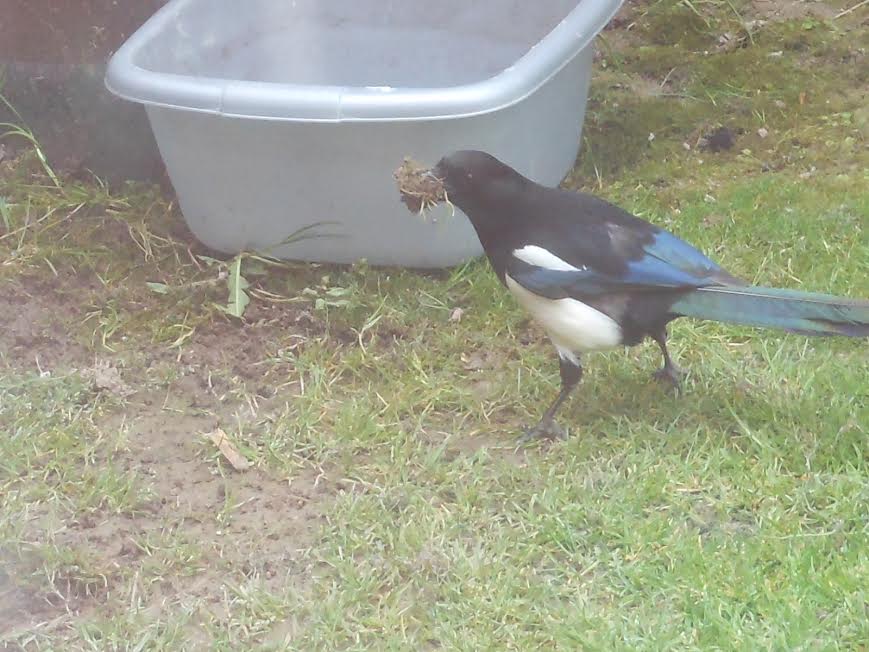
A little while ago I noticed that a pair of Magpies were collecting nesting materials from my garden. I’d never seen Magpies in my garden before, so I was so happy to see that they were using materials from my garden to make their nest.
unnamed (1)

After collecting a ‘beak-full’ of straw, grass and moss they flew straight to their nesting site. Which is very close to where I live, so I had a perfect viewpoint!
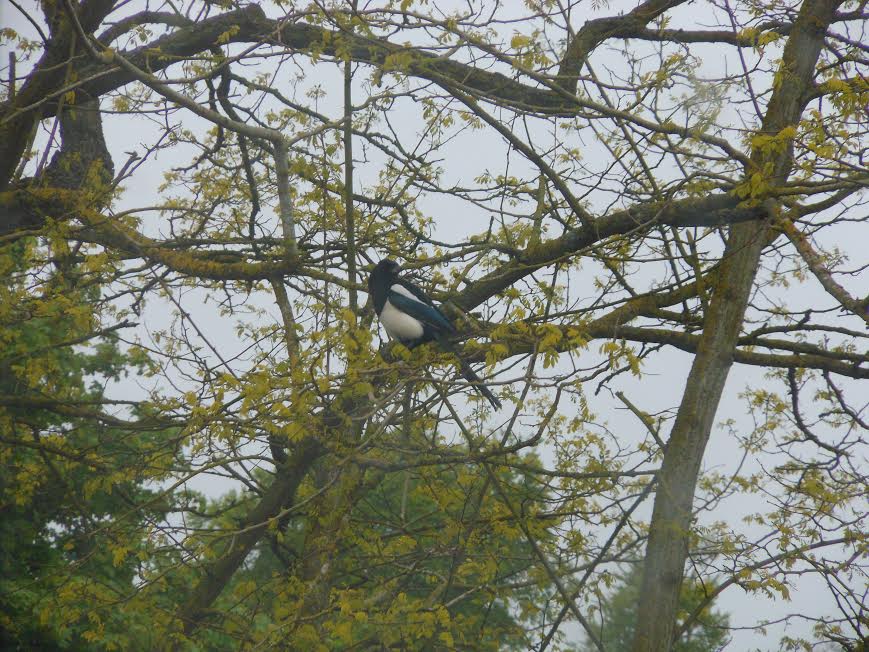
I also saw one of the Magpies break twigs off of a tree, some were longer than the bird itself!
unnamed

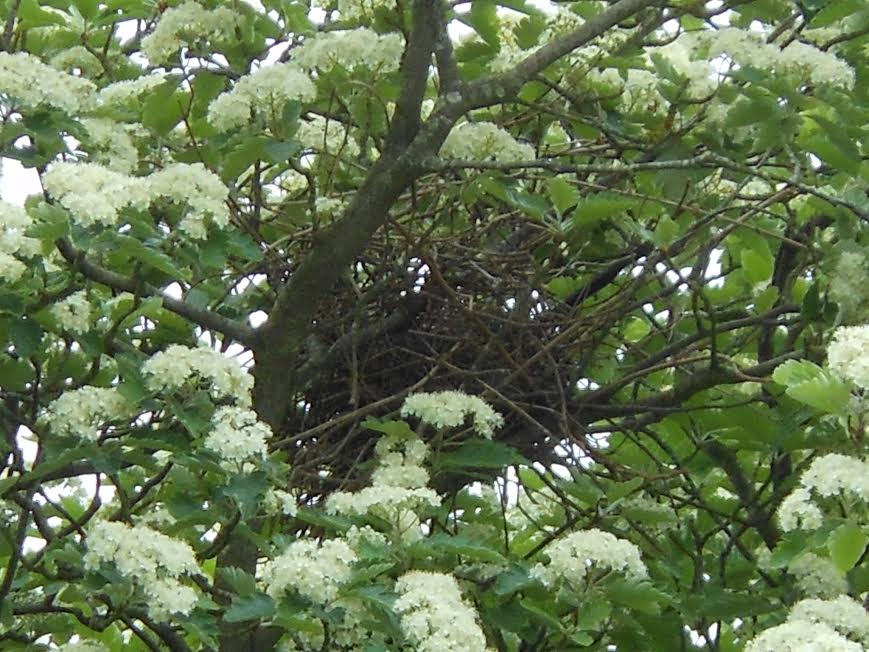
A few days ago, after the Magpies had finished building their traditional untidy and large nest I decided to walk up to the tree they chose to nest in.
unnamed (2)

If you look closely in the photo above, you can see the female Magpie sat in her nest, incubating the eggs. The males feed the females throughout the whole incubating period. Also, I recently found out that when food is scarce, Magpies use their sharp beaks to dig little holes in the ground around their territory to hide food. They then cover the hole over with grass, stones or leaves.

Female Magpies usually lay around six green-blue eggs which have brown spots, she then incubates them for around two and a half weeks. Both of the parents feed the chicks, but if there isn’t much food around, the older chicks – which are usually stronger – get all of the food. This means that some of the chicks will survive.

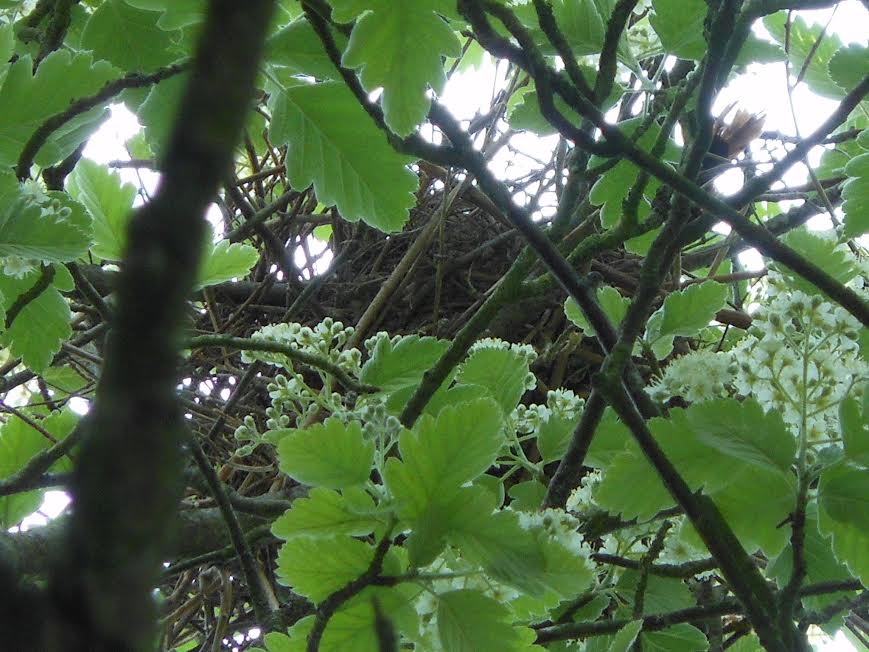
I reckon that the Magpies finished building their nest approximately two weeks ago, so I’m expecting to see both the parents busy searching for food to feed chicks very soon!
unnamed (3)

I’m looking forward to seeing the Magpie fledglings fly around. They usually stay in their parents’ territory for a few months, normally until around September time.

It’s amazing that all the different birds are so busy at this time of year. Up until a year ago, I never realised just how clever and interesting birds are!

 

New garden resident.

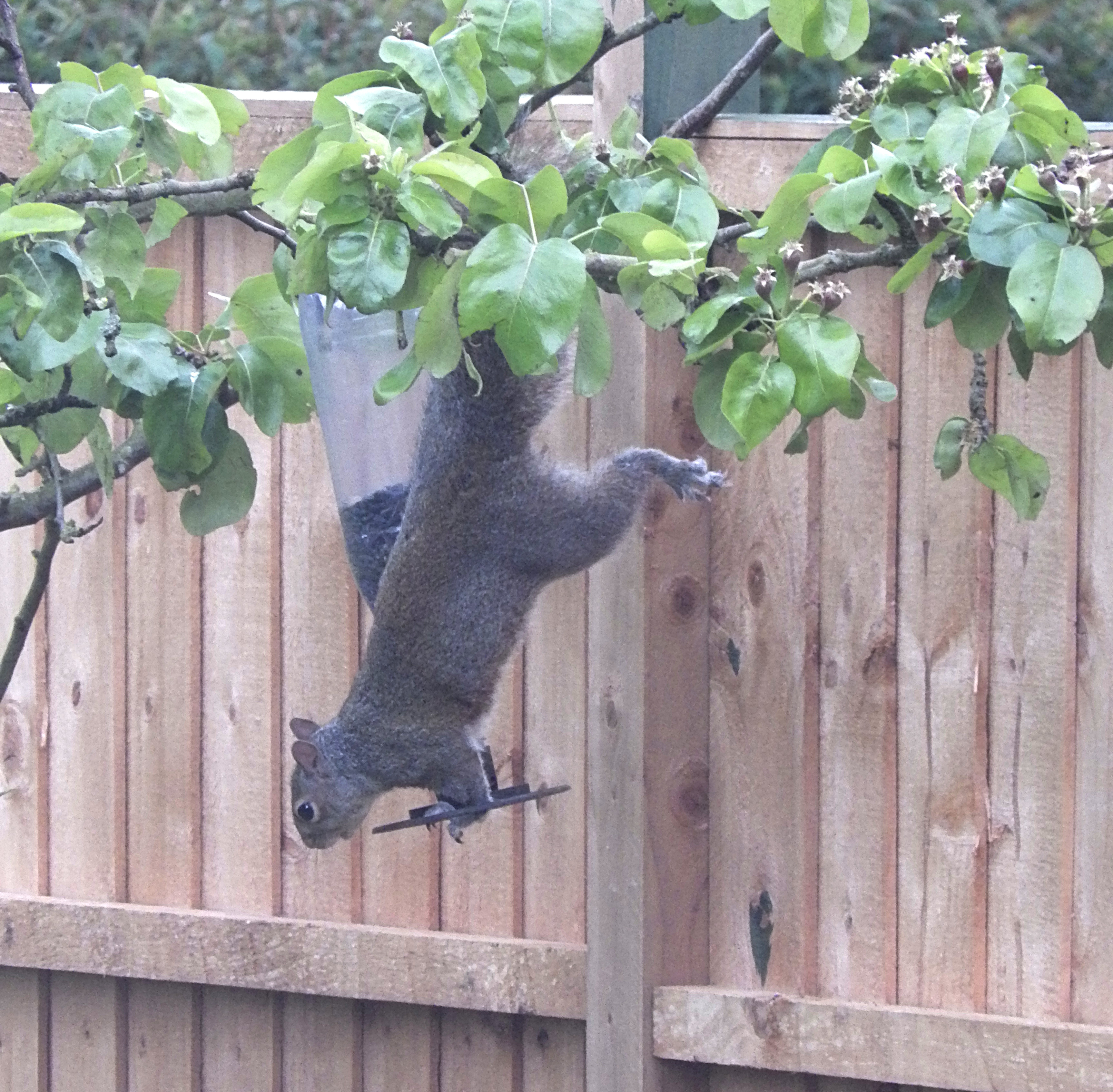
This morning my excuse for being late to school was much different to most. This was because I had a grey squirrel visiting my garden for the very first time! Grey squirrels aren’t a rare species but I was very excited when I saw that I had attracted a new mammal species  into my garden. I managed to get a few photos in between getting ready but I hope to get lots more in the future. Here’s one of the photos that I took of the acrobatic squirrel.

squirrel

Surprise!

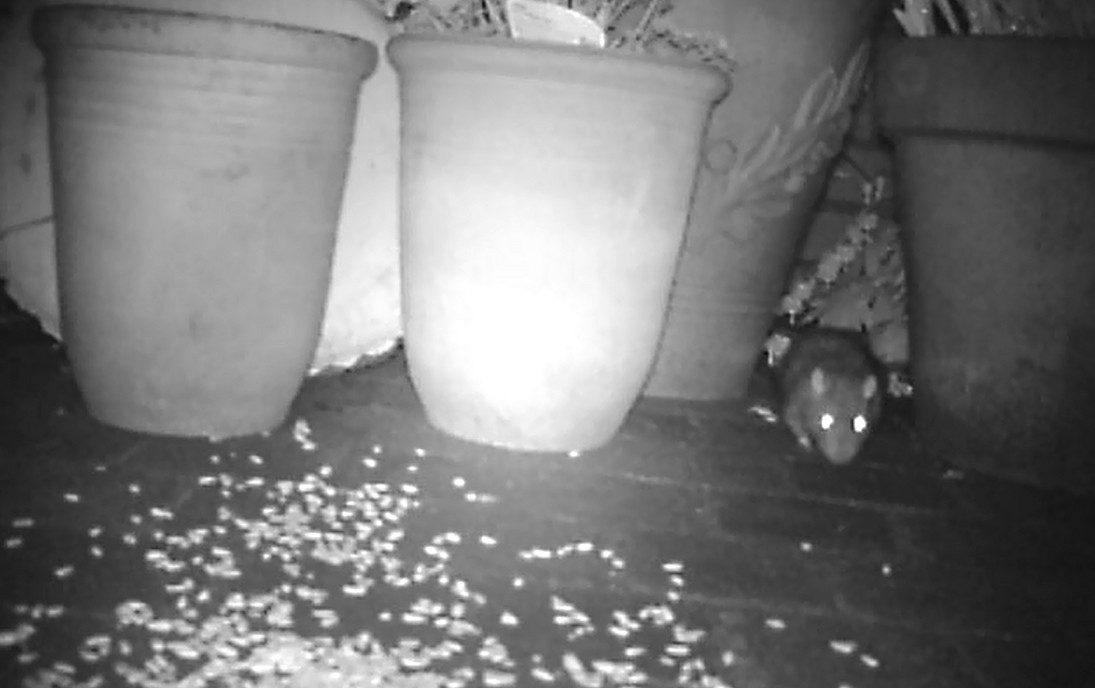
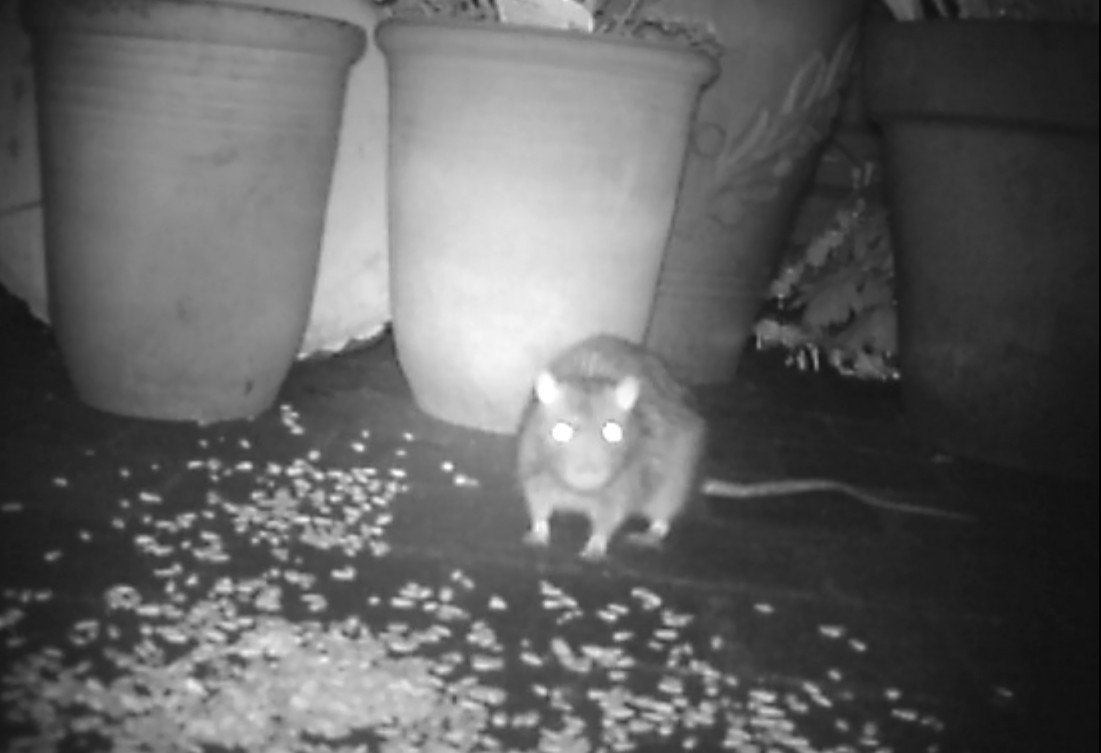
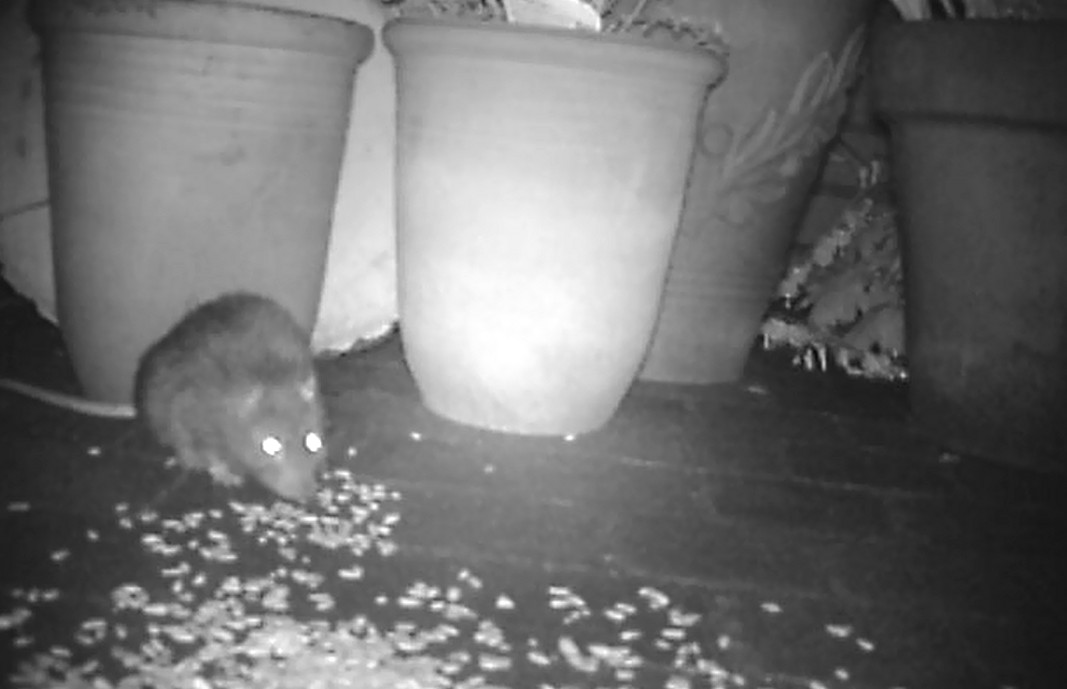
On Friday night I decided to set my trail camera up in my Nan’s garden. A few weeks back she noticed a hole had been dug underneath her fence and we weren’t that sure what had done it so I decided to set my trail camera up in her garden to find out. When I collected my camera yesterday morning and looked at my footage I was surprised to see that I had recorded a rat! This was the first time that I had properly recorded rats on my trail camera. We think I may have recorded more then one but we’re not sure. Unfortunately I hadn’t set the settings on my trail camera right so I only have some screen shots. Here they are.

rat rat3 rat2 rat5 rat4

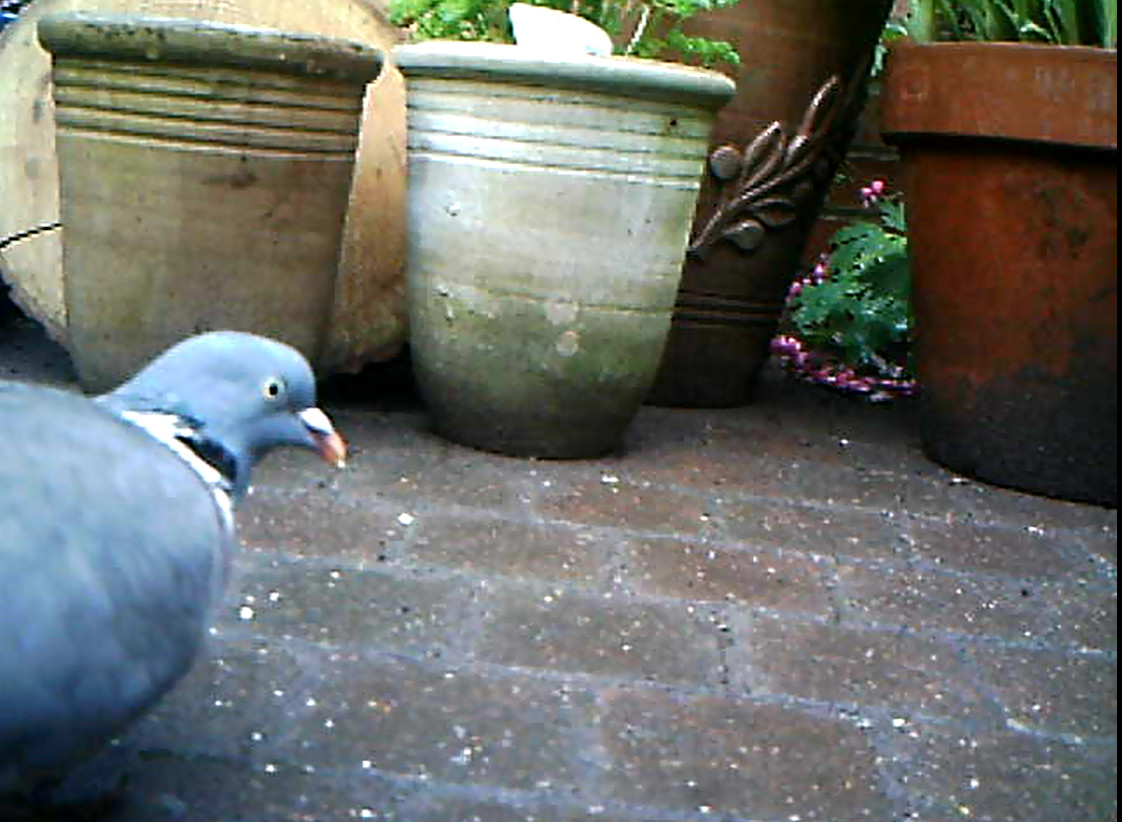
pigeonAnother visitor that I had before collecting my trail camera in the morning.

Fungi quiz answers.

Following Thursdays wildlife quiz here’s a post with the answers on and some information about each of the three fungus’ I quizzed about.

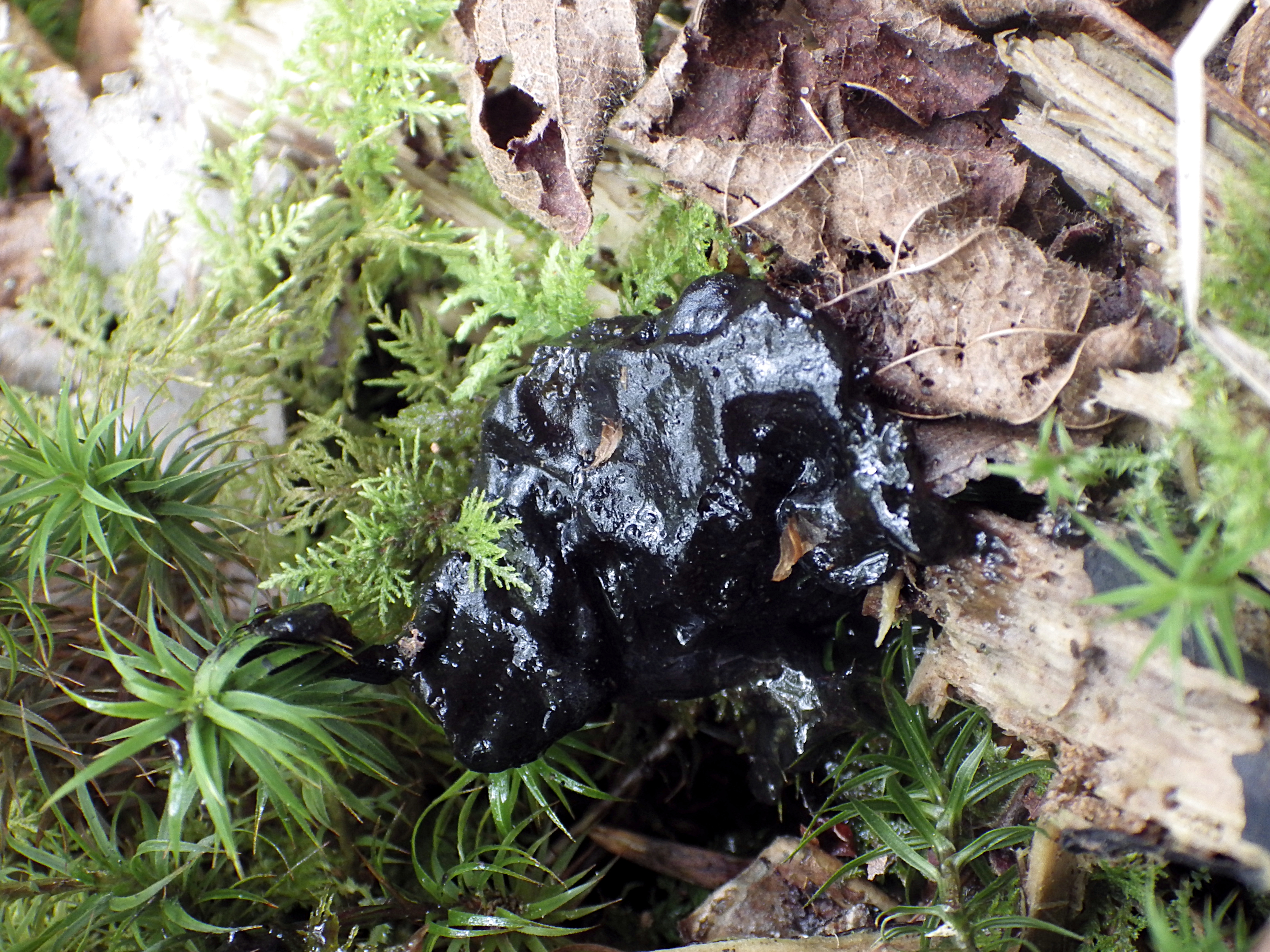
Image                                                                  This fungi is called witches’ butter (Tremella mesenterica). This photo of mine featured on BBC Autumnwatch Extra last year and BBC Winterwatch Unsprung. It is normally found on a tree however this had fallen off onto the floor. 

Image                                                                                               This one is called Fly Agaric (Amanita muscaria), it is a very iconic toadstool and is commonly depicted in children’s books. The fungus is dangerously poisonous and the name fly agaric derives from the fact that since medieval times it was commonly used as a fly killer.

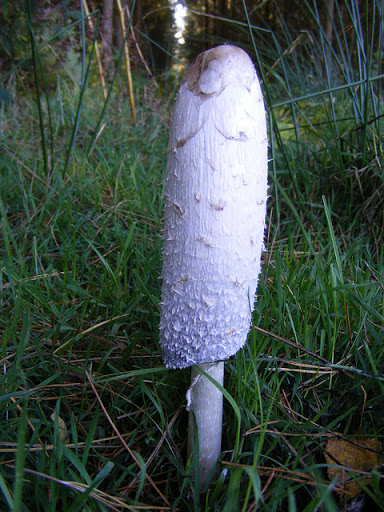
Image                                                                                                                  This one is known as a shaggy ink cap (phylum Baasidomycota) and can be spotted in meadows, woods and roadsides verges. They are common and widespread in Britain and Ireland and it is also found throughout mainland Europe, from Scandinavia down to the southern edge of the Iberian Peninsula and the shores of the Mediterranean. It also occurs in Northern America.

Next weeks quiz is all about British butterflies!