Day in London : Our Environment Our Future

Most people visiting London for the day would perhaps go sightseeing or to see a West End musical but yesterday I went to discuss a project about getting young people involved with nature and the environment.

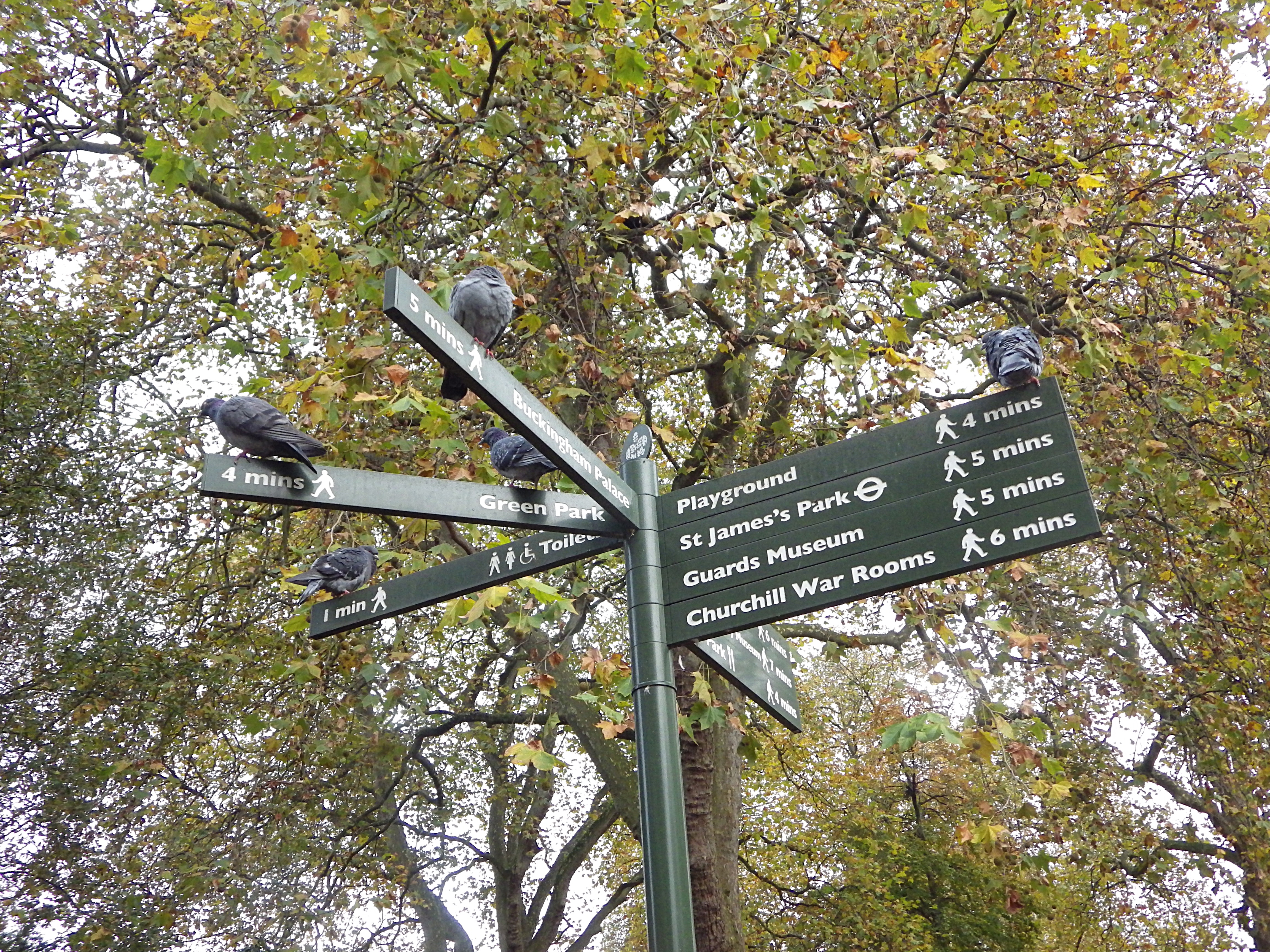
We caught the train from our local station at 9:00 and arrived in London just after 11. We then caught the tube to the Park Green station and walked through Green Park to the building where the conference was being held. I managed to get a few photos whilst walking through Green Park and it nice to see people enjoying the green spaces within London, not just the built up areas. There was some unusual wildlife here though, for instants a turkey! Along with lots and lots of grey squirrels, gulls and pigeons.

When we finally arrived, after stopping about every few foot steps to take photos, and the conference began I got to learn more about this exciting new project which is all about getting young people (aged 11-24) involved with nature and improving their local environment.  It will take the form of a portfolio made up of around 30 individual projects across the UK. The Big Lottery Fund plans to invest £30 million across the UK to support these projects. The Royal Society of Wildlife Trusts is the leading consortium which has been chosen by The Big Lottery Fund. Other members of the consortium include Centre for Sustainable Energy, Community Service Volunteers, Field Studies Council, Plunkett Foundation, The Conservation Volunteers, vInspired and Yorkshire Dales Millennium Trust.

Our Environment Our Future is all about young people shaping their local environment and acquiring new skills for the future. Outcomes of this £30 million investment include:

  • Make a significant change in the quality of our urban and rural environments.
  • Increase the ability of young people to improve places that are important to them and to influence the attitudes and decisions that shape their neighbourhoods and communities.
  • Catalyse change led by young people, by investing in both the direct improvement of the environment and the development of young people.

The Wildlife Trust, along with the other 7 members of the consortium, are now managing the portfolio investment and along with The Big Lottery Fund are working to identify and asses individual portfolio projects. They are now calling for expressions of interest from potential portfolio projects. If you are interested in applying to lead a project as part of the portfolio click here or if you’d like more information click here. You have until 5pm on the 17th of December to submit your Expression of Interest form.

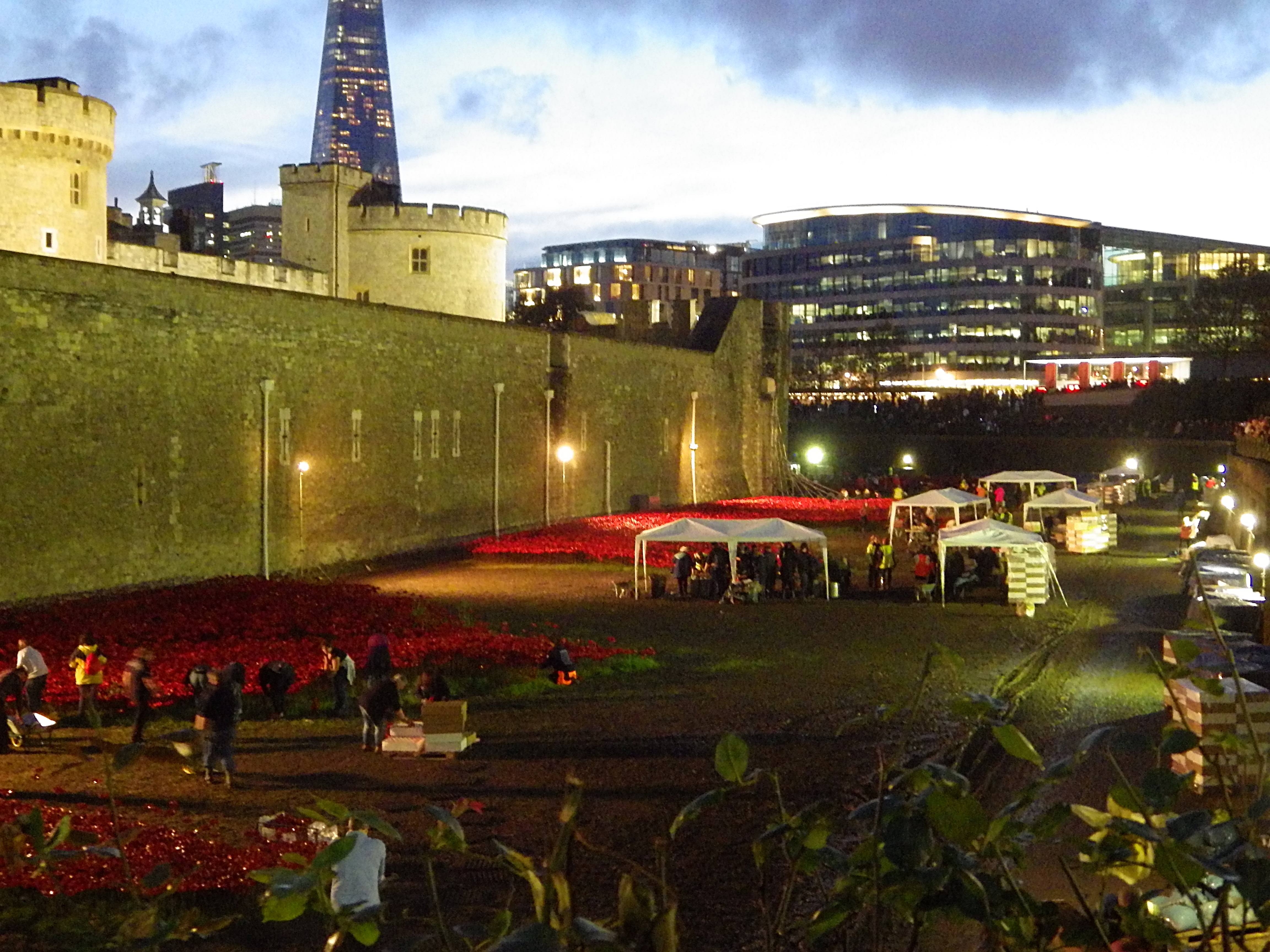
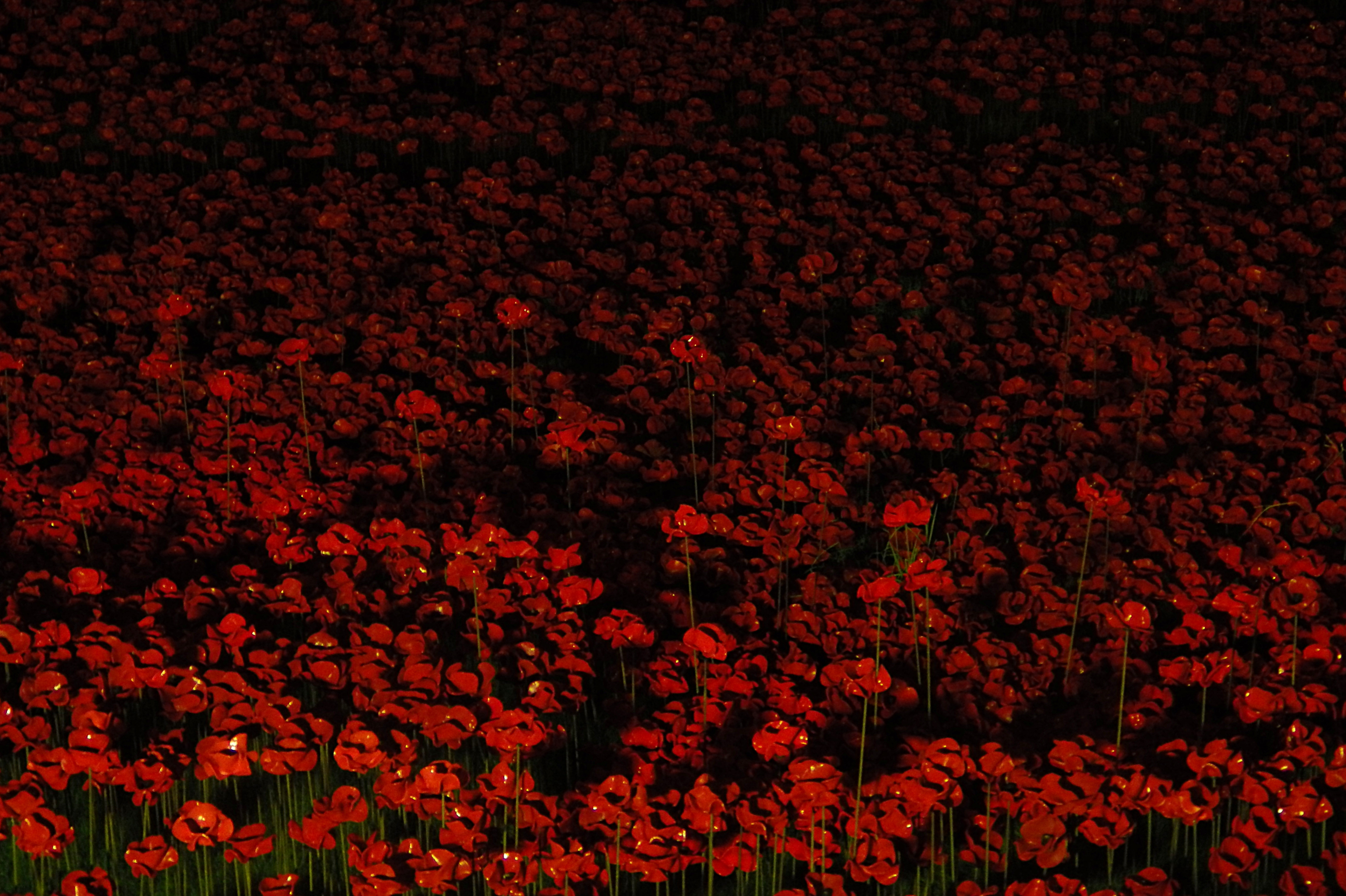
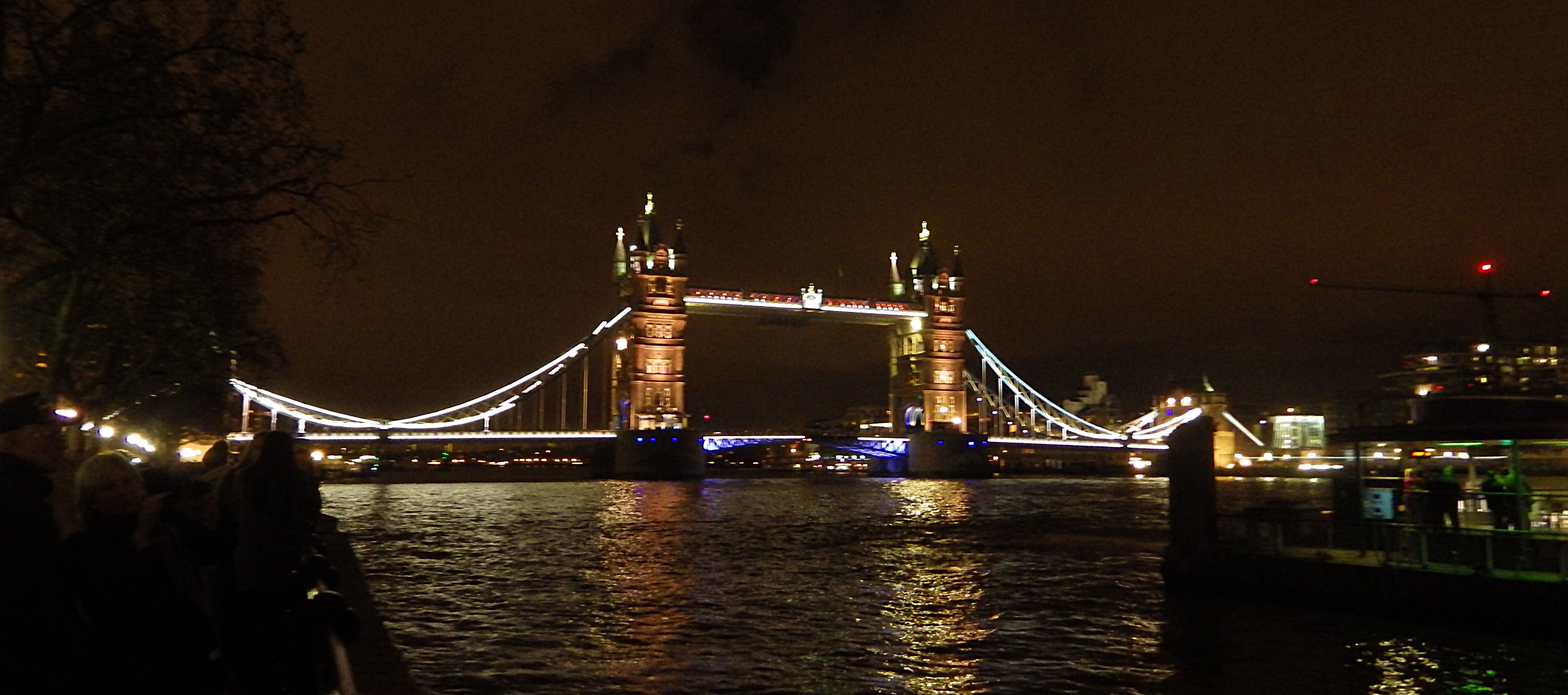
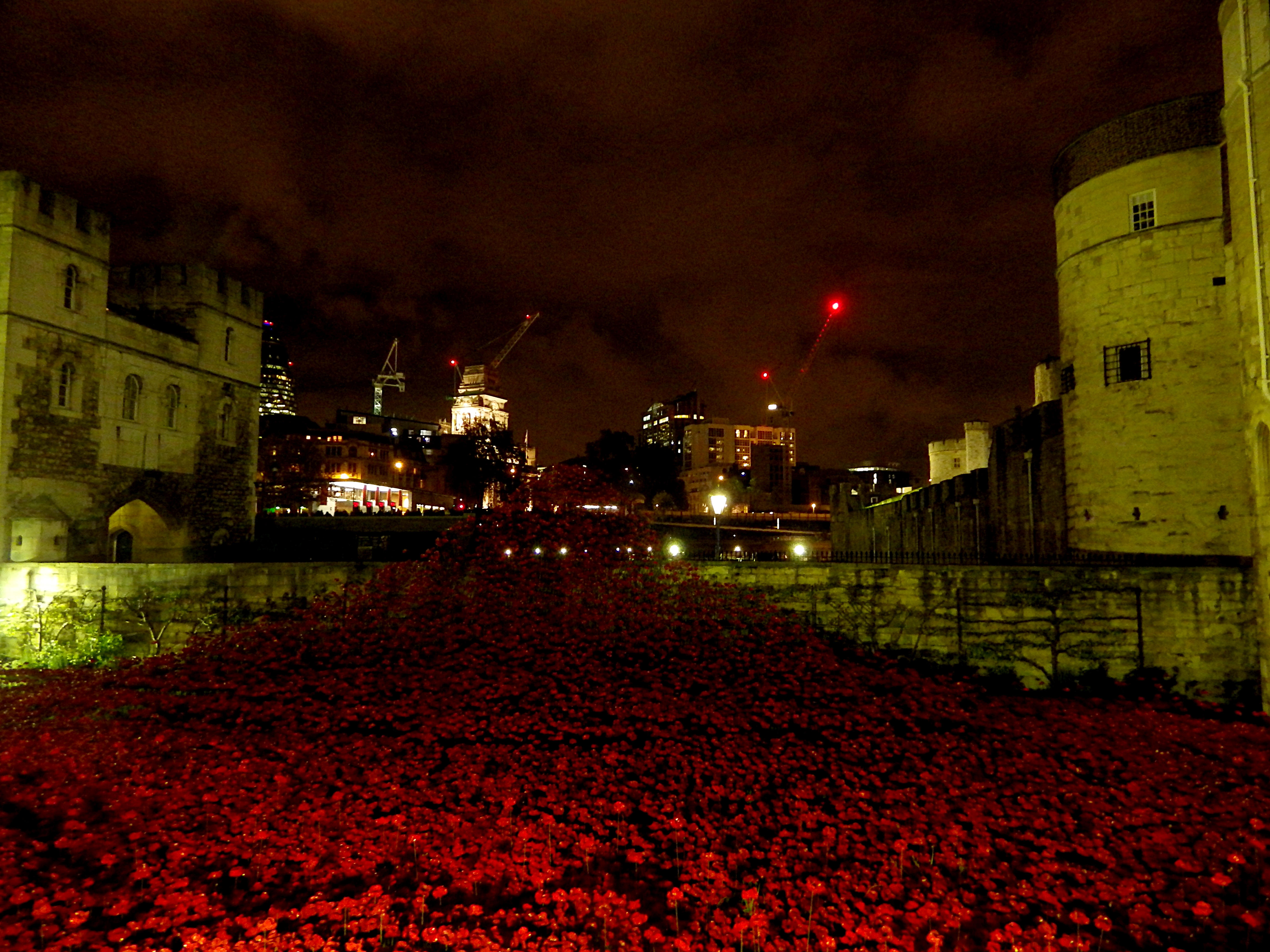
Overall it was a great day for me as I feel very passionately about getting young people involved with nature as they are the future.  I also enjoyed meeting 8 other young people from the other members of the consortium as they all feel passionate about the environment in different ways. After the conference we also had some time to go and see the poppies at The Tower of London. They had already started dismantling them but they still looked fantastic.
IMGP7059

poppies

IMGP7636

IMGP7643

poppies1

bridge


Act for Nature.

Today I came across a campaign which has recently been set up by The Wildlife Trusts and RSPB. It is also backed by a number of other organisations which include WWT (Wetlands for life), Butterfly Conservation and many more. The campaign is called Act for Nature and it is a proposed piece of legislation to bring about the recovery of nature in a generation for the benefit of people and wildlife.

The joint campaign is asking politicians to act for nature and call for a Nature and Wellbeing Act in their Party’s election manifesto. The new laws would ensure protection and enhancement of nature as an investment in our nation’s prosperity.

You may ask, why do we need to act for nature? Well, the answer to that is for many different reasons! The first one is that we are loosing it at an alarming rate and something needs to be done. There are four principal causes of damage: habitat degradation, over-exploitation, pollution (particularly global climate change) and the introduction of invasive non-native species. The State of Nature report found that 60% of our UK species we know about are in decline. Habitats are becoming more fragmented and their condition is worsening to the extent that only 37% of the best sites are in good condition. These are just two of the worrying statistics about the alarming drop in our UK nature. From here though, at the moment, things aren’t looking too good for the future as only 1 in 10 children regularly play in wild places, compared to almost half, a generation ago. Without more young people growing an interest in the natural world and fulfilling a career in years to come the state of conservation will be lower and these statistics could decrease more and more. From my experience, at school I don’t know anyone who has any real interest or knowledge about nature. Then when I listen to stories of my Grandparents they explain that when they were at school everyone had an interest and everyone would regularly play in wild places. Also throughout my education I have never had many lessons about nature except for a few biology ones explaining the basic food chains – in my opinion this really isn’t an encouraging way of getting more kids involved and interested.

Nature helps us in every way possible, without it we wouldn’t even be here. For example the bees that pollinate the crops which create the food that we eat and just generally being outside that helps our wellbeing. It really does have a profound effect on our day to day lives. Currently we are facing increasing numbers in obesity and physical inactivity, and one in four of us will experience a mental heath problem at some point in our lives. Physical inactivity affects 60-70% of the adult population. The physical fitness of children is declining by up to 9% per decade. Many heath issues are linked to environmental inequality. Considerable evidence show that contact with nature can help to prevent and reverse poor health and wellbeing.

My last point, but certainly not the least, is the how much pleasure myself, and many others, get from being outdoors and observing the natural world in many different ways. From appreciating our endangered Hen Harriers fulfilling their distinctive sky dance to nature lovers feeding and caring for their garden residents. Like many others I experience the beauty of the natural world everyday. Whether it be the simple things like the change in colour on my local patch as the Autumn arrives or filming timid badger cubs emerging from their sett for the very first time.

From a young persons prospective the plummeting decline in our British wildlife is very worrying, whether it be as a whole or just individual species. It’s very scary and I often think about. Will anything be done in time? Will our wildlife ever be able to thrive within our landscape or will we carry on fighting for it’s survival. I want to do my best to make sure the natural world around us goes onto teem and be appreciated and noticed by everyone.  This campaign could help a lot by putting nature at the heart of how our country is run, so everyone can enjoy the benefits it provides in our everyday lives.

Within the Nature and Wellbeing Act, some of the changes that would be created for wildlife and nature include:

  • Wildlife in Neighborhoods
  • Making caring for nature a key purpose of schooling
  • A call for everyone to live no longer than 10 minutes walk from a natural space
  • Make access to nature and wild places part of preventative and treatment-based healthcare
  • Set new targets for increased wildlife and raise the nature baseline
  • Make sure our existing wildlife protection laws remain strong and continue to defend threatened species and habitats from harm.
  •  Create an Office of Environmental Responsibility in government to ensure targets for recovery are met

To support this campaign for a Nature and Wellbeing Act, take action and find out more please click here.

actfornature

Save Hopwas Wood, Staffordshire!

Yesterday morning I found out about proposed plans to turn one of my local patches into a quarry. I regularly visit the ancient woodland as it isn’t far from where I live. I’ve visited it for as long as I can remember, for example walking through the woods on a number of occasions and taking photos of the wonderful wildlife. I was very upset when I found out this news and decided that I wanted to do something about it.

After hours of research I decided to create an online petition as I hadn’t found any others. My petition is targeted at the local Council as they are currently discussing the plans and a verdict will be released on the 5th of December.

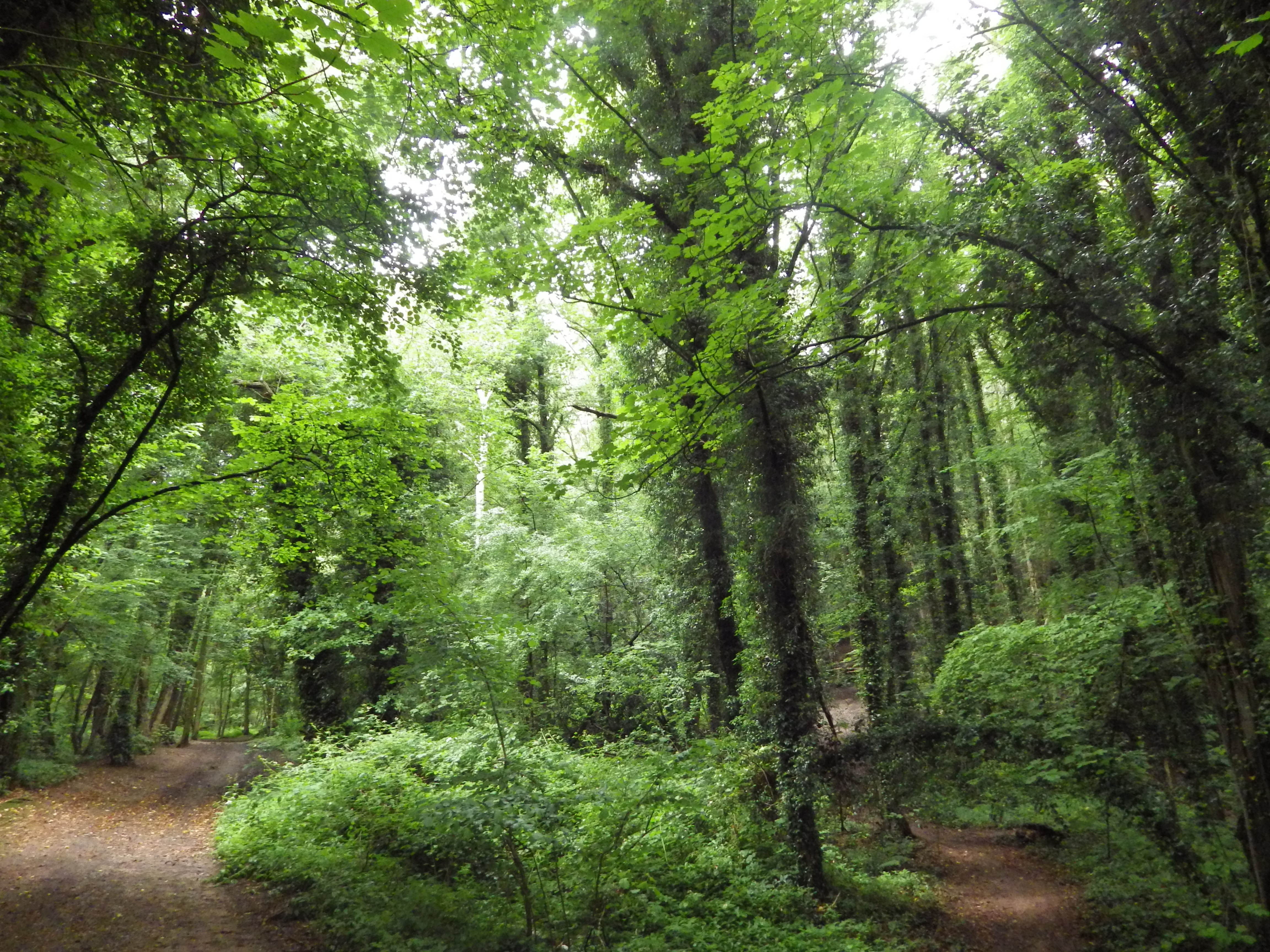
Along with many others Hopwas Wood, also known as Hopwas Hayes Wood, is one of my favorite outdoor spaces. It consists of approximately 385 acres of ancient woodland which date back to the doomsday book.

The area is listed by the SPNR as a large ‘primeval forest’ and ‘a good place for plants which frequent woody places’ as well as birds and insects. It is also important for a number of protected species such as otter and grass snake.

Here’s a link to the petition I have set up. I would be extremely grateful if you could sign and share – https://www.change.org/p/staffordshire-county-council-save-hopwas-wood-staffordshire

9

Mammals go exploring!

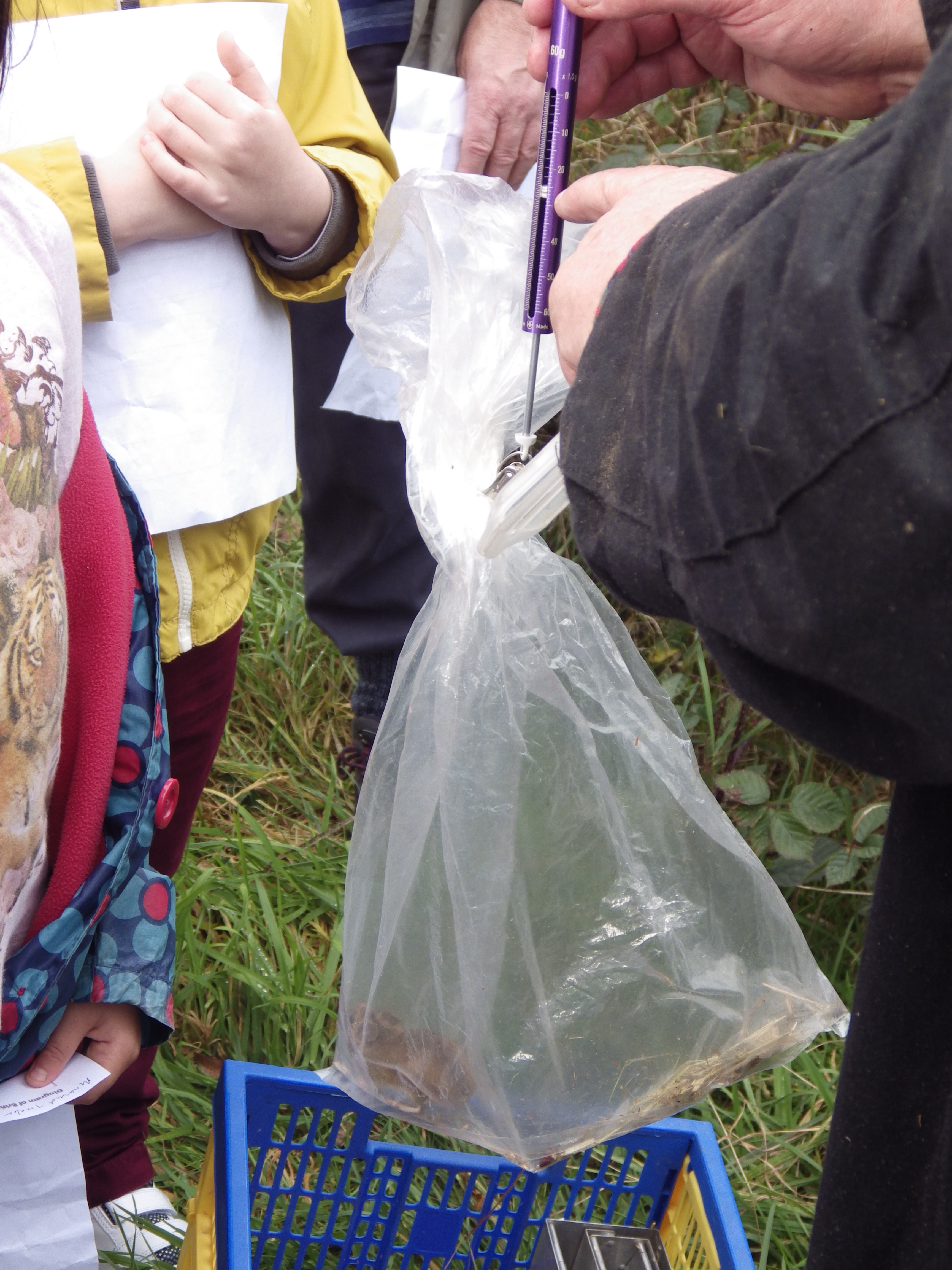
Once a month I go to a local Wildlife Watch meeting at the National Memorial Arboretum. As I’m quite a bit older then the other kids I act more as a leader within the group. Yesterdays session was about all about various mammals which are present at the Arboretum. A local mammal expert, Derek Crawley, set 39 traps out the night before then we went to collect them during the session and to see what mammals had been trapped over night.

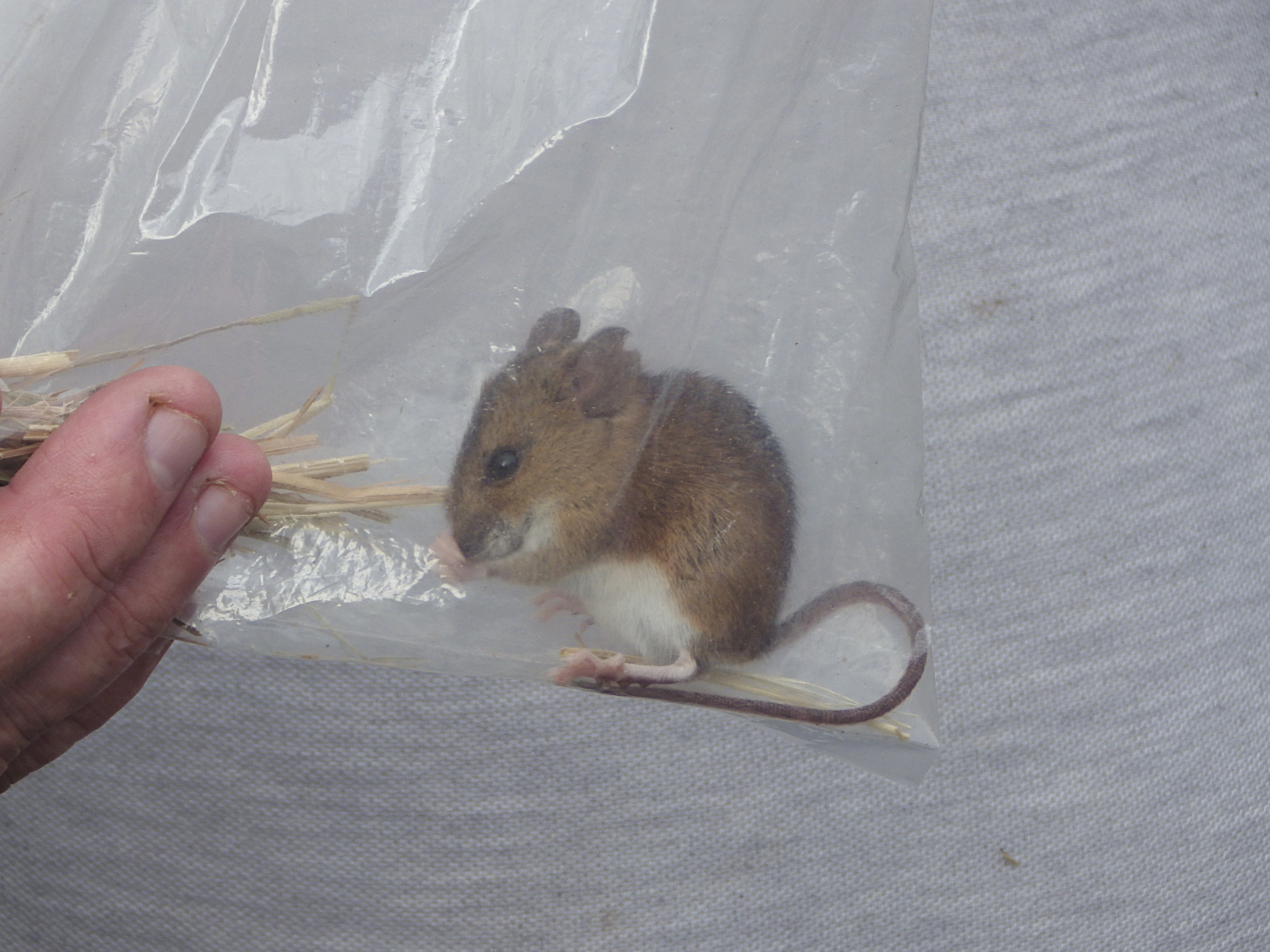
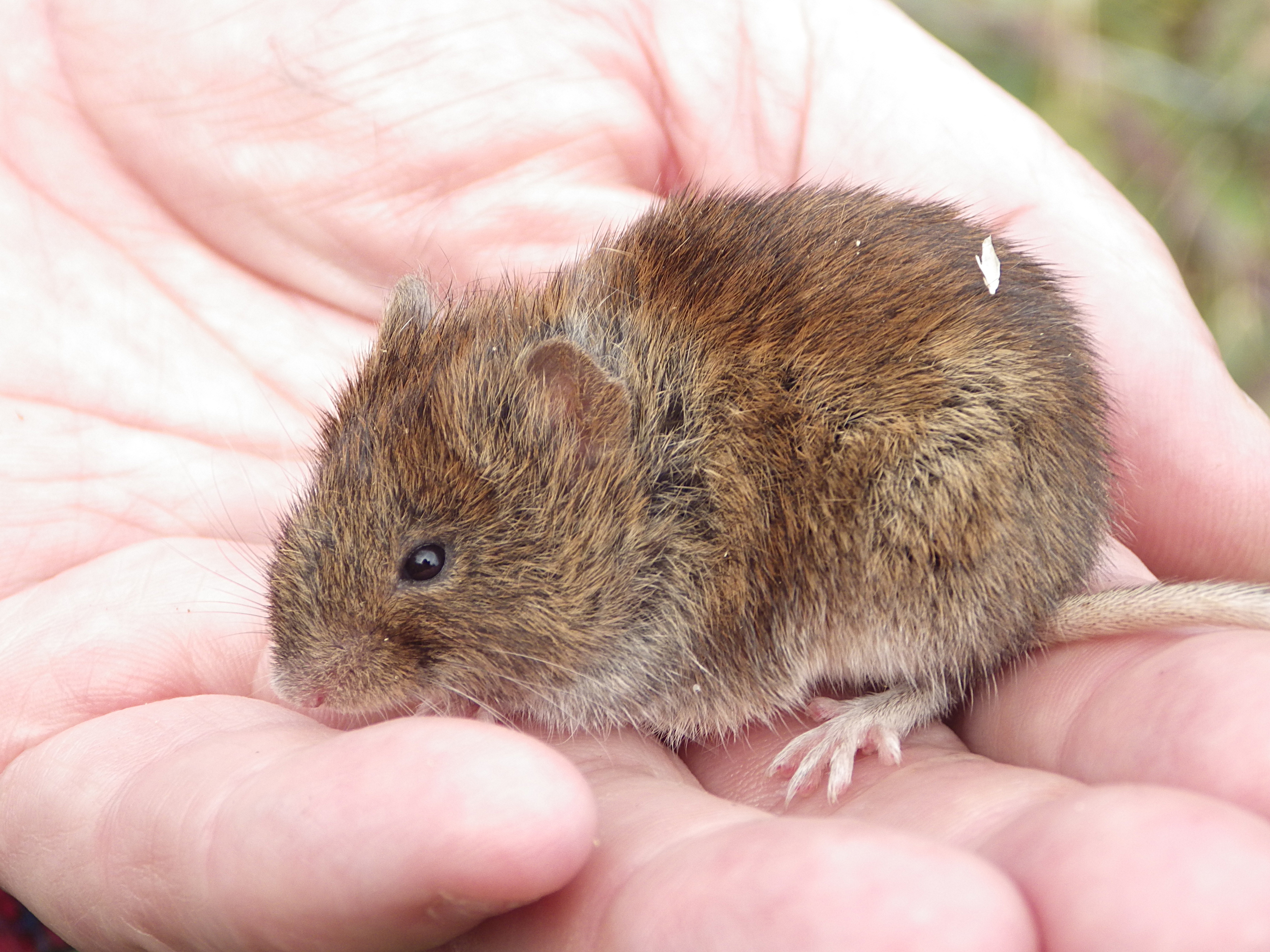
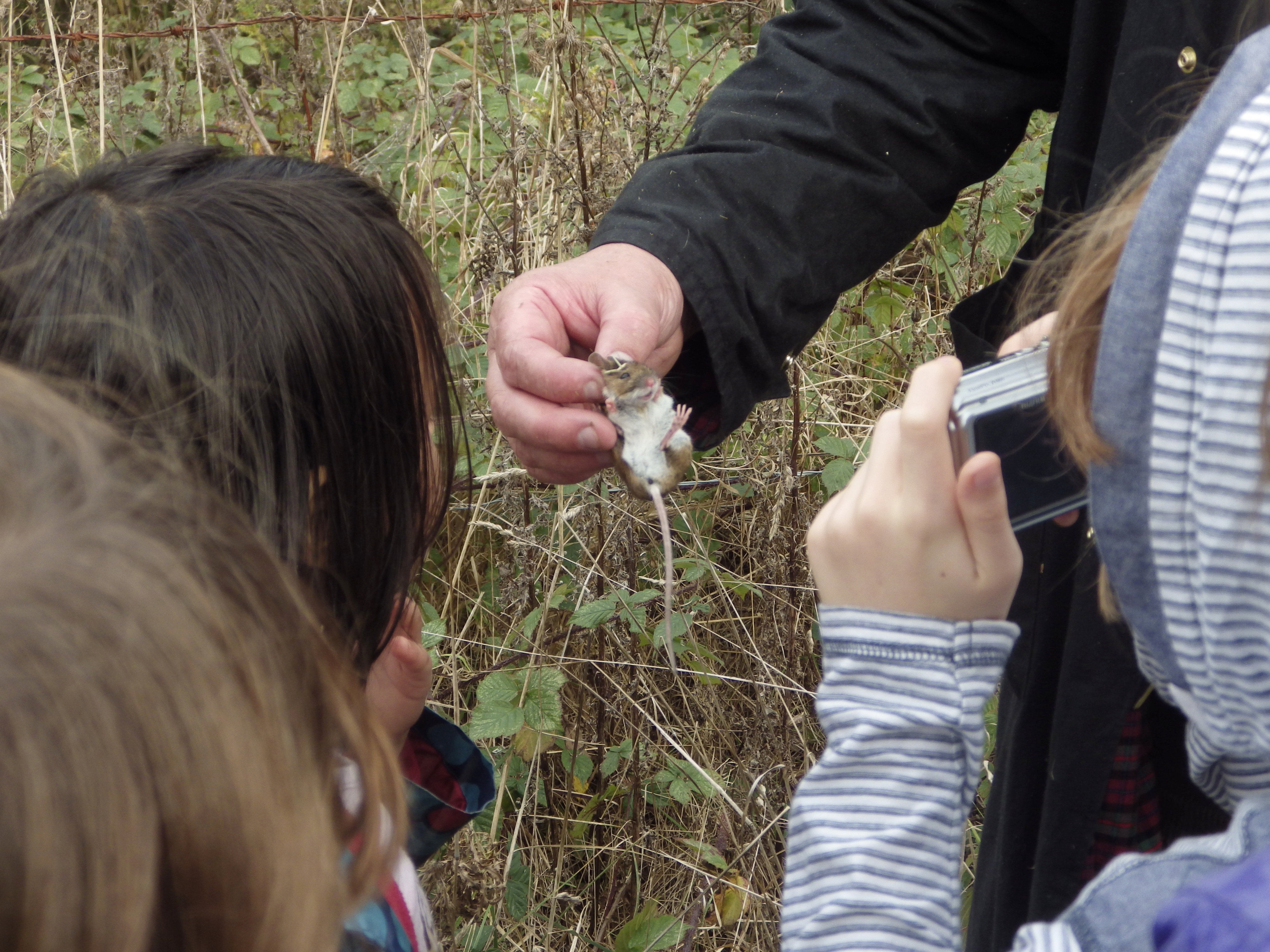
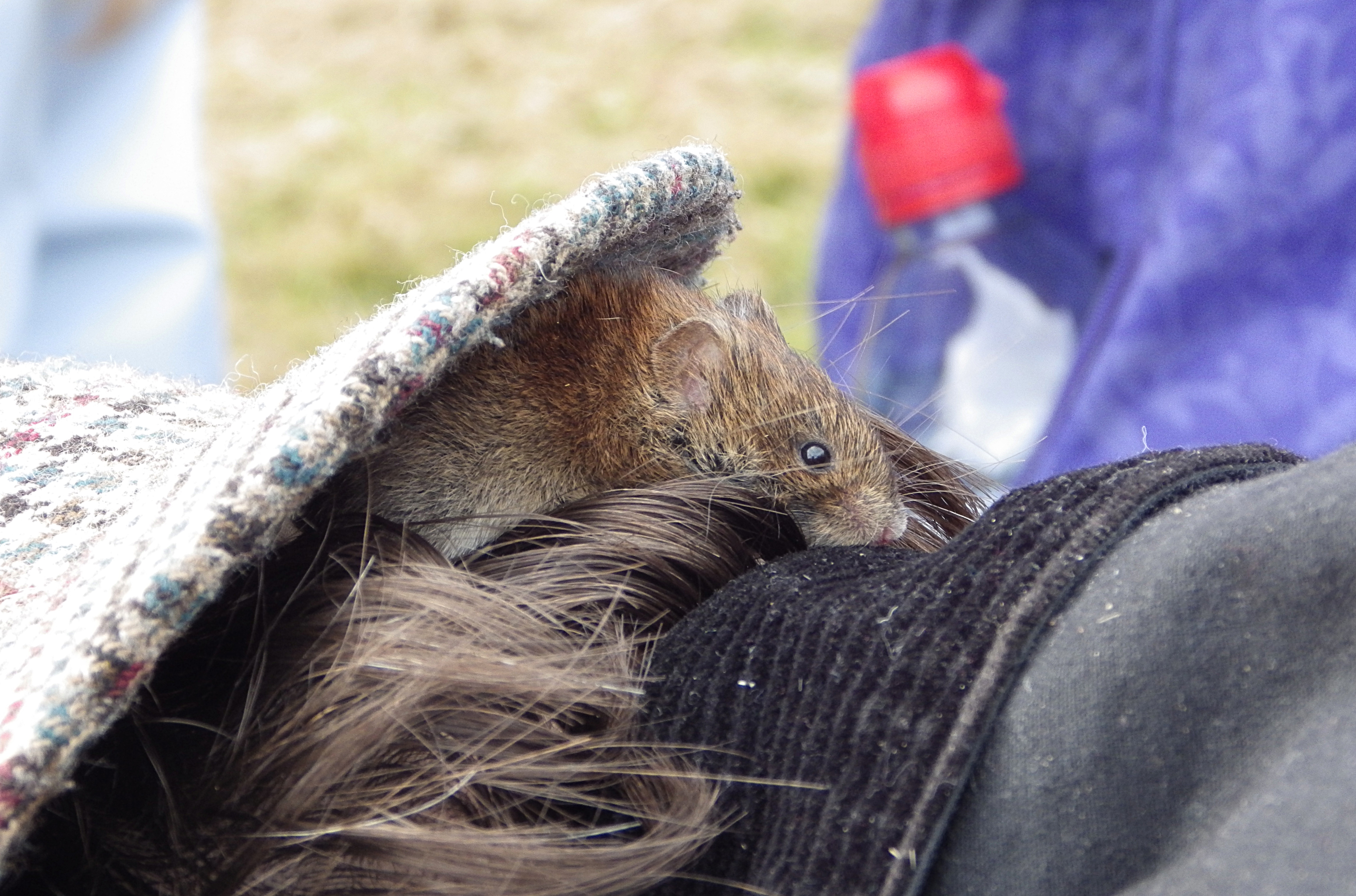
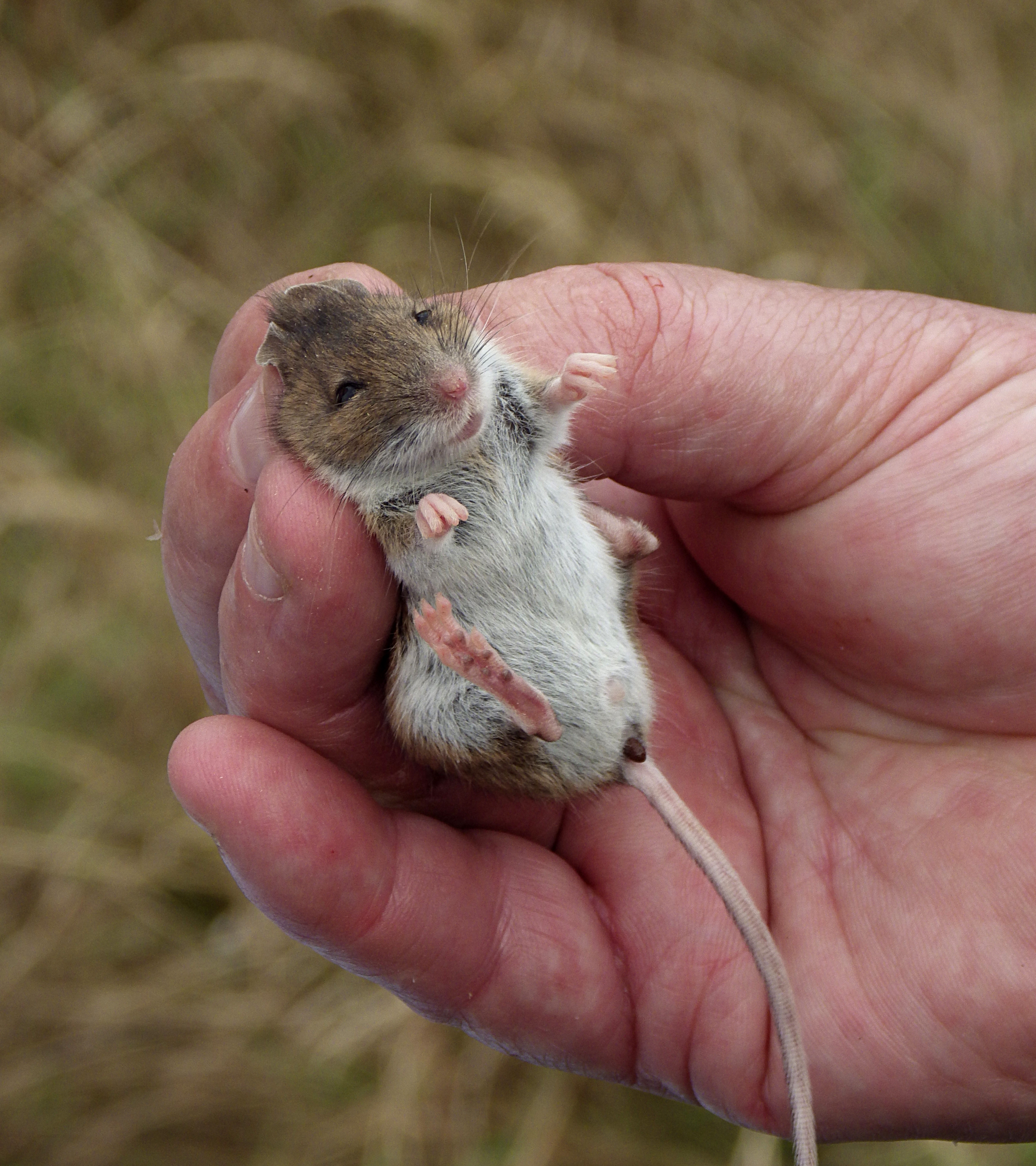
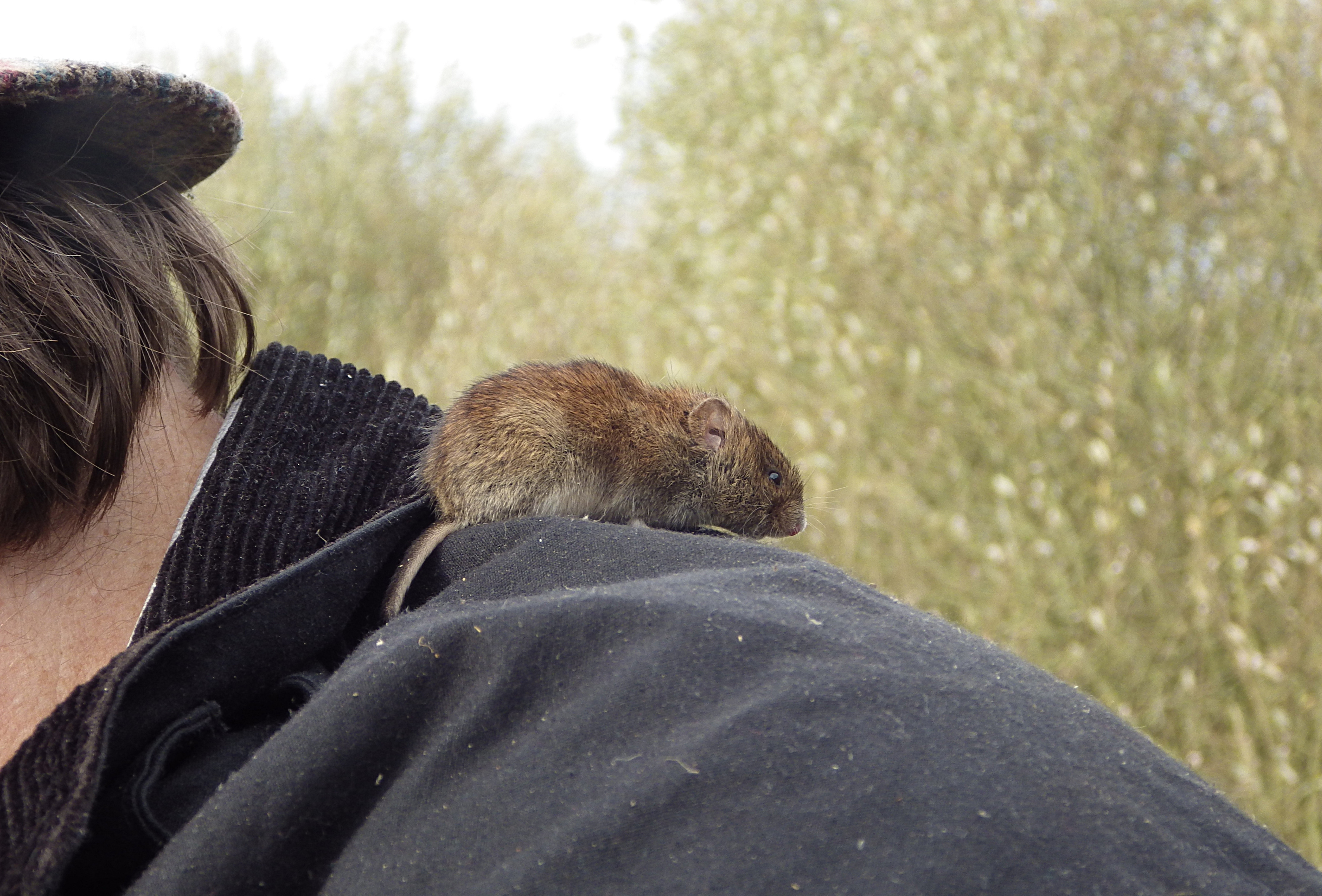
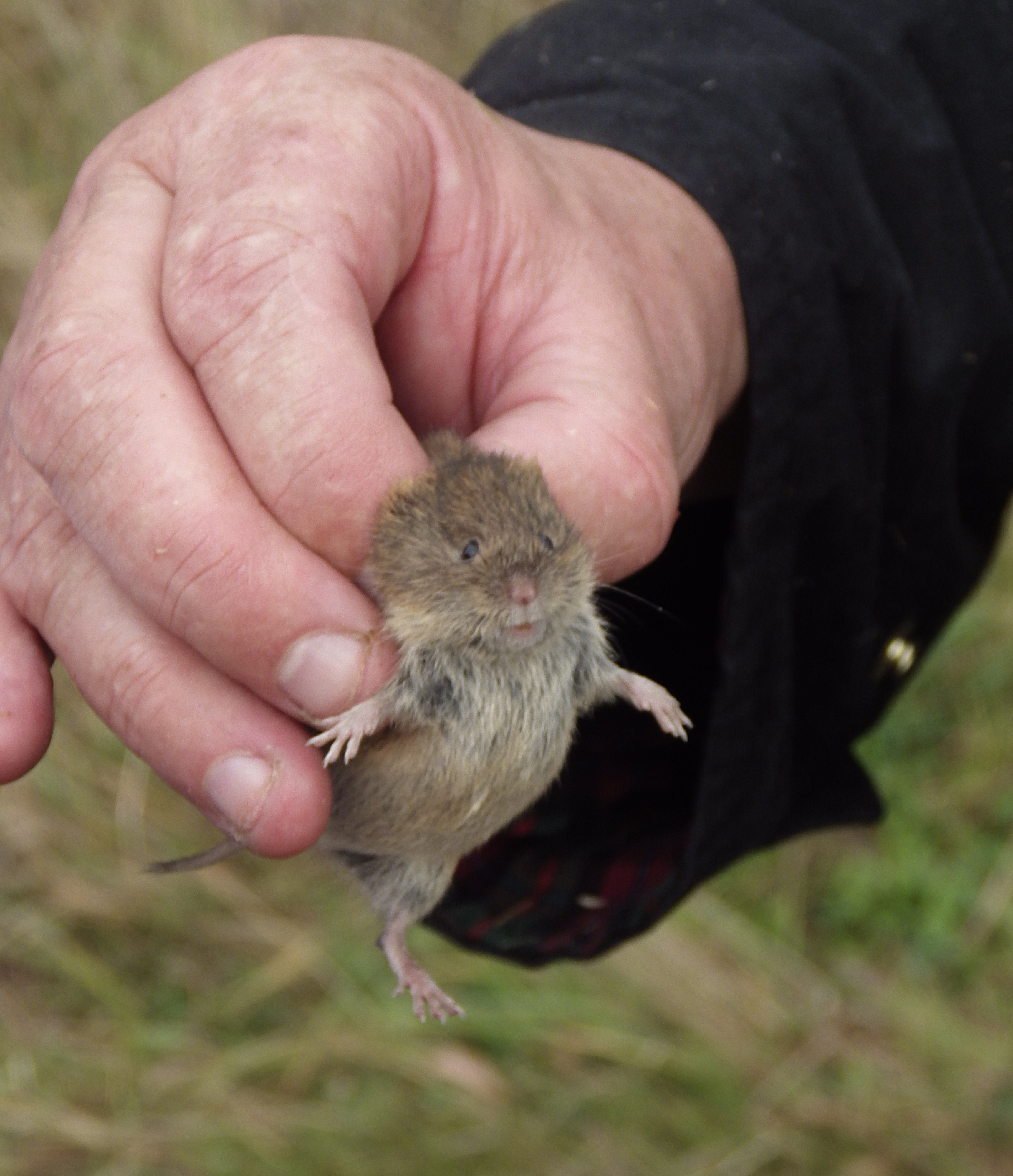
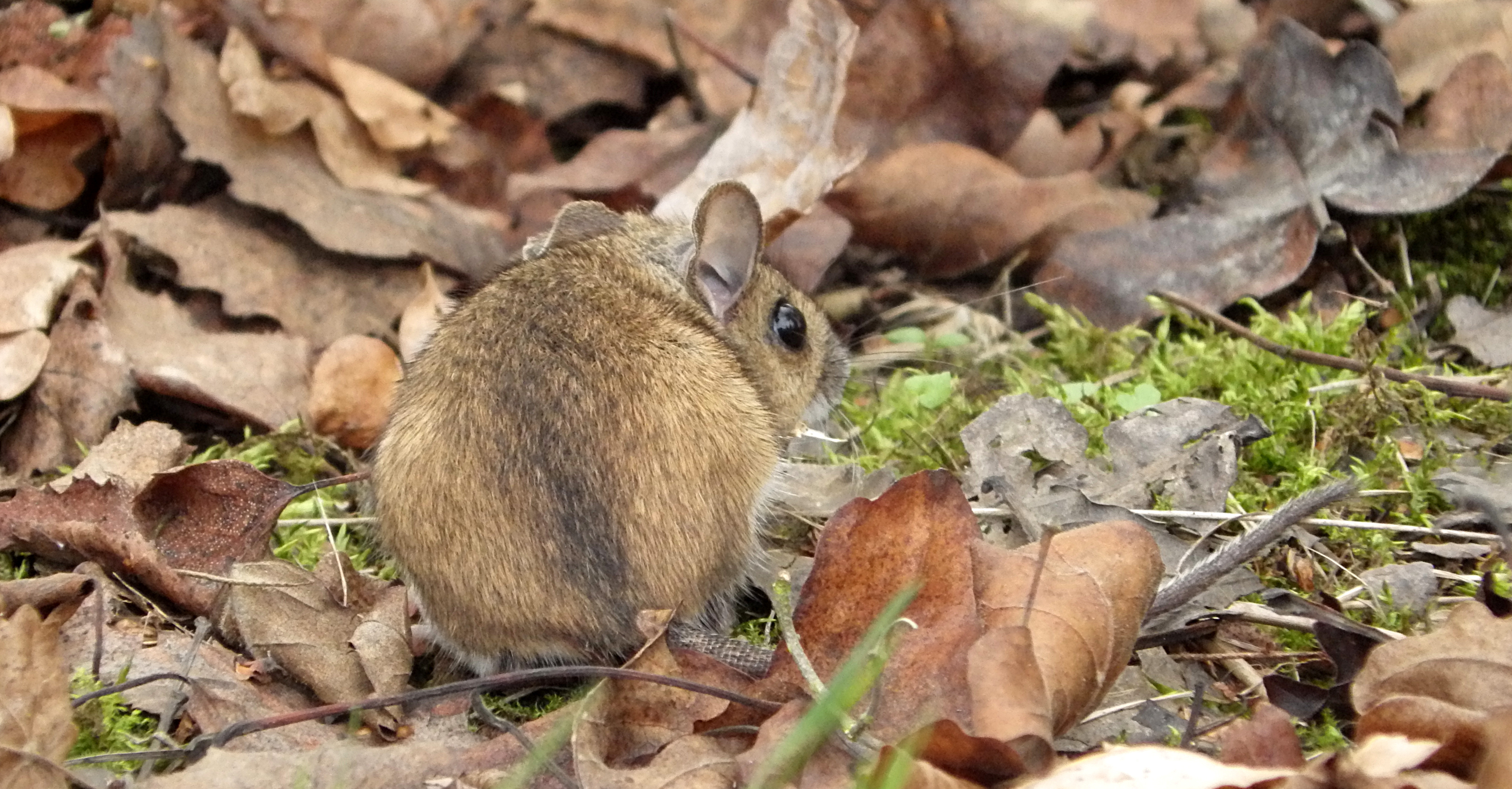
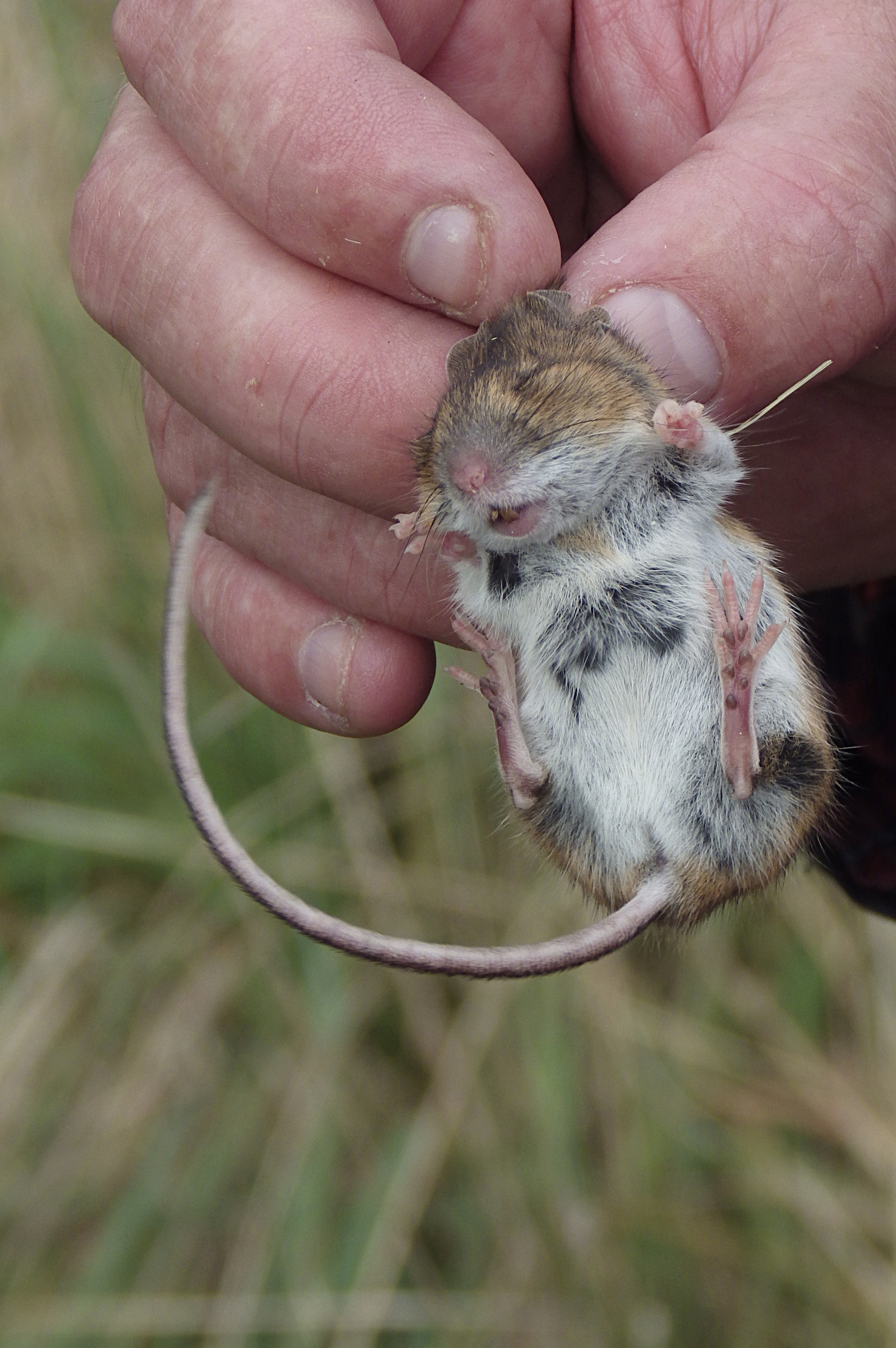
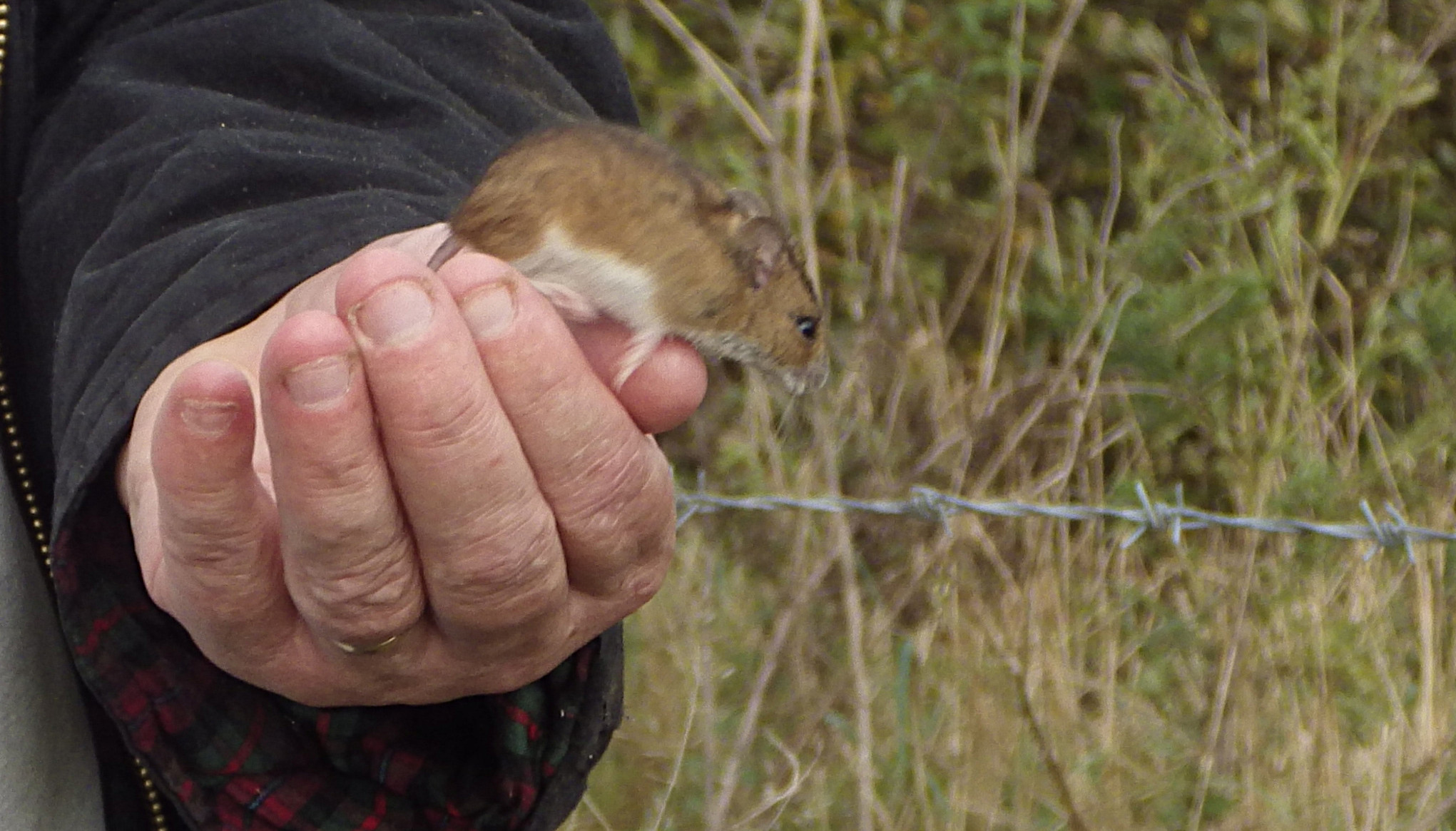
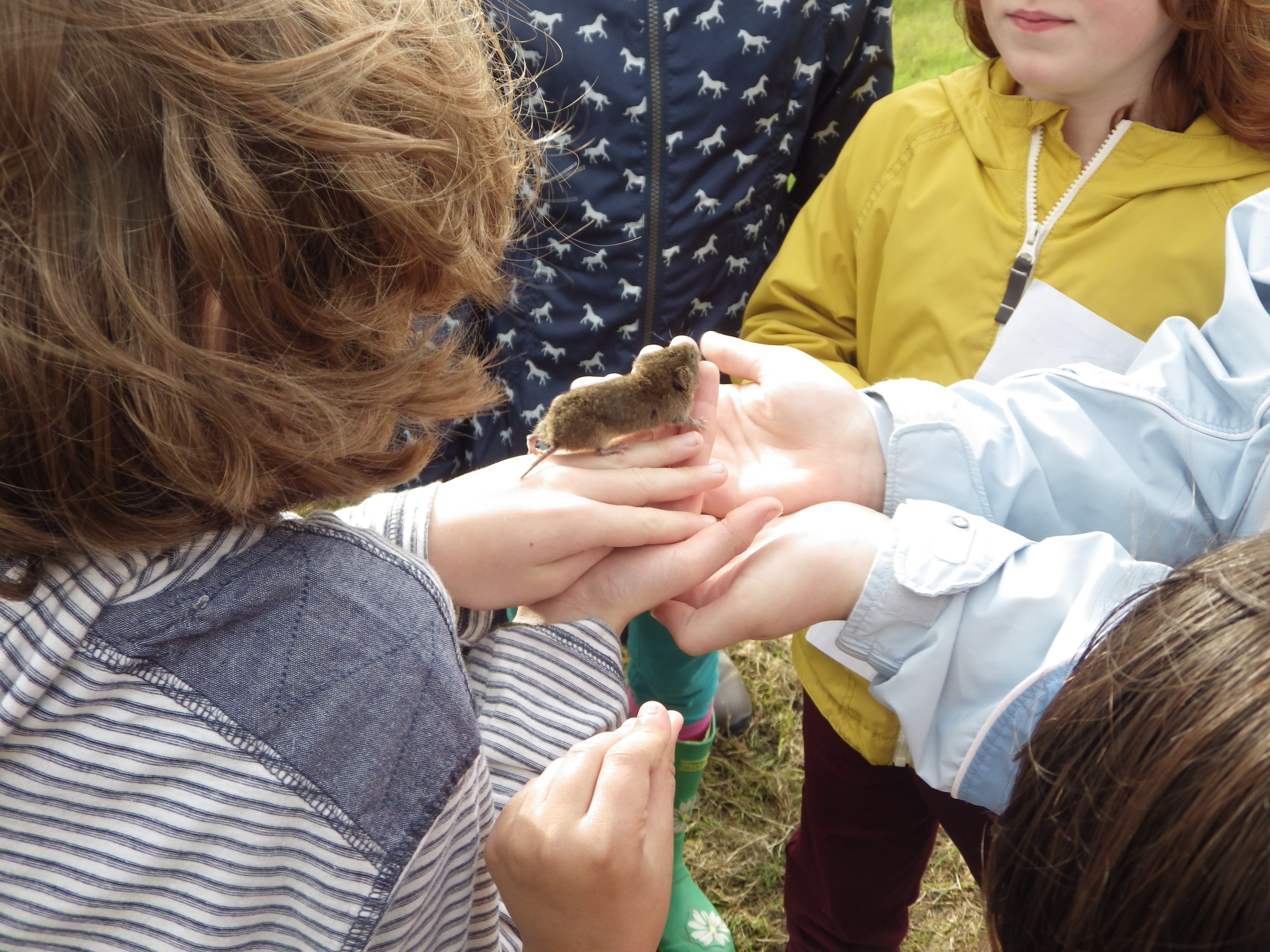
Yesterday the trapping was to show the children a close up of different species but this method is often used to monitor the numbers of various mammals. The traps were set up at roughly ten feet apart beneath an unused grassy area. When we found a trap which was closed we opened it up to see what had been caught. We then examined the mammal, looked to see if it was male or female then let it go. It was brilliant to see the species close up. We managed to catch seven wood mice, a bank vole and a field vole. Here are some photos I took.

Something else I found out yesterday was the mammal tracking phone app. This is to record different mammals in the UK so more can be found out about whereabouts they are and numbers. You can follow this link to download the app for your apple or android phone – http://www.brc.ac.uk/mammal_tracker/

IMGP6995

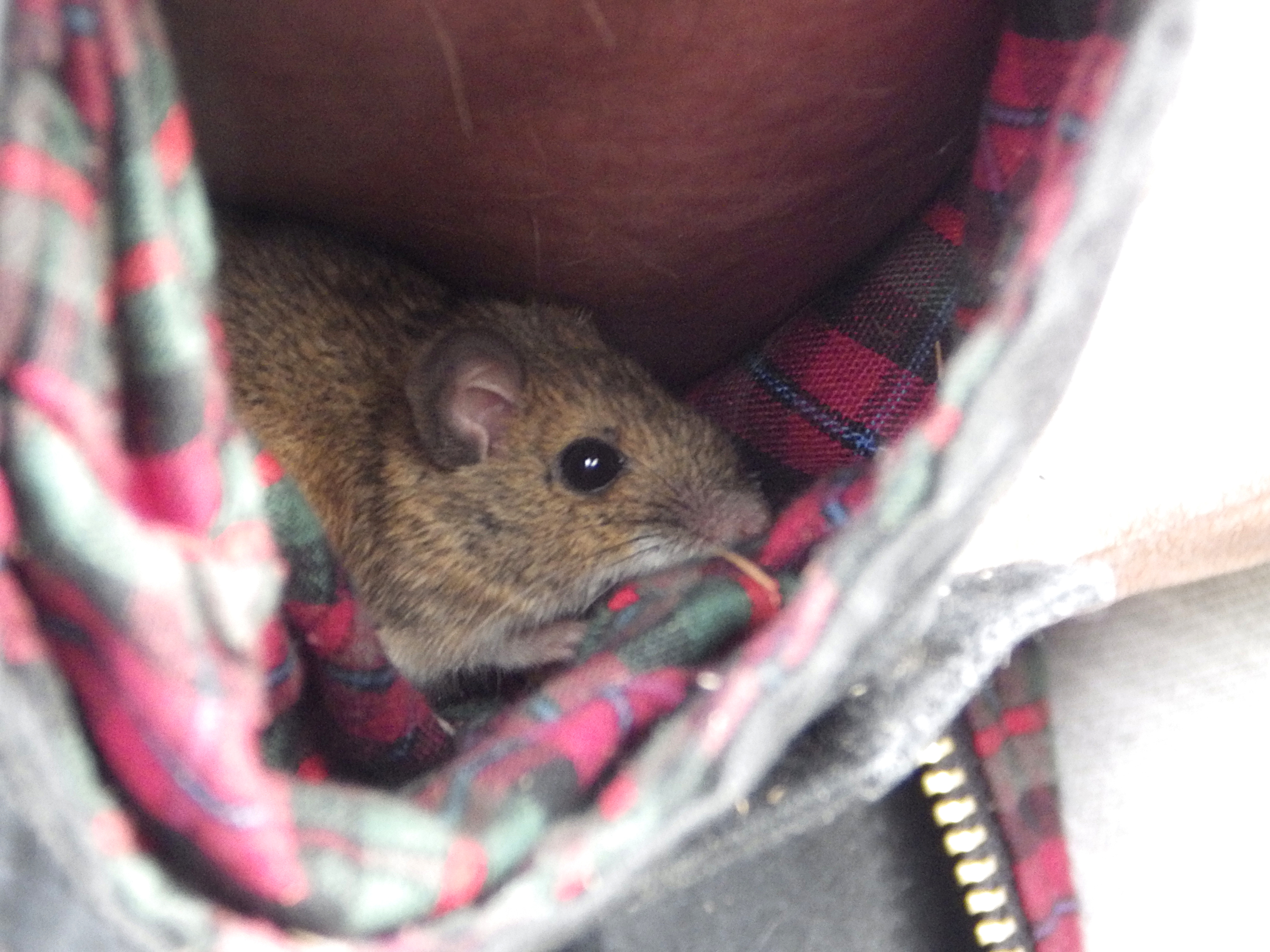
IMGP7045A wood mice that escaped down a sleeve!

IMGP7029

IMGP7059The children having a real hands on experience with one of the voles that was caught.

IMGP7017

IMGP7041

IMGP7034Another escapee!

IMGP7060

IMGP7030

IMGP7056

IMGP7022

IMGP7002

IMGP7005