I’m a strong believer that outdoor education, actually being taught outside and learning about the natural world around, needs to be something that’s taught in every school. Throughout the whole of my education nature is something that I was never really taught about in school. Thinking back to primary school, I’m trying to remember what we did which was wildlife related. I’m really struggling to think of anything. I mean we went on days away, one trip was five days up to the Lake District and we went out walking a few of the days but I don’t remember much a part from some sight-seeing. One thing I do remember from primary school though was that I felt like my interest was not encouraged. Thinking back, it wasn’t that bad but at the time I was only about eight or nine. What I remember is going to York for a day trip and the Headmaster had said ‘Has anyone been to Yorkshire before?’ and the weekend before I’d been to Bempton Cliffs so I shot my hand straight up and told him a bit about it. His reply was a mutter and that was about it really.
In primary school I was known to be a bit mad and everyone seemed to think I knew everything about wildlife, this was obviously because they knew not much at all. I remember the teacher visiting a website on the big board in front of where we all sat and the banner of the site displayed a lake with a large bird of prey. The teacher asked me if I knew what it was, I replied with stating it was an osprey and everyone seemed amazed.
These are just a few of my own memories. I also decided to ask my brother what he remembers, he’s two years younger, and he told me that the only nature based thing he remembers was dissecting pellets the one time. That was it.
There’s two reasons why I’m doubting my old primary school, well the curriculum in general, for the lack of nature themed lessons. In a world like today when we’re distracted by new incredibilities like gadgets, we all need to be aware of what is the truest to us all. What we all come from and what, without, we wouldn’t be here. Also, with the huge plummet of species, rise in climate change, more consumption etc, we need to understand what we can do to help and the fact we need more people then ever coming through to help in these situations.
As I mention, with more and more distractions about like gadgets and parents not always pushing their children to go outside. Whether that be because it’s easier to give them a phone, they think it’s too dangerous with the scare of the media nowadays or they just don’t think of that as an option. This reconnection needs to happen somewhere.
There are still parents who encourage their children, like families going out for afternoon walks, but still there’s that danger stigma or the fact times have moved on. Yes, that’s right, obviously times have moved on but we still rely on the natural world.
There’s also fantastic organisations and charities, whether national or independent, that open their doors to children for weekly or school holiday wildplay events. I’m a leader of a Wildlife Watch group at the National Memorial Arboretum and once a month we have sessions where we’ll do a range of activities. As much as it’s great for those kids that do turn up, sadly it’s the same kids every month. No matter how much advertising it’s not very often we get a different face.
Could this be the case with some other groups like this? Are these the kids with parents who do encourage them? My point is, not every child is fortunate enough to join groups like this and get encouragement this way. Whether their parents don’t have time to take them, they don’t find out or they don’t see much of a point. These are some of the exact reasons why I think more needs to be done in schools so EVERY child is given the opportunity too.
An example that made me realise this was from some of the outdoor education things I have done in schools. A project, that I’m very involved with, approached a local school and they were interested. We normally spend a day or the afternoon rotating around the classes. When I was speaking to a group of children the other week at an afternoon event, one lad was telling me how much he enjoyed it all and that he’d never done it before. This also backs up that every child has that connection there and love for nature, but are they exposed to it and are they aloud to let this flourish?
By saying ‘education’, it can sometimes make it seem like it’s made really serious and perhaps boring. Obviously this isn’t something that should be happening and I think actually getting outdoors could take this away and have many more benefits. By the getting outside part, it does make you remember as it’s hands on and practical. I was speaking to someone just a few days ago and they said when they think back to school, one thing they remember is going pond dipping. This was interesting seen as they’re probably about mid-60s and have had a life long career in conservation. It’s that sort of stuff that inspires people. But a one off outdoor lesson or a one off module learning about the food chain in Year 2 isn’t something that entices the child even more. With regular lessons they are given time to develop, learn more and see other opportunities. Perhaps nag their own parents and go along to groups and sessions.
I could go on about this subject all day long, it’s something I’m passionate about. Young people are the future and from a first hand experience of being surrounded by people my age who have no interest it’s very worrying. I feel as though they’ll just be a bunch of us in about 30 years time fighting against everything, especially with declines, extinctions, climate change and problems like this ever getting worse and worse. They don’t listen now so what makes sure they’ll listen in the future when there may well be even less people speaking out.
Obviously it isn’t all doom and gloom. Sometimes people in power do realise, let’s hope it’s not before it’s too late, but more importantly there are some great young people out there fighting for the cause of the natural world. There’s also some great communities and support out there too.
I’ve gone on a lot more then I wanted to now. The purpose of writing this blog was to share that I’d had another reply re my idea and thoughts on outdoor education in schools. A few months back I decided to meet with my MP, Michael Fabricant. He told me to write down all my points and thoughts then to send them to him and he’d forward them onto the Minister of State for Schools, Nick Gibb. After finally summing it all up into less then about five pages, I sent it off and got a reply today.
Before I got really involved and before meeting my MP etc, I decided to do a bit of research into what is actually on the curriculum today. However my reply proves there wasn’t much point as this is basically what Nick Gibb has stated in his letter.
In the first paragraph he agrees with my point ‘about the importance of outdoor education’. He then goes onto say that the new National Curriculum provides the ‘opportunity to acquire a core of essential knowledge in key subjects’. My first thought to that was nature is a key subject but he points out that nature and interaction outside the classroom is only included. He states that this is ‘across the curriculum, in particular, in geography and science which aim for children to learn about the natural world’. He has a good point there, it is included but this is against what I said in the first place. Lessons like this aren’t regular. They’re topic based and it varies from year to year throughout school. As I mention before, throughout my primary school experience I remember science lessons but not many about nature at all.
In my letter to him I also state that declines in recent years are scary and the low figures that show young people aren’t connected match this. More nature education in school could help reverse the amount of children not connected for obvious reasons but he does not mention this in his reply. A part from what’s happening at the moment. The new curriculum, from last September, is very similar to the one before.
So, I’m sorry Mr Gibb but your reply only states what the curriculum states at the moment. Nature is more important. It’s the same as any other subject. Take History. We’ll always have that ability to look into the past with professions like Historians and evidence. The past never goes but if we don’t encourage primary school children (the next generation) to explore, enjoy and look after their natural surroundings then they’ll be no future for it. Whether that be people doing there bit as an individual or people going into the profession of conservation, natural science etc. It’s disappearing before our eyes now, we can’t let this carry on.
I plan to write back to him within the next week.
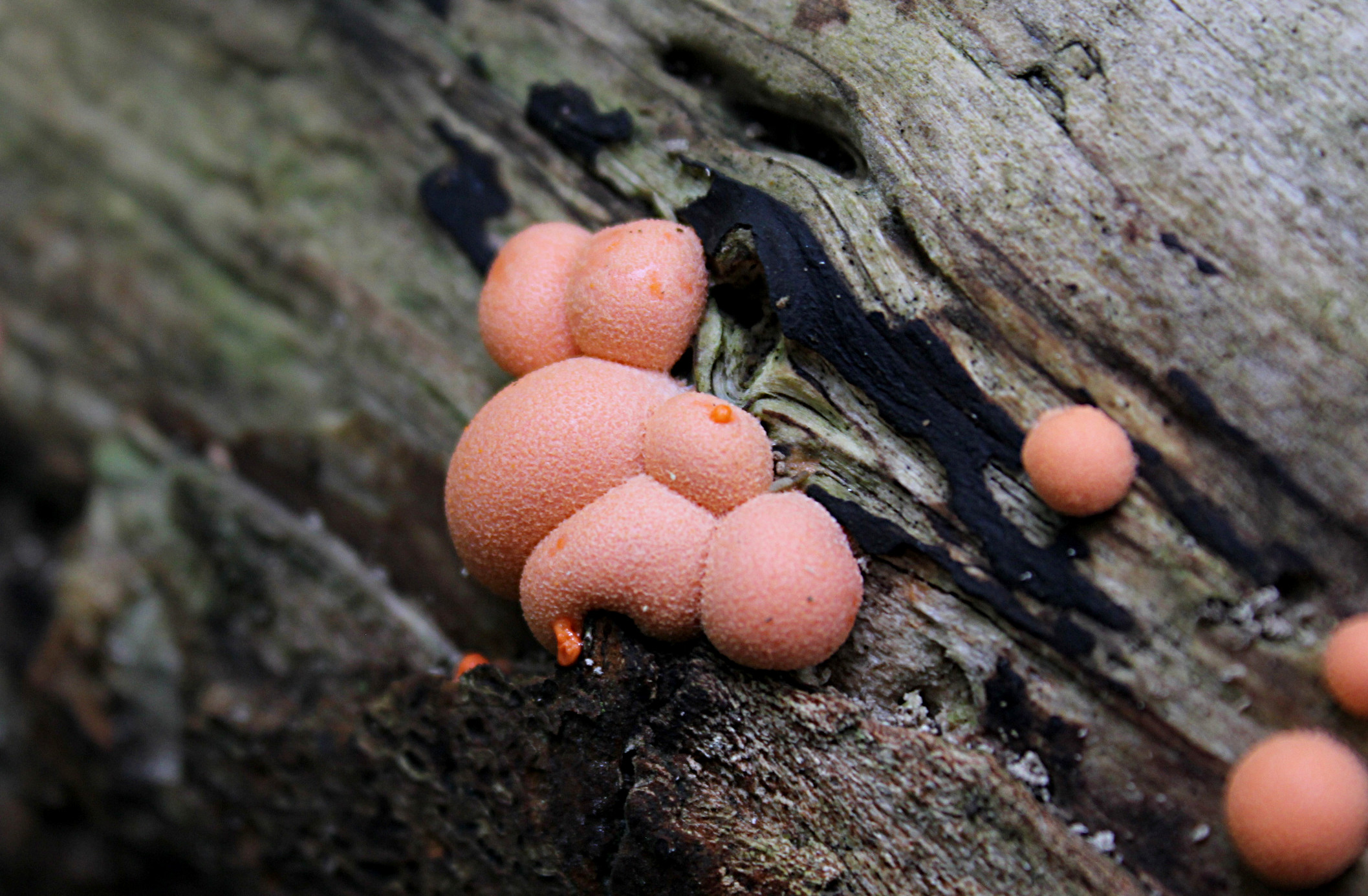 Wolf’s Milk – Lycogala terrestre



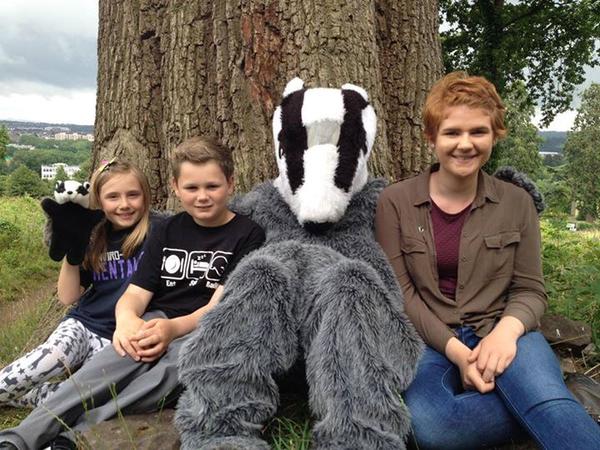



 Georgia Locock