Town and city bird roosts

Recently I’ve been very busy with school work and a couple of other things but that hasn’t stopped me from getting out and about. One wildlife spectacular that I have been observing in my local city centre is a pied wagtail roost. In Lichfield city centre, as it gets dark, all the nearby pied wagtails group together to form a roost for the night.

Not only does this happen in my city centre or with pied wagtails but they take place everywhere and with other bird species too, like starlings. They are really worth looking out for as they are fantastic to watch. The noise they make when they’re settling down is incredible. If you watch all the individual birds closely you’ll see how they’re all trying to get their own spot, then settle down for the cold night ahead.

There are many reasons why they gather in our towns and cities like this. For example by roosting here they are less vulnerable to predators and in rural areas temperatures can be several degrees above those in the open countryside. This can be a difference between life or death to a small bird in the winter.

You’re most likely to see these roosts in the trees right outside the shops. So next time you’re in town at night or just as it’s getting dark during the cold months look up at the tress and you’ll be in for a real treat!

Here’s a video I got of the pied wagtail roost in Lichfield city centre.

City gathering.

For the last few years, during the winter months, I have observed and watched a pied wagtail roost in my city centre. This year though I decided that I wanted to film them as they’re so fascinating and lovely to watch. So I headed down to Lichfield city centre at about 3:00. First of all I got a few shots around the shopping precinct then I got ready for the pied wagtails to start turning up.

At 3:56 the first few arrived and were calling from the shop roof tops. This continued for the next 20 minutes until there were big flocks sitting on the roof tops. This was great to watch and the sound was amazing but it got better, as suddenly all the birds fled and were nowhere to be seen then a sparrowhawk flew above my head. Unfortunately I was too slow to film it. It was great how everyone was getting on with their shopping and just above them one of natures dramas was unfolding.

Once everything had calmed down the birds returned and started collecting in one of the trees. This was at about 4.30 when it was almost dark. The noise got louder and louder and more birds started turning up. As I looked closely at what every bird was doing it was very interesting. Some were preening, some were fighting for a place and others were just arriving. As the noise got louder more people started to notice and look up.

By about 5:00 everything had calmed down. Here’s the video I got.

http://www.youtube.com/watch?v=Bu-vkBUr02A

Mammals go exploring!

Once a month I go to a local Wildlife Watch meeting at the National Memorial Arboretum. As I’m quite a bit older then the other kids I act more as a leader within the group. Yesterdays session was about all about various mammals which are present at the Arboretum. A local mammal expert, Derek Crawley, set 39 traps out the night before then we went to collect them during the session and to see what mammals had been trapped over night.

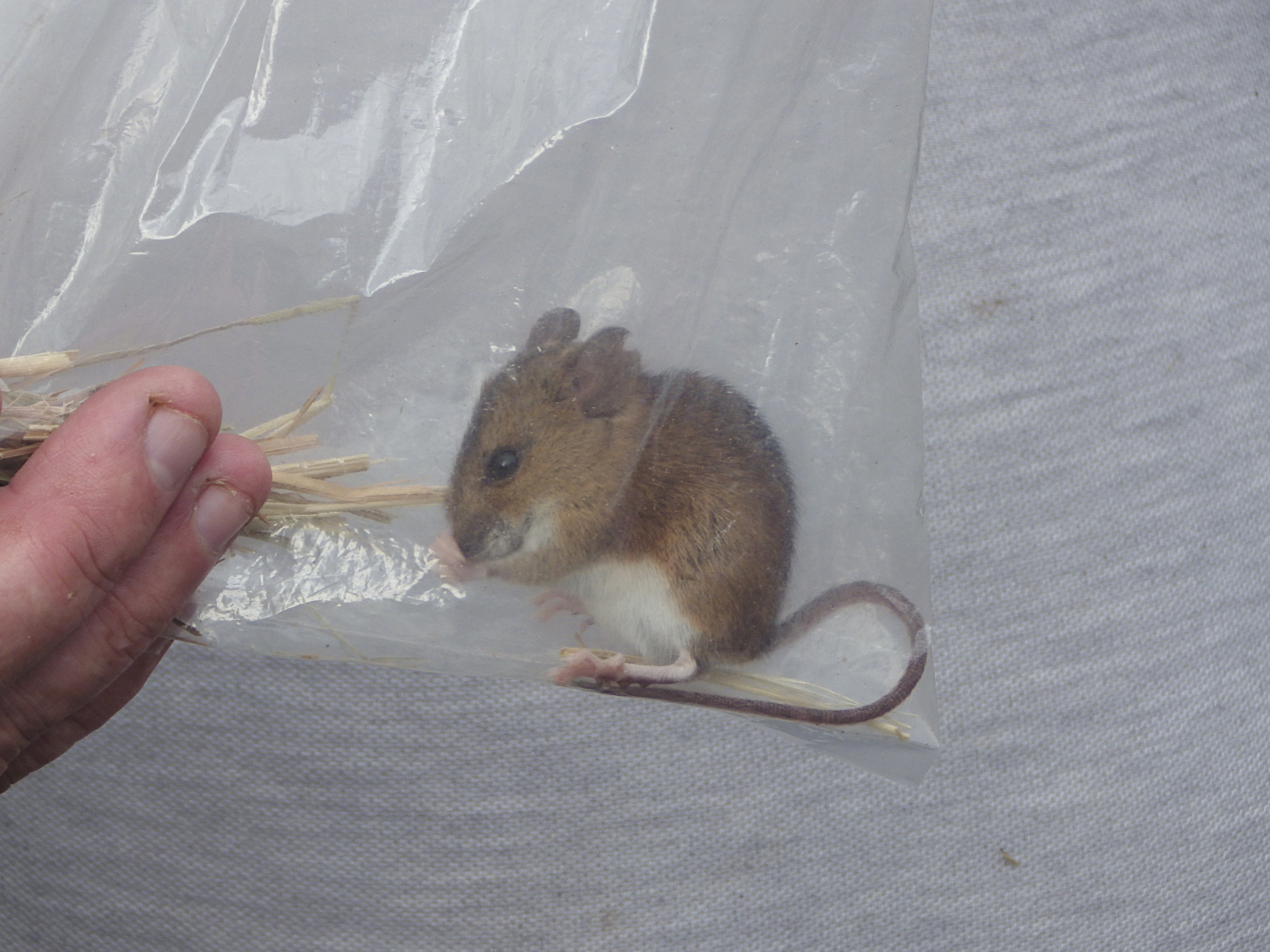
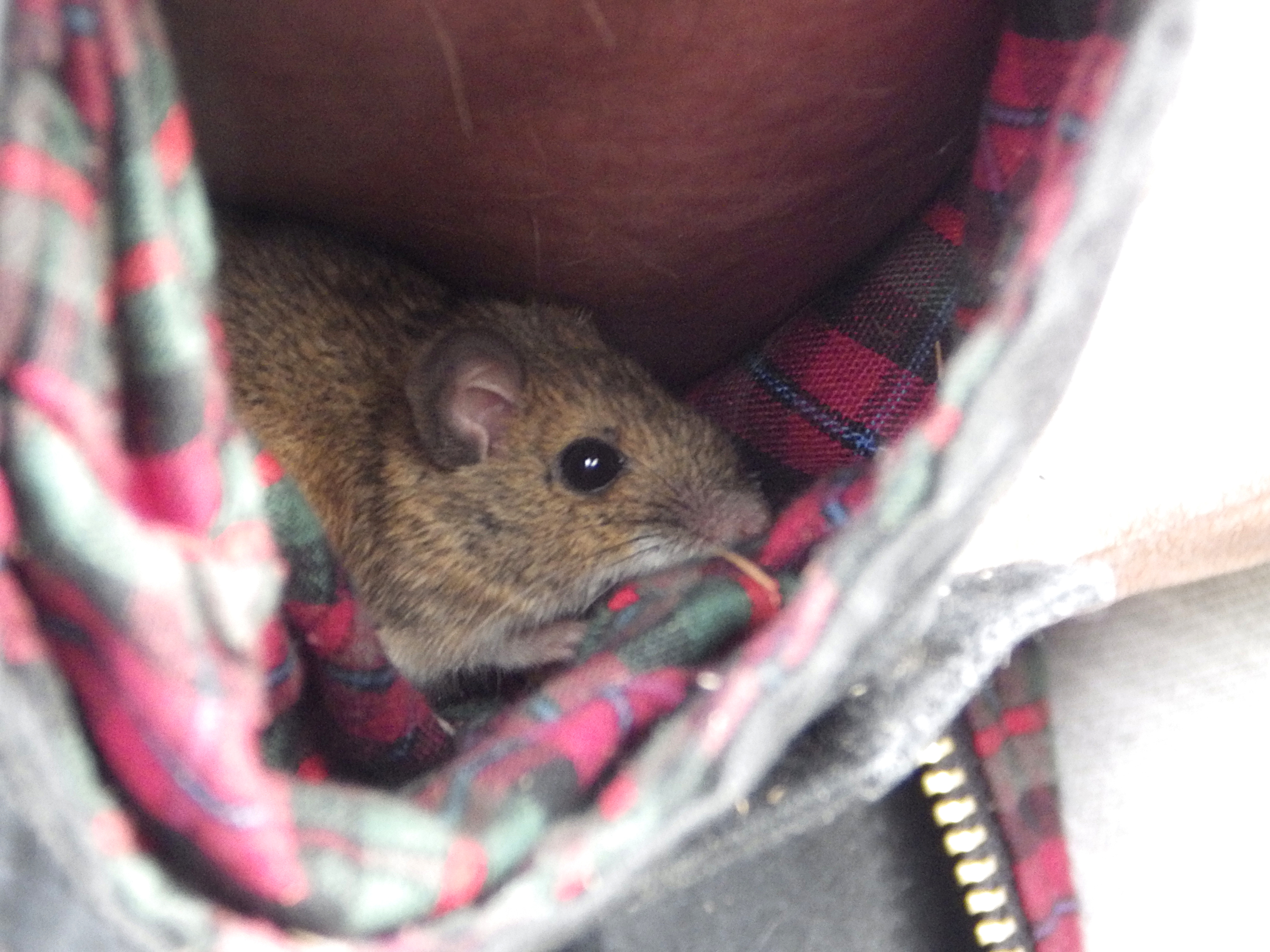
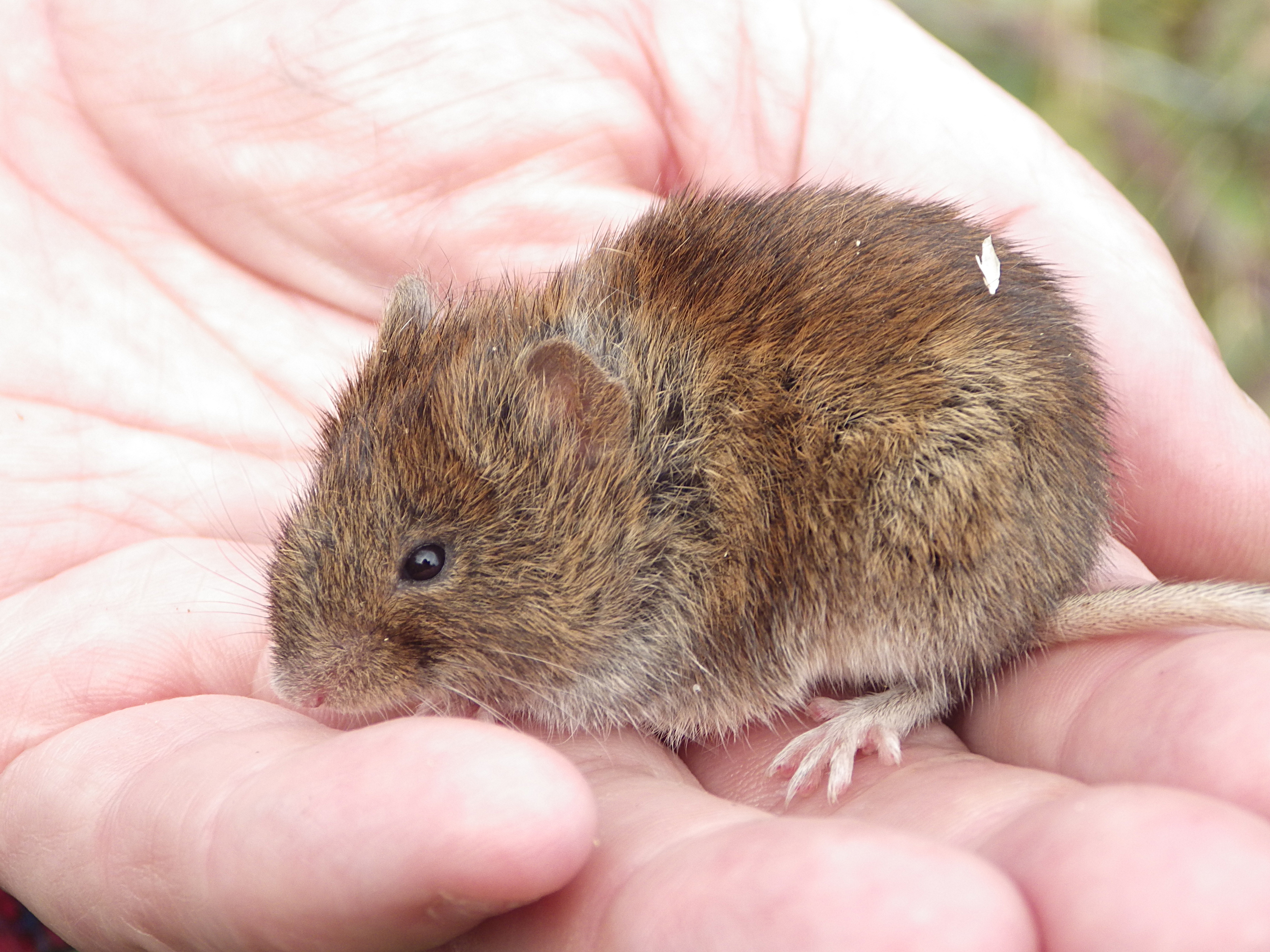
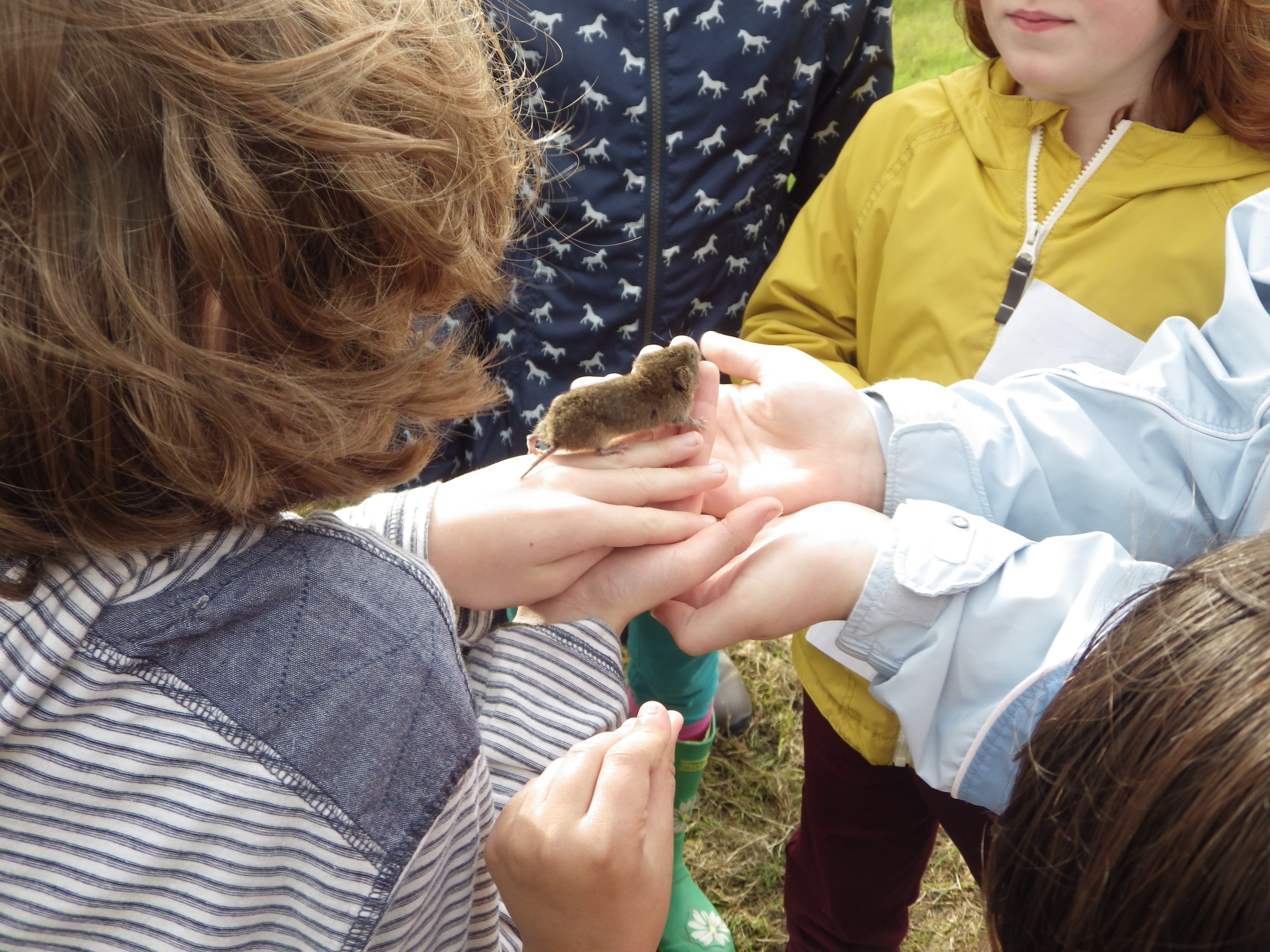
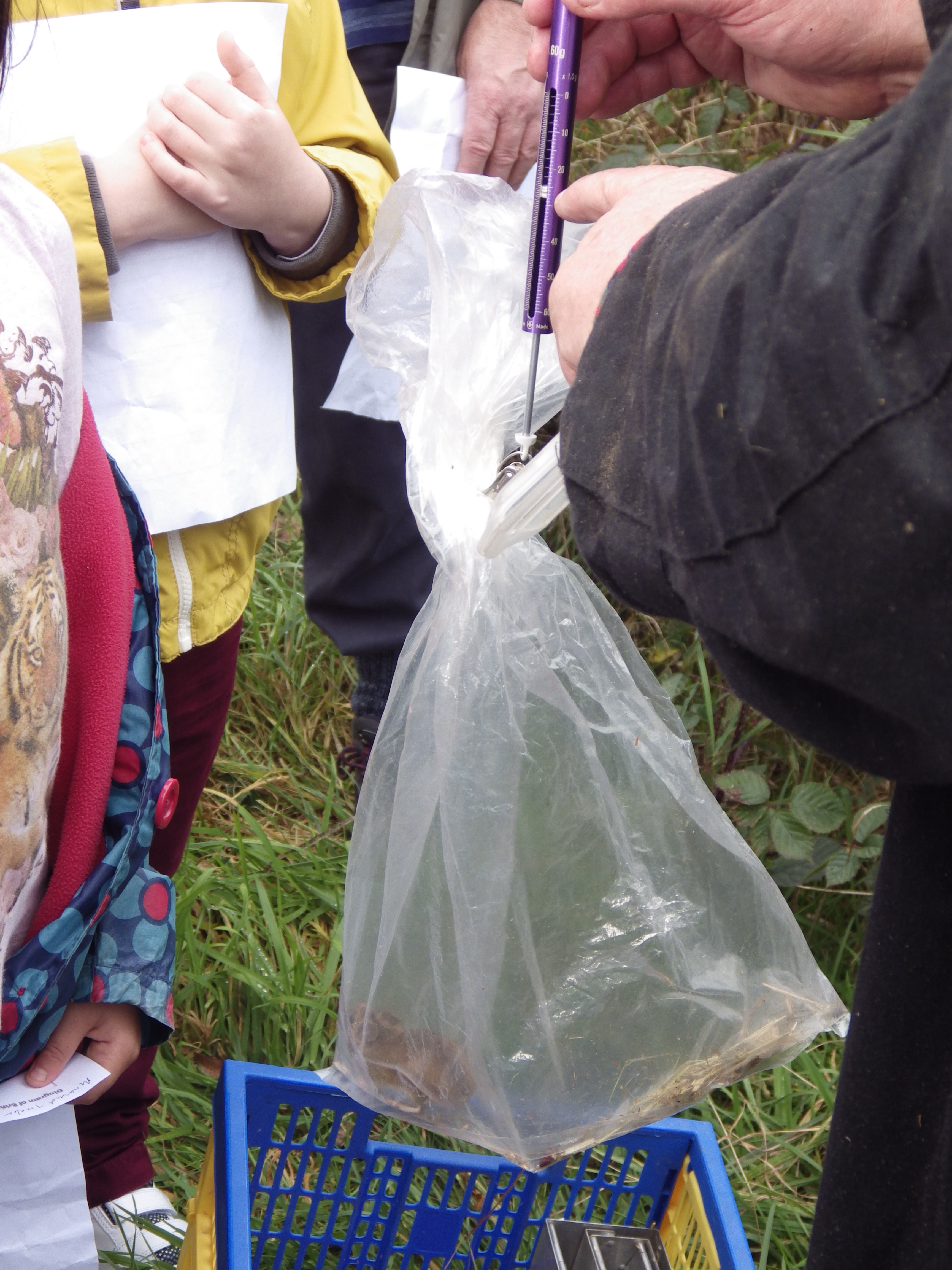
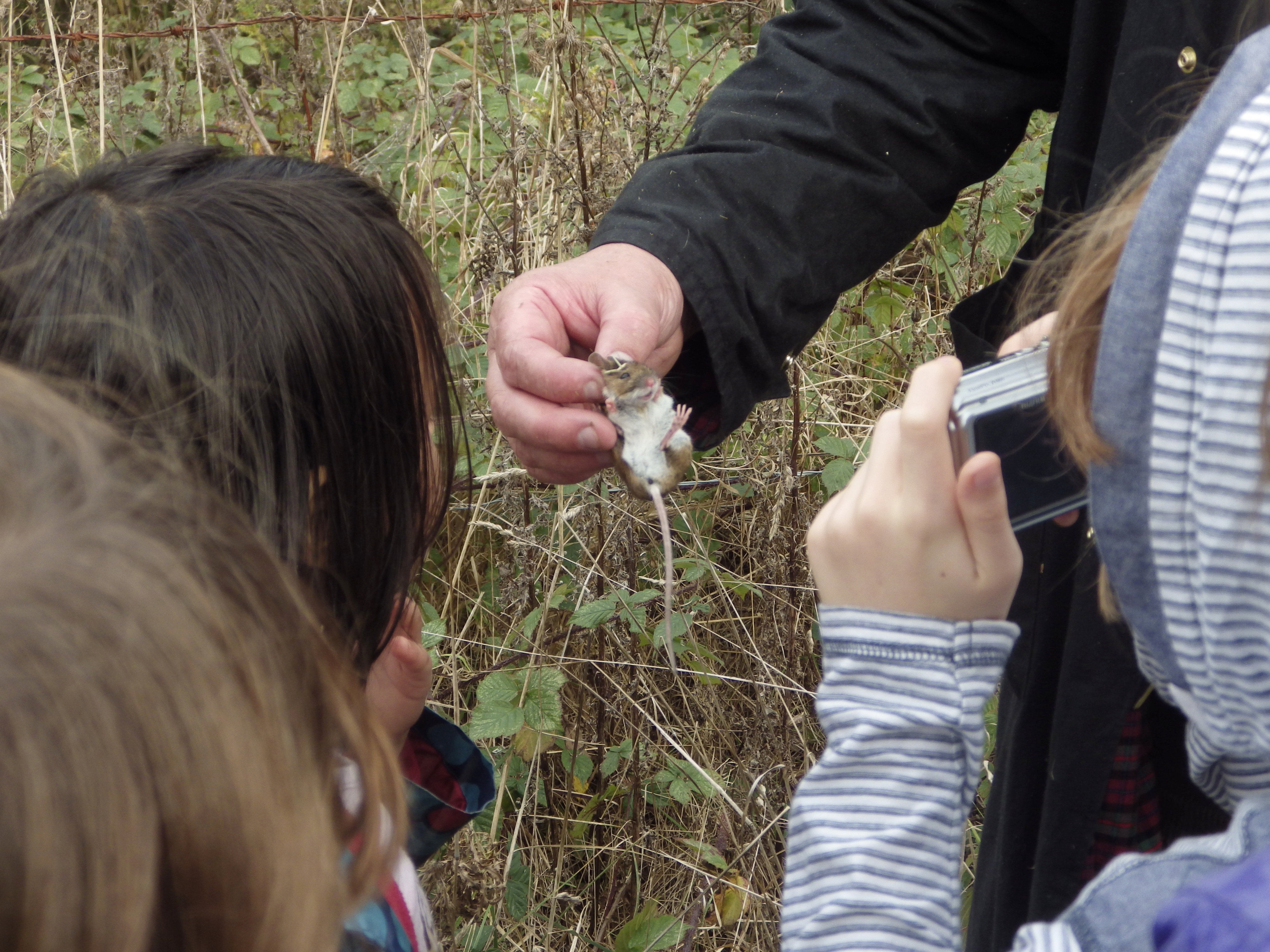
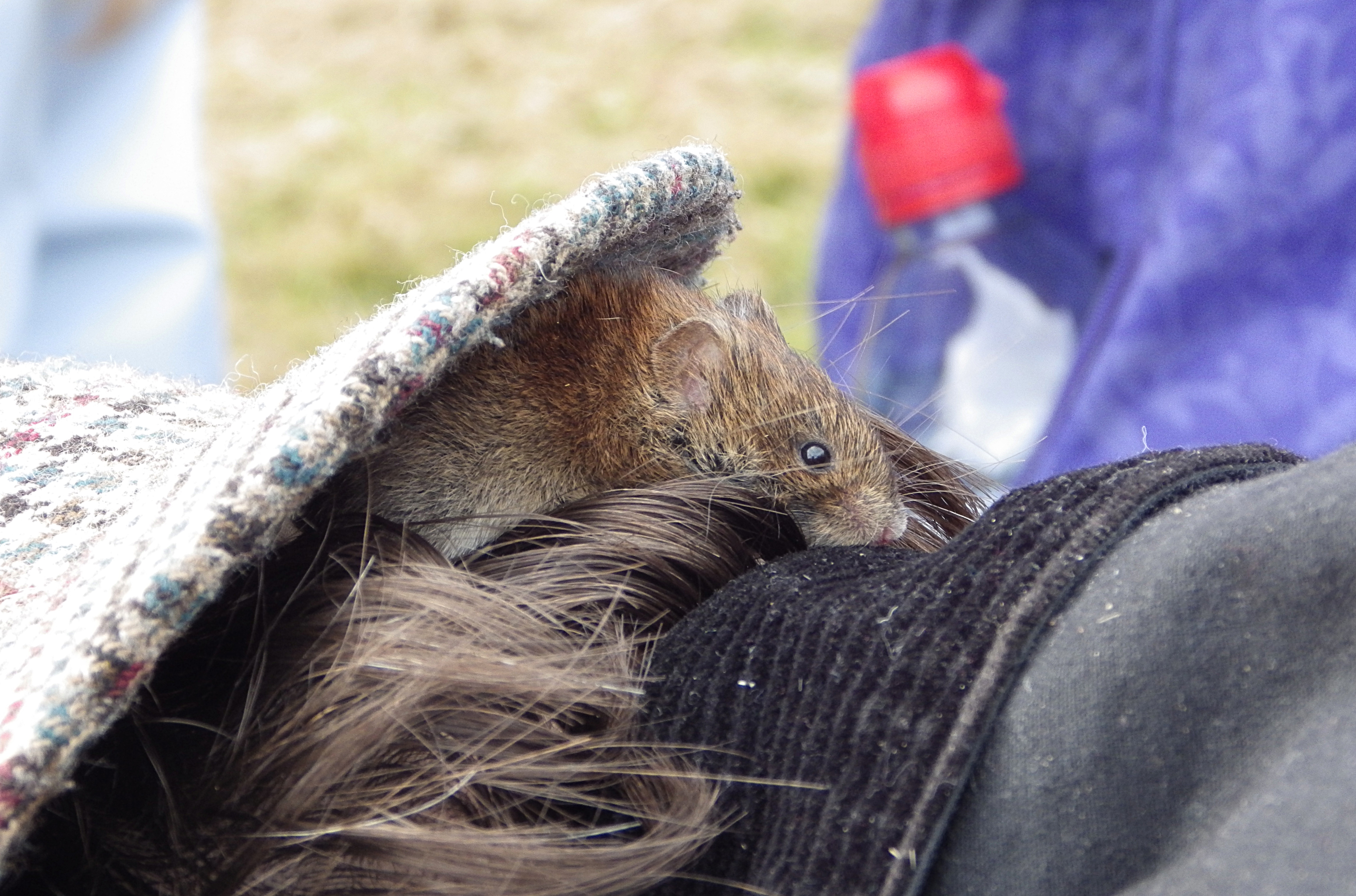
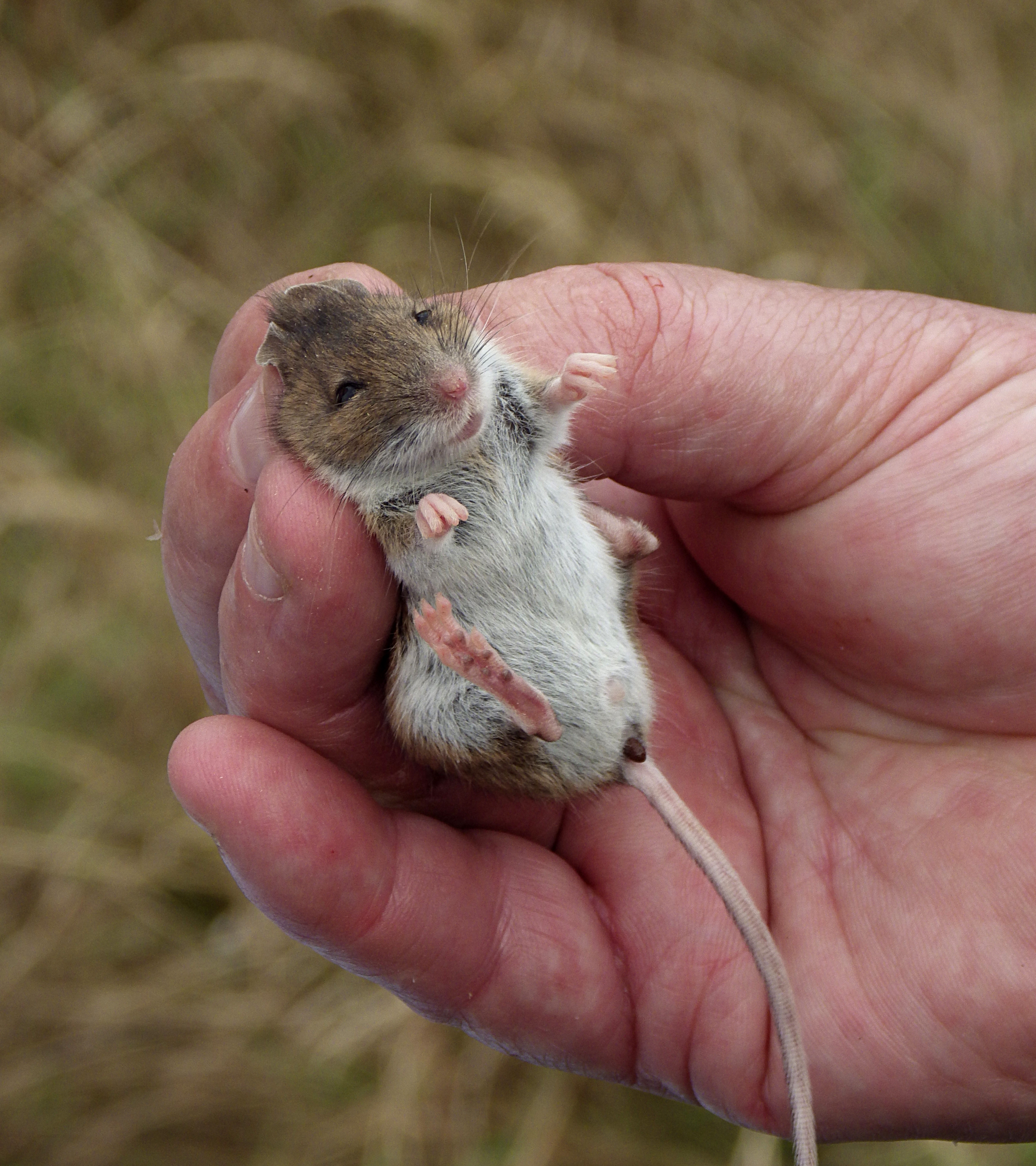
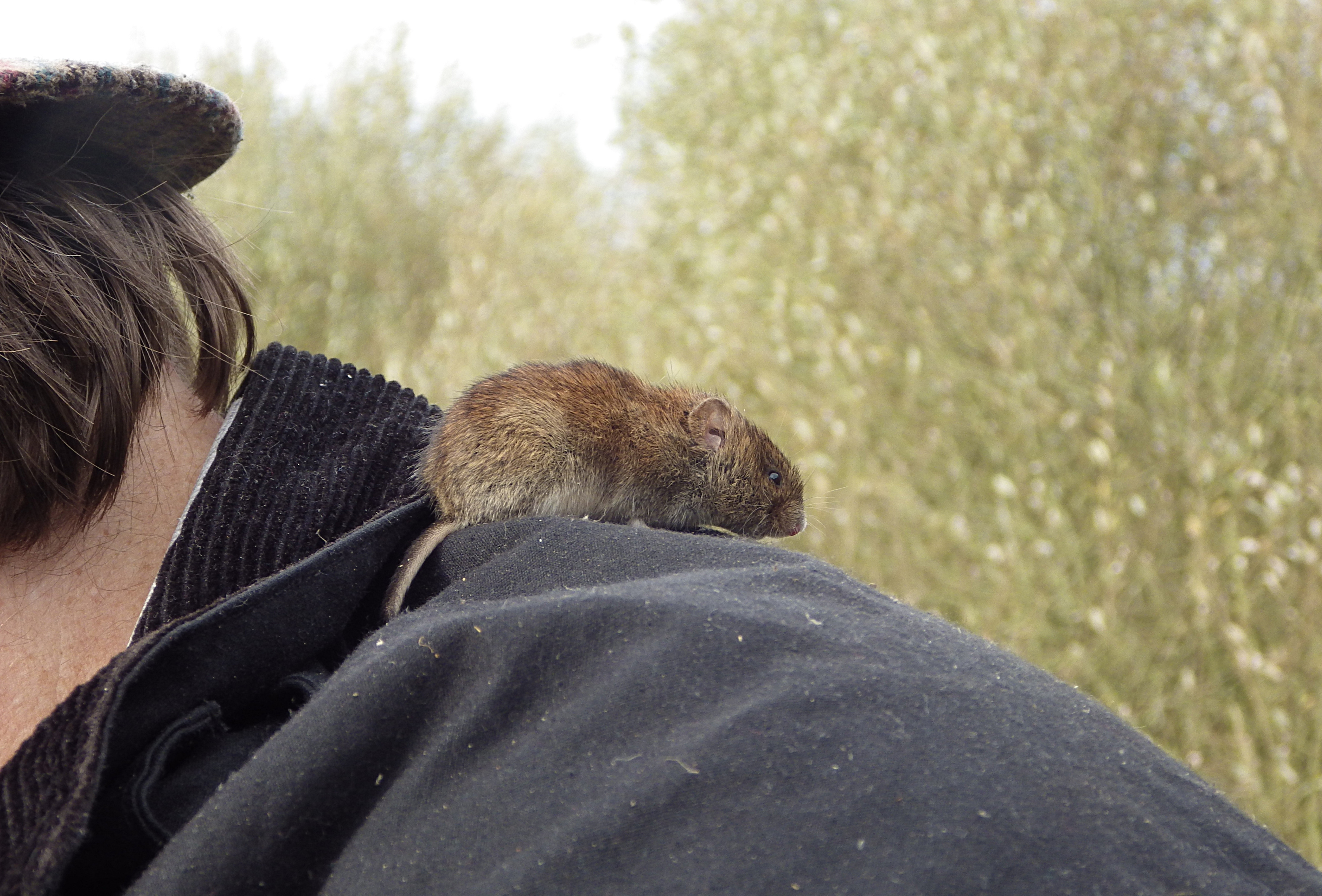
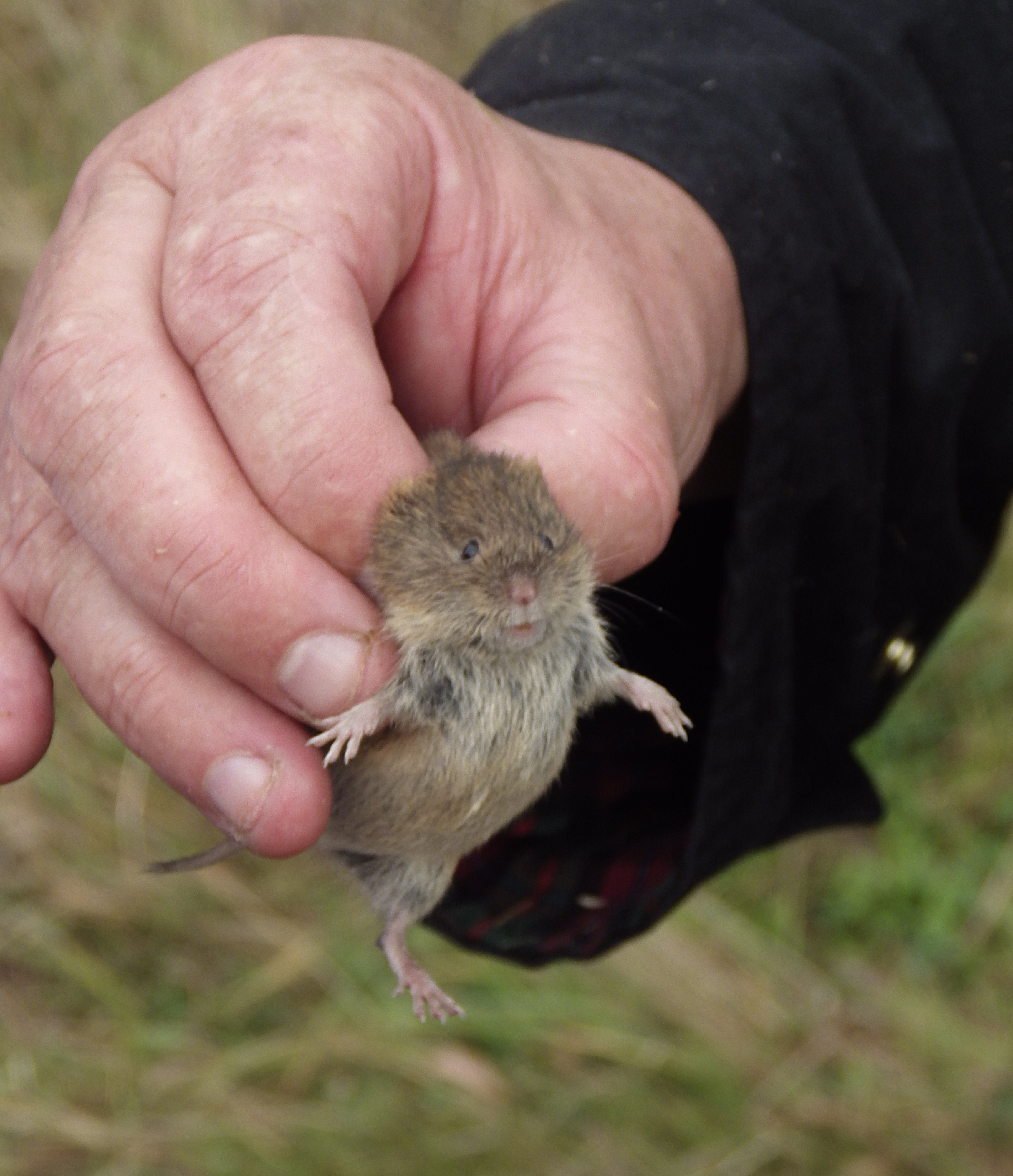
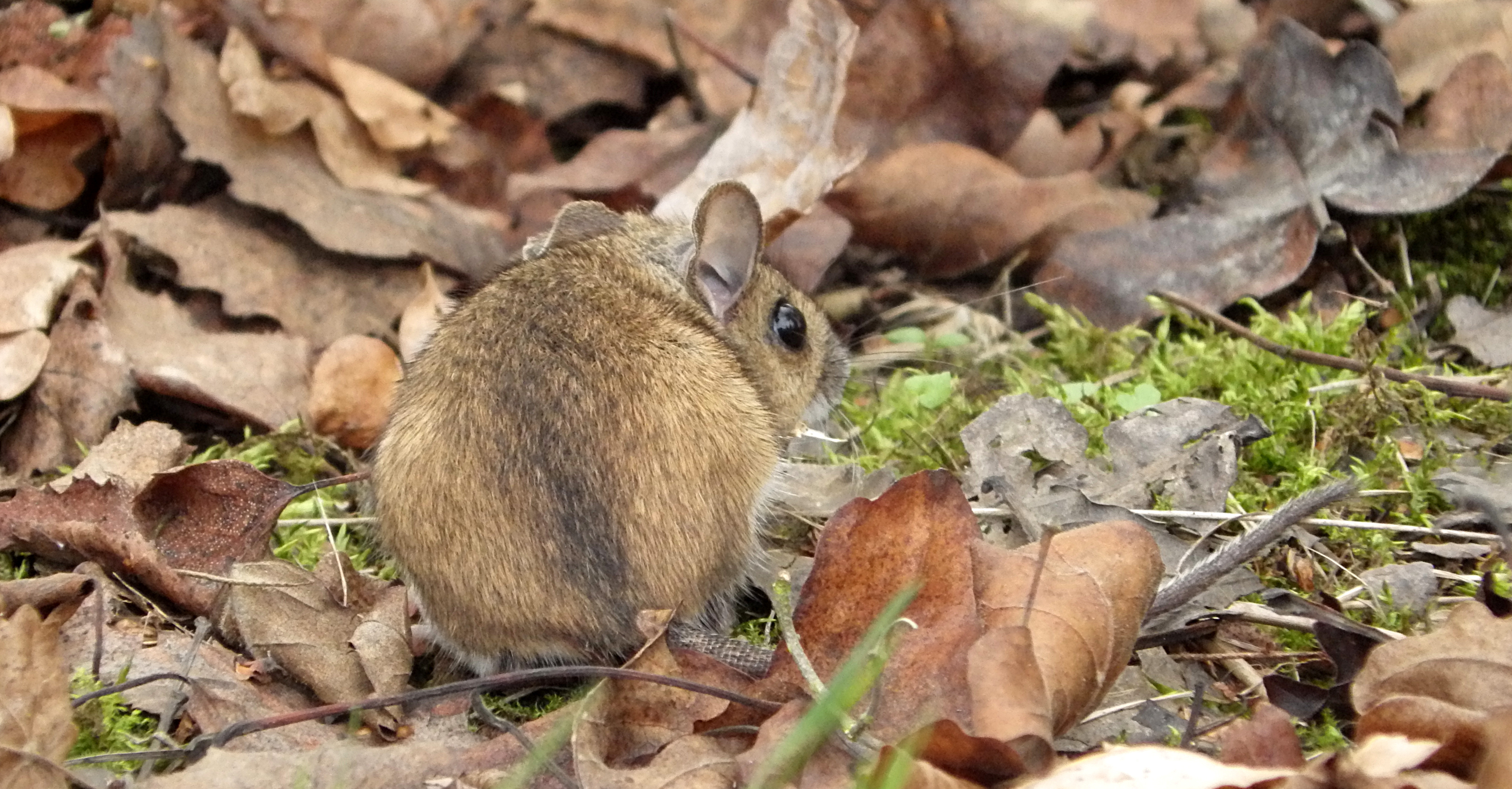
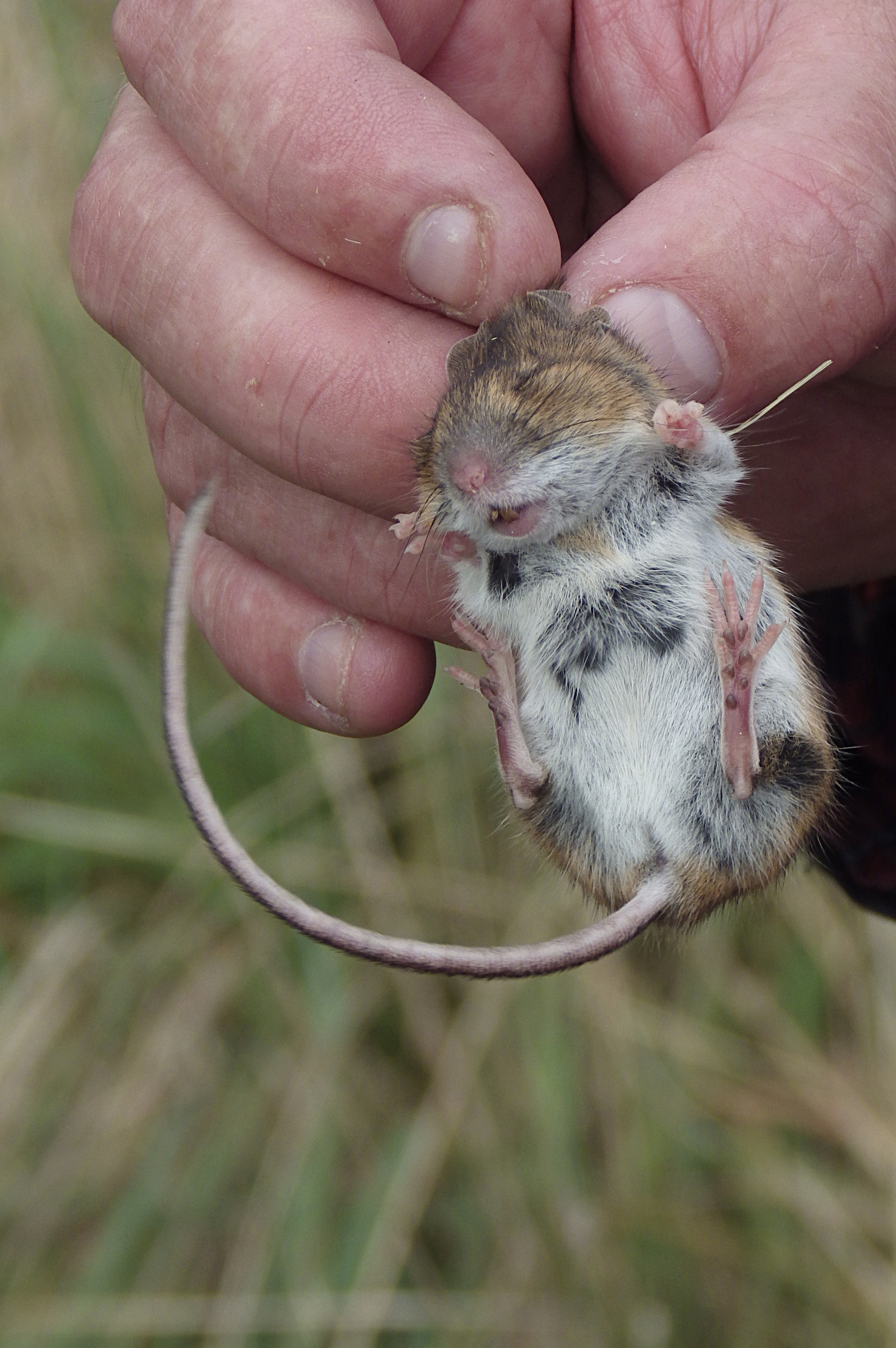
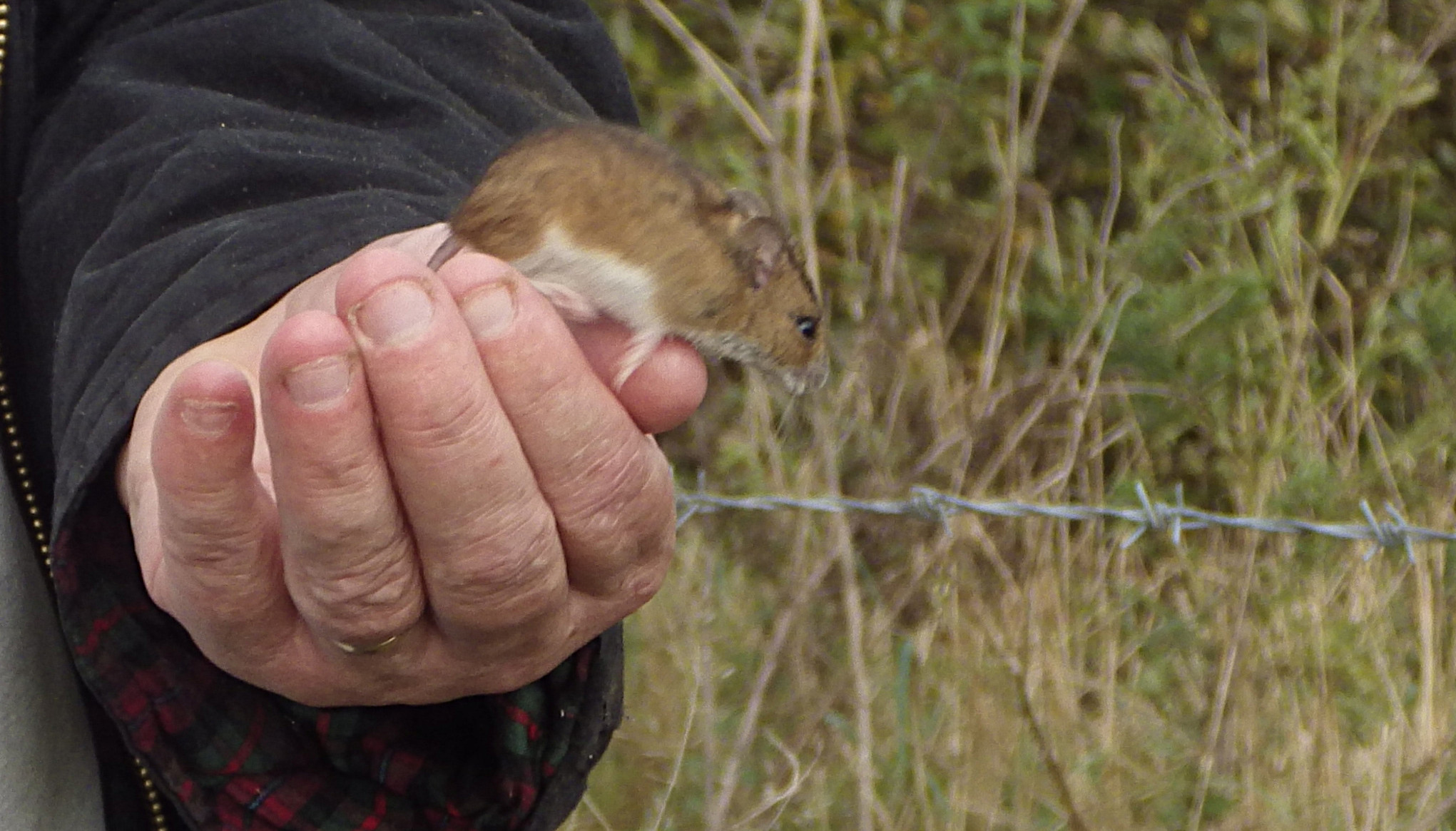
Yesterday the trapping was to show the children a close up of different species but this method is often used to monitor the numbers of various mammals. The traps were set up at roughly ten feet apart beneath an unused grassy area. When we found a trap which was closed we opened it up to see what had been caught. We then examined the mammal, looked to see if it was male or female then let it go. It was brilliant to see the species close up. We managed to catch seven wood mice, a bank vole and a field vole. Here are some photos I took.

Something else I found out yesterday was the mammal tracking phone app. This is to record different mammals in the UK so more can be found out about whereabouts they are and numbers. You can follow this link to download the app for your apple or android phone – http://www.brc.ac.uk/mammal_tracker/

IMGP6995

IMGP7045A wood mice that escaped down a sleeve!

IMGP7029

IMGP7059The children having a real hands on experience with one of the voles that was caught.

IMGP7017

IMGP7041

IMGP7034Another escapee!

IMGP7060

IMGP7030

IMGP7056

IMGP7022

IMGP7002

IMGP7005

Surprise Swallowtail.

Last Friday night I went to an event at Elford Hall Gardens, Staffordshire. The gardens here are very beautiful and the site is one of my favorite spots. At the site they have lots of volunteers to help maintain it and make it such a lovely place. At the site there is a walled garden, an orchard, paths all around and the River Tame flowing through at the far end. Along with maintaining all the flora here the fauna is also very important to them. When I visited in the summer there was a whole variety of different butterflies about, dragonflies and damselflies down by the river and a range of different bird species. At the gardens badgers can also been seen along with recorded evidence of an otter at the river.

When I went to the event last Friday night we were moth trapping. Two different types of moth traps were set up. A lot of moths were caught and identified and I also had a brilliant time! Along with the moth trapping event last week it was good to catch up with the site manager there, Dave. Back in early July he took on a project to introduce some swallowtail butterflies to the area.

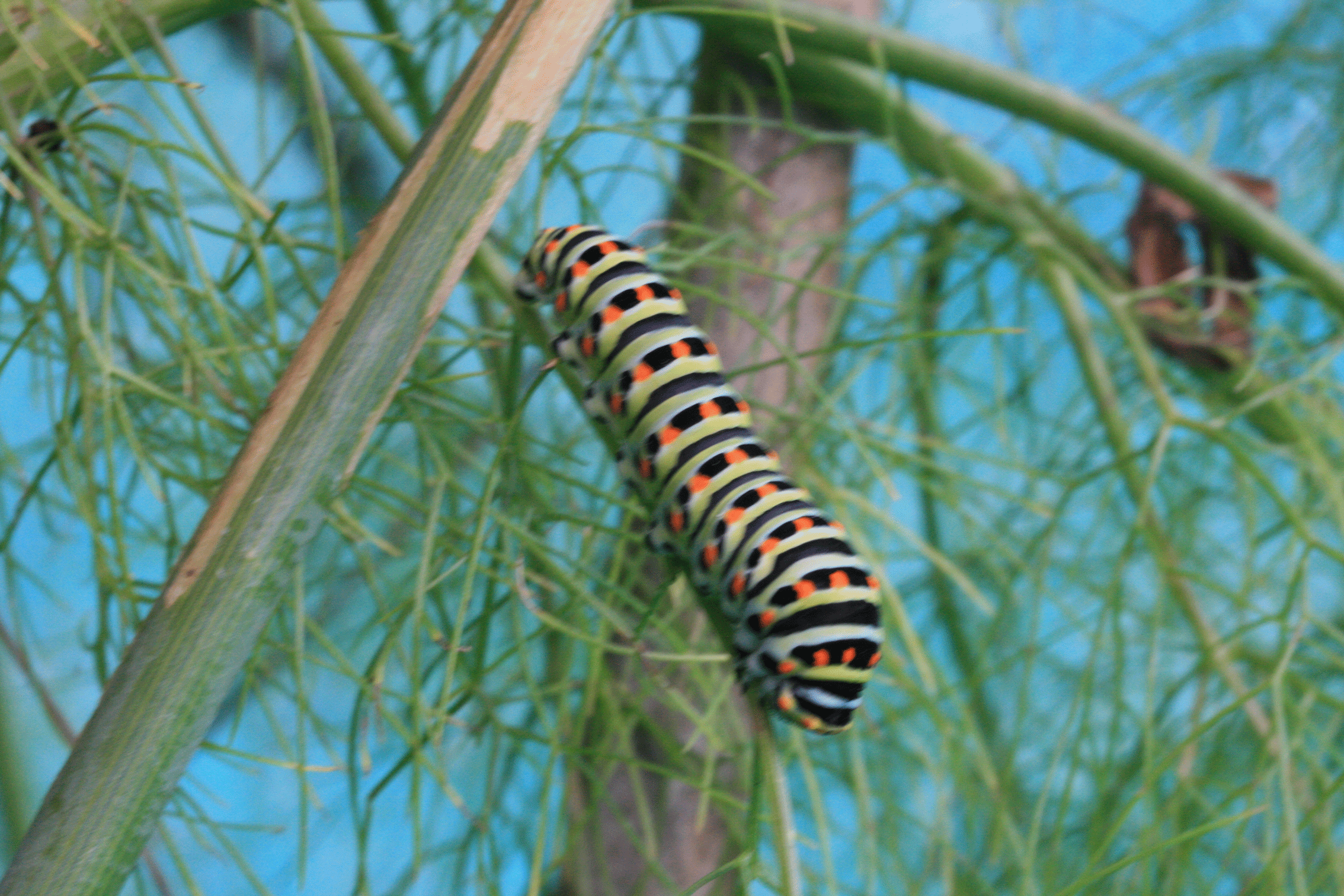
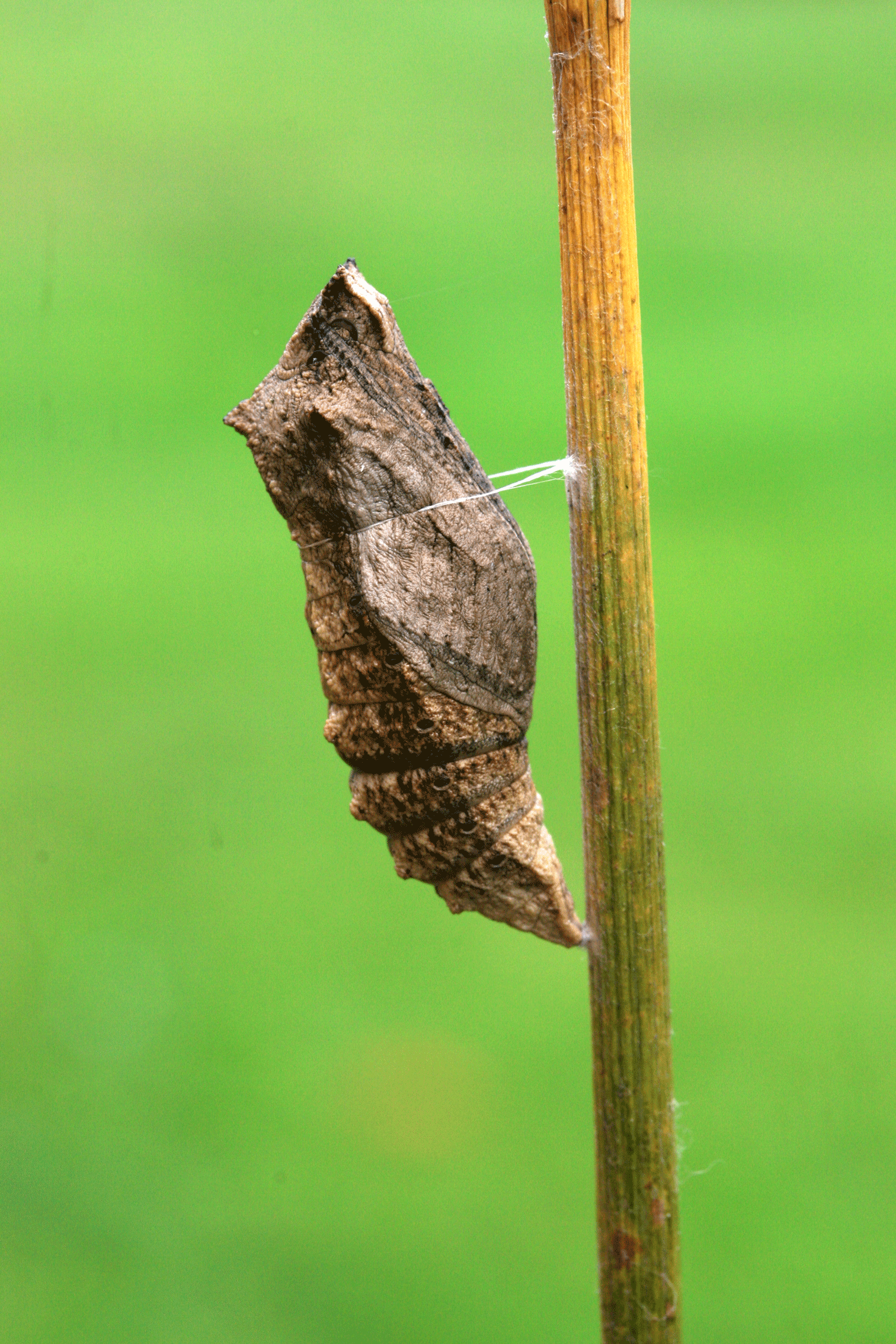
In the early stages they resemble bird droppings and it is only later on that they get their full colours as in the photo. By mid August they were starting to pupate and  I could see 5 fixed to the top of the sleeve around their host plant of fennel.

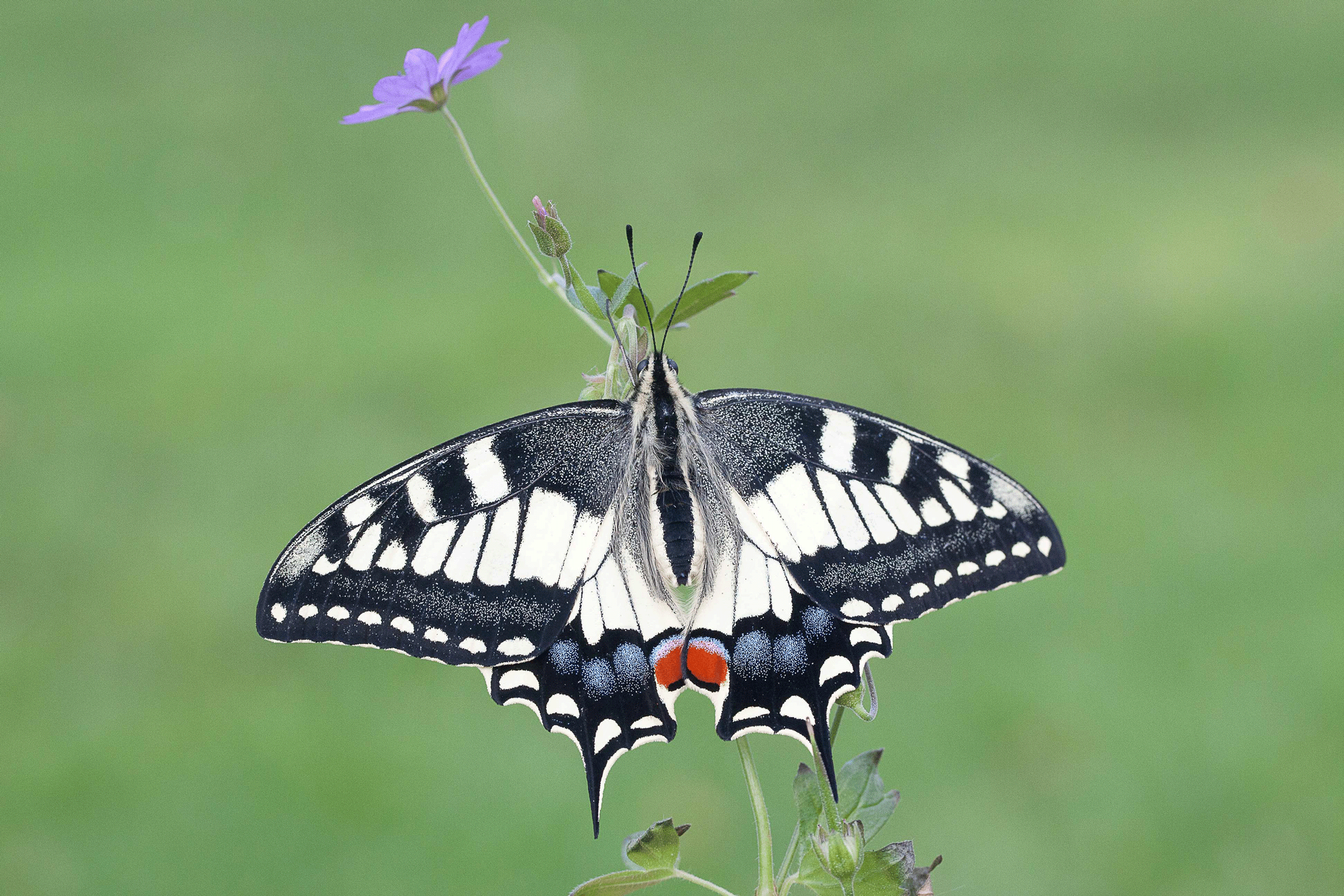
These pupae should of wintered in that state to emerge late May, early June of 2015. But then one emerged on the 2nd of September. It stayed around the site for a few hours, posing for photographs. The remaining pupae are now in a cool area and he hopes they will emerge, as intended, next year. Swallowtail butterflies are native to the UK but very rare. Here are some brilliant photos of the swallowtail at caterpillar, pupae and imago stages.

Swallowtail#2 Swallowtail#3 Swallowtail#4 Swallowtail#1