My Autumnwatch Experience!

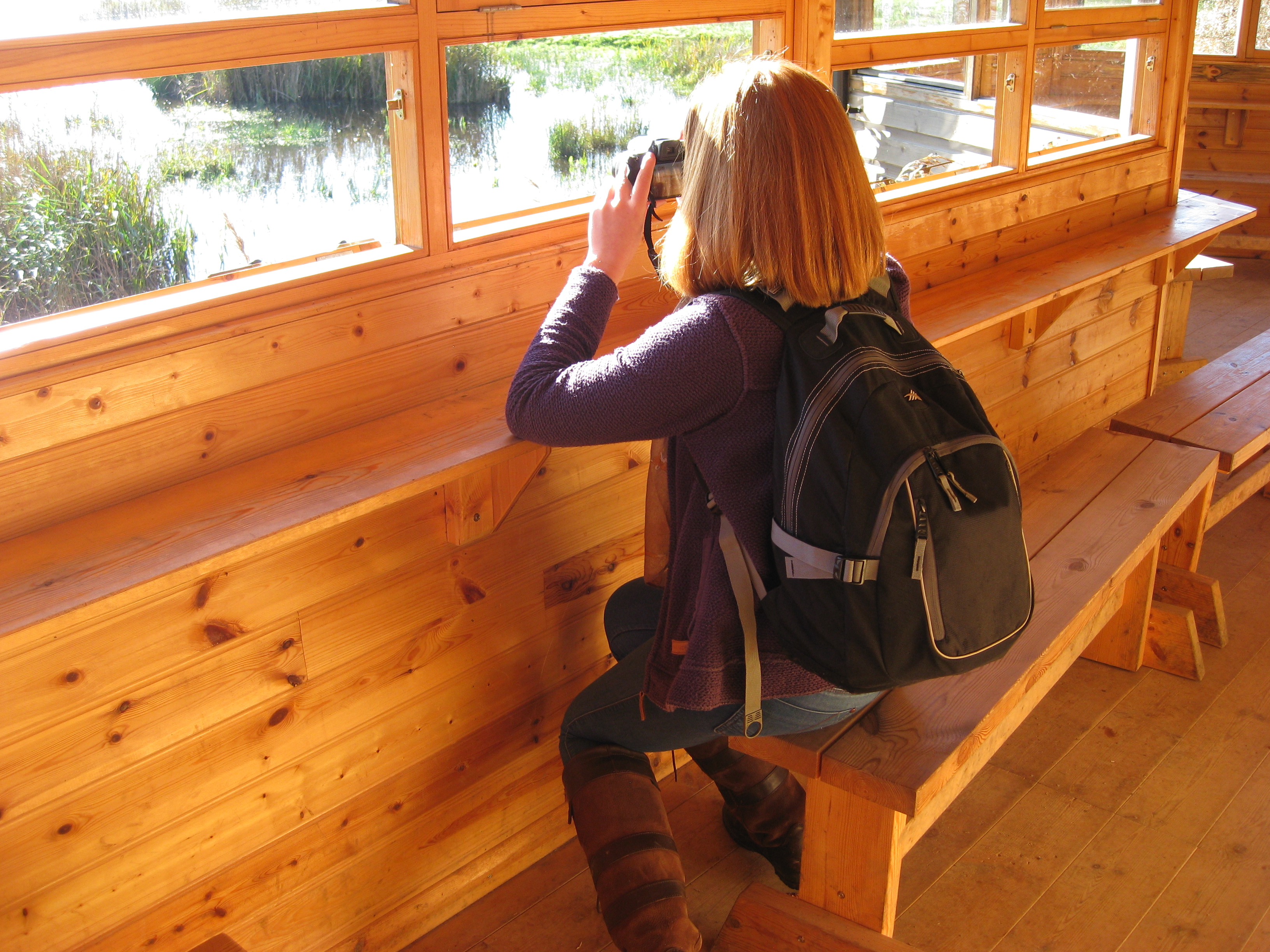
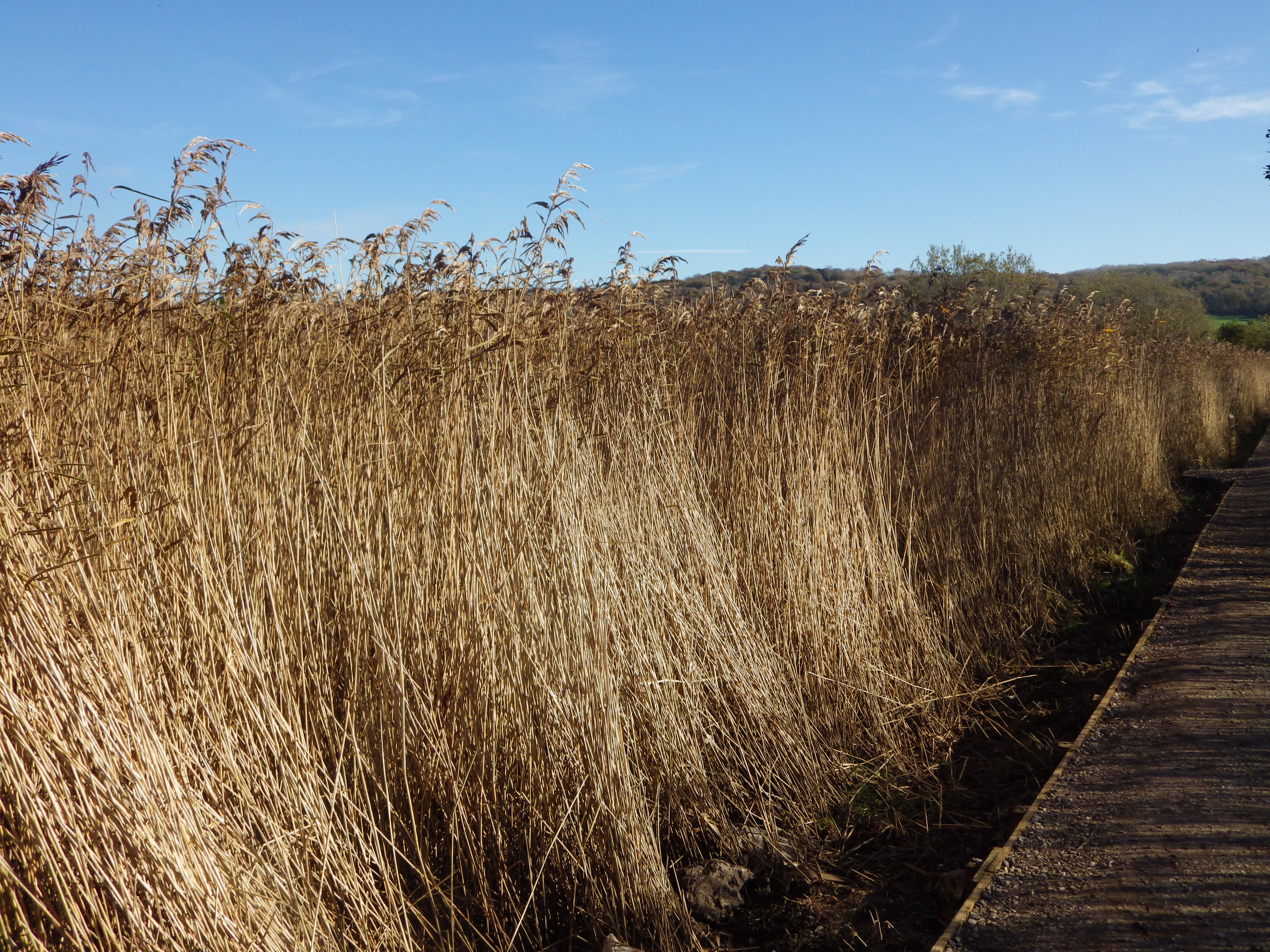
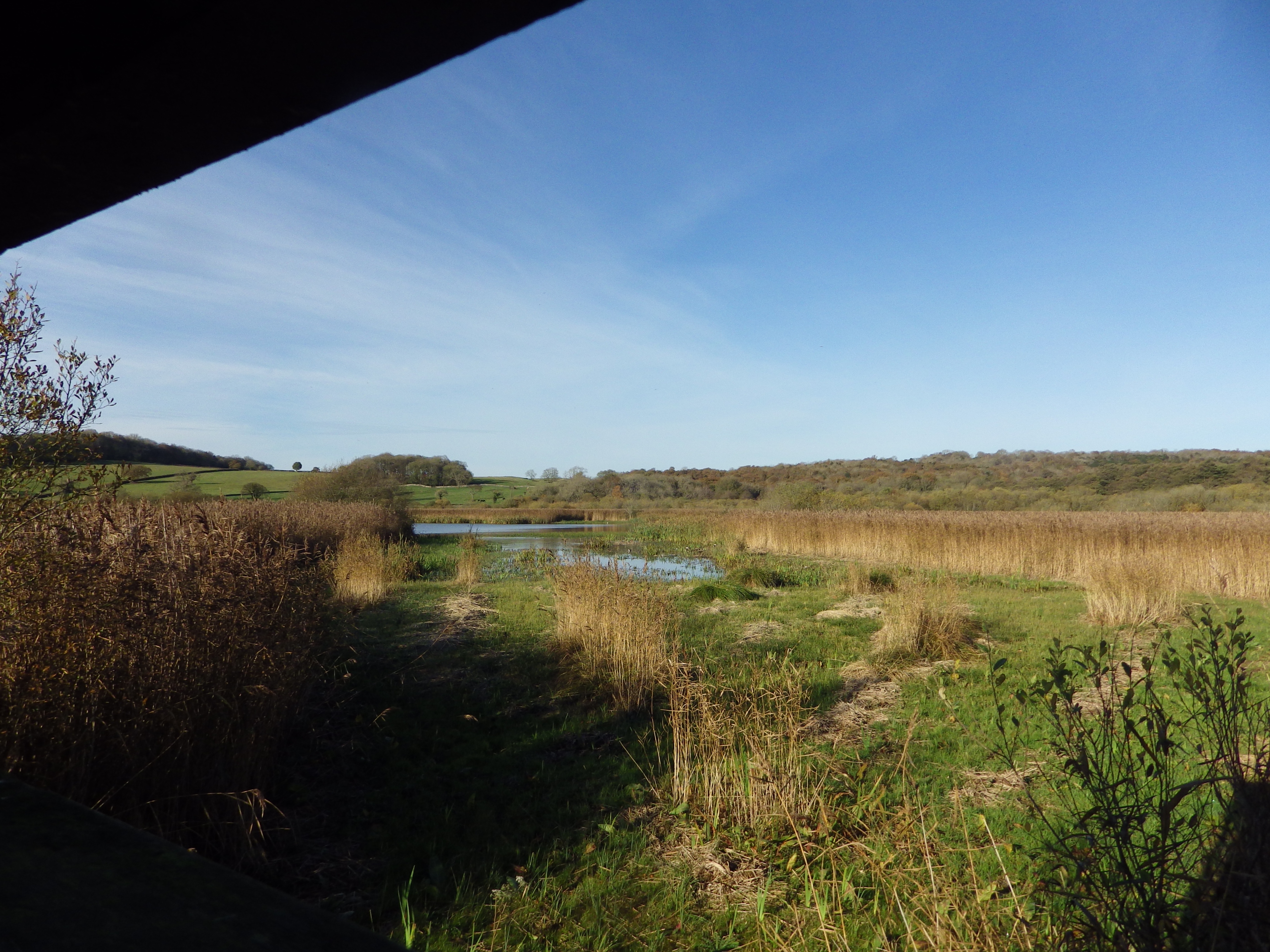
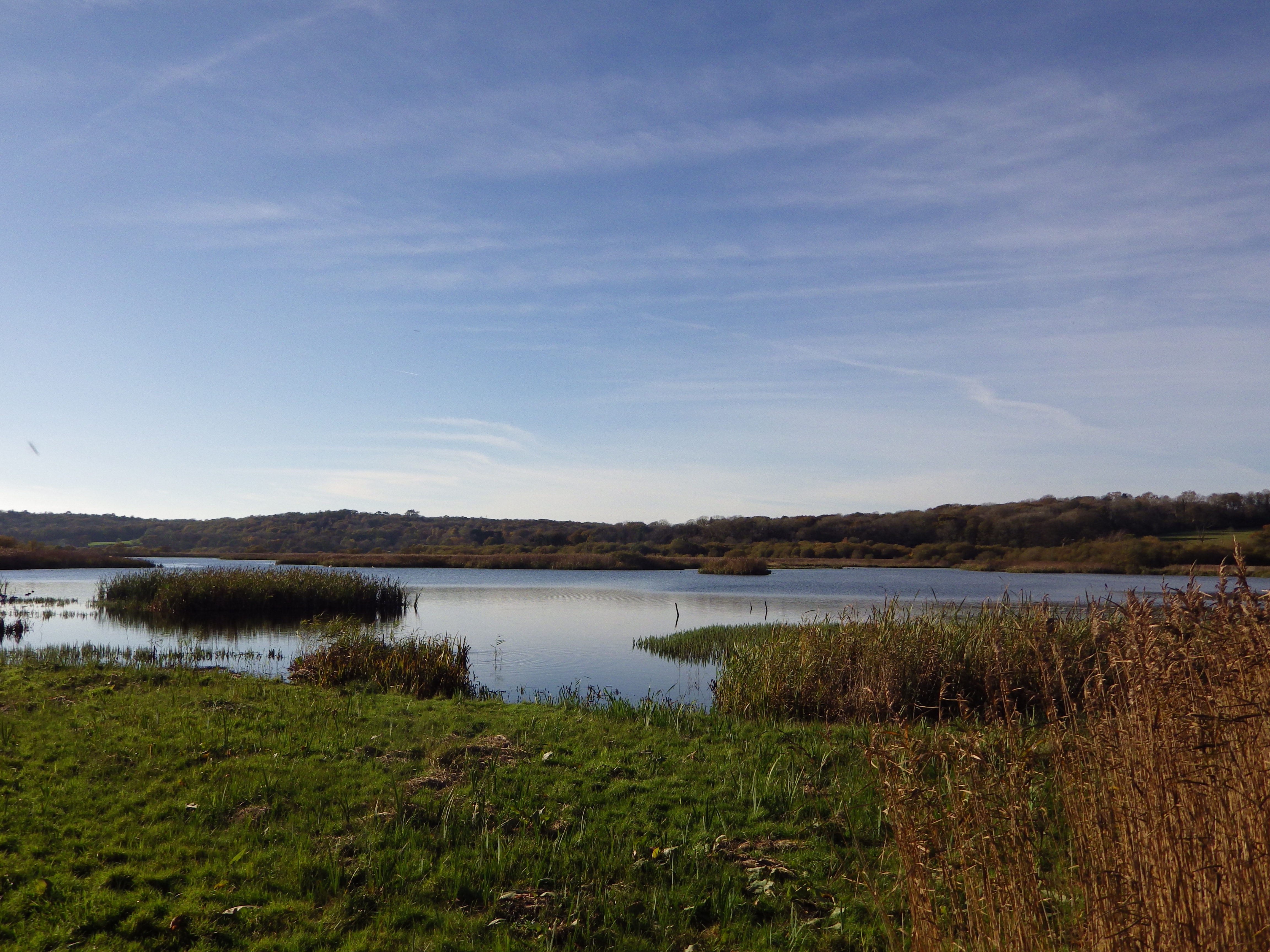
Yesterday I visited the RSPB reserve, Leighton Moss, for the first time. But this wasn’t to have a look around the wonderful site and look at the wildlife, it was to feature on BBC Autumnwatch Extra. Although I did have some time to look around I didn’t see very much as there were lots of people about but I will be going back to visit again in the near future!

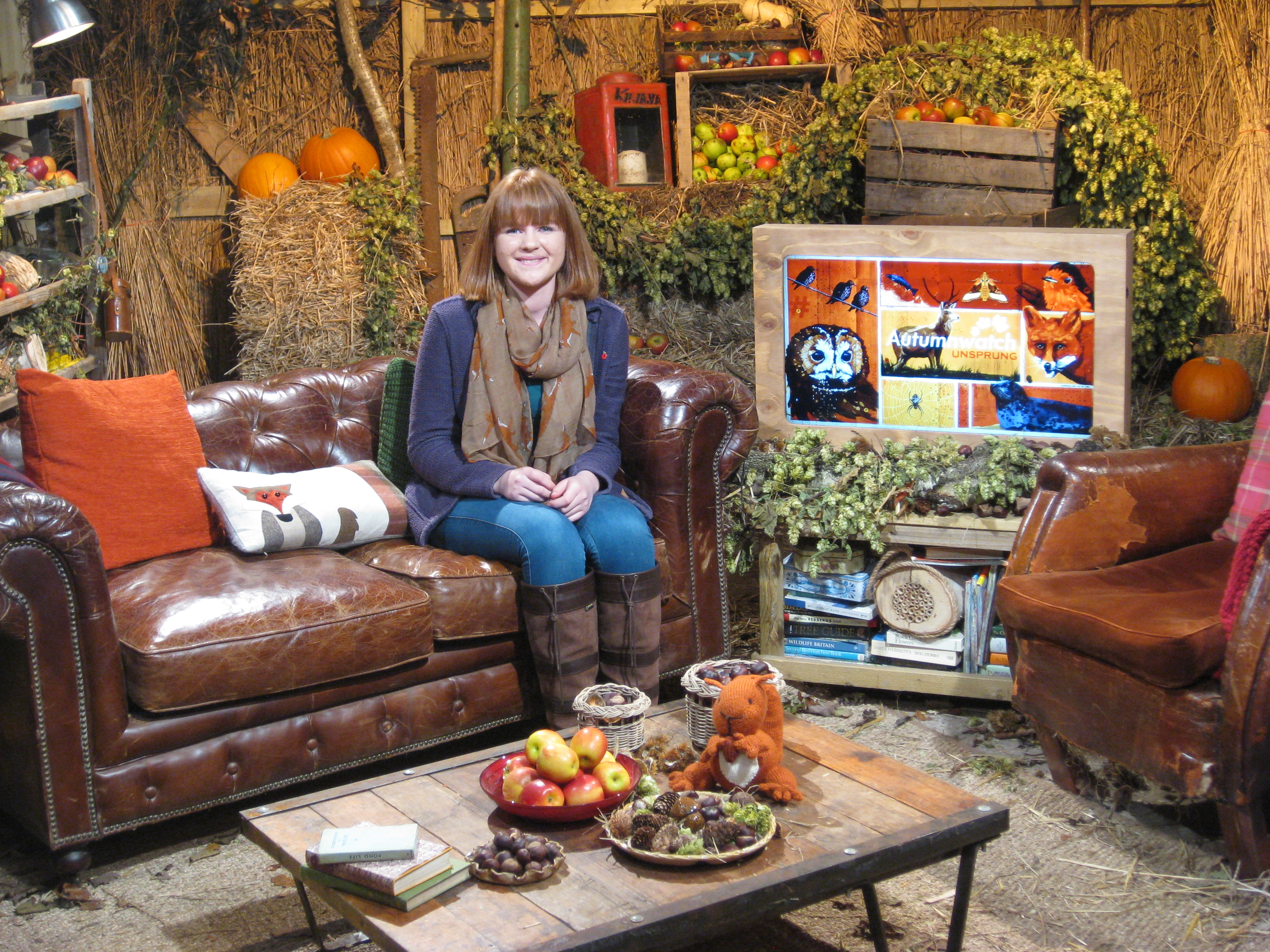
We caught our first train to Leighton Moss at 7.35am and after a few hours of travelling and delayed trains we eventually arrived at 12. Straight away I had a chat with the producer and the presenter of the Autumnwatch Extra show, Brett Westwood. I also got to chat to Michaela Strachan and Nick Baker.

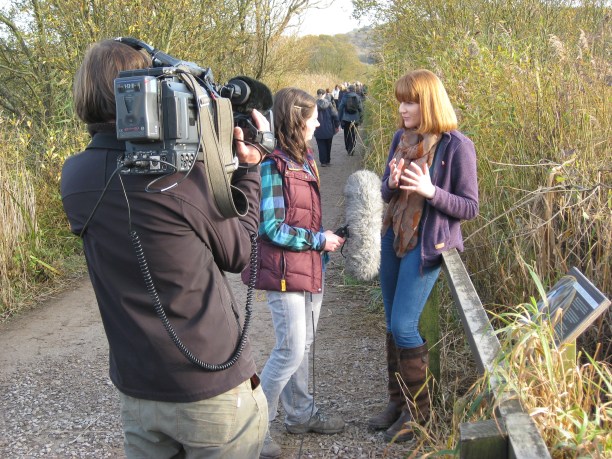
After lunch we went for a walk around the reserve then did some filming with one of the presenters, Lindsay Chapman, where I spoke more about the practical side of using trail cameras and compared my set ups to the ones at Leighton Moss. It was great fun and I really enjoyed myself!

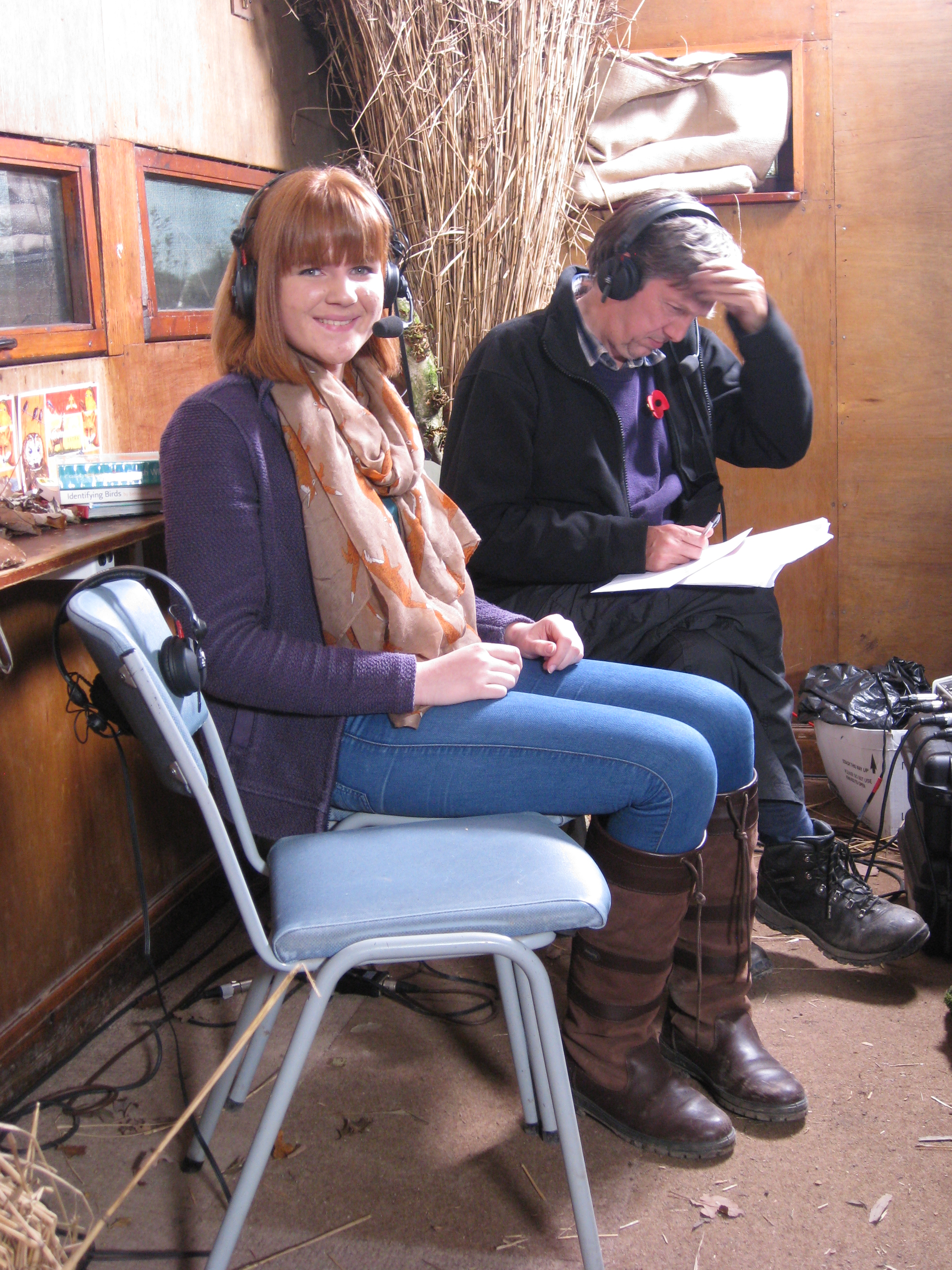
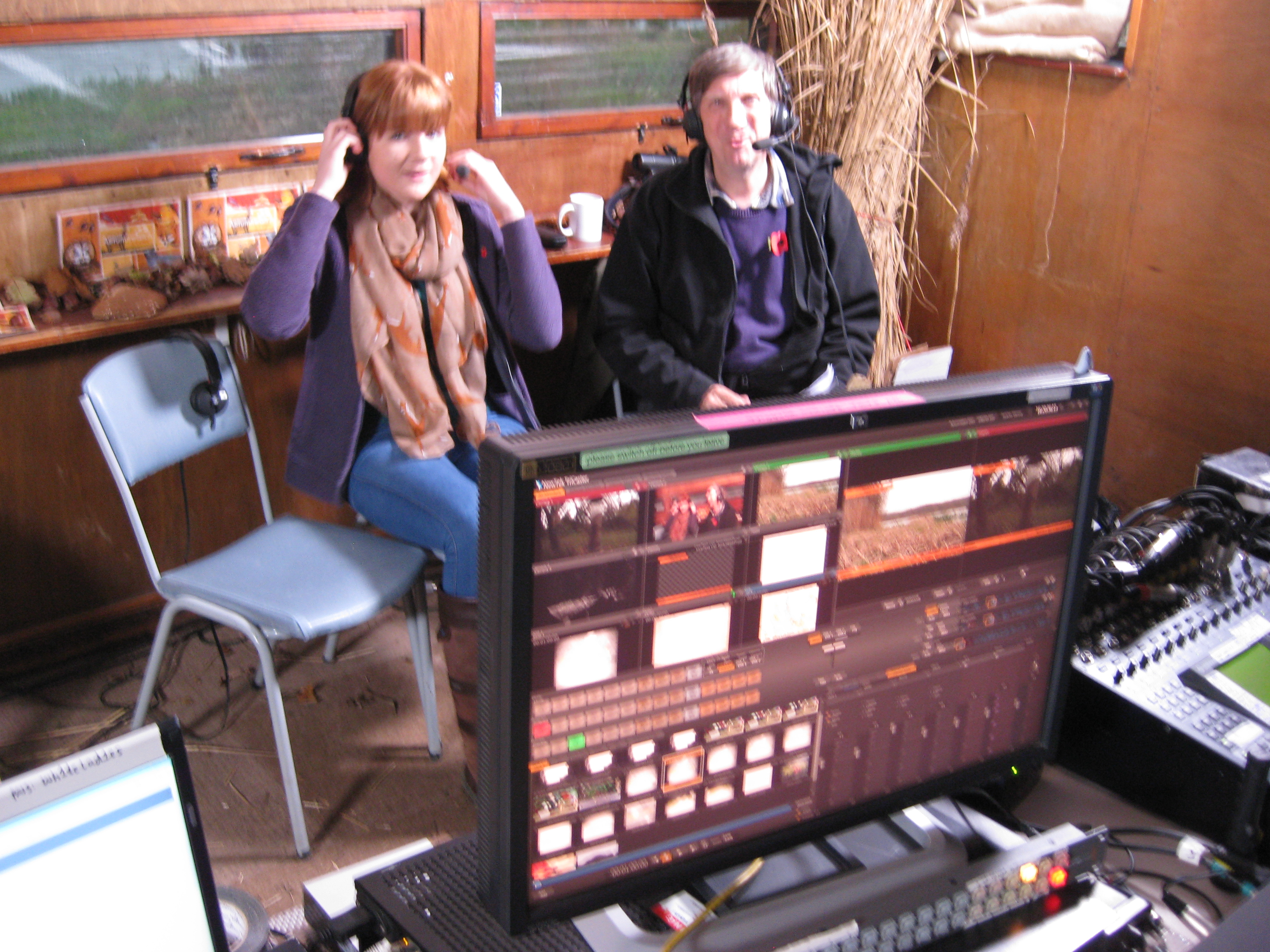
Later on we went to Lilian’s hide ready for the Extra show. It was very exciting, especially when they were counting down to going live! When I was on I spoke about my passion for trail camming and how brilliant it is. I also spoke through some of my favorite clips explaining what was going on and how I managed to get the footage. Unfortunately I only had 2o minutes but I could of gone on for hours speaking about my trail camera set ups, what I’ve managed to film and the behavior.

Unfortunately we couldn’t stop for Unsprung but we were allowed to have a look around the studio and watch one of the rehearsals which I thoroughly enjoyed! It was brilliant and I really did have one of the best days ever due to it being a fantastic reserve and everyone being such friendly and enthusiastic people! I really did enjoy the experience and it was so inspiring too!

You can watch my part on Extra by following this link and skipping to the 1:58:00 mark – http://www.bbc.co.uk/iplayer/episode/p0299myp/autumnwatch-extra-2014-4-day-two-part-two

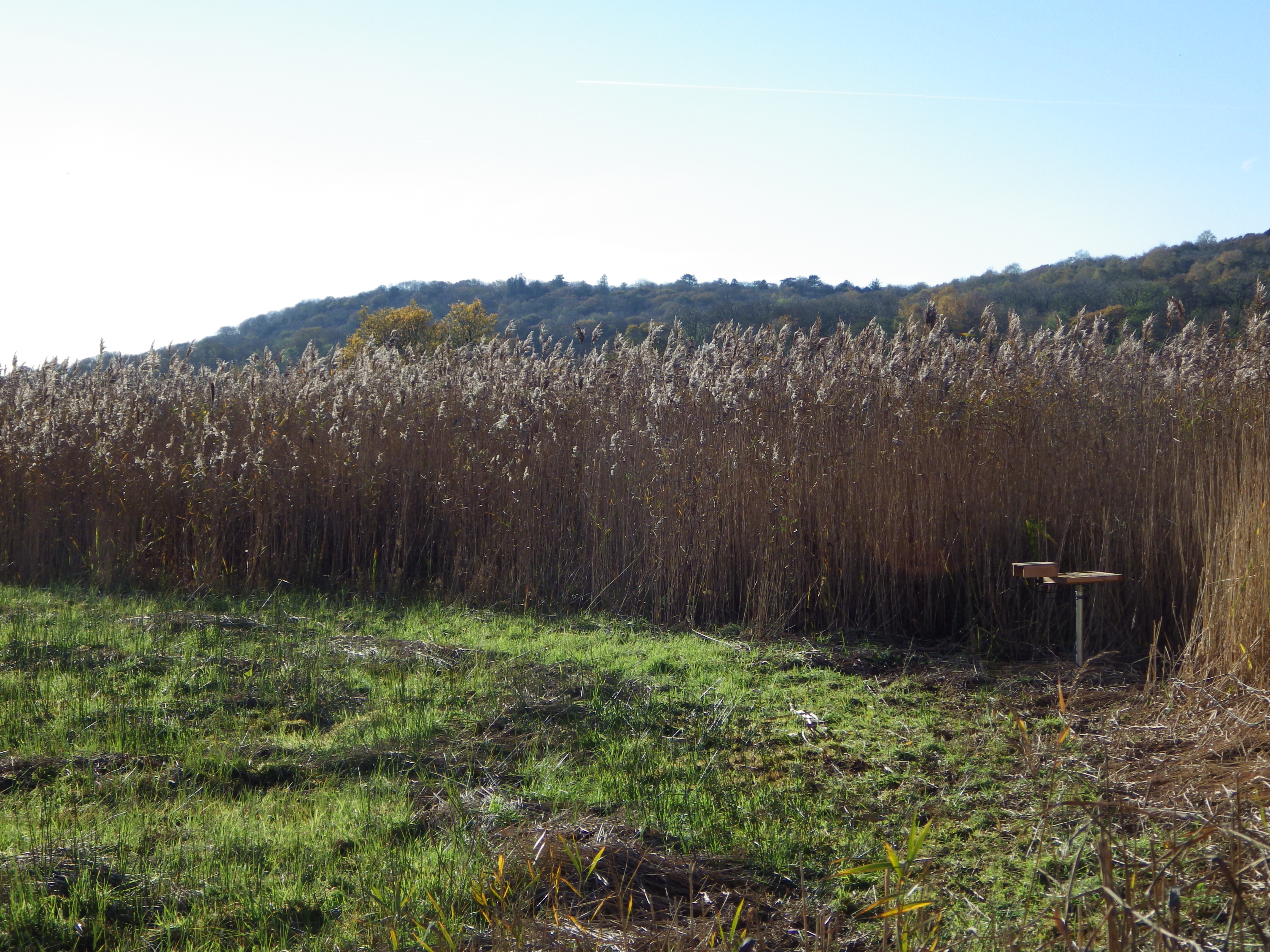
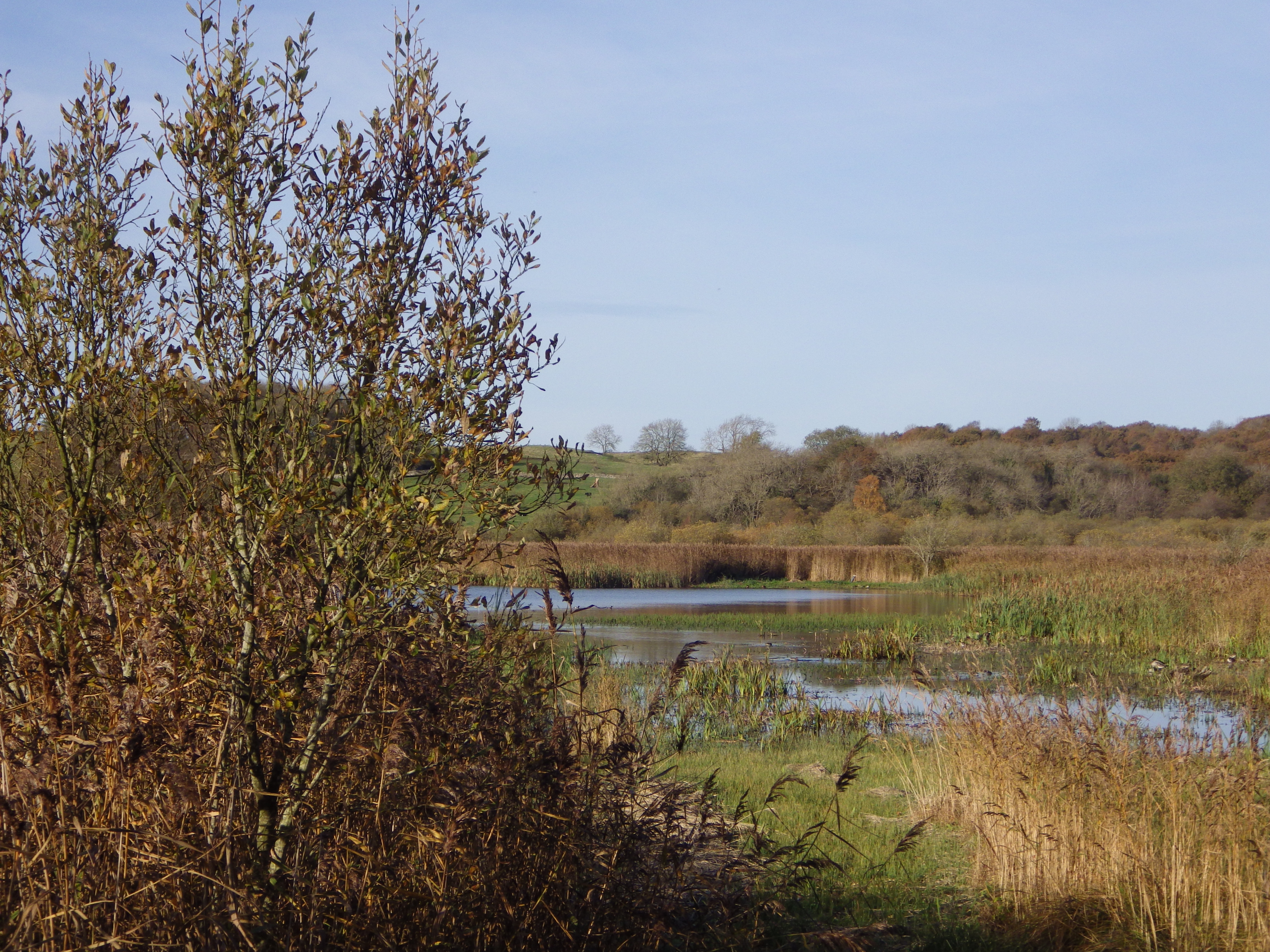
Here are some photos from the day.
IMG_1193

IMG_1152  IMG_1168


IMG_1147

IMG_1186

IMG_1157

IMG_1183

IMGP7192

IMGP7209

IMGP7178

IMGP7198

IMGP7201

Save Hopwas Wood, Staffordshire!

Yesterday morning I found out about proposed plans to turn one of my local patches into a quarry. I regularly visit the ancient woodland as it isn’t far from where I live. I’ve visited it for as long as I can remember, for example walking through the woods on a number of occasions and taking photos of the wonderful wildlife. I was very upset when I found out this news and decided that I wanted to do something about it.

After hours of research I decided to create an online petition as I hadn’t found any others. My petition is targeted at the local Council as they are currently discussing the plans and a verdict will be released on the 5th of December.

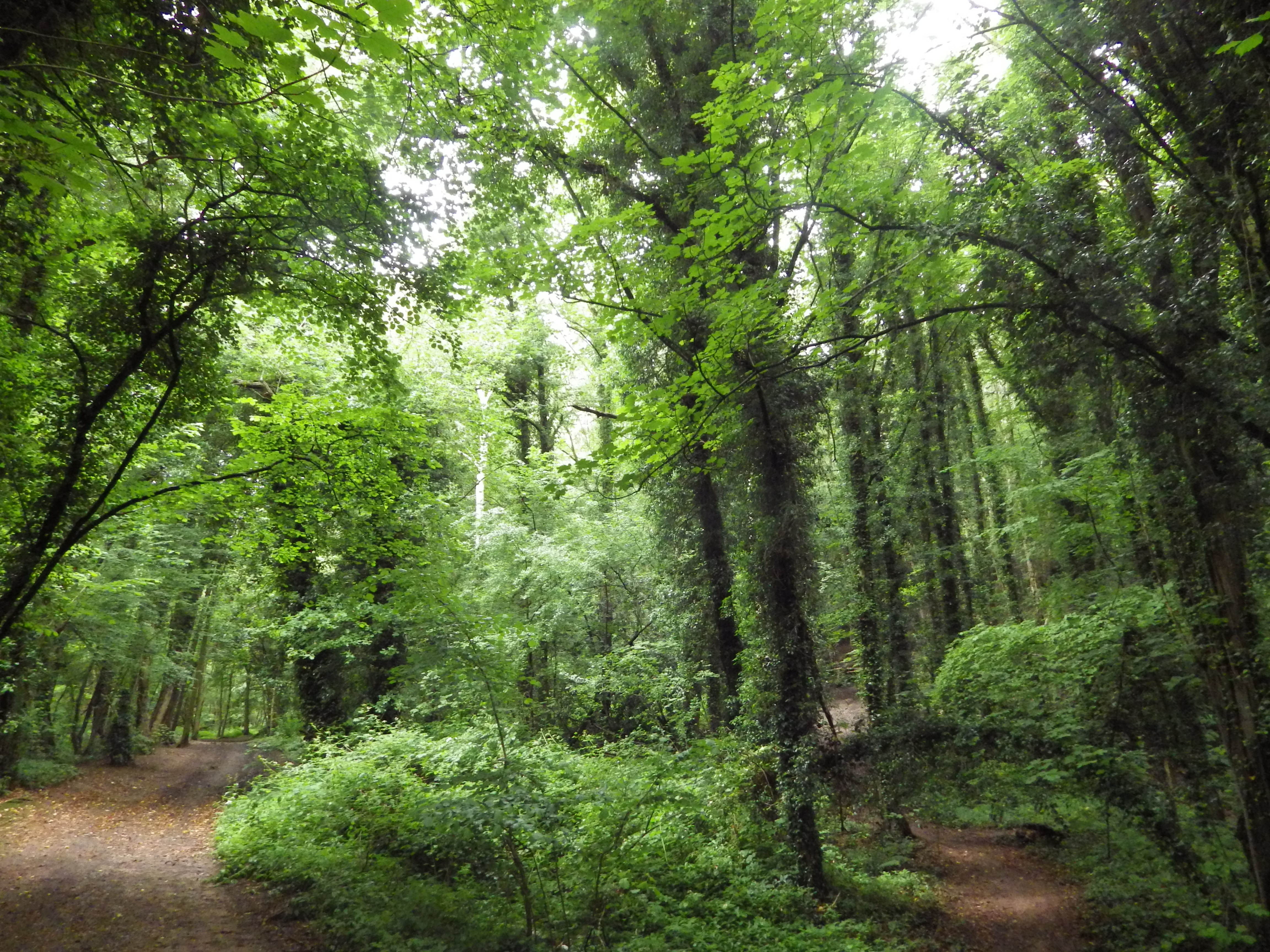
Along with many others Hopwas Wood, also known as Hopwas Hayes Wood, is one of my favorite outdoor spaces. It consists of approximately 385 acres of ancient woodland which date back to the doomsday book.

The area is listed by the SPNR as a large ‘primeval forest’ and ‘a good place for plants which frequent woody places’ as well as birds and insects. It is also important for a number of protected species such as otter and grass snake.

Here’s a link to the petition I have set up. I would be extremely grateful if you could sign and share – https://www.change.org/p/staffordshire-county-council-save-hopwas-wood-staffordshire

9

Mammals go exploring!

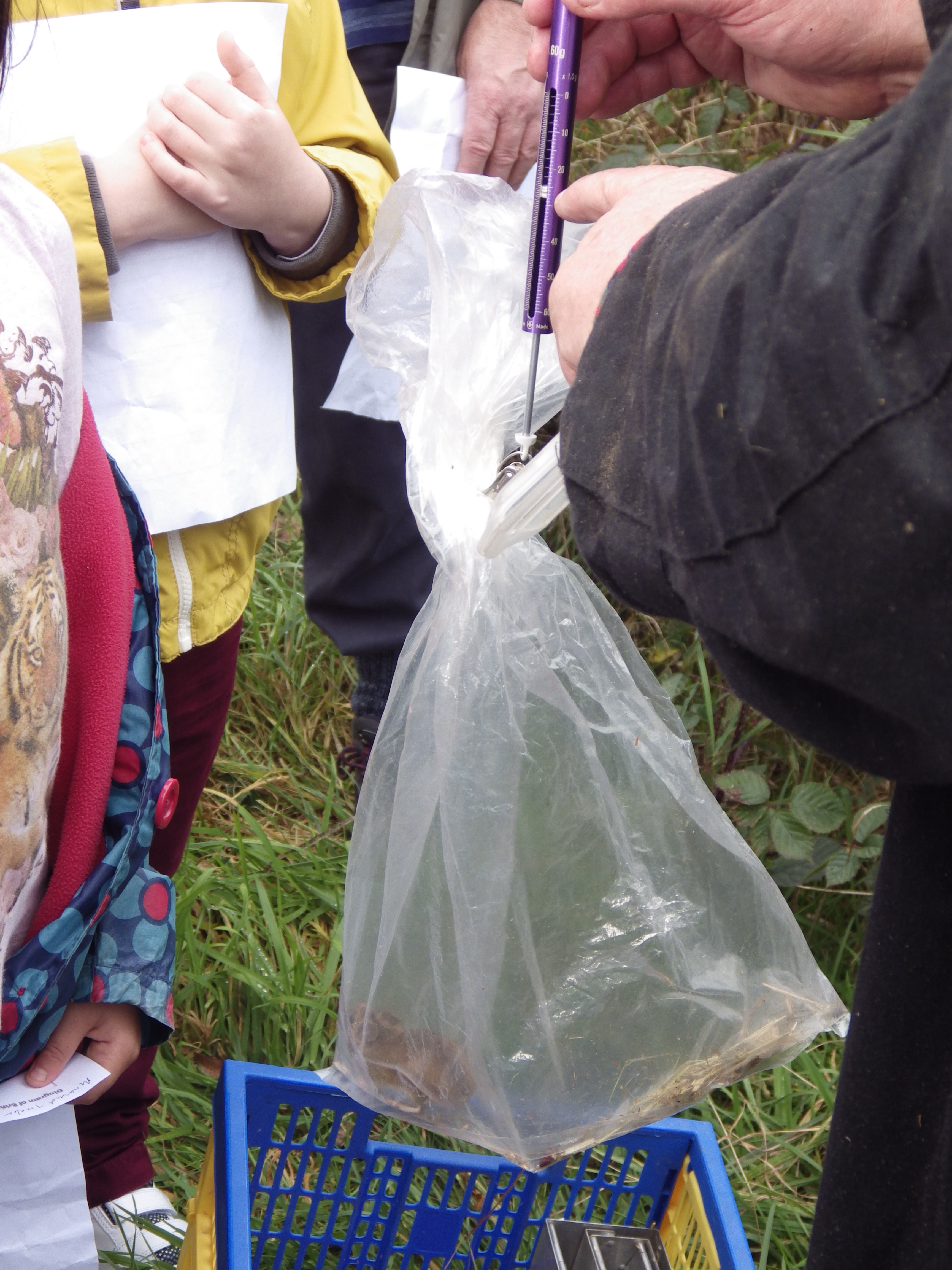
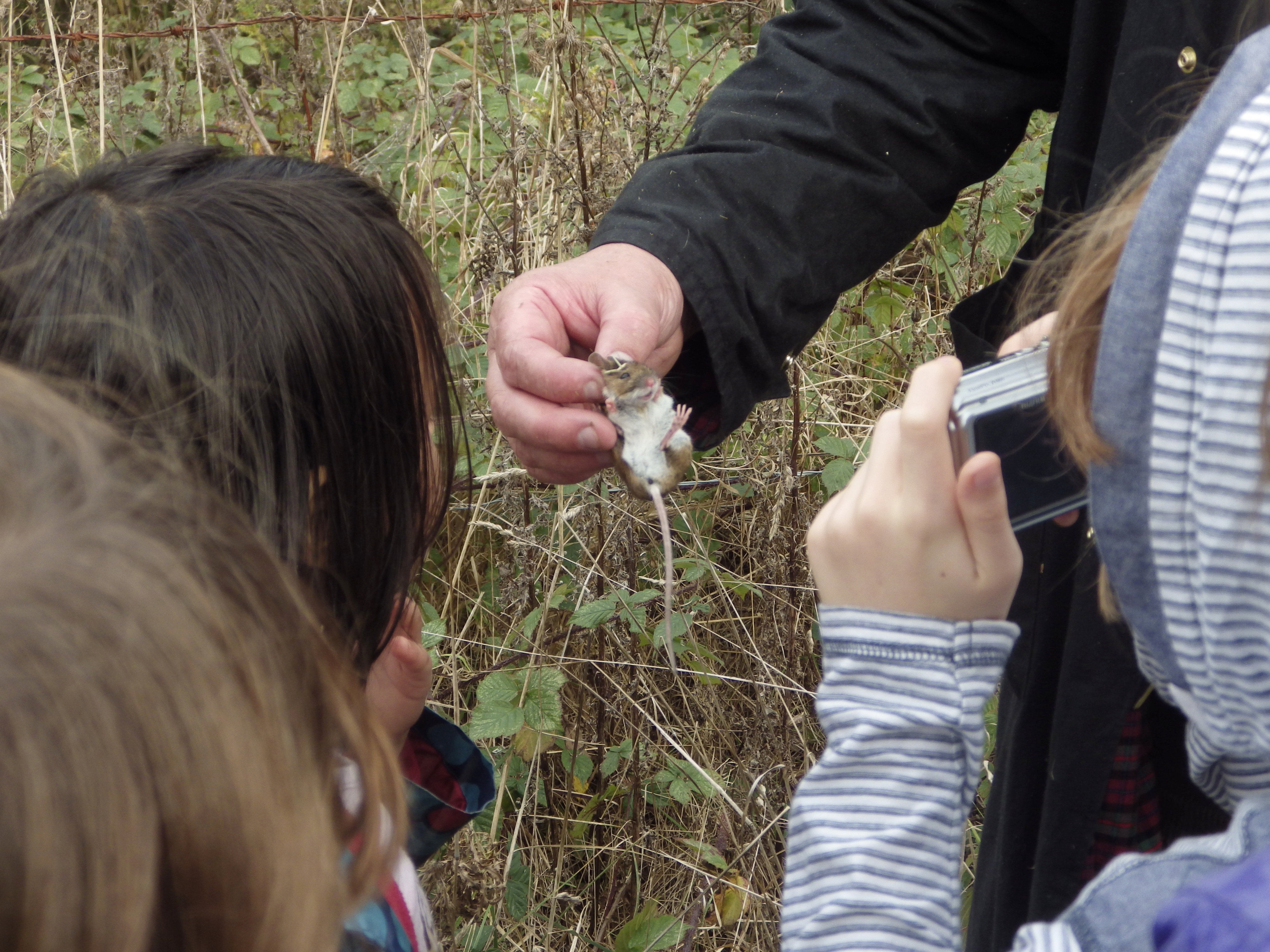
Once a month I go to a local Wildlife Watch meeting at the National Memorial Arboretum. As I’m quite a bit older then the other kids I act more as a leader within the group. Yesterdays session was about all about various mammals which are present at the Arboretum. A local mammal expert, Derek Crawley, set 39 traps out the night before then we went to collect them during the session and to see what mammals had been trapped over night.

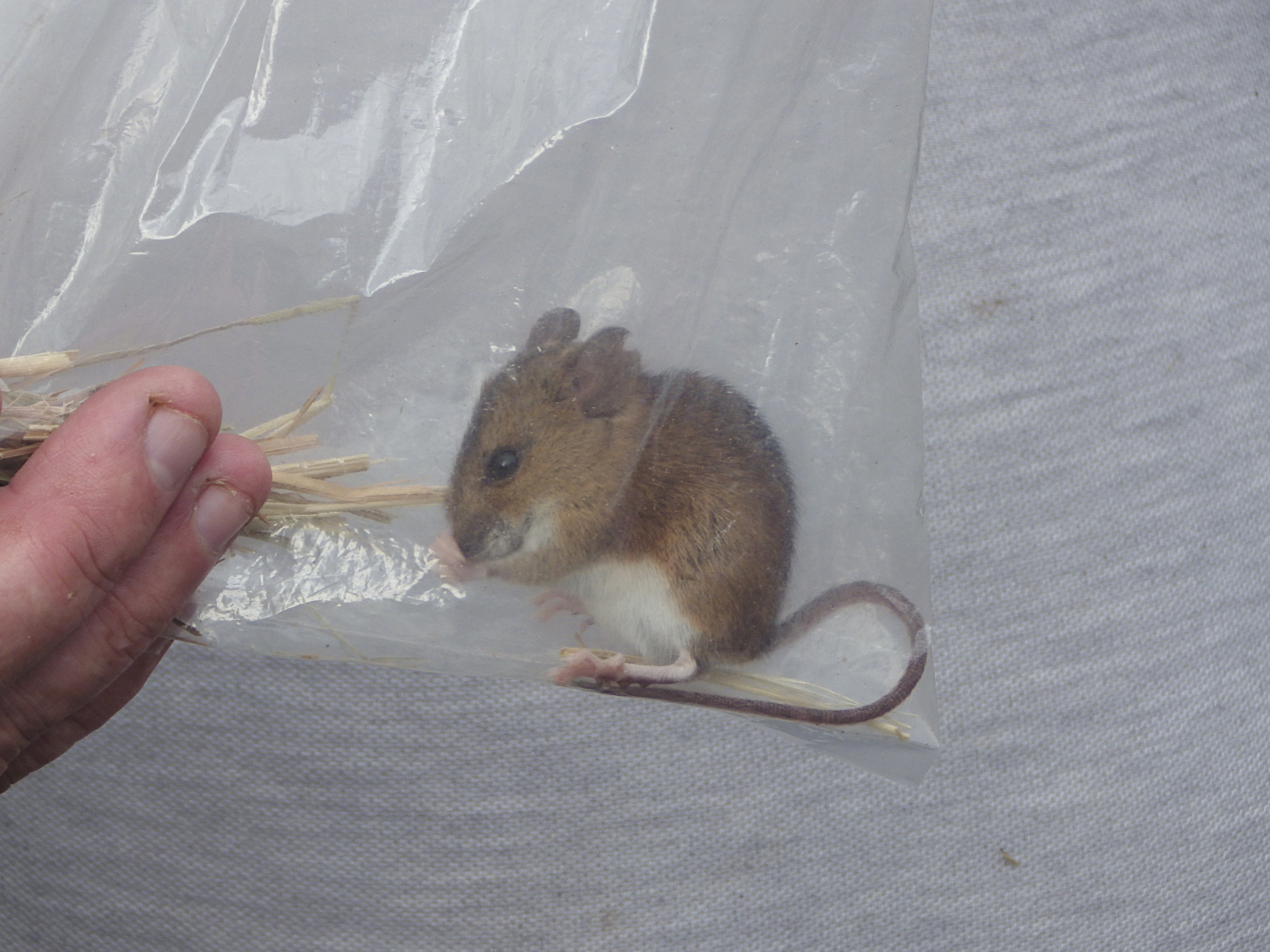
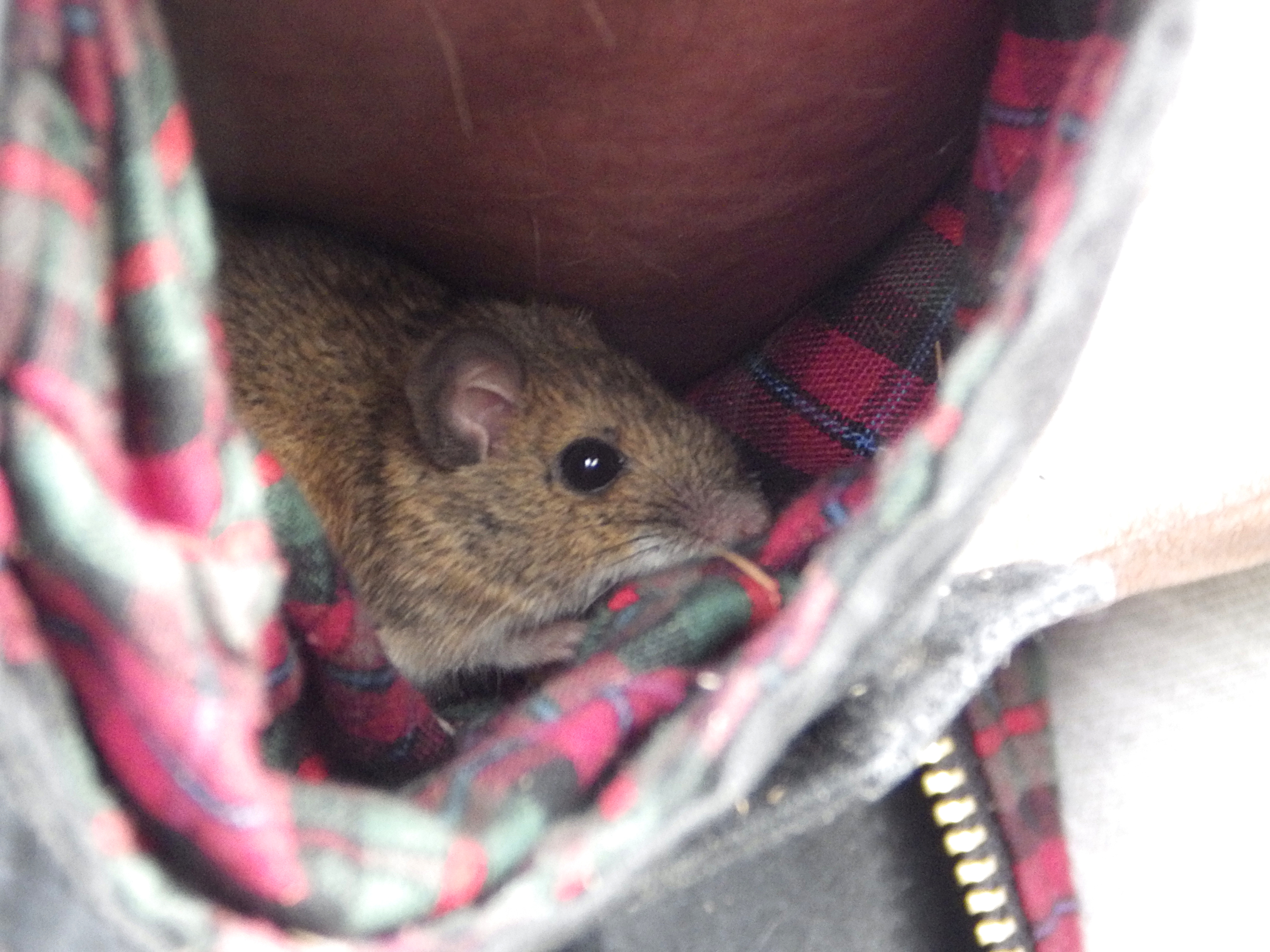
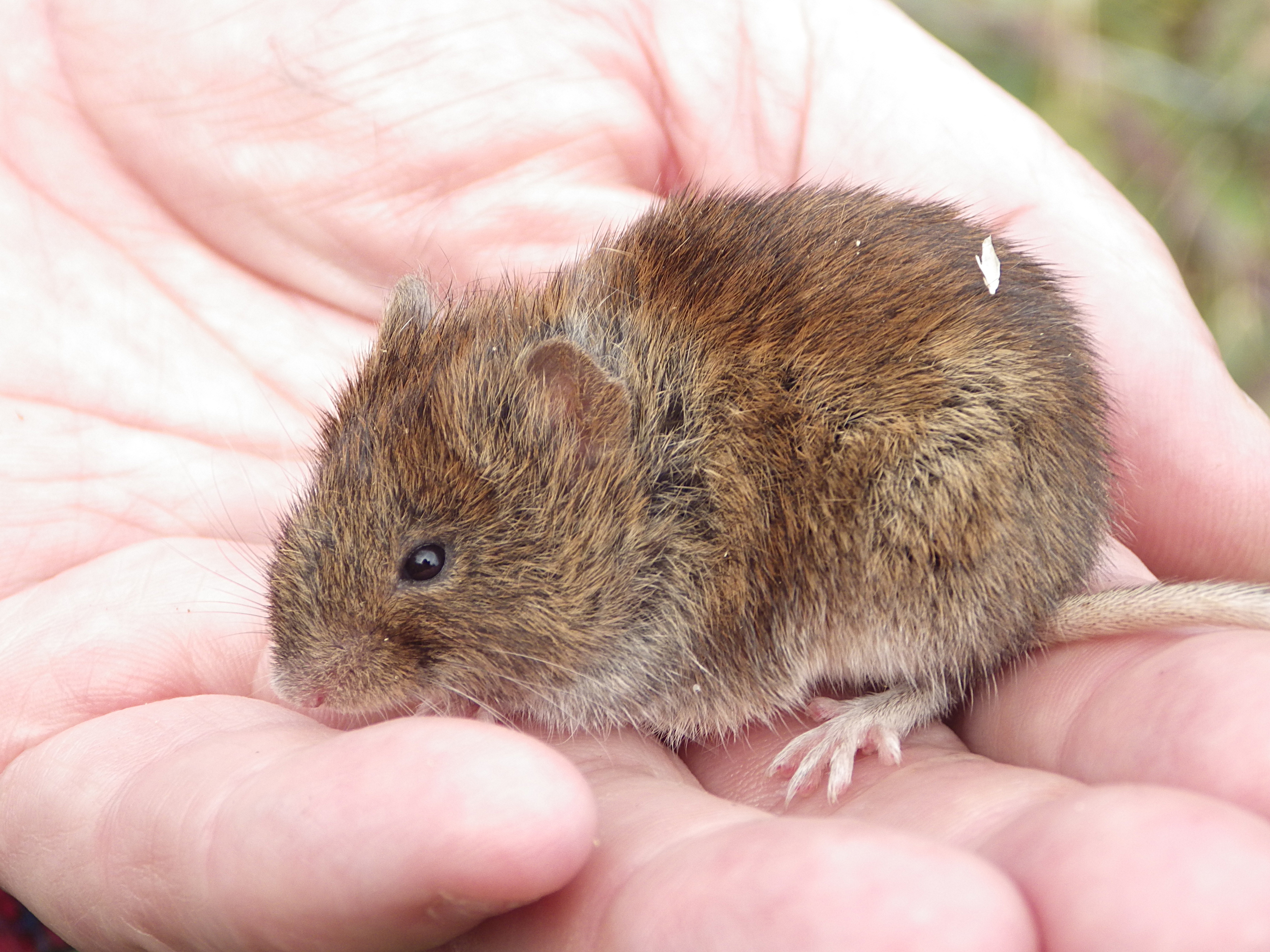
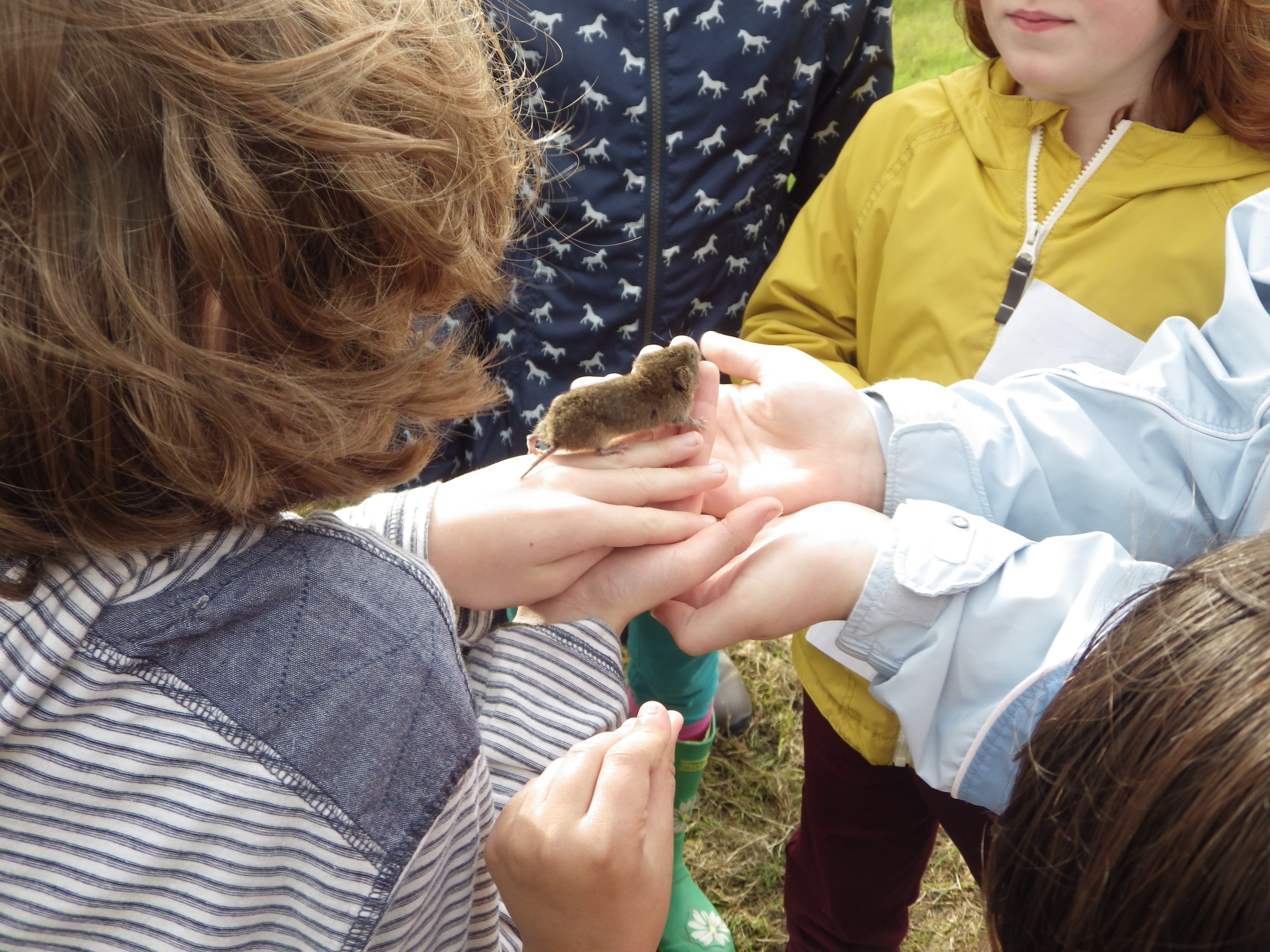
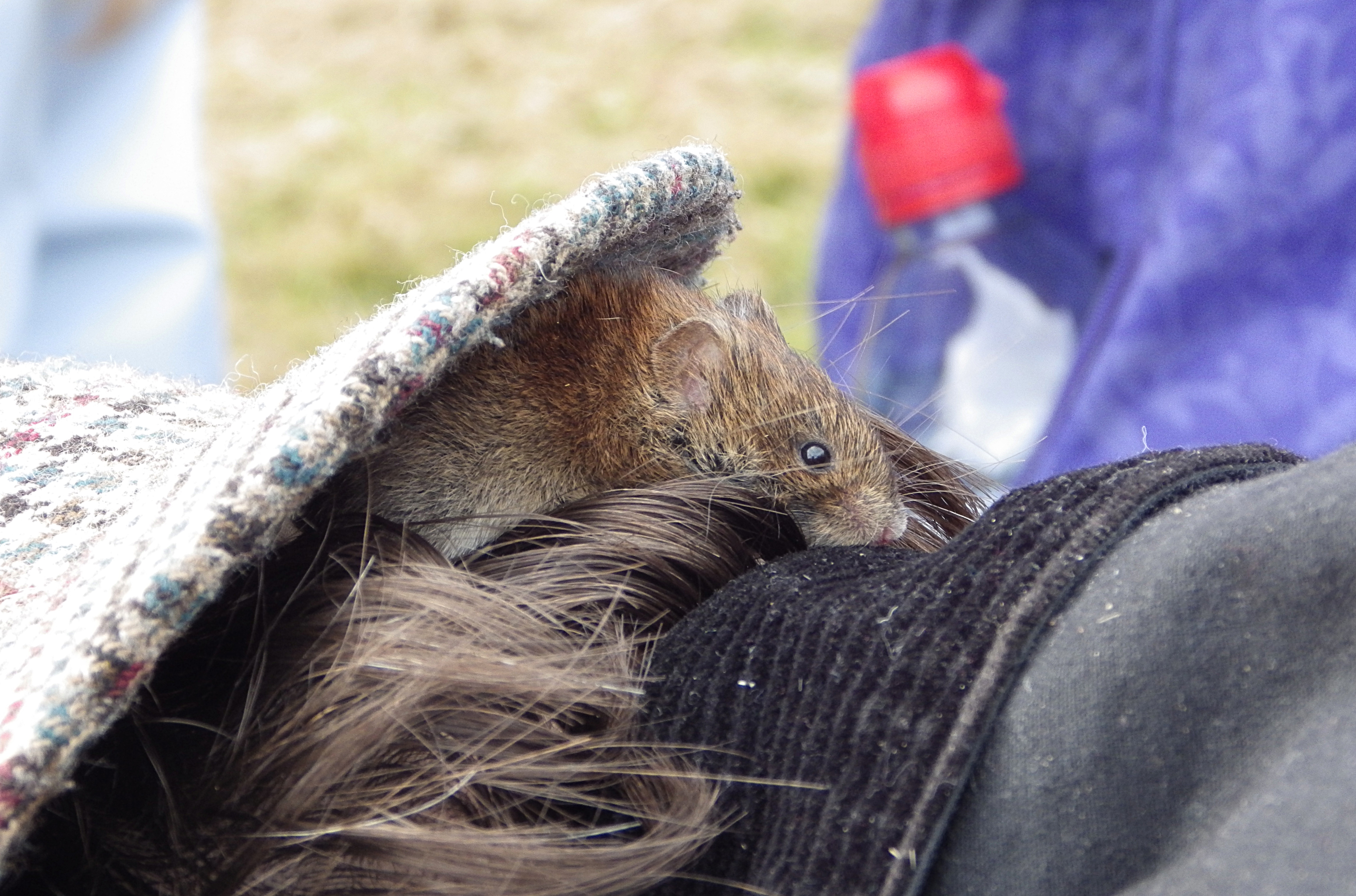
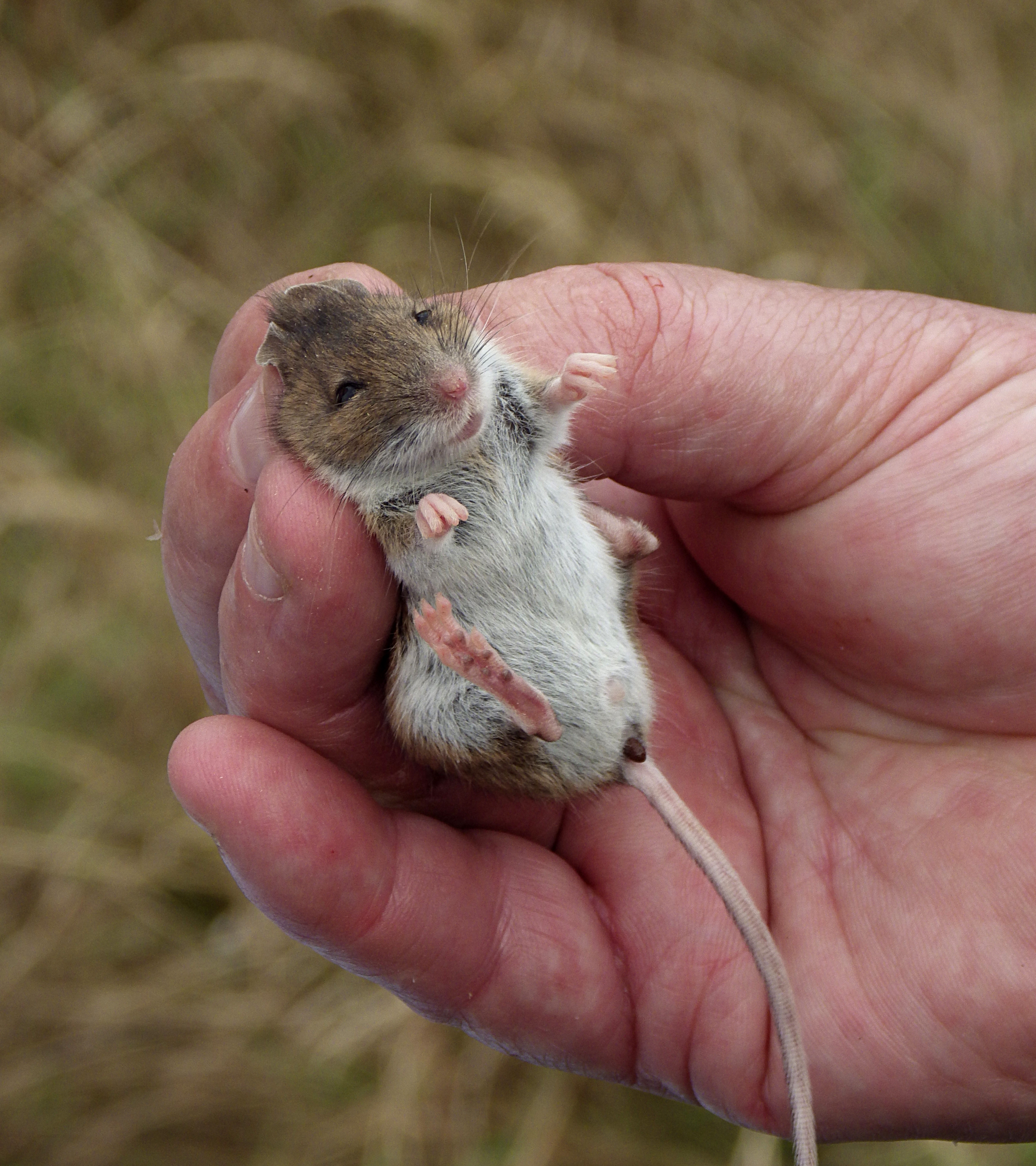
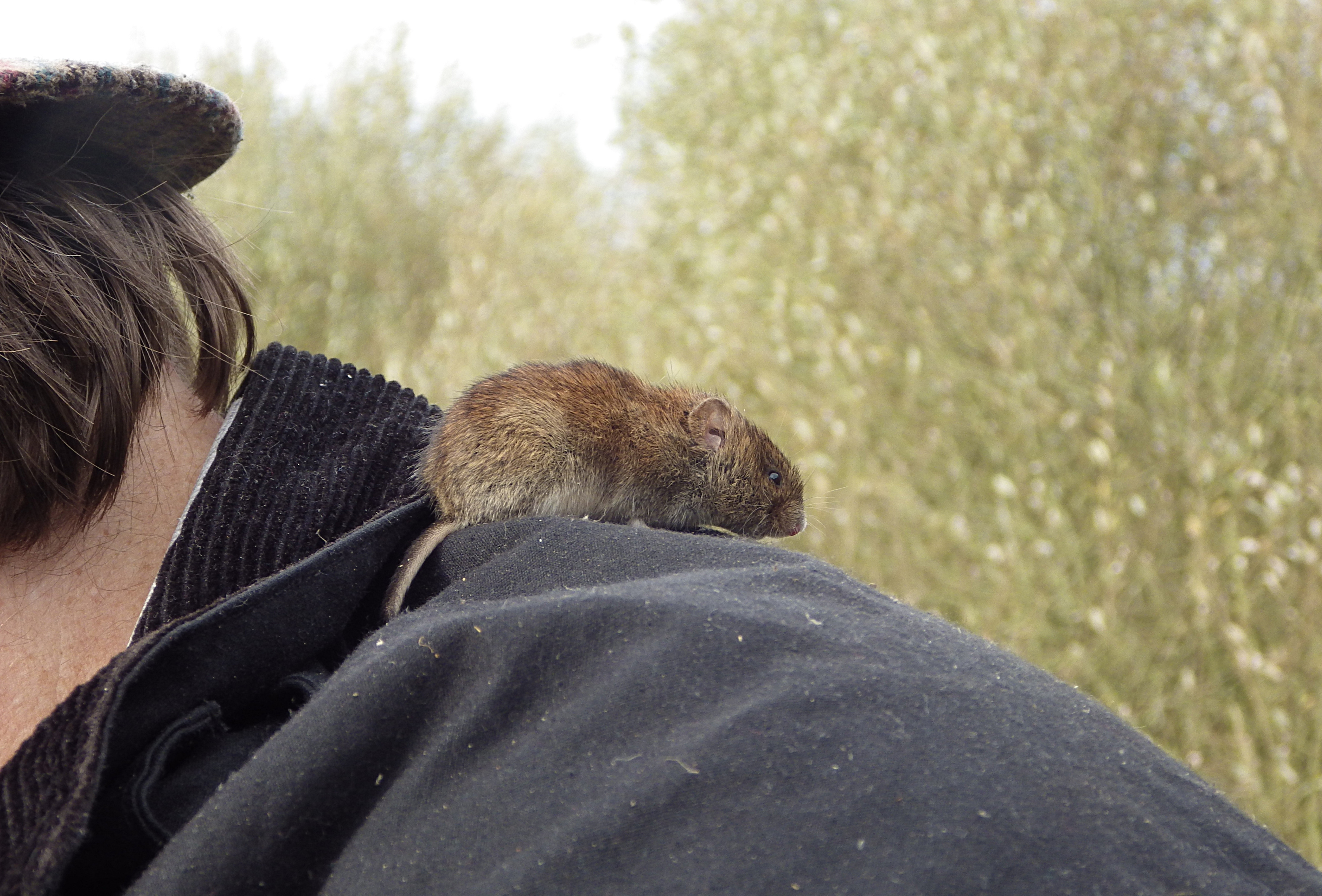
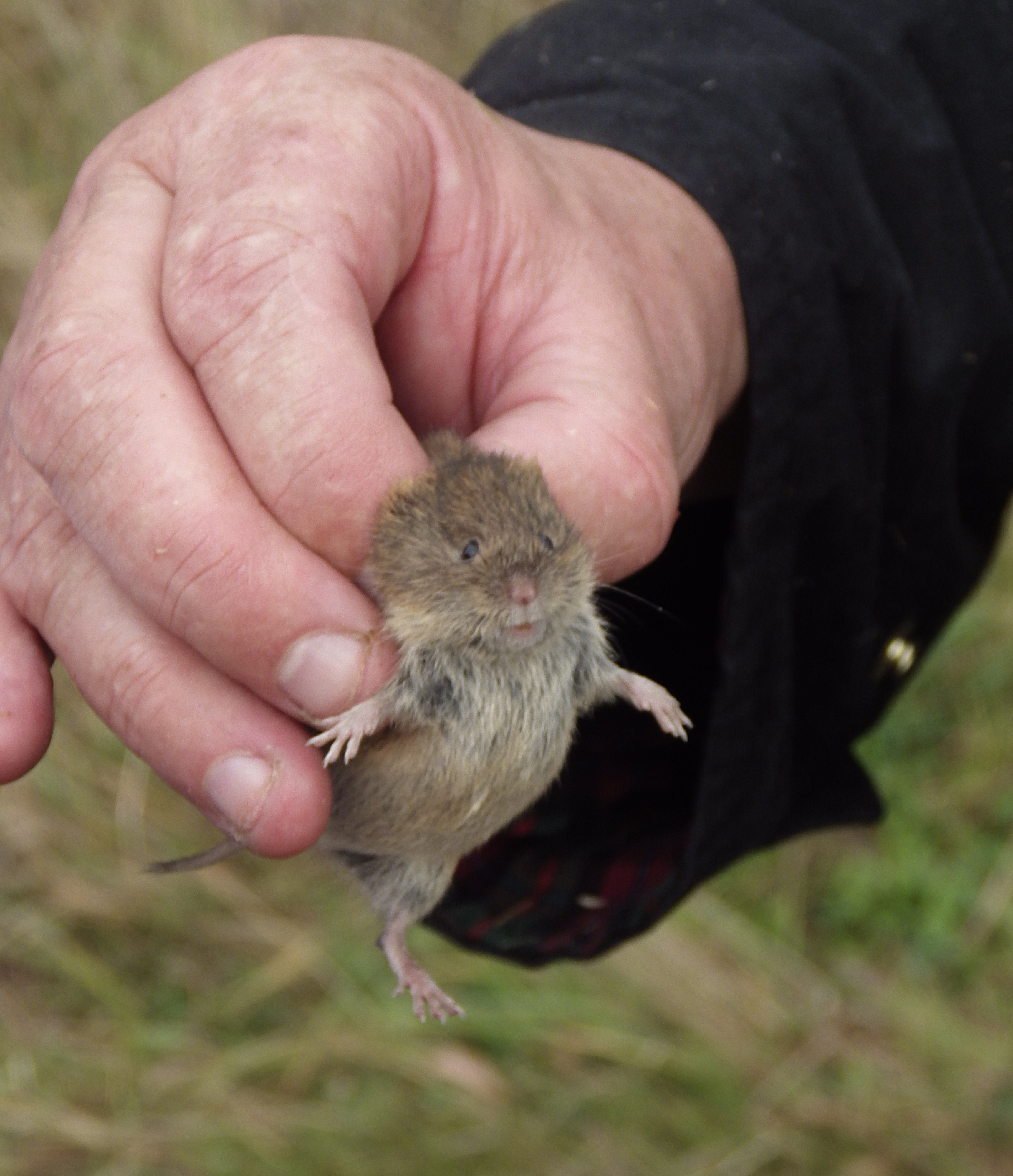
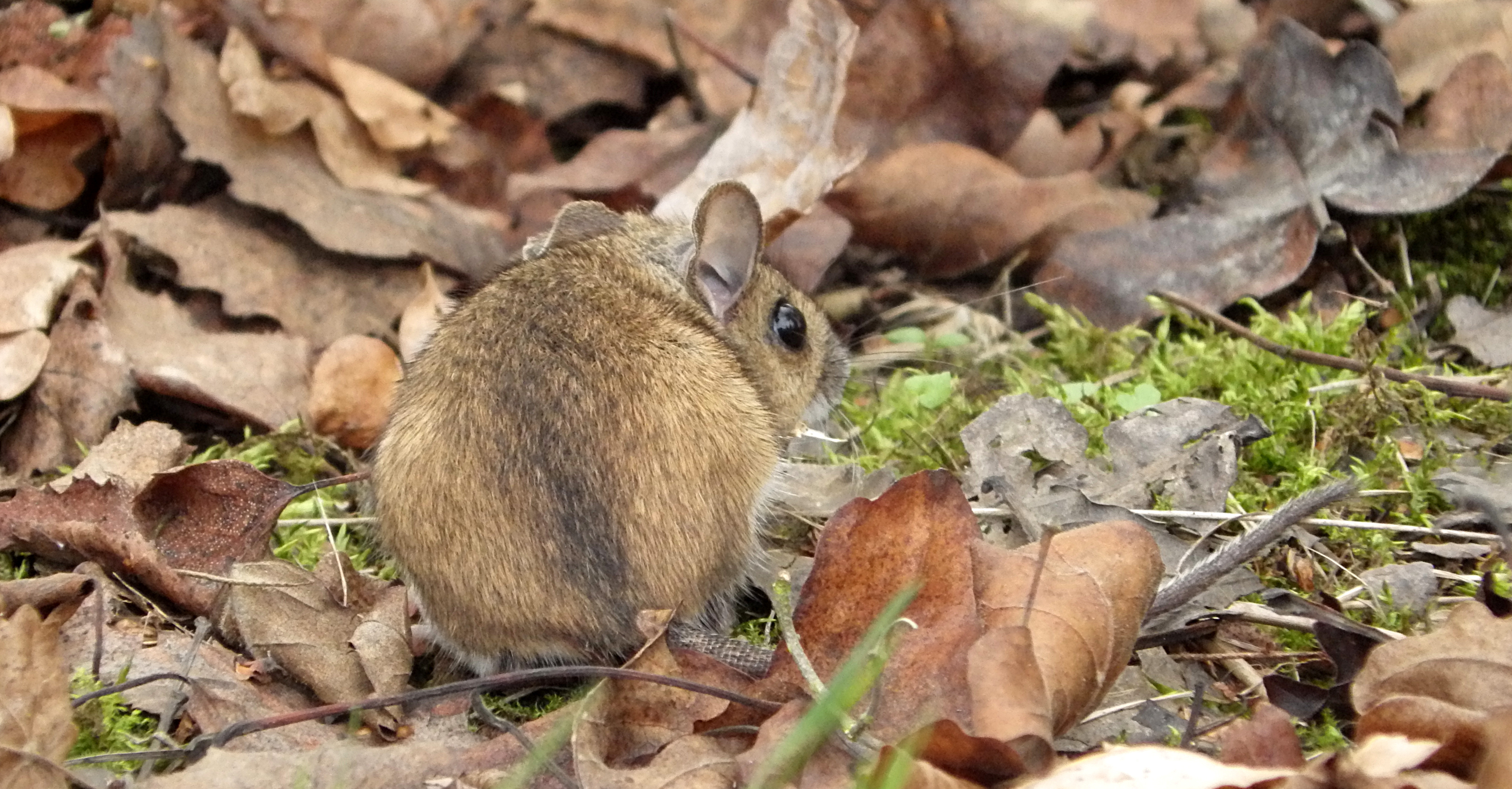
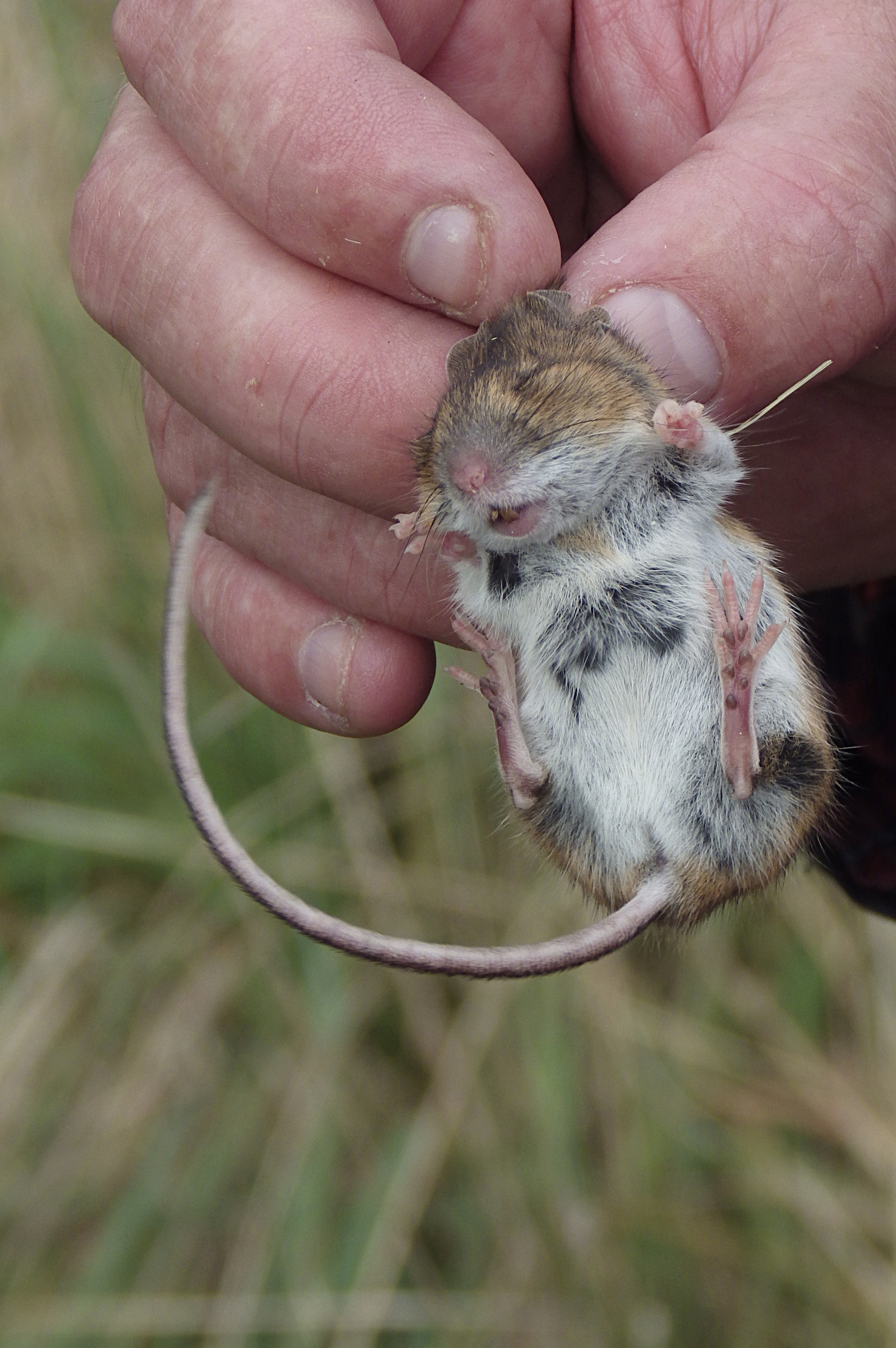
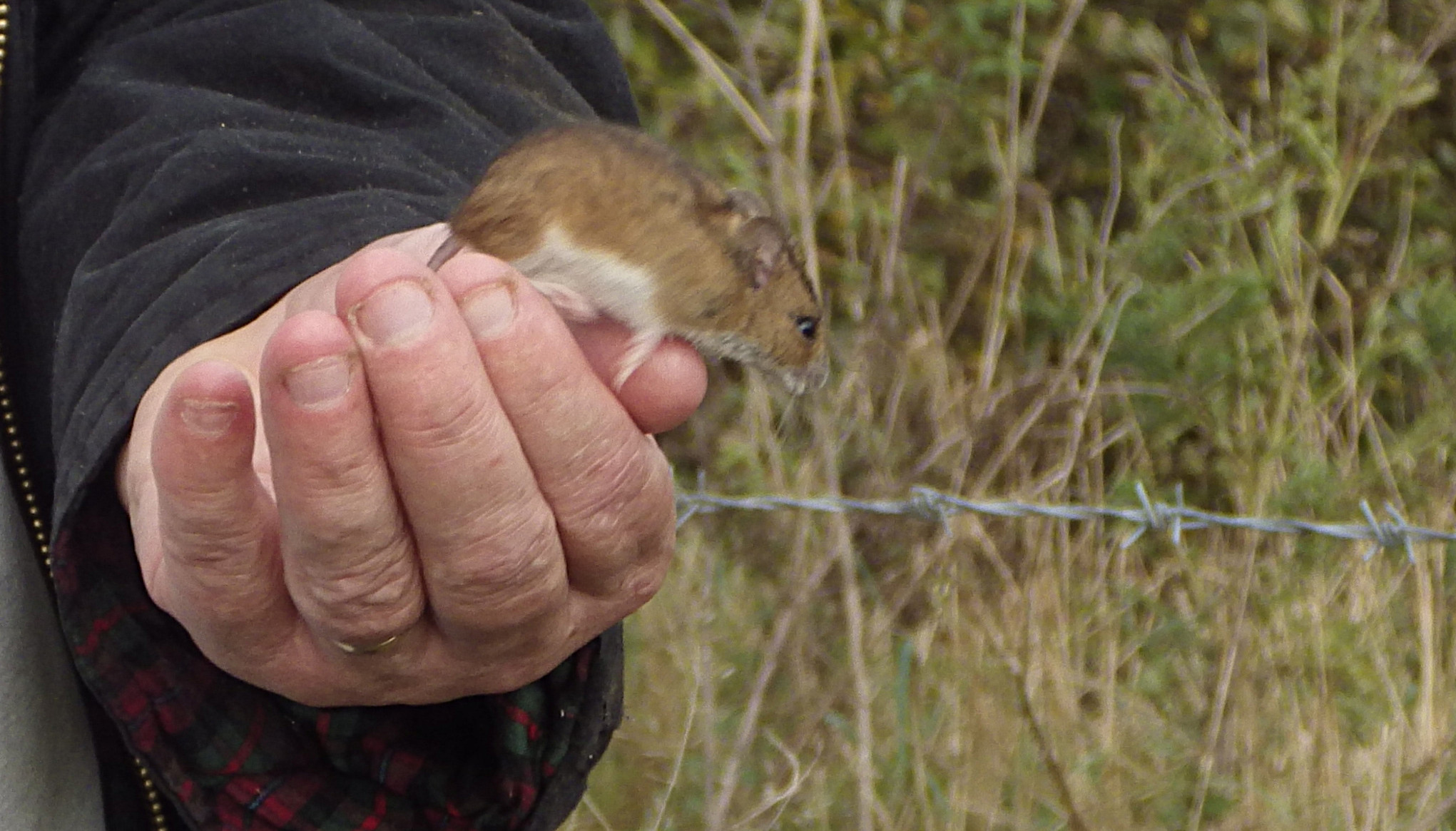
Yesterday the trapping was to show the children a close up of different species but this method is often used to monitor the numbers of various mammals. The traps were set up at roughly ten feet apart beneath an unused grassy area. When we found a trap which was closed we opened it up to see what had been caught. We then examined the mammal, looked to see if it was male or female then let it go. It was brilliant to see the species close up. We managed to catch seven wood mice, a bank vole and a field vole. Here are some photos I took.

Something else I found out yesterday was the mammal tracking phone app. This is to record different mammals in the UK so more can be found out about whereabouts they are and numbers. You can follow this link to download the app for your apple or android phone – http://www.brc.ac.uk/mammal_tracker/

IMGP6995

IMGP7045A wood mice that escaped down a sleeve!

IMGP7029

IMGP7059The children having a real hands on experience with one of the voles that was caught.

IMGP7017

IMGP7041

IMGP7034Another escapee!

IMGP7060

IMGP7030

IMGP7056

IMGP7022

IMGP7002

IMGP7005

Hen Harrier Day 2014.

Today, 10th August, is Hen Harrier Day. It is organised by a coalition of Birders Against Wildlife Crime, former RSPB Conservation Director and leading activist Mark Avery, broadcaster and conservationist Chris Packham, the country’s leading wildlife charity the RSPB, and the North West Raptor Protection Group.

Just a few hundred years ago Hen Harriers were a widespread and common bird of prey. Now, in 2014 only three have bred. In 2013 the last remaining Hen Harriers didn’t manage to raise one chick and who knows what will happen to the chicks of this year.

Hen Harriers have been illegally shot since driven shooting first became popular by Queen Victoria in the 1800’s. Grouse shooting takes place between the 12th of August and the 10th of December each year and moors are managed year-round in preparation for this. Species like red grouse are entirely dependent on heather for food and shelter. Unlike pheasants they can not bred in captivity. Instead gamekeepers are employed to manage the habitat by burning patches of heather to create a mosaic of old strands for nesting and young plants for the birds to eat. They also carry out illegal and legal activity and intense control of generalist predators such as foxes, crows, stoats, weasels and birds of prey like our endangered Hen Harriers.

Last year I was out walking with my Granddad near where I live in Staffordshire in a horrible downpour. All of a sudden a large grey bird flew over our heads, at first I thought it may have been a seagull because of the noise it was making but it was much bigger. When I got home I discovered that it was in fact a male hen harrier. The next day I went back to the place where I had seen it and I returned quite a few times after that too. On a couple of occasions I managed to see the bird again but it was from a distance. However I still felt, and still do now, extremely privileged to have seen the bird as I may not ever see one ever again. Here’s a reason why you should get involved and help our Hen Harriers.

To help and get involved you can follow either one of these links for more information, to sign the petition against driven grouse shooting and much more. http://www.raptorsalive.co.uk/    http://birdersagainst.org/projects/hen-harrier-day/

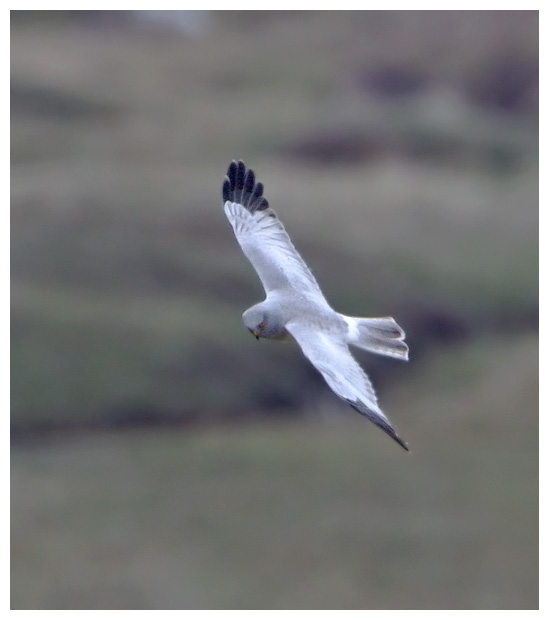
henharrierA male hen harrier – taken by Pete Walkden. You can see more of his bird of prey, including hen harrier, images here – http://www.petewalkden.co.uk/PreyGallery.html