Twenty First Century Badgers

As I’ve been off for the last two weeks I’ve made the most of it and tried to get out as much as I can. Whether it be on my local patch, nature reserves or setting my trail camera up. Unfortunately I have some important exams approaching so I’ve had to make time to revise for them too.

However a few nights ago I returned back to a badgers sett which I hadn’t filmed at since last Autumn. This time last year I managed to film a few of the adults but it wasn’t until the end of the month when the cubs first appeared. When I collected my trail camera on Sunday morning it was pretty much the same, adults but no cubs yet. I set two cameras up, one of my normal ones that I use and a new one which my Dad has been working on recently. It works through something called a Raspberry Pi, not an actual pie but a type of computer. He then added the camera, motion detector and then printed out a case with his 3D printer. It’s very clever and it was great to try it out for the first time. Unfortunately It didn’t go completely to plan but he’s made some adjustments and we’re going to set it up again soon.

Here’s some of the footage I got. It includes badgers and a tree climbing rat. I hope to film the cubs in the upcoming weeks.

http://www.youtube.com/watch?v=u7zDFsoGBtU

http://www.youtube.com/watch?v=xmAsqkAgSSo

http://www.youtube.com/watch?v=Yd69ihh-EIw

http://www.youtube.com/watch?v=-AlhLjNWrKE

http://www.youtube.com/watch?v=bLJK7Waf1Ak

http://www.youtube.com/watch?v=kCHOv9S9d1s

My #VisionforNature

As you’ve probably guessed in just under a month the general election will be held, 7th May. The campaign has already began and parties are rolling out their policies.

Unfortunately, as I’m 16, I can’t vote but that doesn’t mean I don’t have an opinion on the political parties and what I would like to see in their Manifestos. As you can probably guess the thing I am most interested in what they say about is wildlife and the environment.

A few weeks back I became aware of the #VisionforNature campaign that A Focus on Nature have set up which consists of a series of blog posts running up to the general election. Over the month AFON members will share their own Vision for Nature. This includes what they want the natural world to look like by 2050 and how they want to get there. You can get involved by using the hash tag they have created, #VisionforNature and by filling in this survey.

Yesterday, for the 3rd day of their series, I did a blog about my Vision for Nature. It was very difficult to decide what to write about but in the end I decided to write about getting the next generation involved and everyone realising how important nature is. Not just to them who are interested but for every single one of us, all ages.

You can read the blog post I did here – http://www.afocusonnature.org/a-vision-for-nature/inspiring-the-next-generation-by-georgia-locock/#more-6049

I have also sent the blog to all of my local party candidates to help spread the message that young people care about nature’s future. Since that is the aim of the campaign.

Signs of Spring: Part Two

This afternoon I decided to take a well earned break from my revision and go to the RSPB reserve, Middleton Lakes.

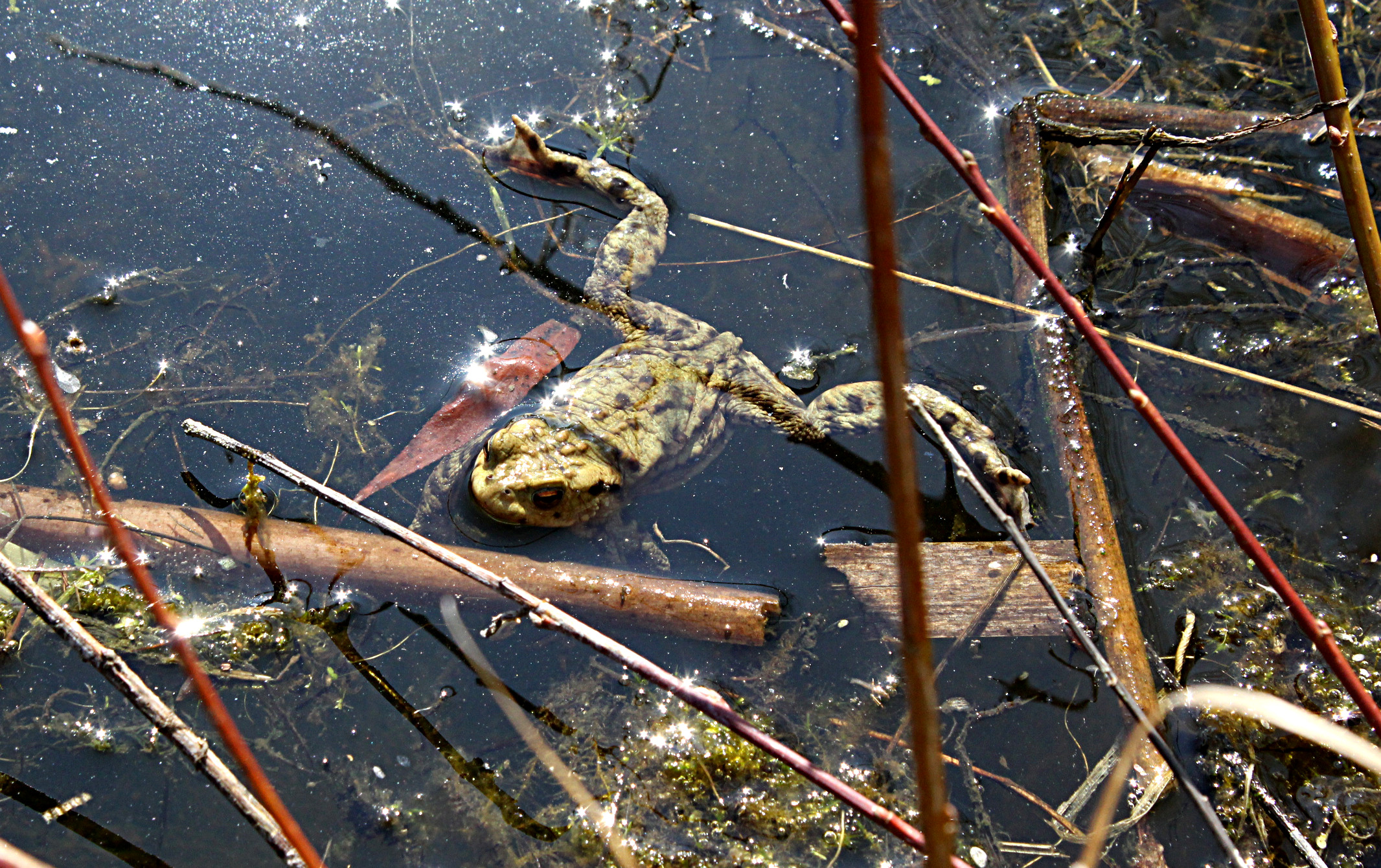
The sun was shining, it was turning out to be a brilliant afternoon and Spring was definitely in the air! At the first pond we came to there was about ten different toads. They were all swimming about and enjoying the sunshine. This was the first time I’ve seen a toad this year and it got better as we then saw a common and a great crested newt!

Common newts, also known as smooth newts, are the most common newt of the three species which we get in the UK. Whereas the Great Crested newt is far more rare and localised. During the breeding season males develop a large, jagged crest, giving the species its name. All of the UK newts are protected but the crested newt is heavily protected as they are categorised as ‘lower risk’. In all three species declines have been observed, the reason for this is most likely to do the loss of many ponds across the UK.

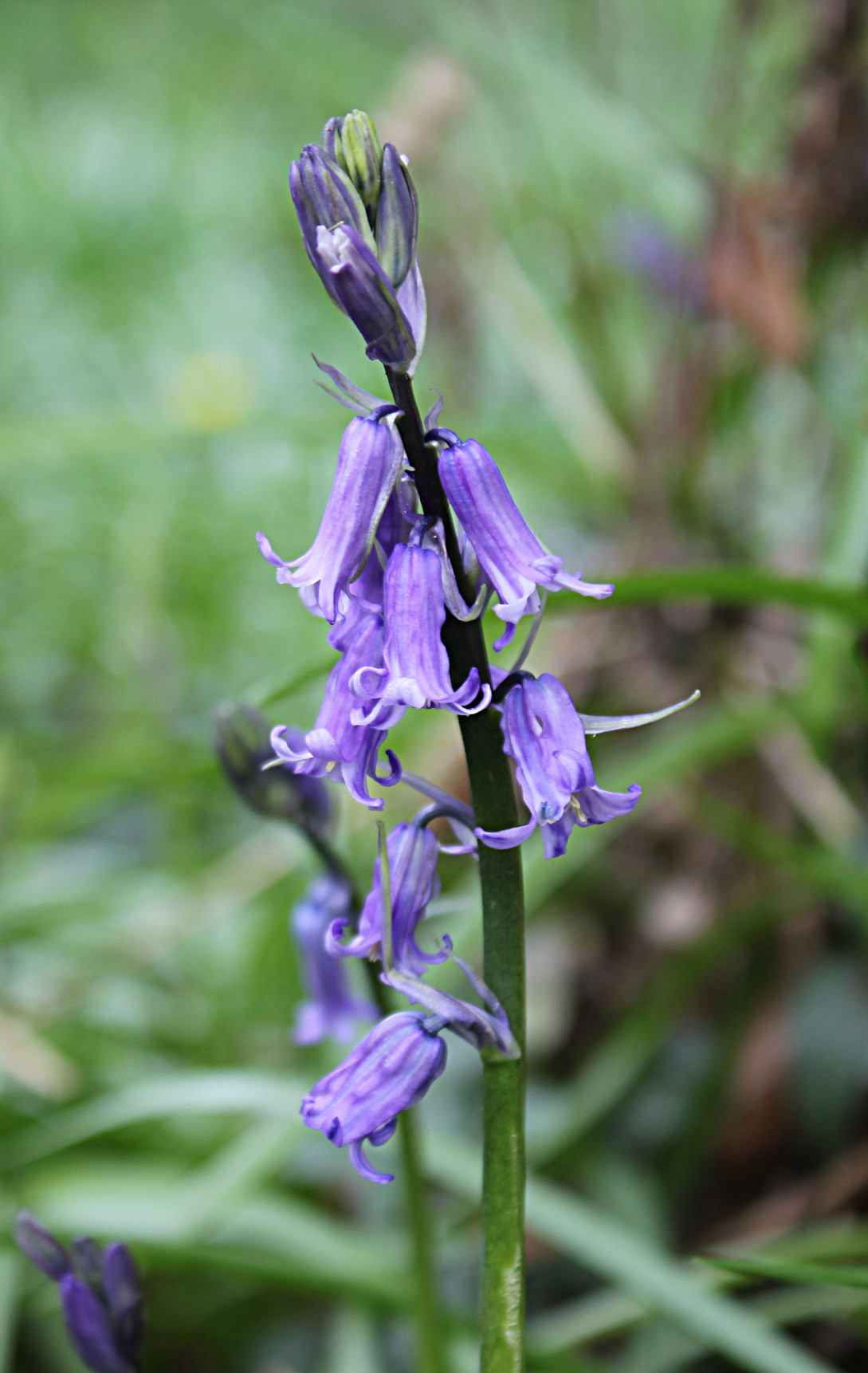
Whilst walking round I also heard some woodpeckers drumming, plenty of butterflies including brimstone and peacock, and I saw some more Spring flowers, including crocuses and my first bluebell of the year!

Here are some photos that I took.

G-Cnewt

bluebell

heronryA Heronry

8583

IMG_5351

IMG_5367

IMG_5384

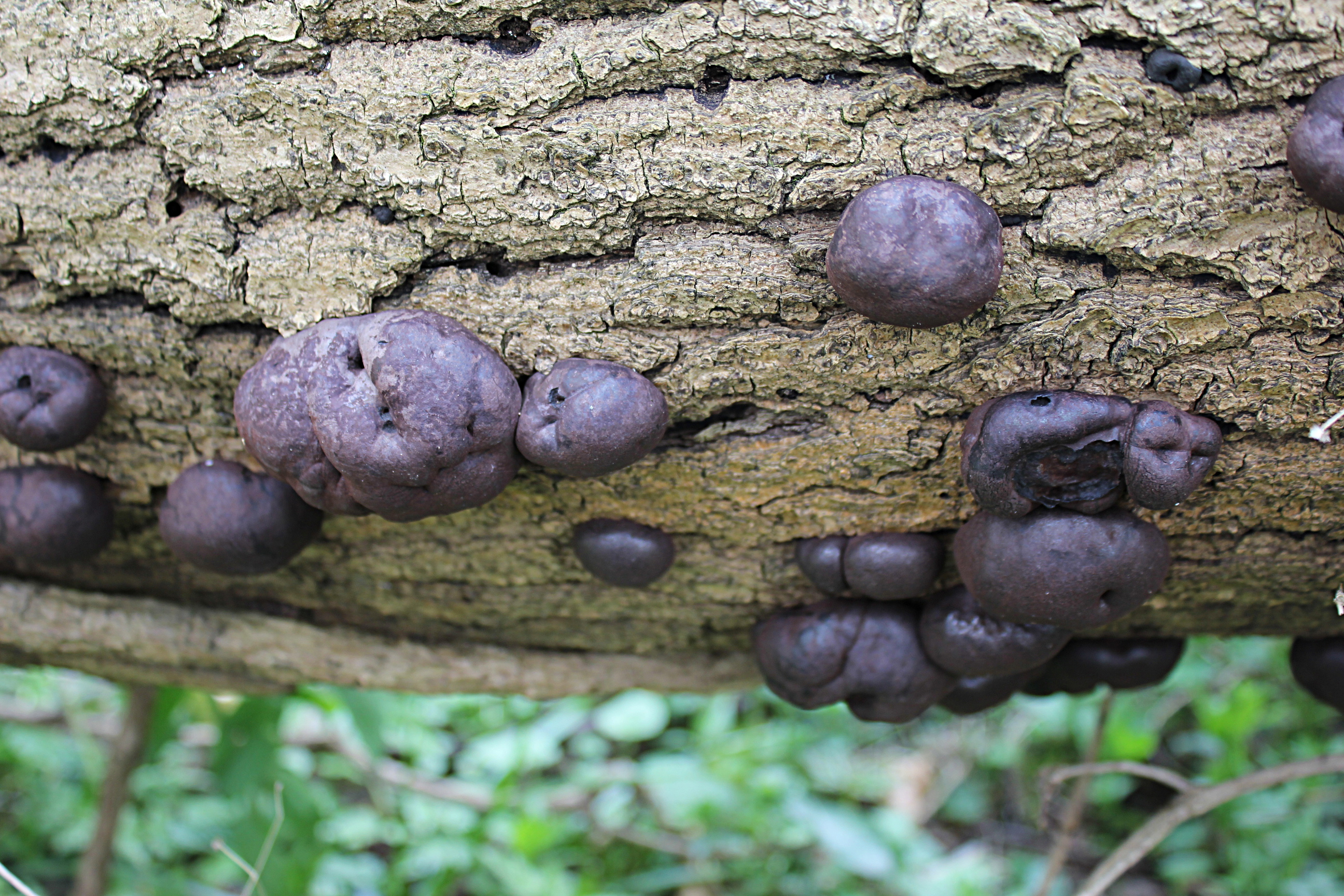
IMG_5390King Alfred’s Cake Fungus – perhaps not a typical sign of Spring!

IMG_5436

toad

Leaping into Spring!

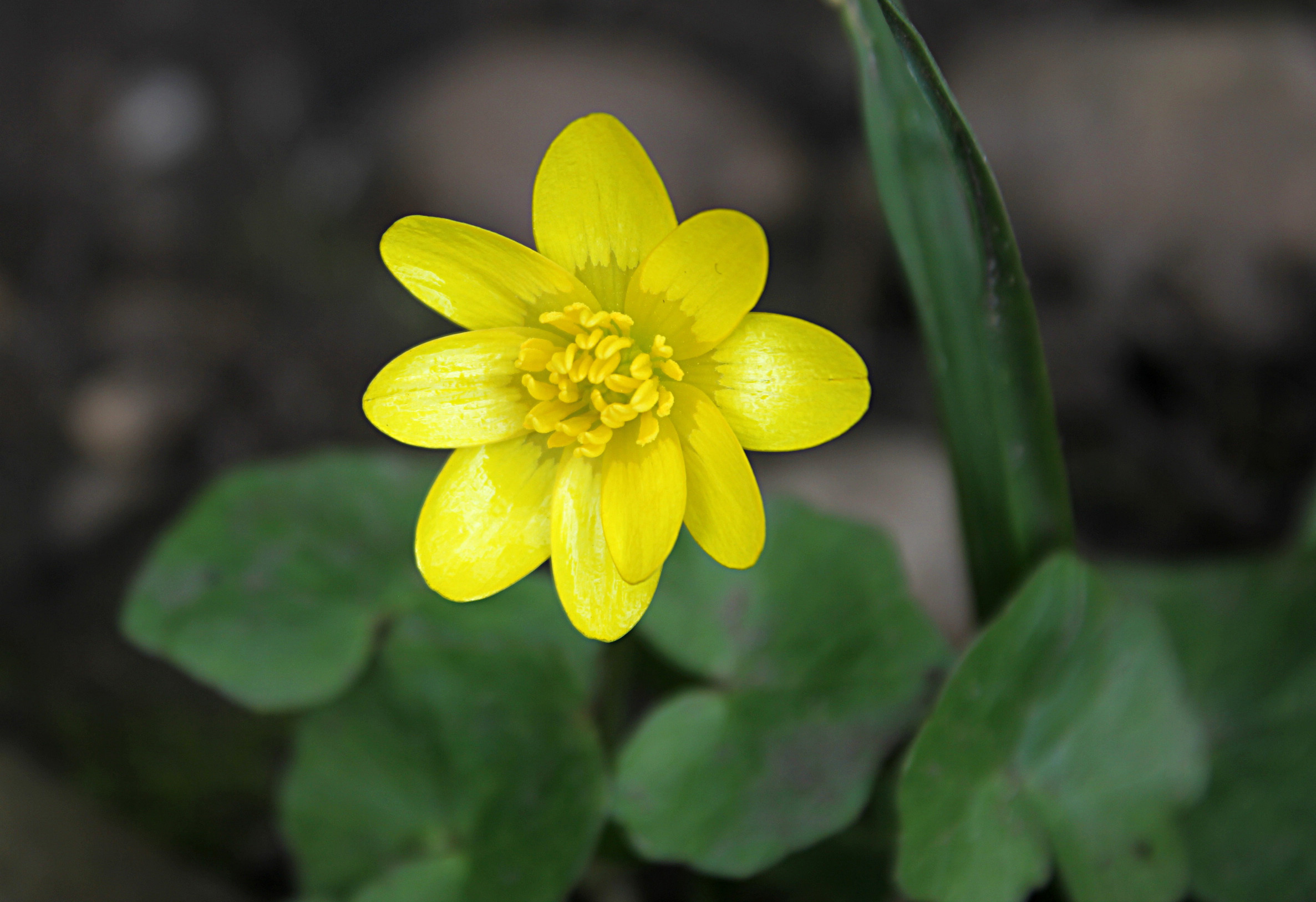
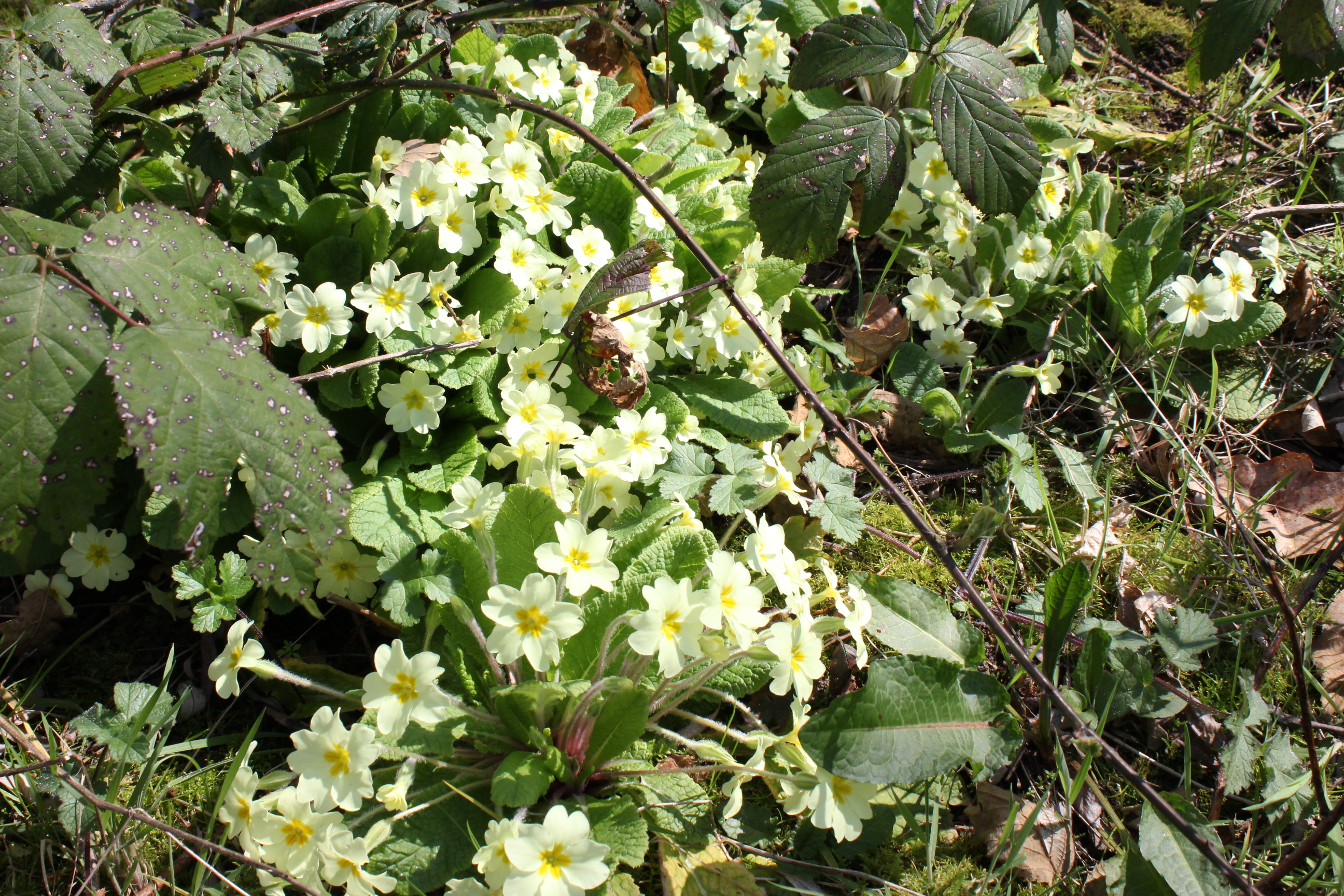
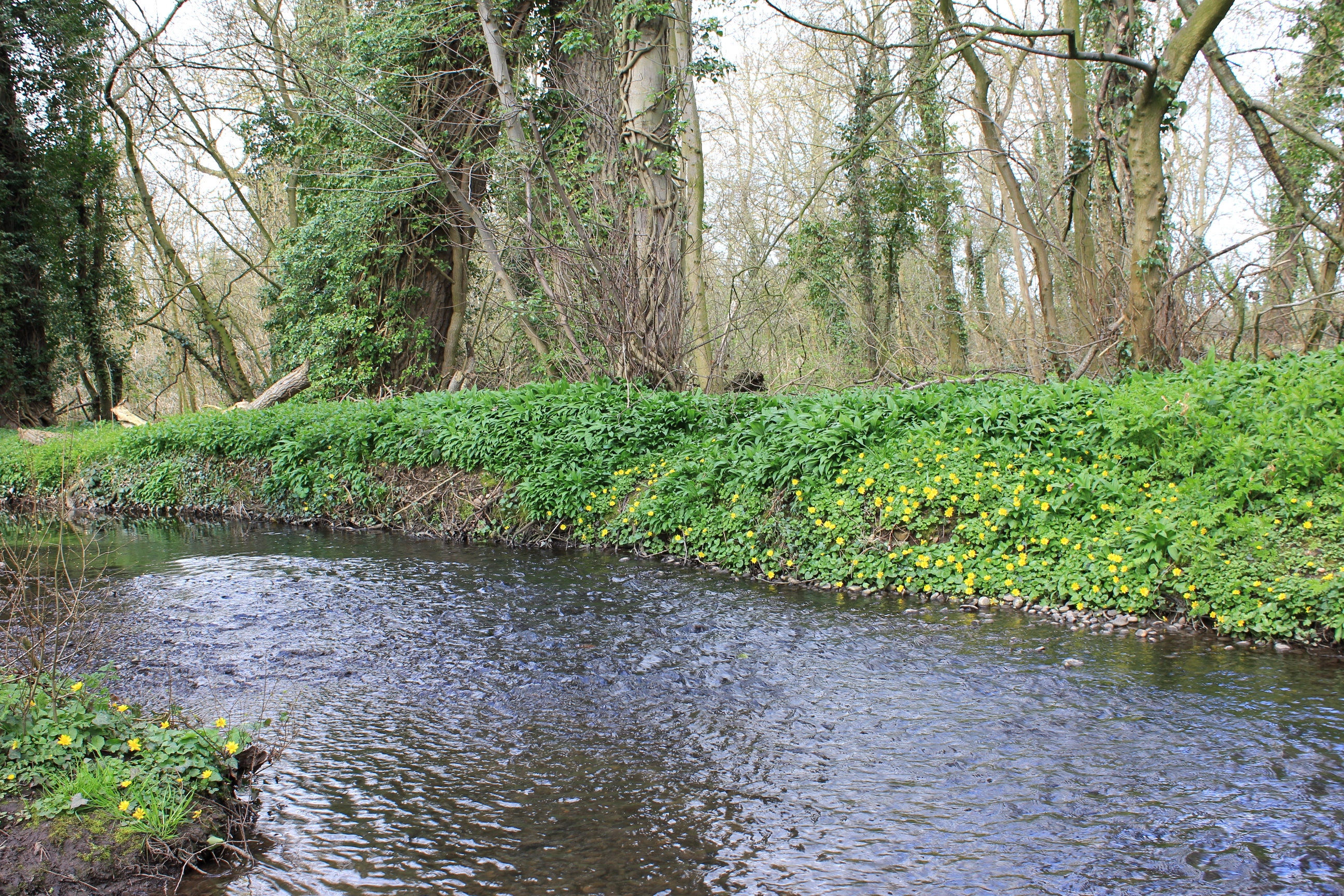
Over the past few days and weeks the weather has been warming up, we’re seeing birds collecting nesting material in the garden, bees and butterflies are emerging, primroses are spurting up everywhere and frog spawn is emerging in our garden ponds. There’s no doubt about it Spring has sprung and it’s very exciting! I went along to one of my favourite local places yesterday, Elford Hall Gardens, and there were plenty signs that Spring has arrived!

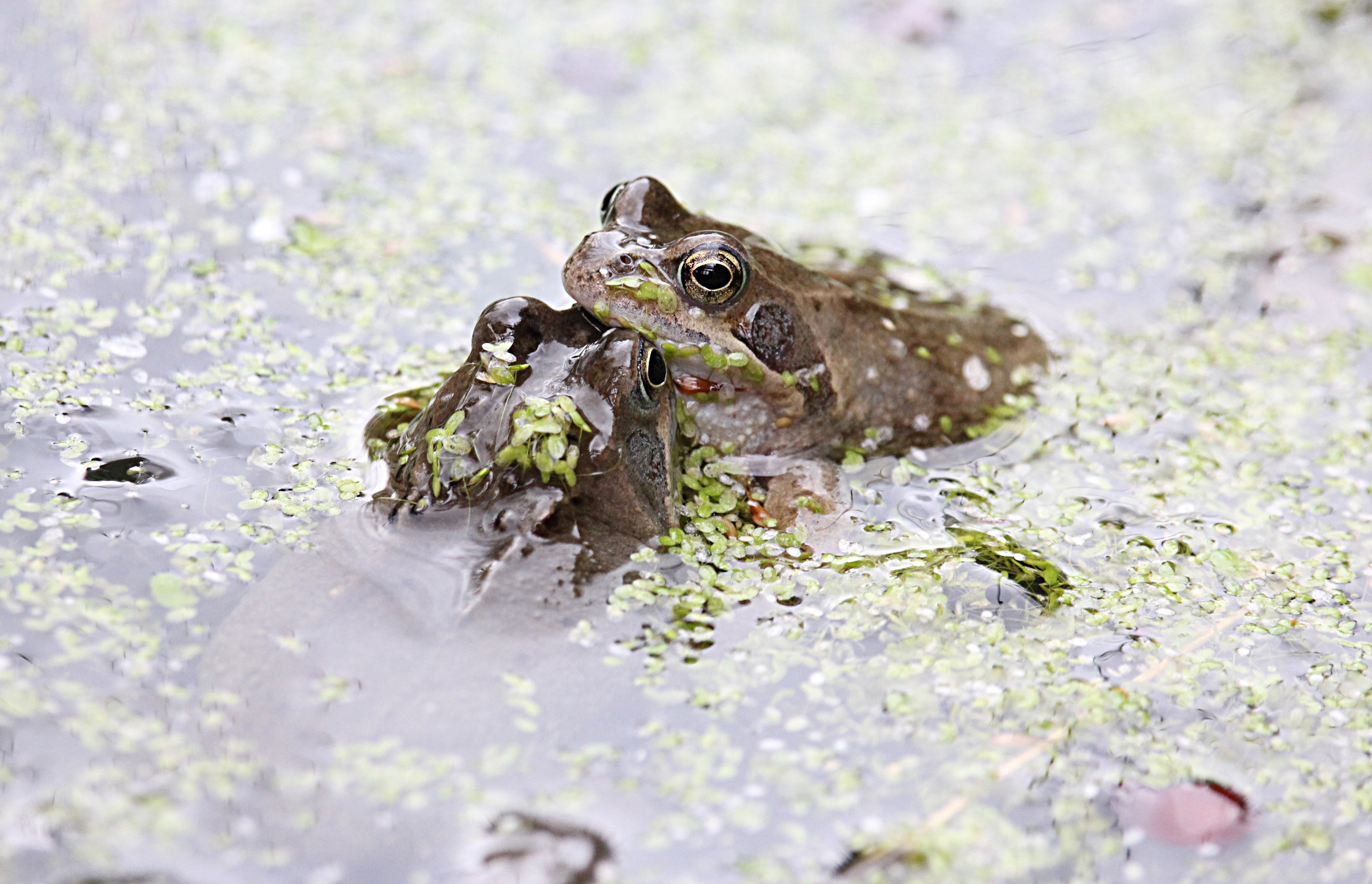
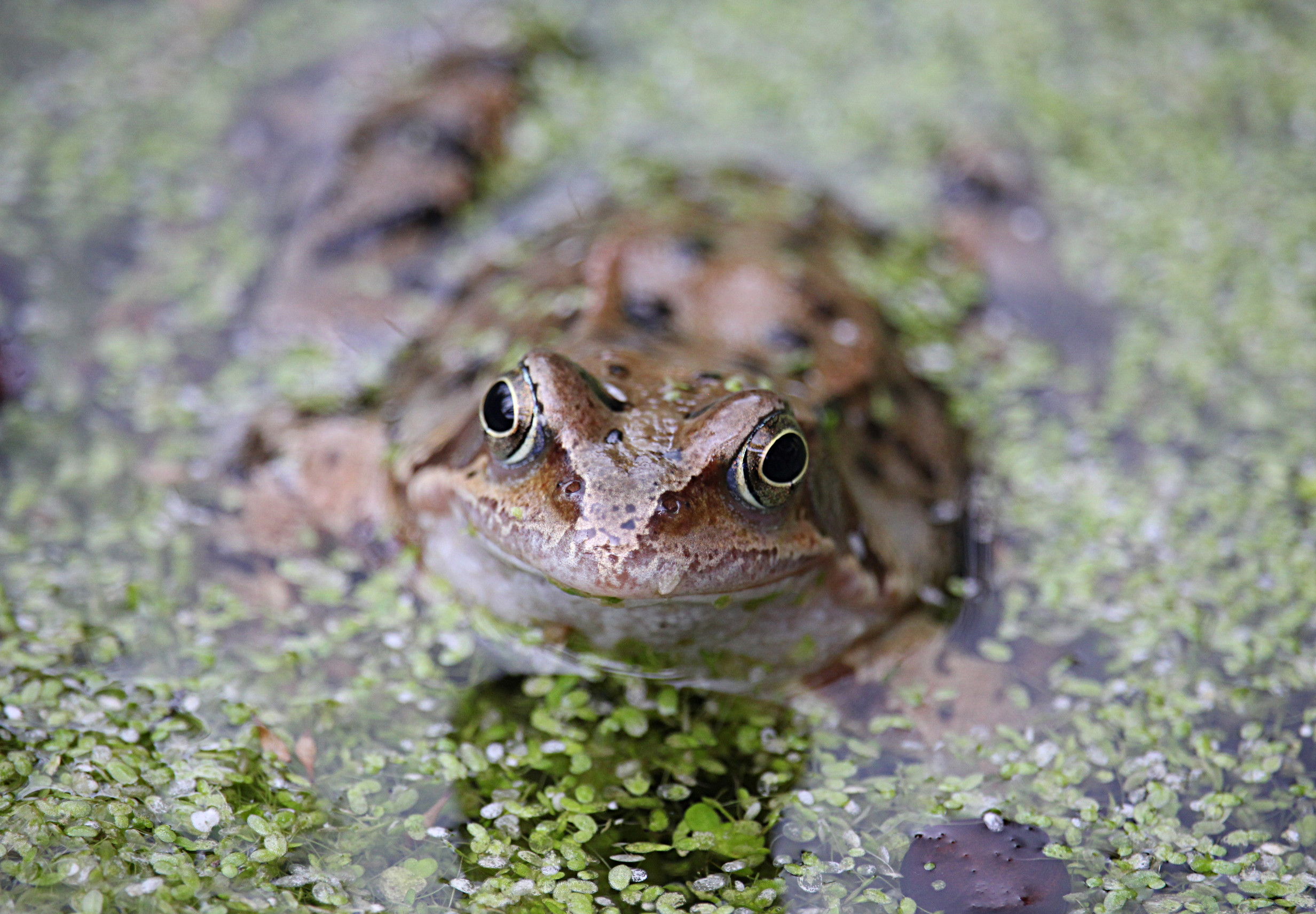
Whilst walking around the walled garden I was having a good look in one of the small ponds and spotted a massive heap of frog spawn and at least 10 frogs surrounding it. The frogs were croaking, swimming around and poking their little heads above the water. Even though frogs are a species that I see throughout Spring, Summer, and sometimes into the colder months, they were great to watch and I managed to get some photos of them too.

Along with this, whilst walking around the gardens, there were lots of Spring flowers including primroses and daffodils. However the best moment of the visit was walking down a path and a swallow was flying right above our heads! This was the first time I’ve seen a swallow this year so it was very exciting and I couldn’t wait to record it as part of the Big Spring Watch.

The Big Spring Watch

For those of you who watched Springwatch at Easter on Friday evening you’ll already know all about this but for those of you who didn’t the Big Spring Watch is where you record when you see five seasonal events. By doing this the Woodland Trust hope to piece together the speed at which five seasonal events are first seen across the country from south to north.

The five season events are:

  • English Oak
  • Hawthorn
  • 7-spot ladybird
  • Orange tip butterfly
  • Swallow

These records will lead to a better understanding of seasonal timings which means the Woodland Trust, along with many others, may be able to help species that appear less able to react to climate change. We know that our precious habitats are under threat and it’s important that we do what we can to protect these habitats and the species within them.

You can read more about the Big Spring Watch here – http://www.bbc.co.uk/blogs/natureuk/entries/ec03f10b-aa7e-46a4-8671-67d8f9069bec

I have already recorded one of the five seasonal events, which was a swallow, so don’t forget to do so yourself when you spot one of the events from the list.

frog11

frog115

IMG_5222

IMG_5314