Leaping into Spring!

Over the past few days and weeks the weather has been warming up, we’re seeing birds collecting nesting material in the garden, bees and butterflies are emerging, primroses are spurting up everywhere and frog spawn is emerging in our garden ponds. There’s no doubt about it Spring has sprung and it’s very exciting! I went along to one of my favourite local places yesterday, Elford Hall Gardens, and there were plenty signs that Spring has arrived!

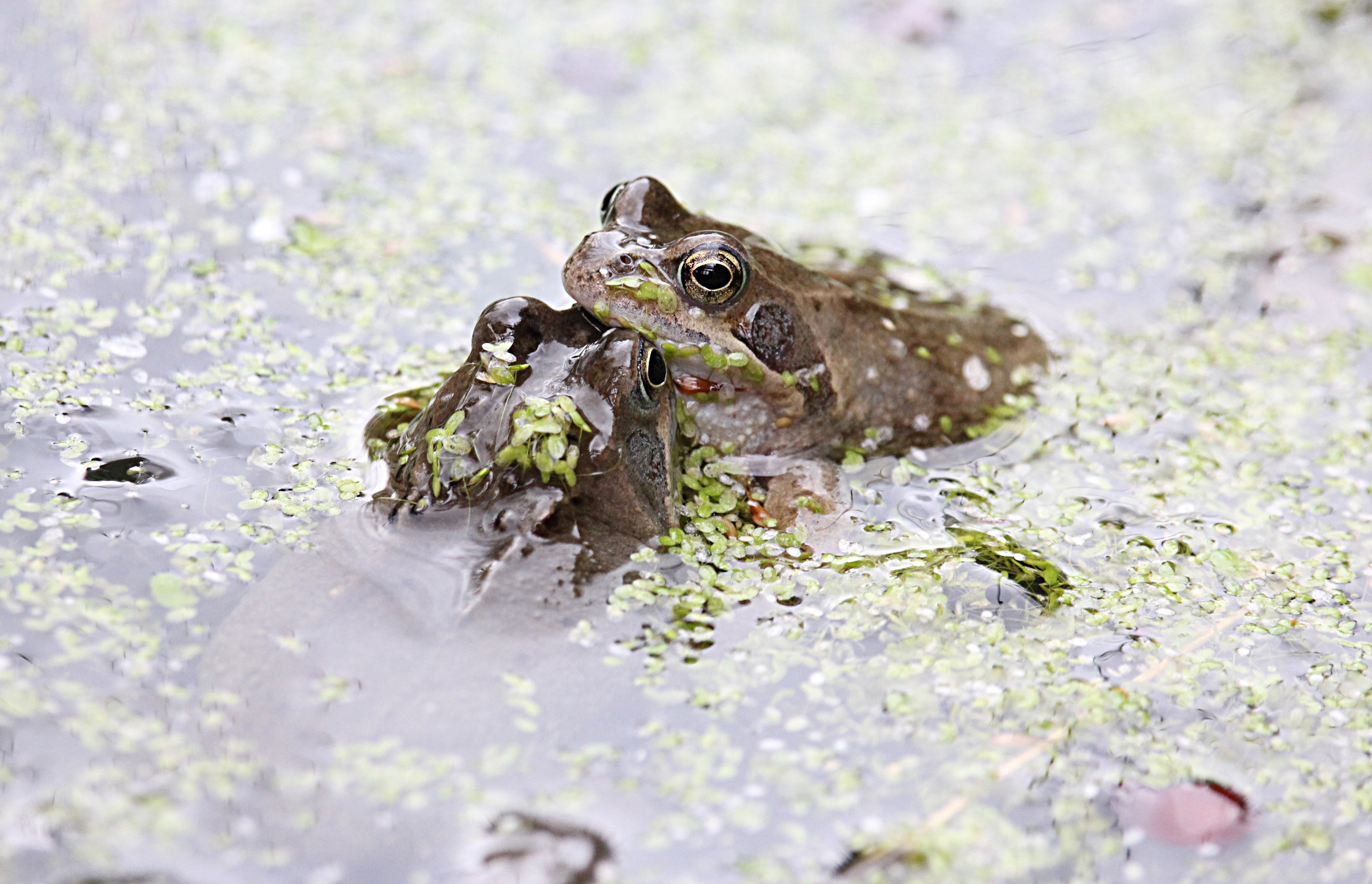
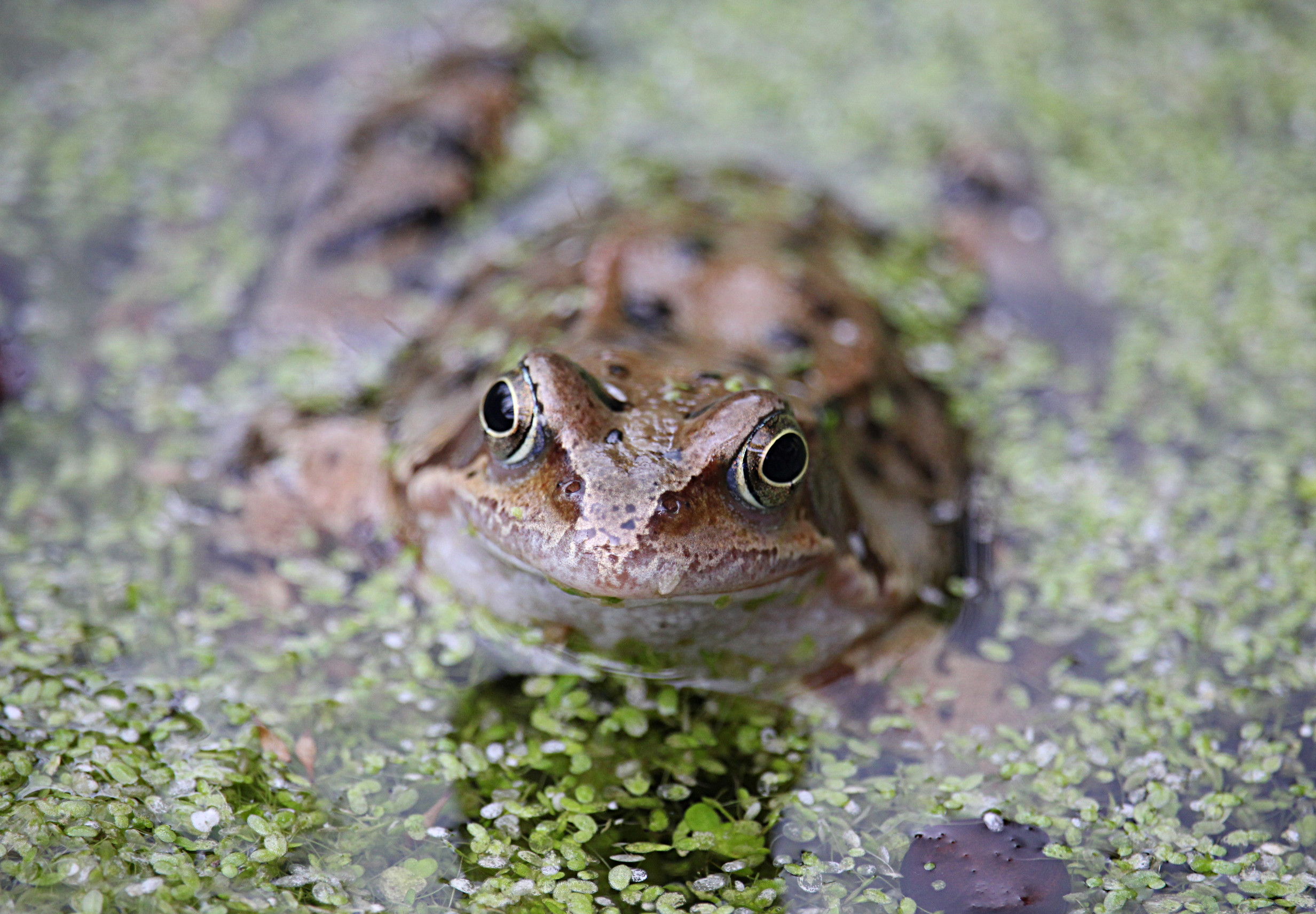
Whilst walking around the walled garden I was having a good look in one of the small ponds and spotted a massive heap of frog spawn and at least 10 frogs surrounding it. The frogs were croaking, swimming around and poking their little heads above the water. Even though frogs are a species that I see throughout Spring, Summer, and sometimes into the colder months, they were great to watch and I managed to get some photos of them too.

Along with this, whilst walking around the gardens, there were lots of Spring flowers including primroses and daffodils. However the best moment of the visit was walking down a path and a swallow was flying right above our heads! This was the first time I’ve seen a swallow this year so it was very exciting and I couldn’t wait to record it as part of the Big Spring Watch.

The Big Spring Watch

For those of you who watched Springwatch at Easter on Friday evening you’ll already know all about this but for those of you who didn’t the Big Spring Watch is where you record when you see five seasonal events. By doing this the Woodland Trust hope to piece together the speed at which five seasonal events are first seen across the country from south to north.

The five season events are:

  • English Oak
  • Hawthorn
  • 7-spot ladybird
  • Orange tip butterfly
  • Swallow

These records will lead to a better understanding of seasonal timings which means the Woodland Trust, along with many others, may be able to help species that appear less able to react to climate change. We know that our precious habitats are under threat and it’s important that we do what we can to protect these habitats and the species within them.

You can read more about the Big Spring Watch here – http://www.bbc.co.uk/blogs/natureuk/entries/ec03f10b-aa7e-46a4-8671-67d8f9069bec

I have already recorded one of the five seasonal events, which was a swallow, so don’t forget to do so yourself when you spot one of the events from the list.

frog11

frog115

IMG_5222

IMG_5314

Flying Start to my Easter Holiday!

If someone was to ask me what my favourite bird is without a doubt I’d say a peregrine falcon. They may not be as beautiful or glamorous as some other birds but their speed, ability and performance is beyond me, plus they’re a raptor.

Occasionally I see one on my evening walks after school, visiting my local patch or nature reserve. As well as this I travel to Derby Cathedral quite often and watch them there. You can watch the peregrines at Derby by clicking here.

Even though watching them at Derby is fantastic, it’s a bit of a trek for me. So when I found out a few months back that last year a pair had nested at my local cathedral I was over the moon! I kept in touch with a man who works at the cathedral and yesterday morning I had a message saying that one of the birds had been spotted there quite a lot recently.

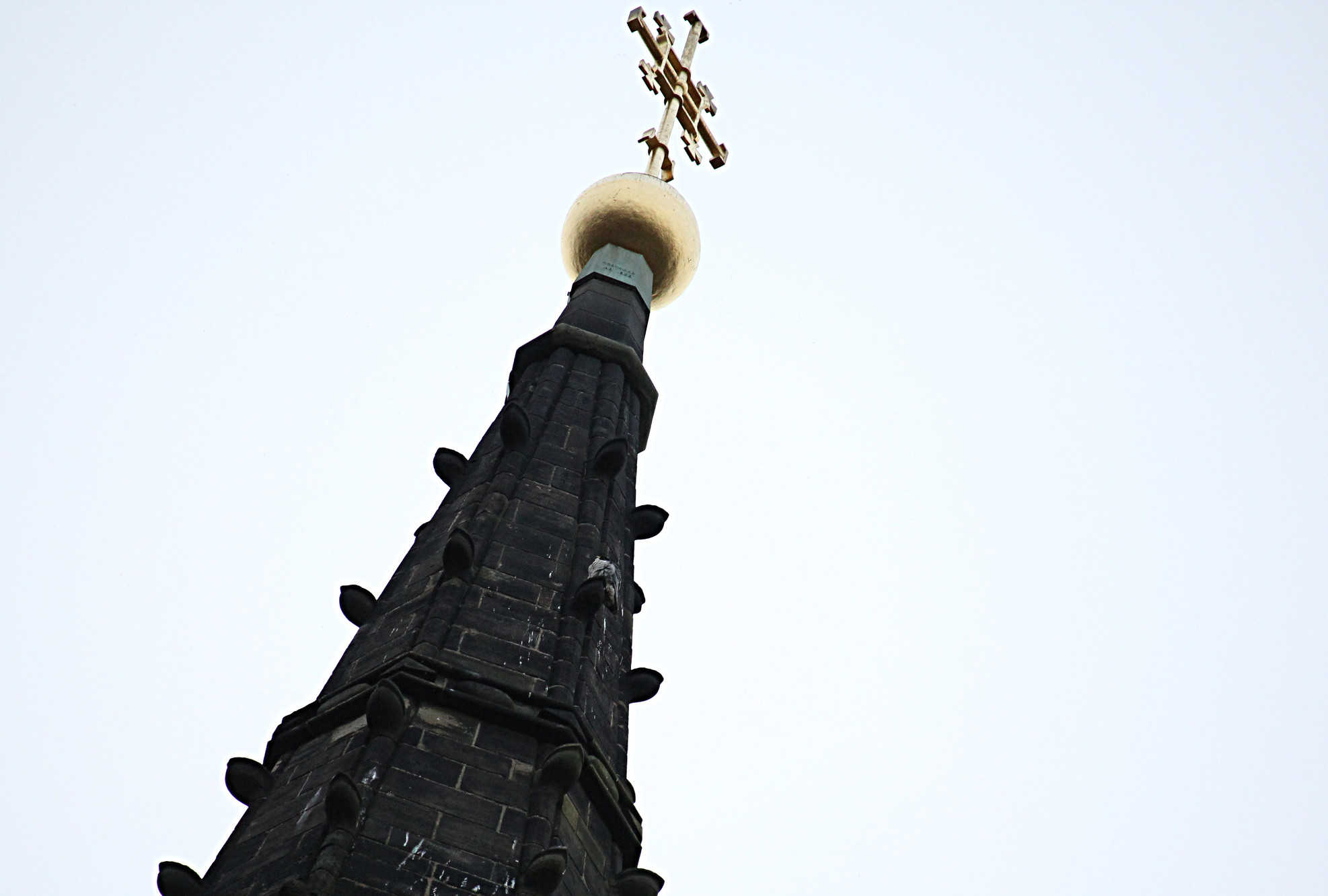
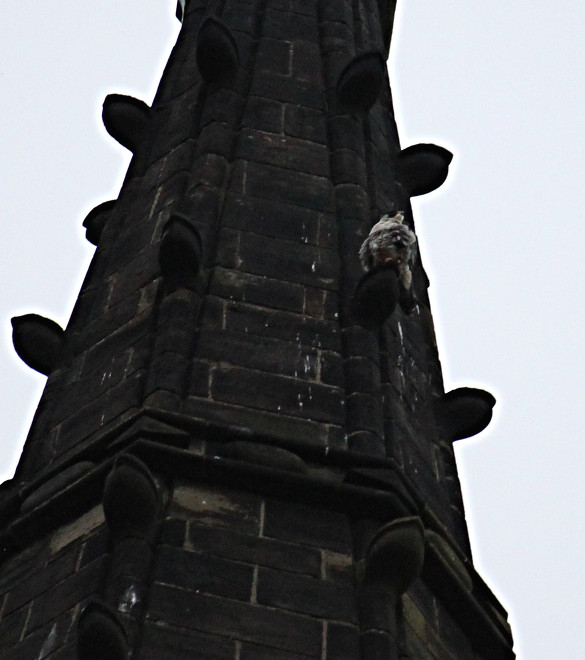
Due to this as soon as I got home from school yesterday evening, I got changed and walked down to the cathedral. It took me about 20 minutes to walk there and as soon as I got there, I raised my binoculars and there it was sitting directly in front of me. I was so thrilled. It was quite high up so I didn’t get the best view or the best photo. However by pot luck the man I’d kept in touch with recognised me whilst I was watching the bird and we had a chat about last years chicks, when the birds around and where it normally sits. This was very interesting and hopefully, in the future, I’ll get some better photos when it isn’t sitting as high up.

I arrived at 6.30 and observed it until about 7.40, when it vanished. Even though looking up almost vertically for over an hour didn’t do my neck or back any good it was worth it! I felt so privileged to see a bird like this so close to my house and I’ll definitely be making the most of it!

Here are some photos I got. They’re not the best but at least I managed to get some!

Untitled

Untitled2

Untitled1

Eco Junk Food

Many of us would have first been introduced to the joys of the wildfowl world by feeding ducks bread at a local park or pond. It’s long been a favourite family pastime that dates back to the 19th century and gives children the chance to connect with nature. However it is now thought that we are doing more harm than good, especially for the Eco-system.

It’s long been known that processed white bread fed to wildfowl on a large scale can cause them to become very ill and, in some cases, deformed. But now we are becoming increasingly warned that the harmless act of feeding bread to ducks is not only damaging the species health but the whole ecosystem. Ecosystems are very important, even if it is in an urban area. By one change within the ecosystem, everything else can be changed and, in some cases, destroyed.

Ducks Health

Many think that they’re doing a lovely thing by feeding the ducks some bread. But they forget that they could be one of twenty people doing the same thing that day. Not only can bread be fattening to ducks and make it harder for them to fly and otherwise escape predators, feeding ducks bread can also lead to other problems. Here are three reasons why the ducks health is affected.

Firstly, Duckling malnutrition. In an area where ducks are regularly fed, ducklings will not receive the proper nutrition for proper growth and development. Also, because ducks will naturally seek out an easy source such as human handouts, ducklings will not learn to forage for natural foods easily. This can lead to them starving to death.

Secondly, overcrowding. When an easy food source is abundant, ducks and other wildfowl will lay more eggs and the pond or lake will become overcrowded. This can lead to a number of problems including birds then find it much more difficult to seek out healthier food sources which increases the likelihood of things like territorial aggression.

Third but not least, Disease. There are several diseases that feeding ducks bread can increase the spread of. First, a carbohydrate-rich diet leads to greater defecation, and bird faeces easily harbour bacteria responsible for numerous diseases, including avian botulism. Another is aspergillosis. By eating mouldy bread it can cause a fatal lung infection that can decimate entire duck and wildfowl flocks. One last disease is something known as Angel Wing. This is deformed wing growth which stops birds from flying. This is more obvious and you often see it with Canadian Geese when feathers on their wings are sticking right out.

Damage to the entire ecosystem

Every year we feed six million loaves of bread to ducks in England and Wales. Obviously not all of this bread is eaten by ducks and therefore it falls to the waters bottom and causes wider havoc. This is when algae and bacteria blooms resulting in poisoning other species as well as attracting unwanted vermin. It can also trigger noxious odours and fuel algae that can eventually eradicate fish, and other underwater species, from the area.

Rotting bread exacerbates naturally occurring surface algae which can give off toxins damaging to fish populations and create a stench for humans. It also denies sunlight to underwater plants, and the bread eaten by birds creates more faeces which has the same effect.

The nutrients can also encourage filmentous algae, which grows upwards from the bottom in chains and threads. The algae can slow down river flows, further deadening the environment.

As the ducks are opting for the easy meal they aren’t eating the natural things that they should, not only does this mean that they’re getting a bad diet but also they’re not keeping the local ecosystem in check.

In areas where there is an abundance of people feeding breed to ducks other wildfowl, species which prefer not to eat bread, can suffer too. Due to the bottom of the pool, river, canal etc is affected by the build up of bread and bacteria this can obviously affect plant growth and fish populations. These plants normally eaten by other species are disturbed and the species that eat them are pushed elsewhere.

It isn’t fair to say that bread is the main problem but it has a massive effect on not only the health of wildfowl but also other species and the ecosystem in these areas.

Attraction of unwanted species

In some areas, especially urban areas, vermin such as rats are unwanted as they can cause further problems. Decomposing bread can attract rats whose urine transmits Weil’s Disease which can be deadly to humans.

The joy of feeding the ducks

As you can see feeding ducks bread has a profound effect on their health and the environment. However I remember going out when I was younger and feeding the ducks, it was always a magical moment and a great way to interact with the natural world. This is something that SHOULDN’T stop. In some towns the council has started fining people if they’re caught feeding the ducks, I don’t agree with this. Instead of this we should make the simple change of not feeding them bread but other food. It seems as though feeding ducks bread has become a fashionable thing and people feel as though they’re doing a good thing but they’re not. Changing the food they offer though can make all the difference. Also it’s vital that children carry on interacting with the natural world from a young age.

Below are a list of foods that are much better to offer to wildfowl then bread:

  • Bird seed
  • Oats
  • Mealworms
  • Chopped vegetable trimmings or peels
  • Defrosted frozen peas.

 Arguments against

Obviously this is a controversial subject as it affects a lot of different people and since I had an article published in my local paper this week about it I’ve had a lot of comments. Some include:

But I’ve been feeding the ducks all my life – Yes, feeding the ducks is a tradition that has been going since the 19th century. But all because we’ve been doing it for this long doesn’t mean that we were right and can’t stop. Perhaps if we were to stop feeding bread to ducks it would make them healthier, improve water quality, and,especially in urban areas,make areas more wildlife rich which young children would be able to enjoy even more, along with still being able to feed the ducks. But as I stated before, there is more to do than stop feeding ducks bread.

Other food isn’t as fun – Well you may think this but the main reason behind this is that it’s something that has gone on for a long time. Food like chopped up carrots, frozen peas and bird seed are just as convenient to buy as bread and I’m sure the ducks will be just as happy, if not more so!

I’ve got better things to worry about within the natural world then feeding ducks bread – You may think this but all of us can help change the environment by doing little things. Like feeding the wildfowl different foods.

You can read the online article that I had in my local newspaper here – http://www.lichfieldmercury.co.uk/Feeding-ducks-poisoning-ecosystem-warns-blogger/story-26231272-detail/story.html
United Against Wildlife Crime

The wildlife you see whilst out and about is without a doubt our real national treasure. These species were here a long time before us or any of our man-made national treasure and this is an important reason why we need to preserve them and stop them suffering due to wildlife crime.

This was illustrated with the first talk of the day by Broadcaster and Naturalist, Chris Packham. He destroyed a copy of a George Constable painting by attacking it with spray paint and tearing it apart. A painting by the artist George Constable is considered a national treasure and if someone was to destroy the original painting they’d be considered to have destroyed a national treasure. Due to this there would be all sorts of havoc. It would most definitely be top headlines on the news, in newspapers, online and the offender would get into serious trouble. But what about those people who go out and destroy the British countryside by killing species within it, surely they should be getting the same punishment however this isn’t the case.

image1


Yesterday I attended the Birders Against Wildlife Crime ‘Eyes in the Field’ conference in Buxton, Derbyshire. I arrived at about 8.20 and straight away I was able to engage with like minded people. This theme carried on throughout the day as I spoke to plenty of fantastic people and listened to a variety of inspirational and interesting talks. To pick a favourite talk would be impossible as they were all very good and including a range of important topics, from policing and the public engagement to investigations and politics.

After the talk by Chris Packham it was then onto the next one from CEO Badger Trust and Policy Advisor Care for the Wild, Dominic Dyer. He spoke about the badger cull and his recent meeting with the Environmental Secretary, Liz Truss which was very interesting and you can read more about it by clicking here. I found his talk very interesting as I feel very passionate about badgers and I am strongly against the suffering they put up with including the cull. I’m really looking forward to helping out with badger vaccinating soon. Next it was a talk about bats, how they suffer from wildlife crime and the laws to do with them. This talk was given by Malcom Hopton from Derbyshire Bat Conservation. Again I found this talk very enjoyable, as in the past I have done conservation work for bats which included going out with the East Staffordshire Bat Group and monitoring the bats at one of my local patches, Cannock Chase.

After the morning coffee break the day resumed with talks from two different investigation officers. One was Bob Elliot who is Head of Investigations for the RSPB and the other was Paul Tillsley who is Head of Investigations for the League Against Cruel Sports. These two talks were a real eye opener about wildlife crime as they made me realise how serious it is and how some people can be so evil against our national treasures. They both spoke about different case studies along with methods wildlife criminals use and how both organisations help to stop and solve wildlife crimes. They also gave an important message about how we all must remember to report wildlife crimes as if it wasn’t for people like you and me reporting them then they wouldn’t be able to stop the criminals committing their crimes.

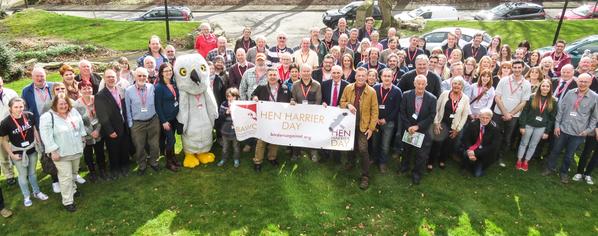
It was then time for lunch and during the lunch break all the people who had attended, including the speakers all made their way to the front of the hotel to have a photo with the new Birders Against Wildlife Crime Hen Harrier Day banner. The Hen Harrier is a bird that has suffered incredibly from wildlife crime and due to this they have been pushed to near extinction in England. There are a number of different things that you can do to help our hen harriers, one of them is by voting for it for the National Bird and you can do so by clicking here.

CAoHfHbWsAAIGfv

Here’s the photo and there you can see Henry the Hen Harrier!

After lunch, the afternoon started off with three different talks about wildlife crime and the police. As you can imagine this was a very important and interesting start to the afternoon. Obviously without the police we wouldn’t be able to punish the criminals who commit crimes against wildlife. The first talk was by Craig Fellows and he spoke about police wildlife crime training which was very interesting and similar to the local meetings that I attend about wildlife crime and strategies they undertake in my area to deal with wildlife crime. The next talk went against this slightly as Ruth Tingay spoke about the failure of wildlife crime enforcement in Scotland. The final talk of this part was by Alan Charles who was the Derbyshire Police and Crime Commissioner. Like the others, his talk was very interesting and he spoke about how his force is dealing with wildlife crime.

It was then onto the last group of talks for the day which were about politics and public engagement. It consisted of two talks, one from Chris Williamson who is the North Derbyshire Labour MP and the other from conservationist Mark Avery. These talks were both very engaging and between them they spoke about a range of subjects from the Badger Cull to Hen Harrier Day 2015. Chris Williamson was another passionate speaker who shared some great stories about his times out with the hunt saboteurs. So was Mark Avery who spoke about Hen Harrier Day 2015, which I’m very much looking forward to!

As you can see Saturday was a very inspirational day for me, it was also very important. As I stated at the start we need to preserve and stop our real national treasures from being destroyed. With help from enough people like those who I met on Saturday we can do that. After the conference I realised how those wildlife criminals, pro-hunting politicians etc have no chance and we will win.