Mammals go exploring!

Once a month I go to a local Wildlife Watch meeting at the National Memorial Arboretum. As I’m quite a bit older then the other kids I act more as a leader within the group. Yesterdays session was about all about various mammals which are present at the Arboretum. A local mammal expert, Derek Crawley, set 39 traps out the night before then we went to collect them during the session and to see what mammals had been trapped over night.

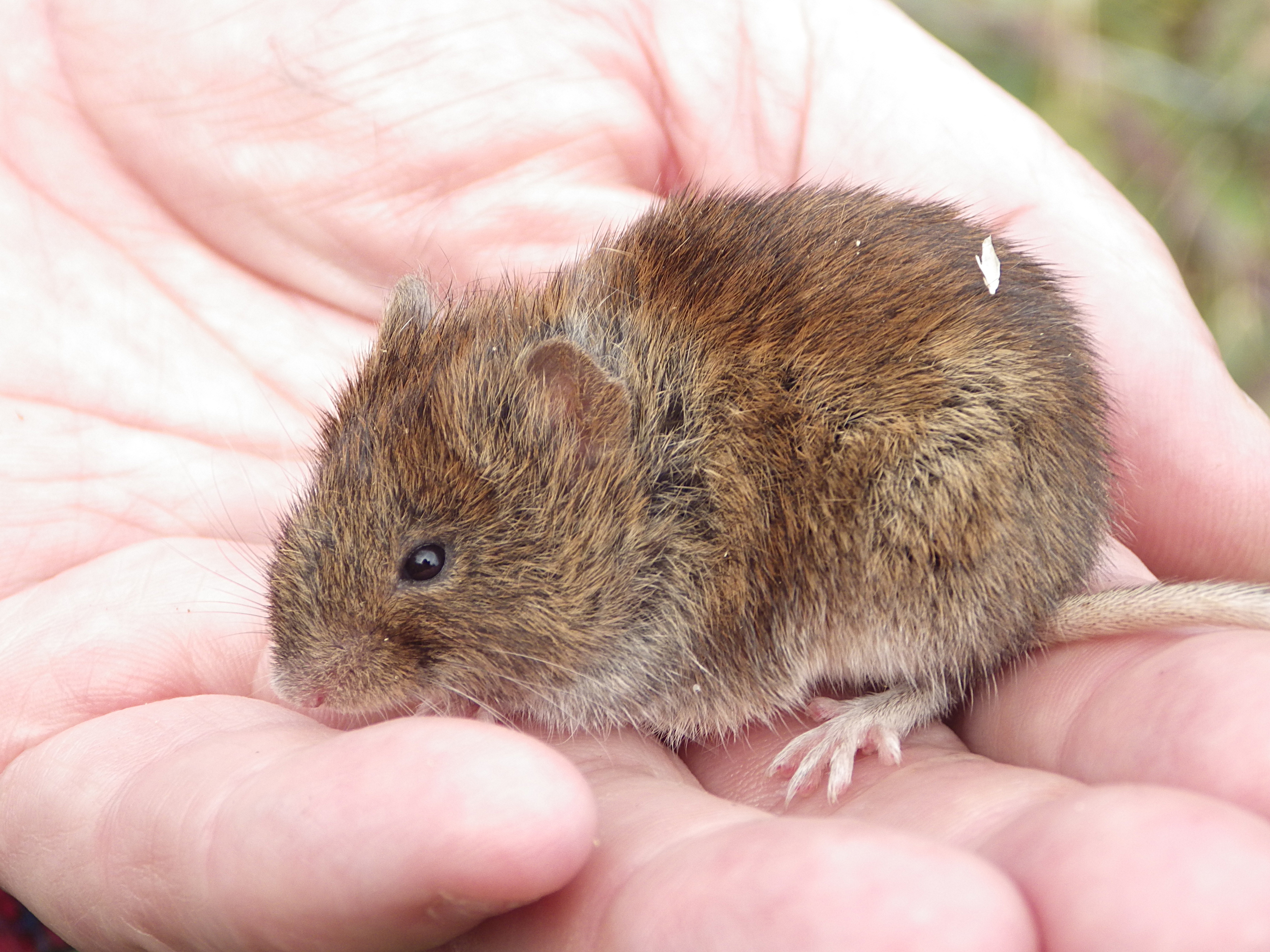
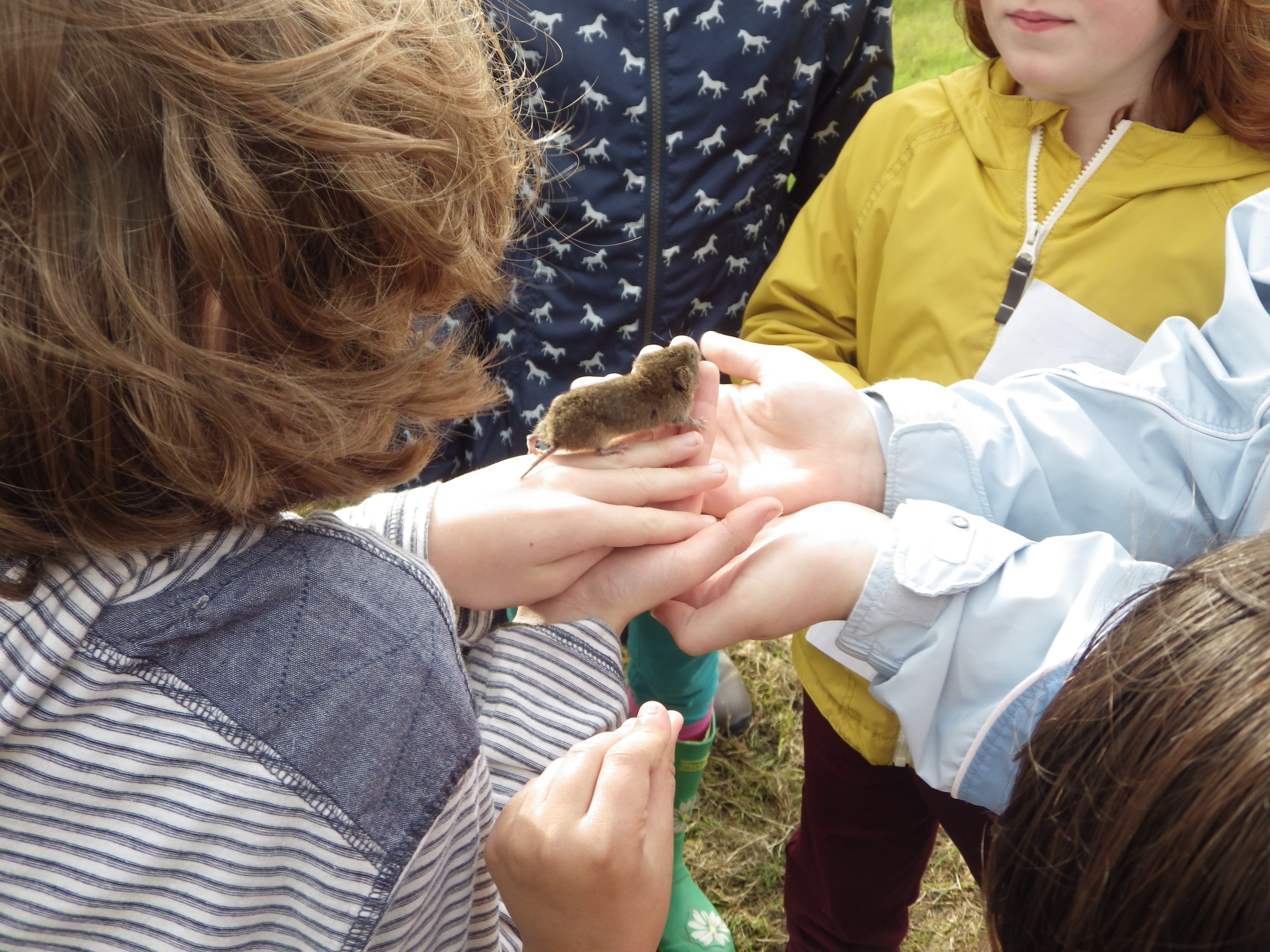
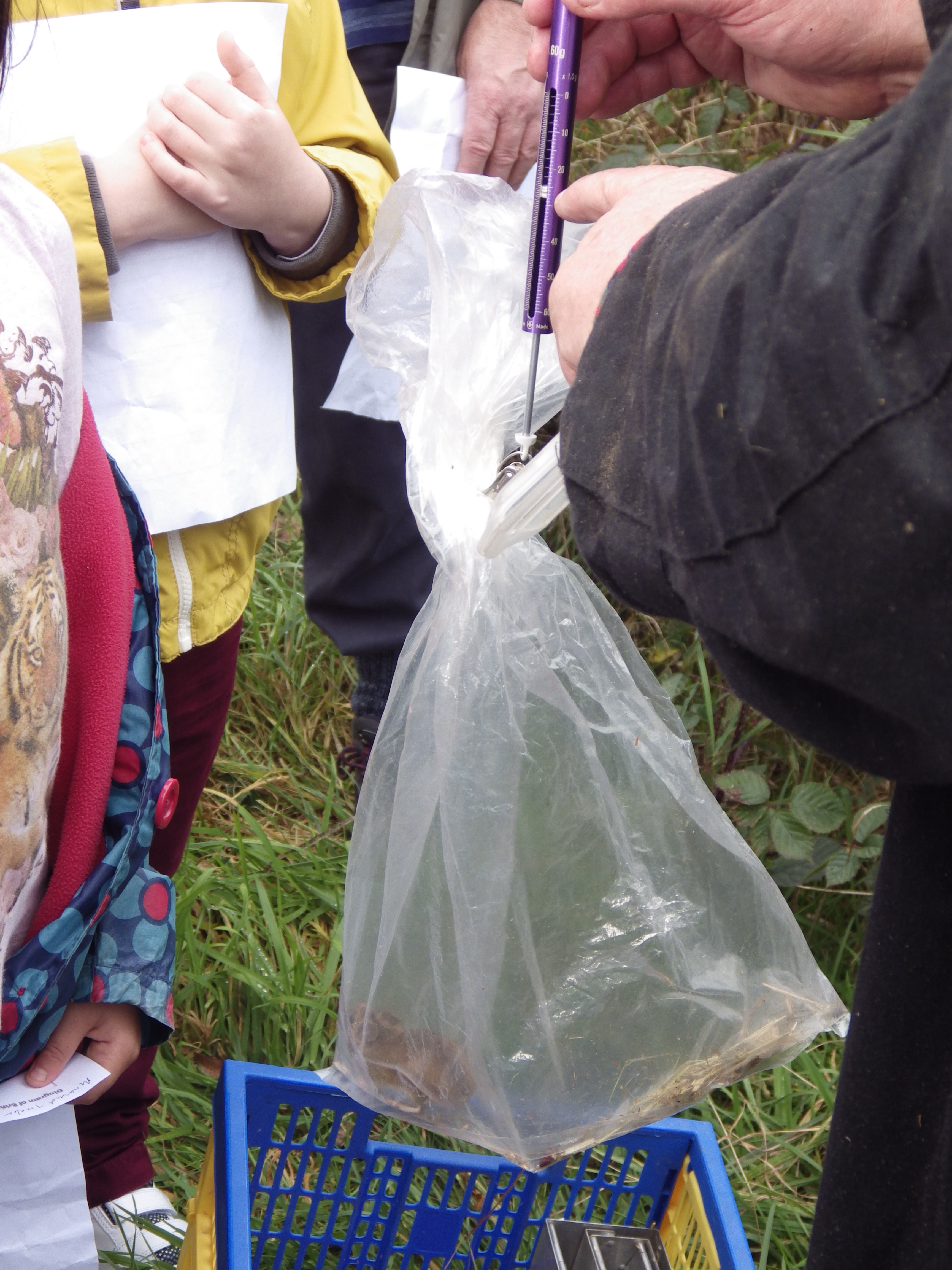
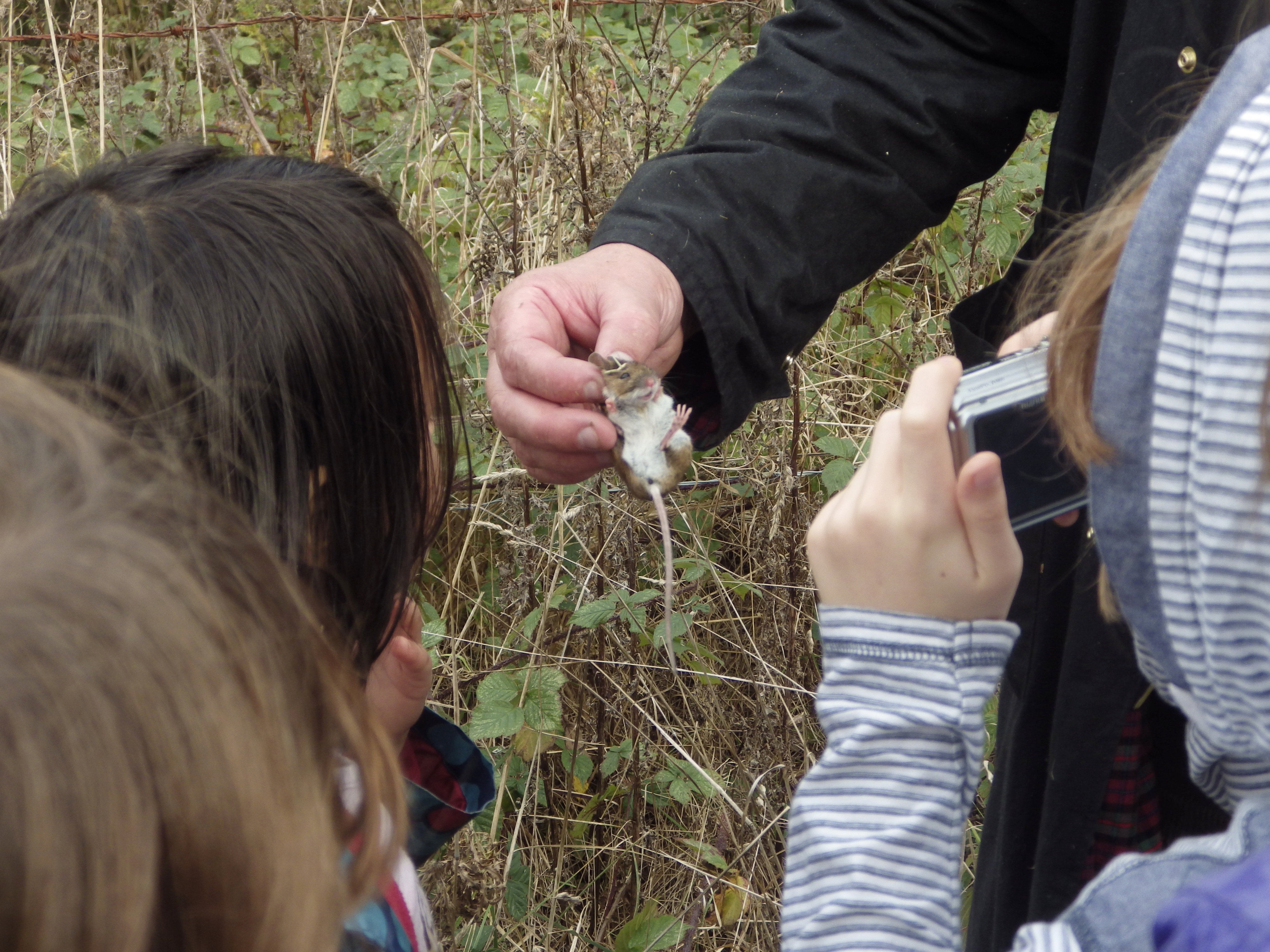
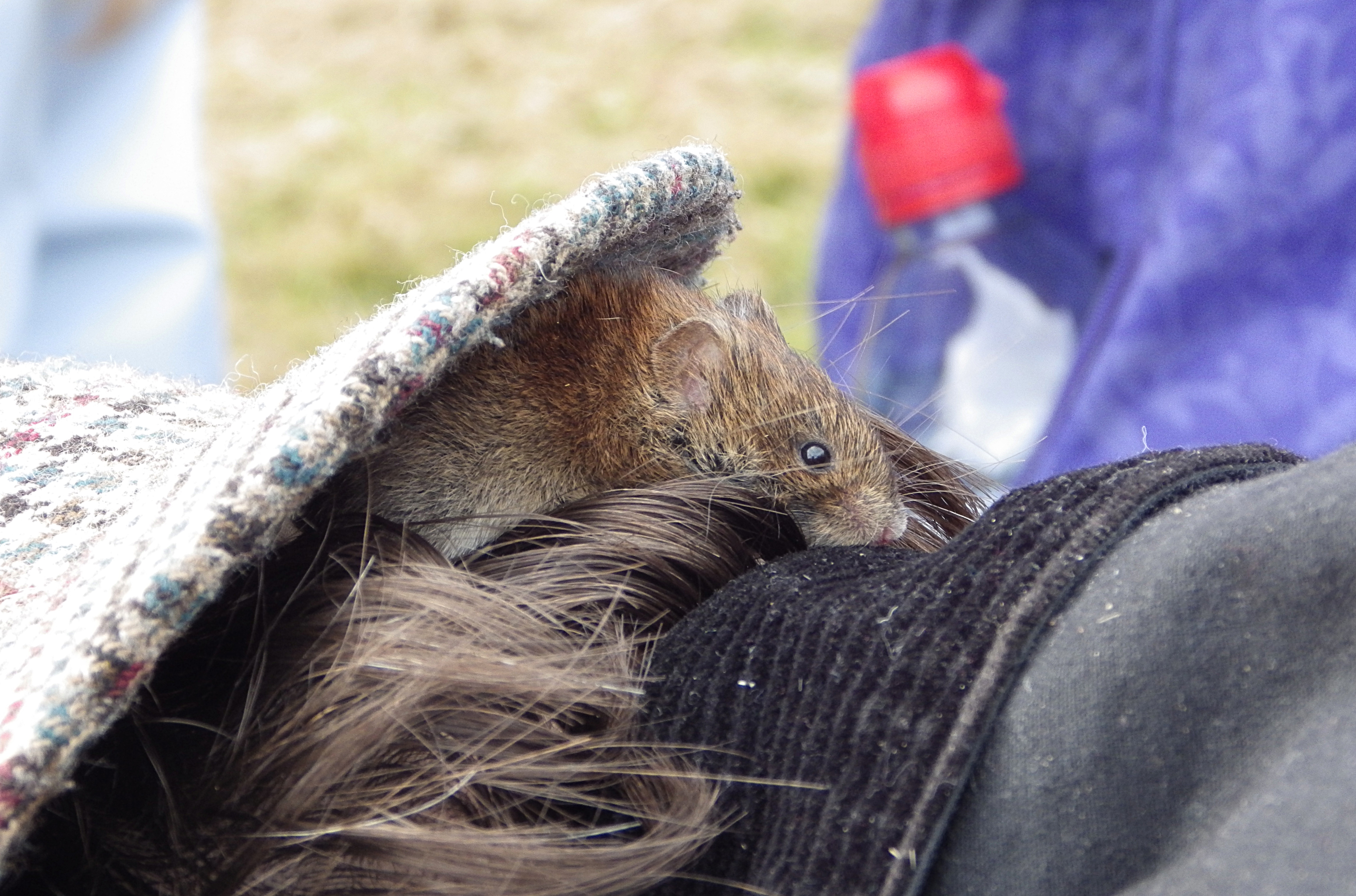
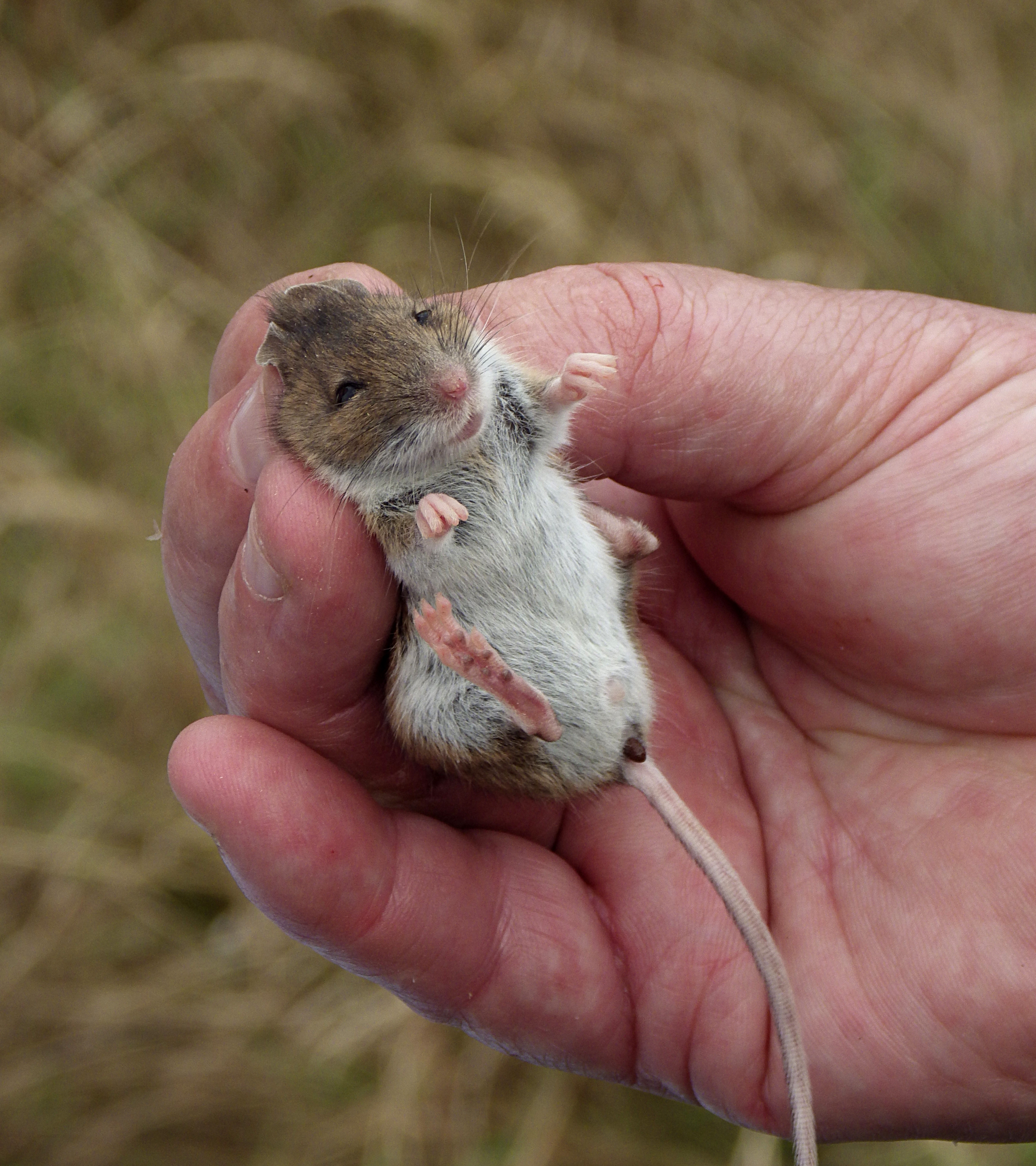
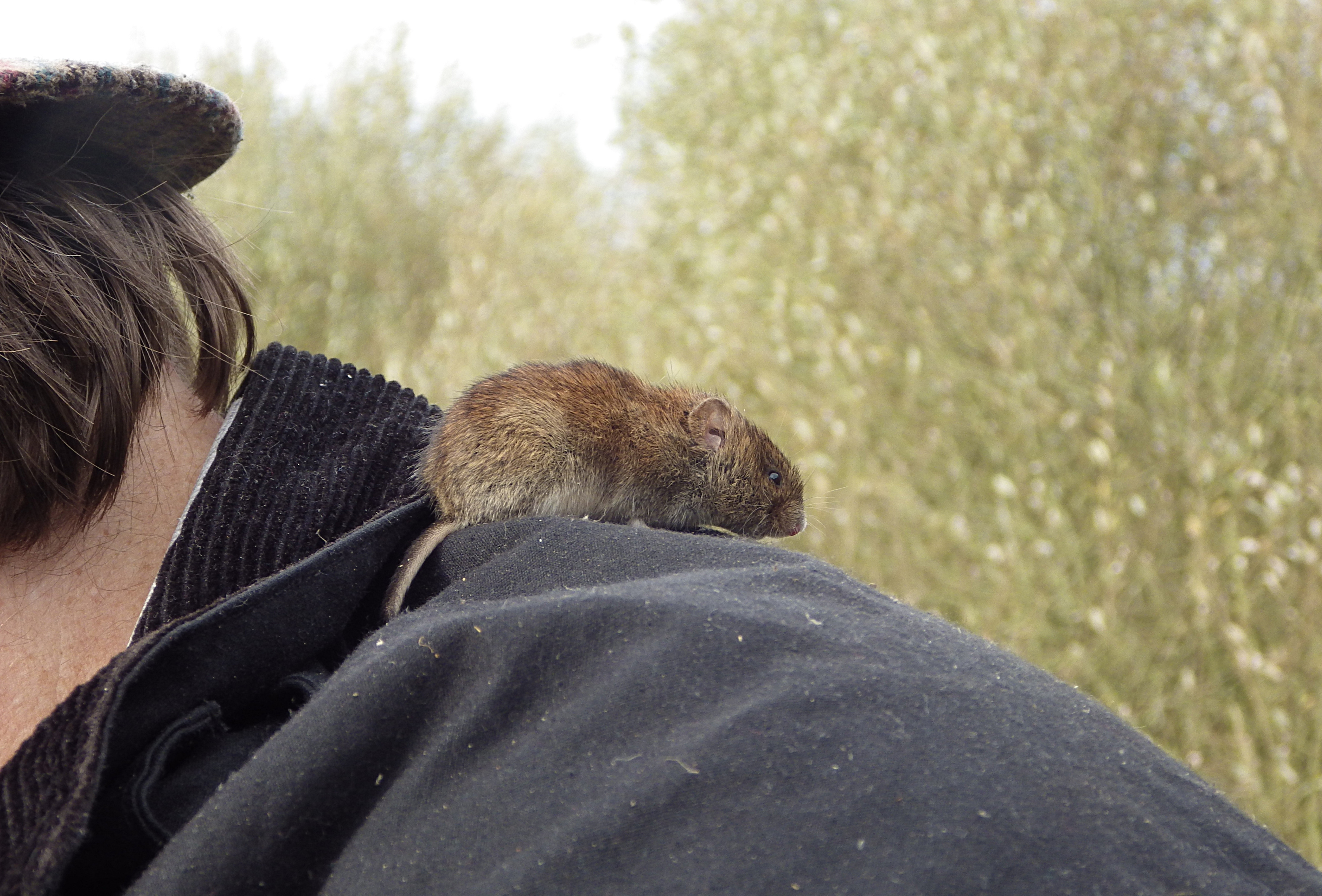
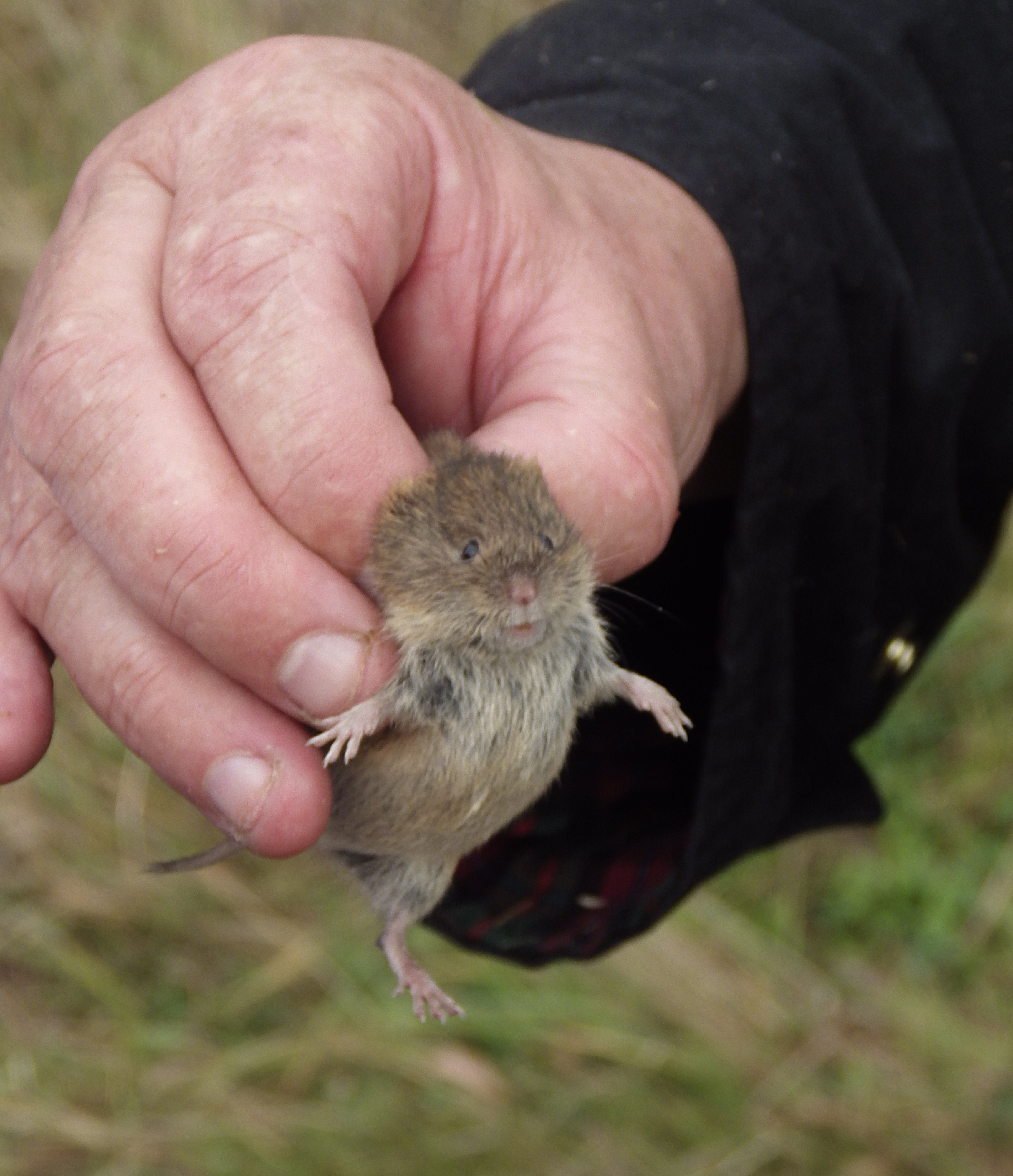
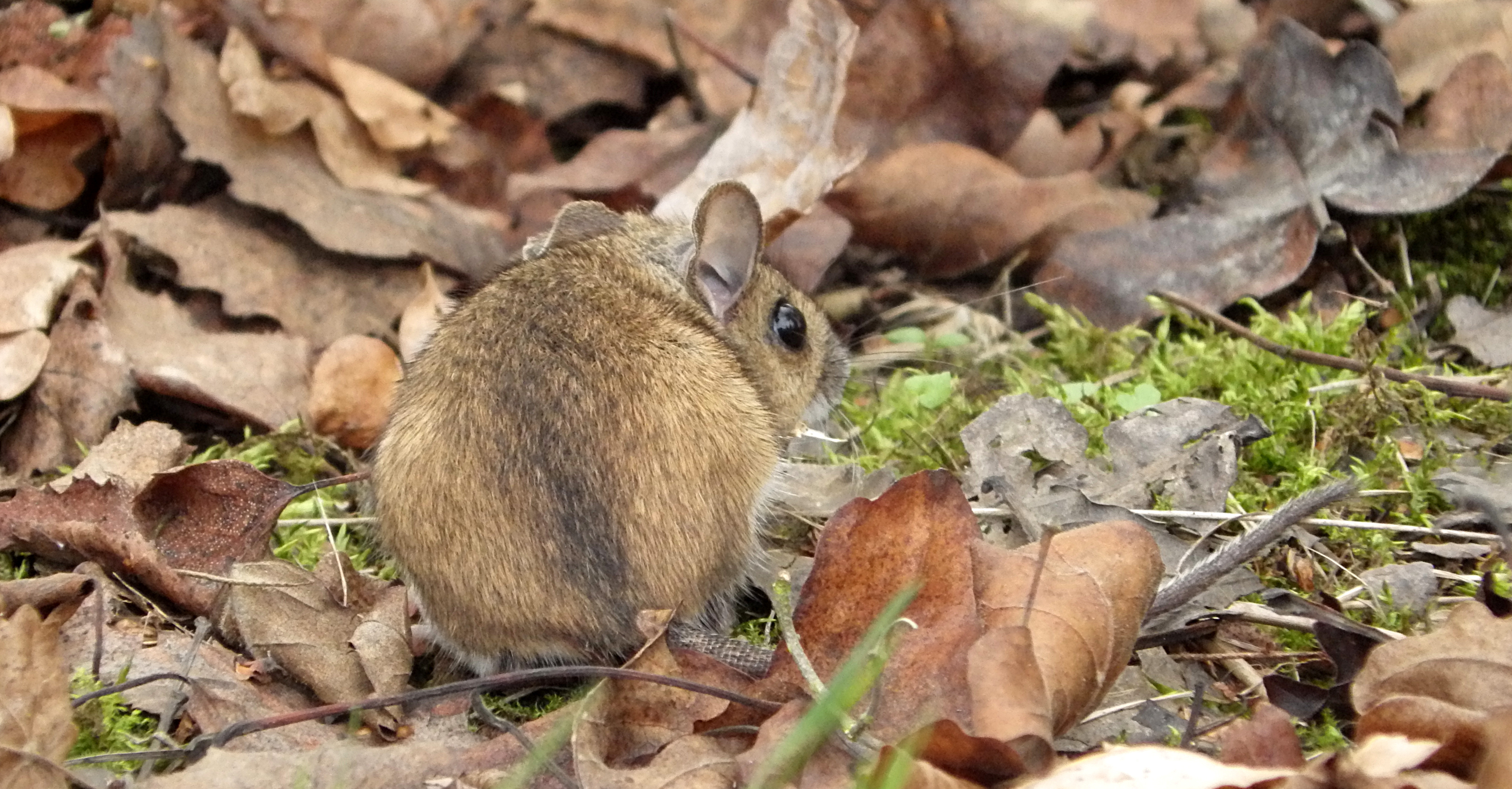
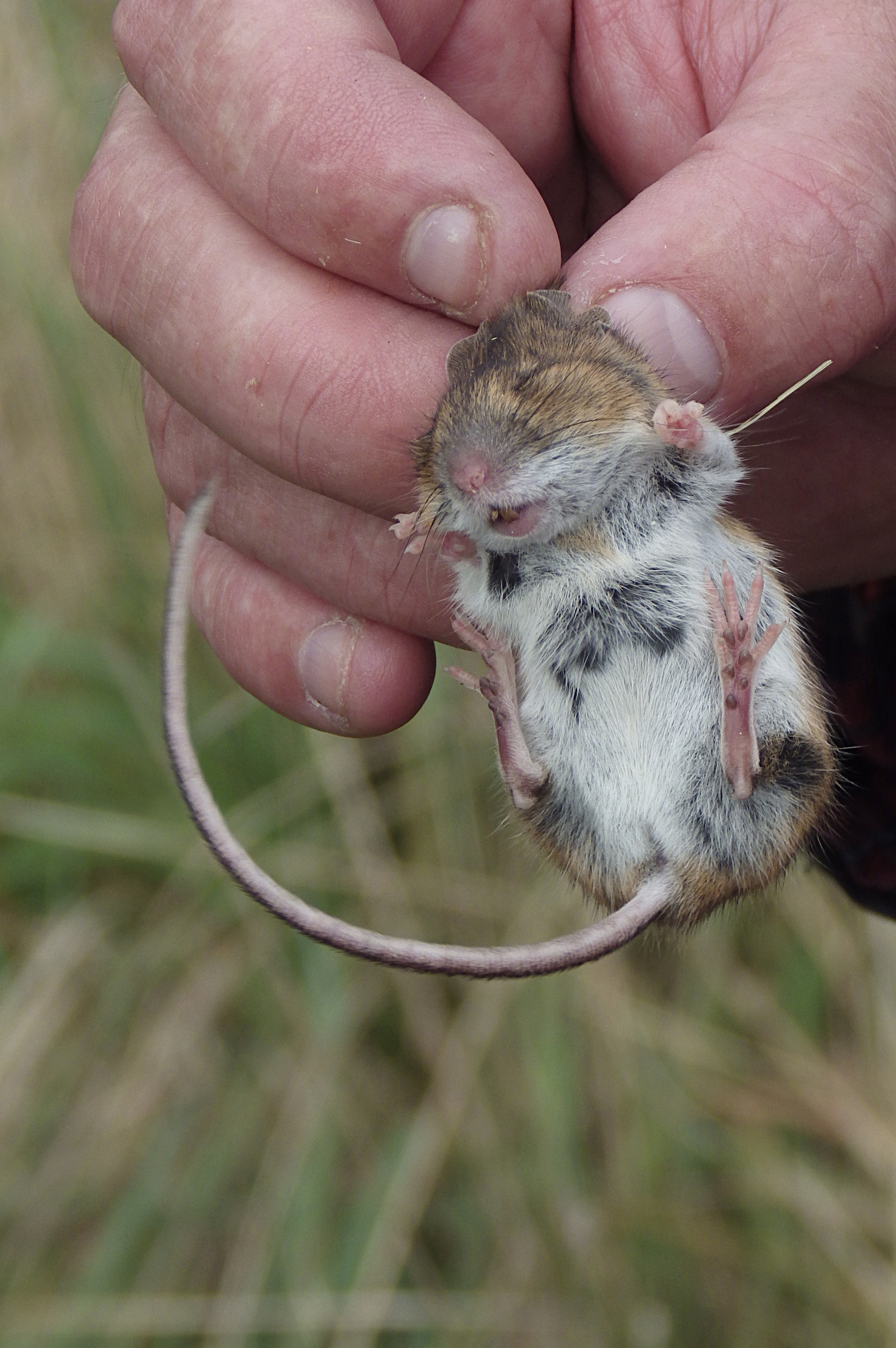
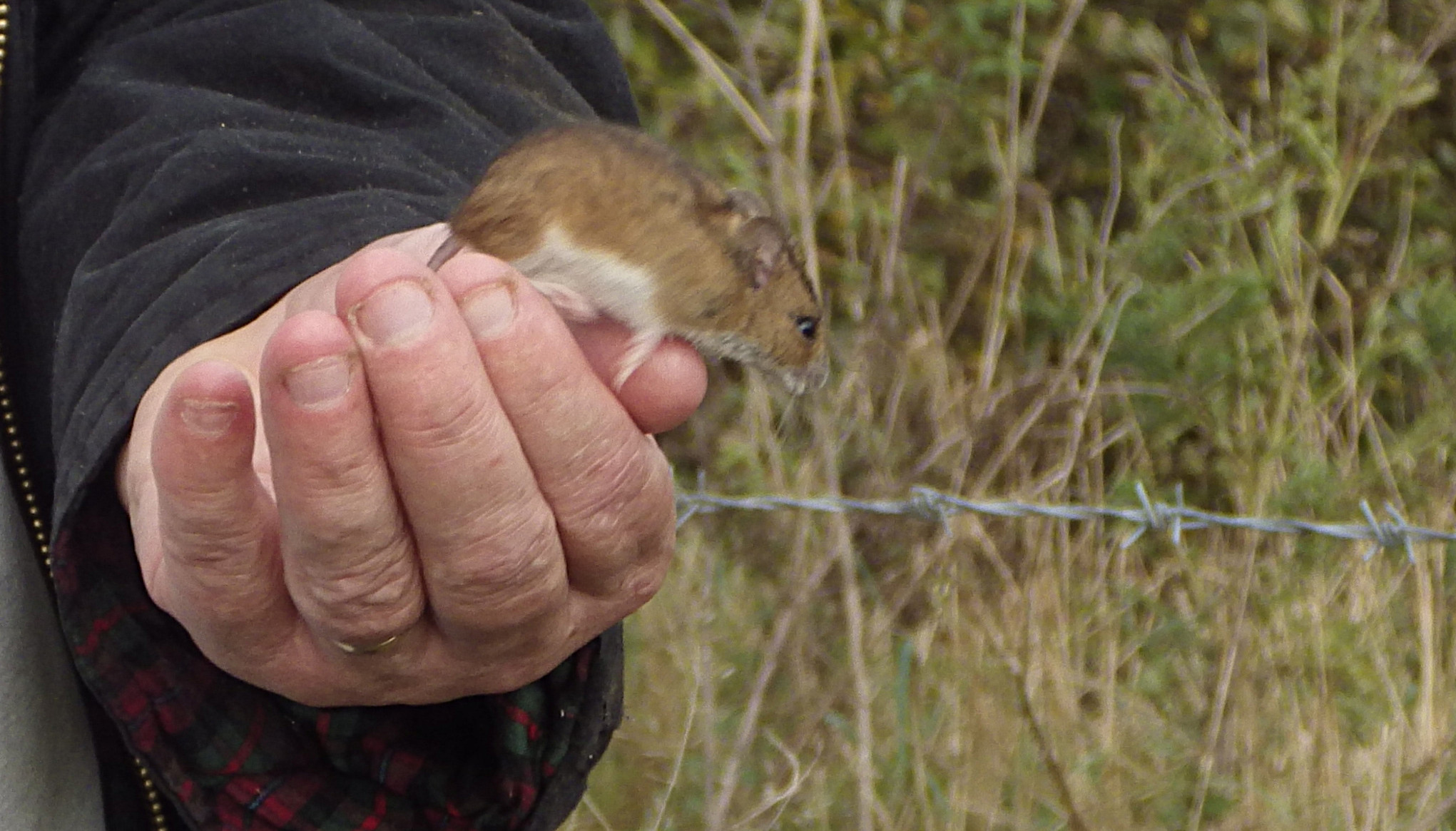
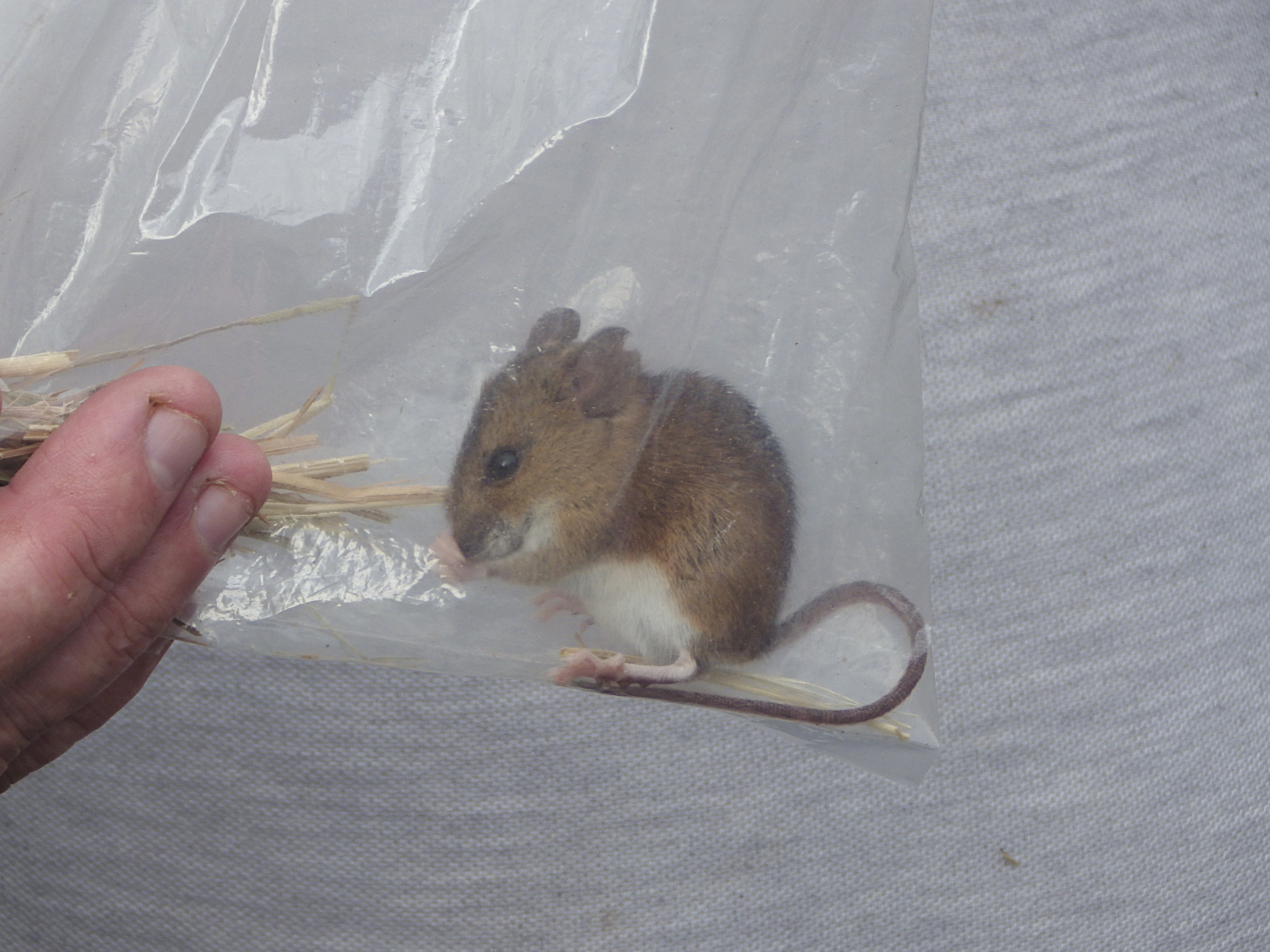
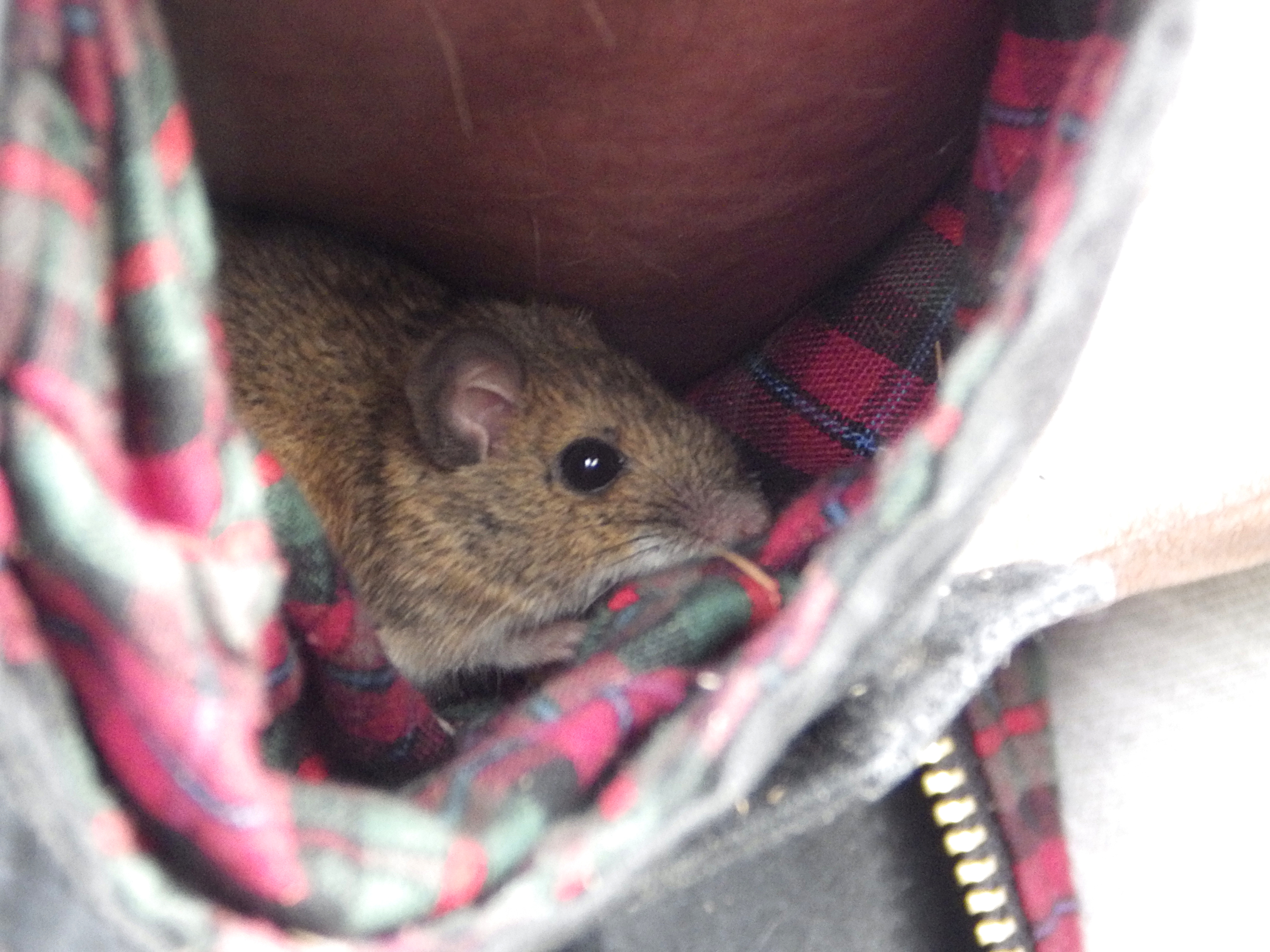
Yesterday the trapping was to show the children a close up of different species but this method is often used to monitor the numbers of various mammals. The traps were set up at roughly ten feet apart beneath an unused grassy area. When we found a trap which was closed we opened it up to see what had been caught. We then examined the mammal, looked to see if it was male or female then let it go. It was brilliant to see the species close up. We managed to catch seven wood mice, a bank vole and a field vole. Here are some photos I took.

Something else I found out yesterday was the mammal tracking phone app. This is to record different mammals in the UK so more can be found out about whereabouts they are and numbers. You can follow this link to download the app for your apple or android phone – http://www.brc.ac.uk/mammal_tracker/

IMGP6995

IMGP7045A wood mice that escaped down a sleeve!

IMGP7029

IMGP7059The children having a real hands on experience with one of the voles that was caught.

IMGP7017

IMGP7041

IMGP7034Another escapee!

IMGP7060

IMGP7030

IMGP7056

IMGP7022

IMGP7002

IMGP7005

Hen Harrier Day 2014.

Today, 10th August, is Hen Harrier Day. It is organised by a coalition of Birders Against Wildlife Crime, former RSPB Conservation Director and leading activist Mark Avery, broadcaster and conservationist Chris Packham, the country’s leading wildlife charity the RSPB, and the North West Raptor Protection Group.

Just a few hundred years ago Hen Harriers were a widespread and common bird of prey. Now, in 2014 only three have bred. In 2013 the last remaining Hen Harriers didn’t manage to raise one chick and who knows what will happen to the chicks of this year.

Hen Harriers have been illegally shot since driven shooting first became popular by Queen Victoria in the 1800’s. Grouse shooting takes place between the 12th of August and the 10th of December each year and moors are managed year-round in preparation for this. Species like red grouse are entirely dependent on heather for food and shelter. Unlike pheasants they can not bred in captivity. Instead gamekeepers are employed to manage the habitat by burning patches of heather to create a mosaic of old strands for nesting and young plants for the birds to eat. They also carry out illegal and legal activity and intense control of generalist predators such as foxes, crows, stoats, weasels and birds of prey like our endangered Hen Harriers.

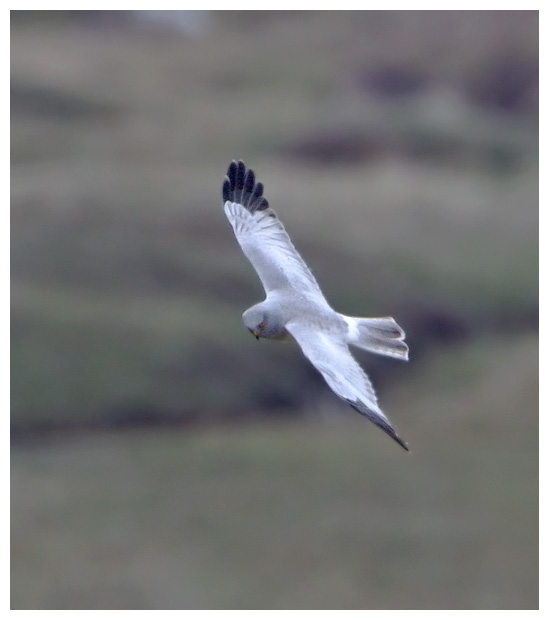
Last year I was out walking with my Granddad near where I live in Staffordshire in a horrible downpour. All of a sudden a large grey bird flew over our heads, at first I thought it may have been a seagull because of the noise it was making but it was much bigger. When I got home I discovered that it was in fact a male hen harrier. The next day I went back to the place where I had seen it and I returned quite a few times after that too. On a couple of occasions I managed to see the bird again but it was from a distance. However I still felt, and still do now, extremely privileged to have seen the bird as I may not ever see one ever again. Here’s a reason why you should get involved and help our Hen Harriers.

To help and get involved you can follow either one of these links for more information, to sign the petition against driven grouse shooting and much more. http://www.raptorsalive.co.uk/    http://birdersagainst.org/projects/hen-harrier-day/

henharrierA male hen harrier – taken by Pete Walkden. You can see more of his bird of prey, including hen harrier, images here – http://www.petewalkden.co.uk/PreyGallery.html


Four day flora and fauna.

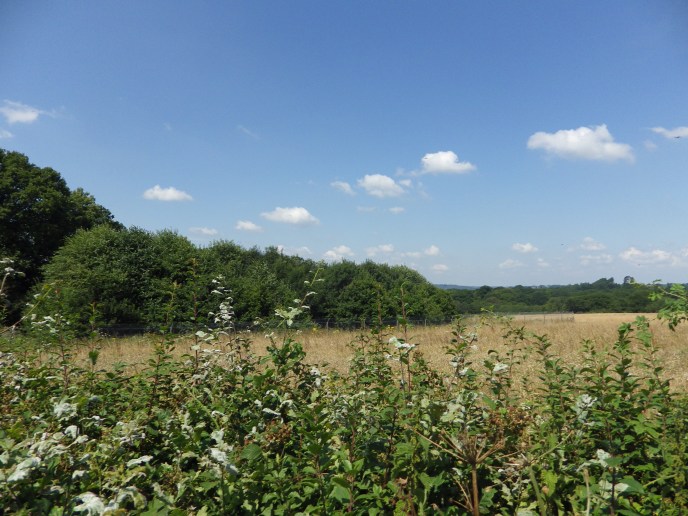
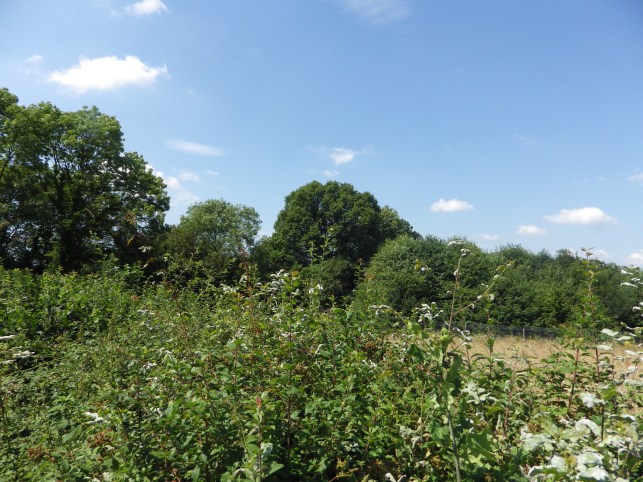
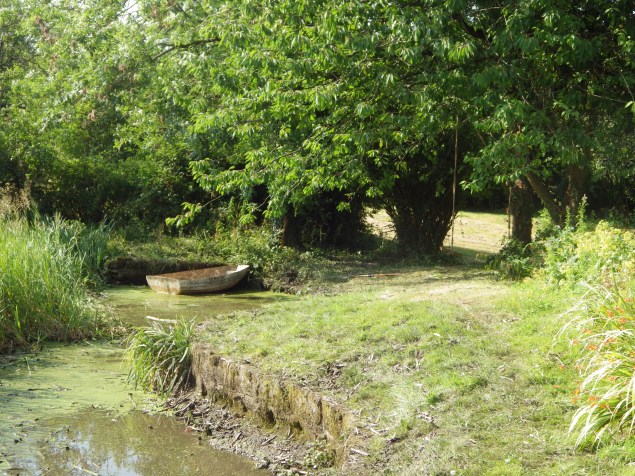
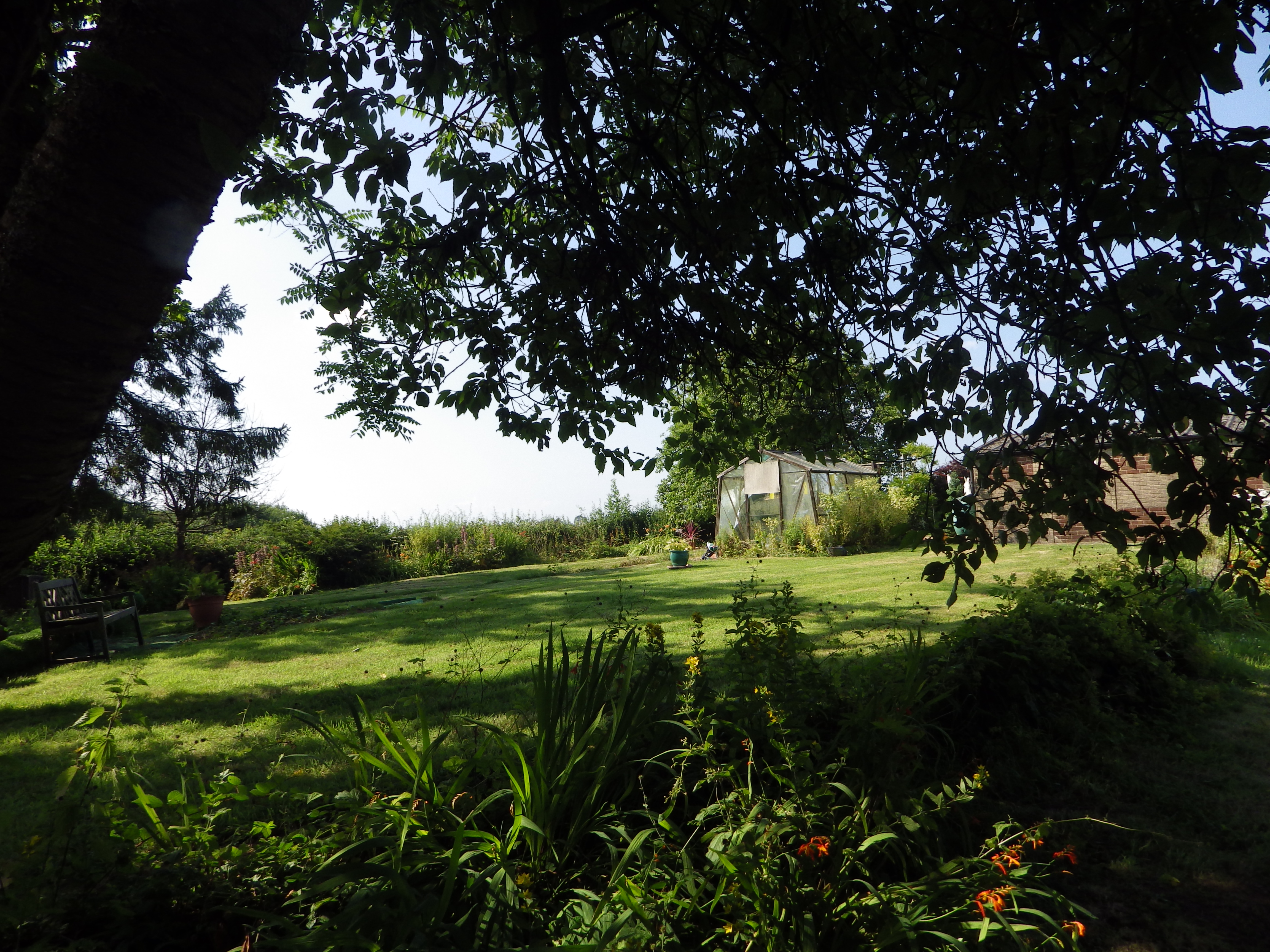
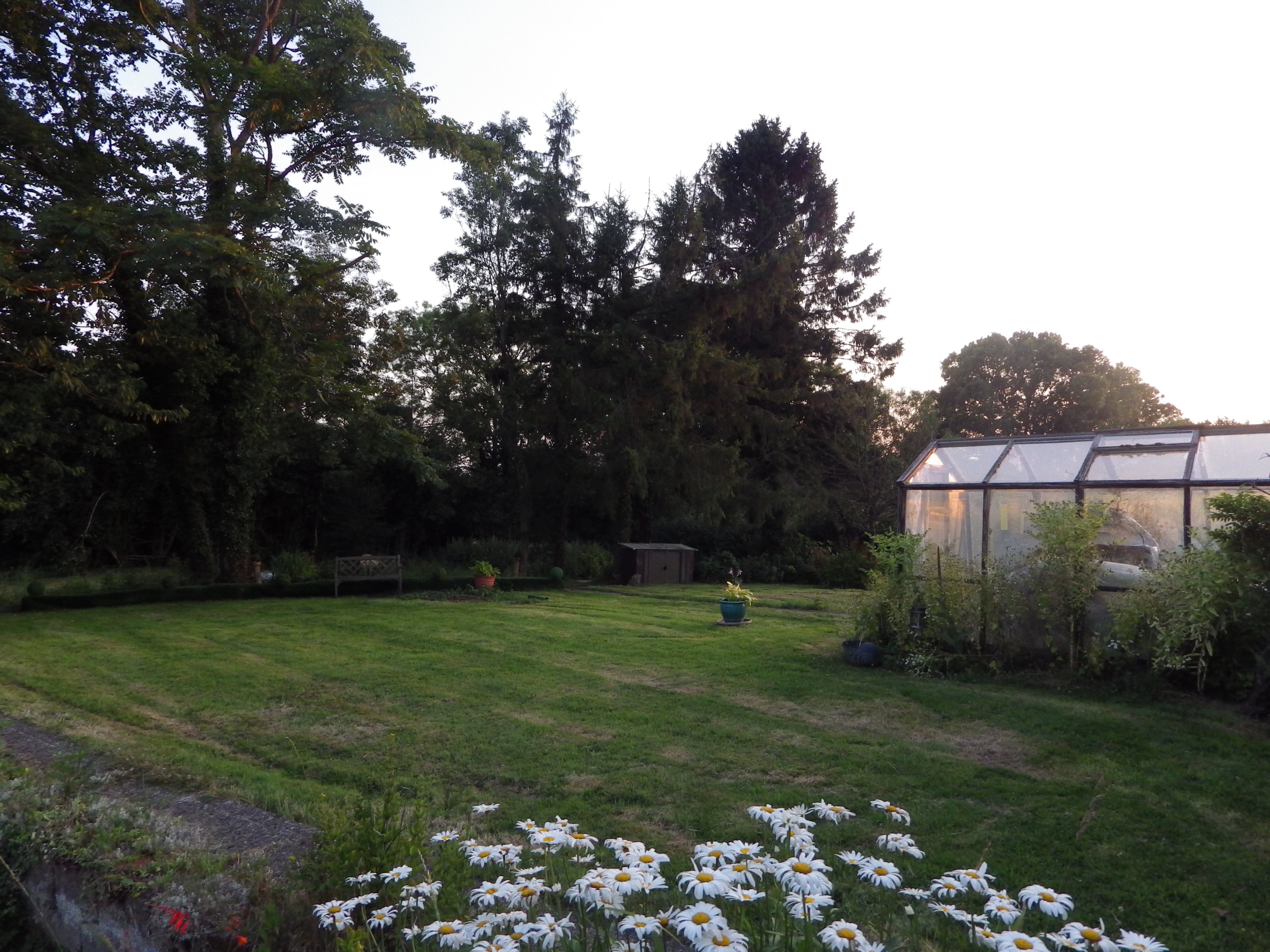
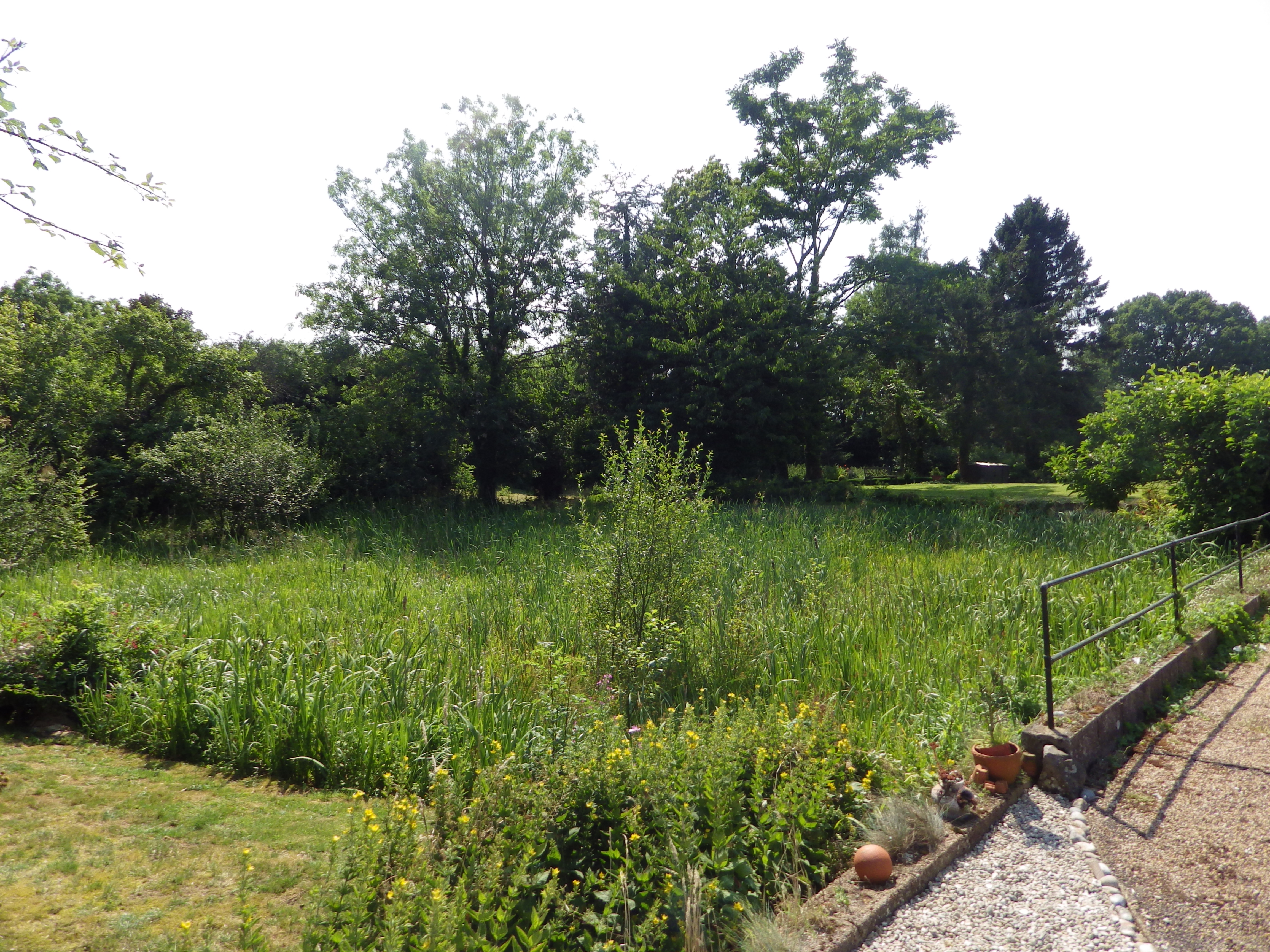
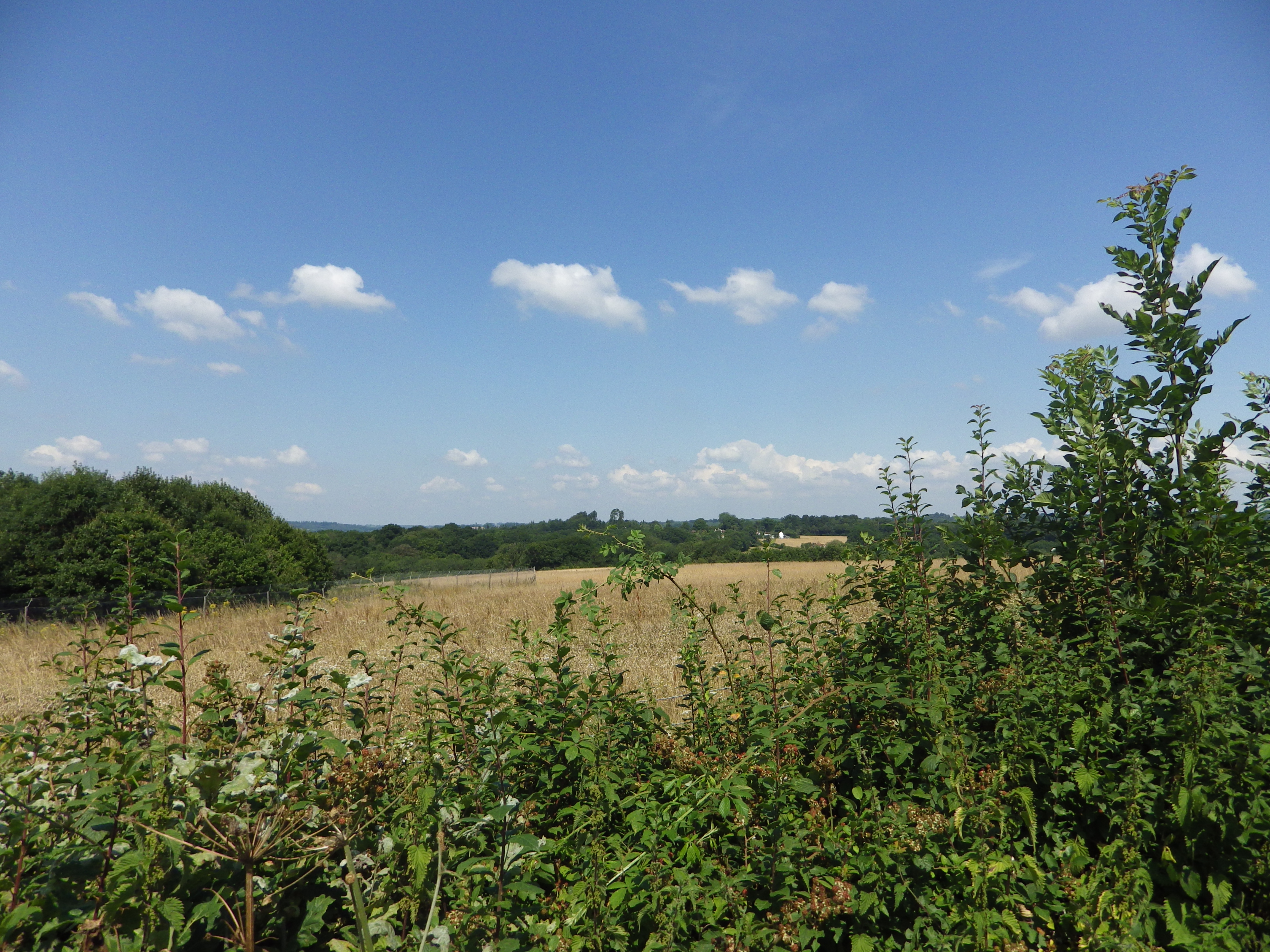
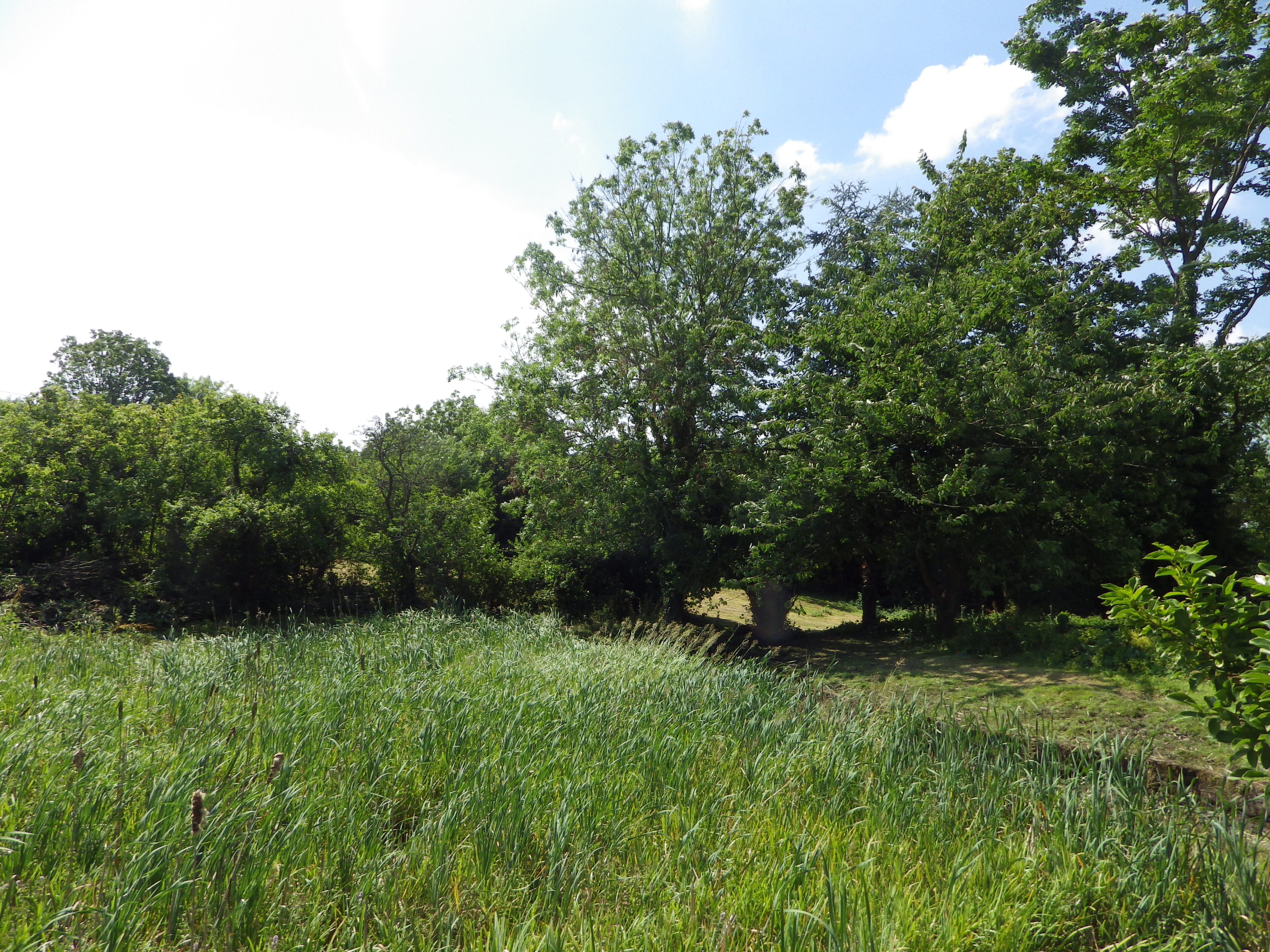
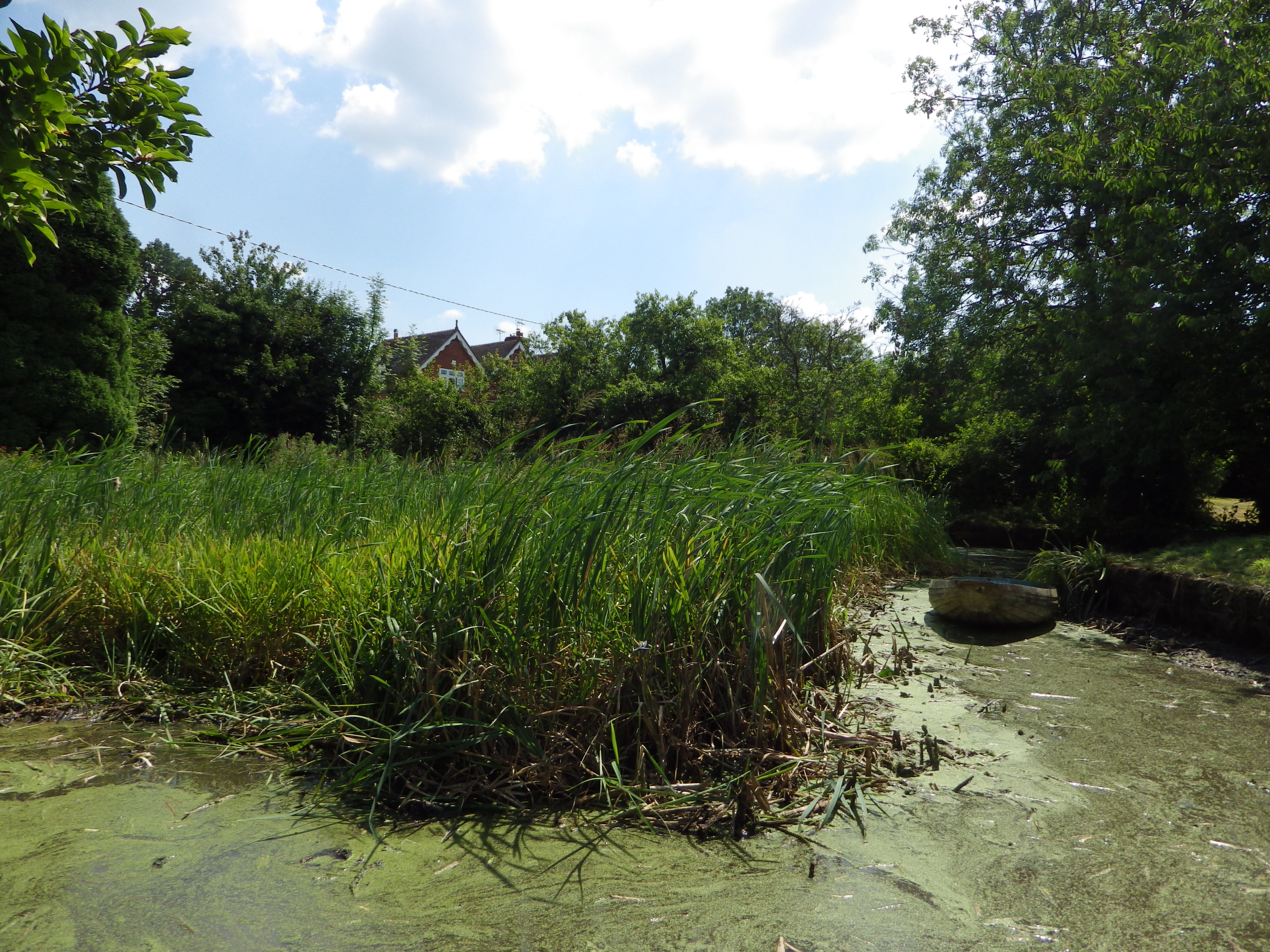
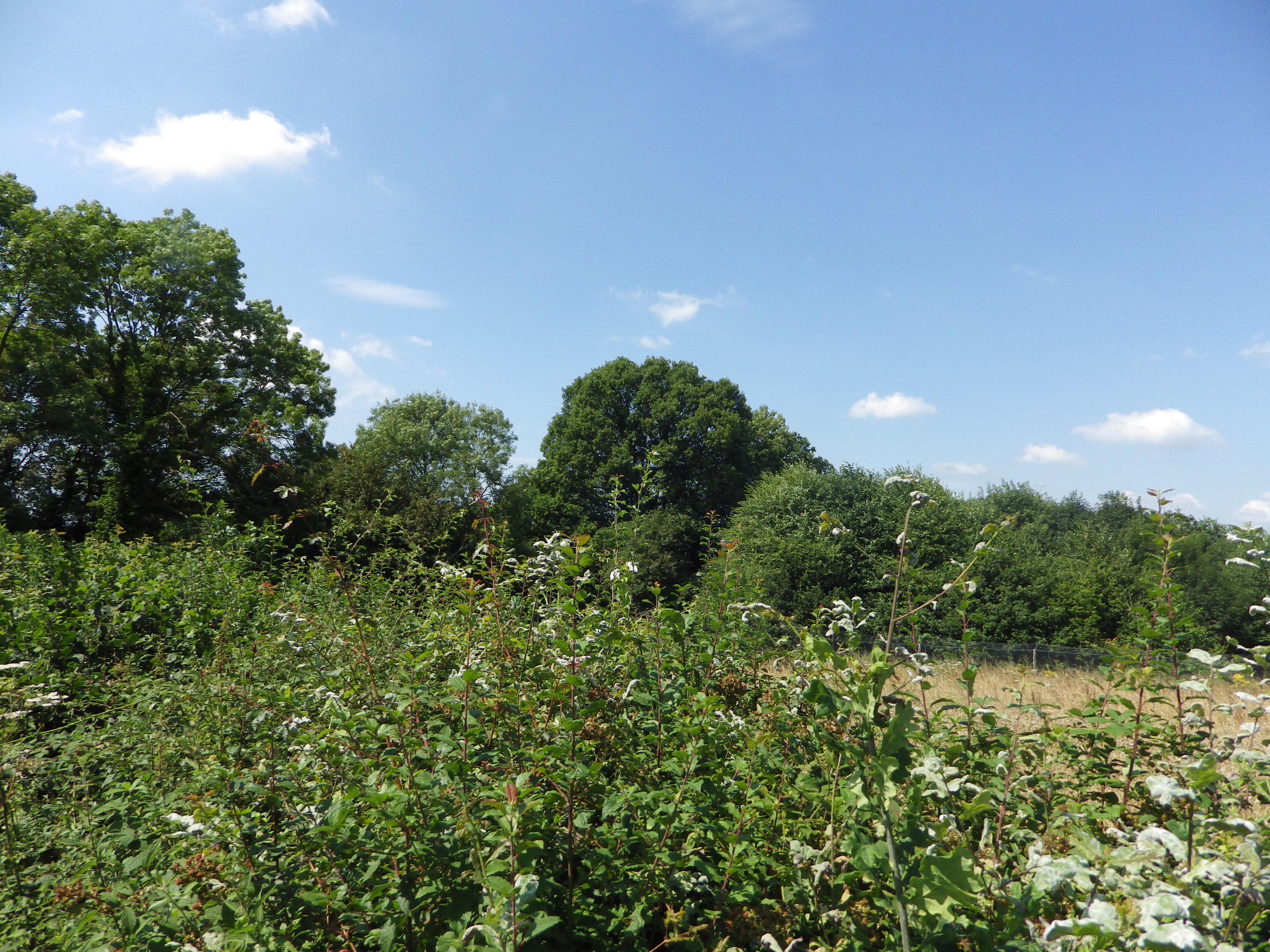
Last Wednesday I went to visit my Uncle who lives in Eridge, near Tunbridge Wells for four days with my Brother, another Uncle and my Nan. Where he lives it is surrounded by nothing but the lovely countryside. He has a massive garden which includes a orchard and a large pond. I’ve heard many stories from family members about how brilliant the wildlife is in his garden and that you can see anything from grass snakes and slow worms to foxes and badgers.

Day One.

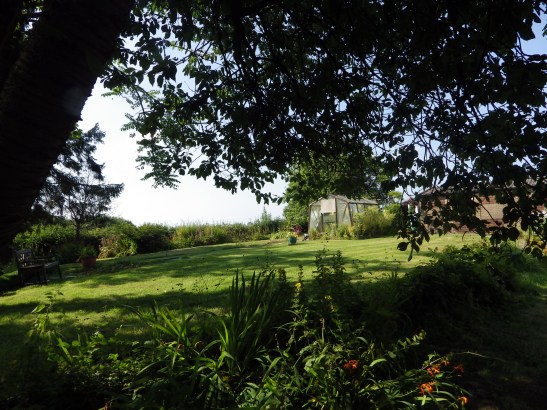
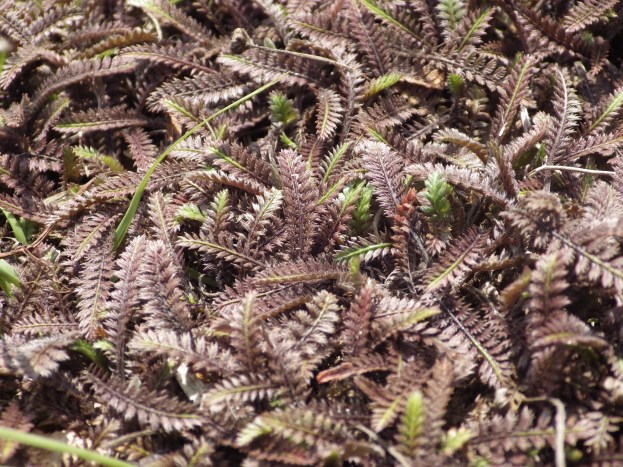
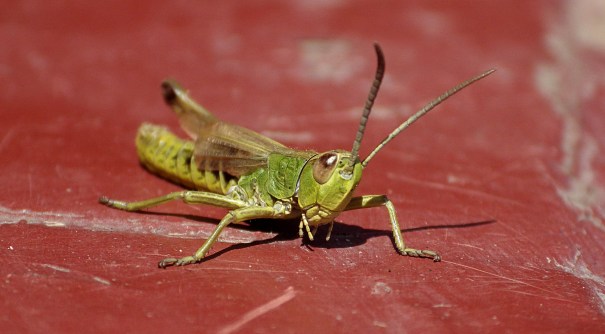
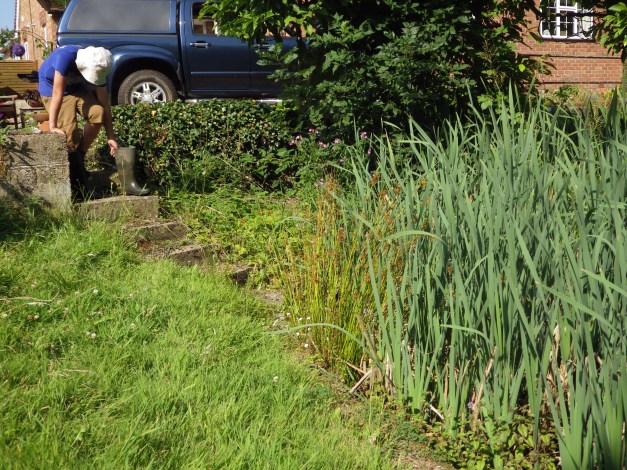
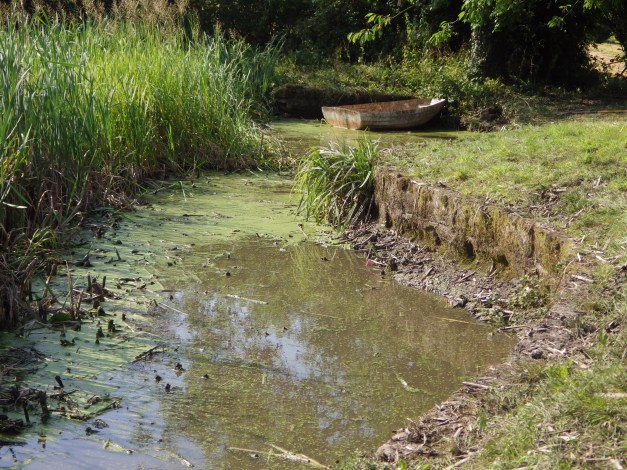
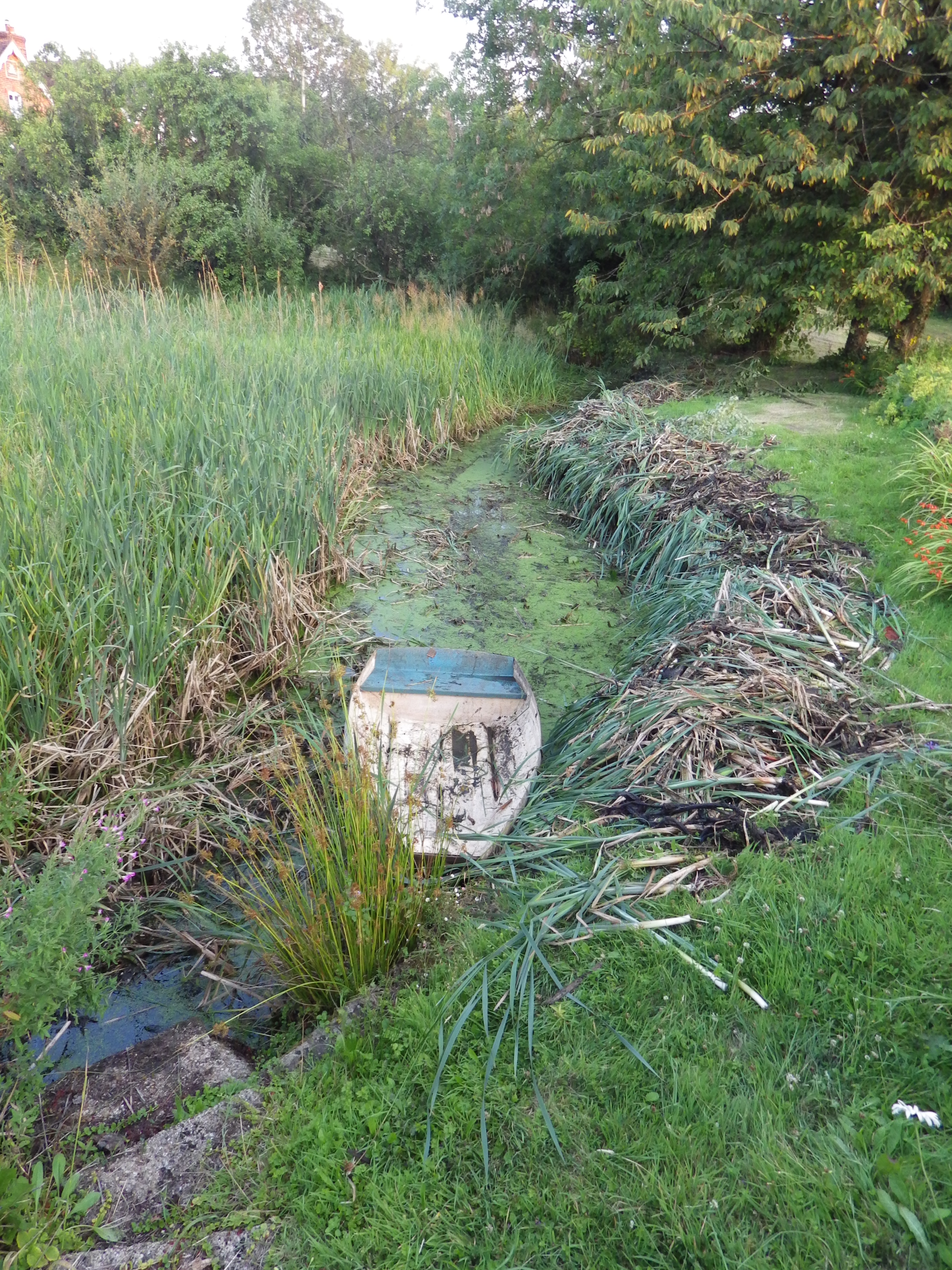
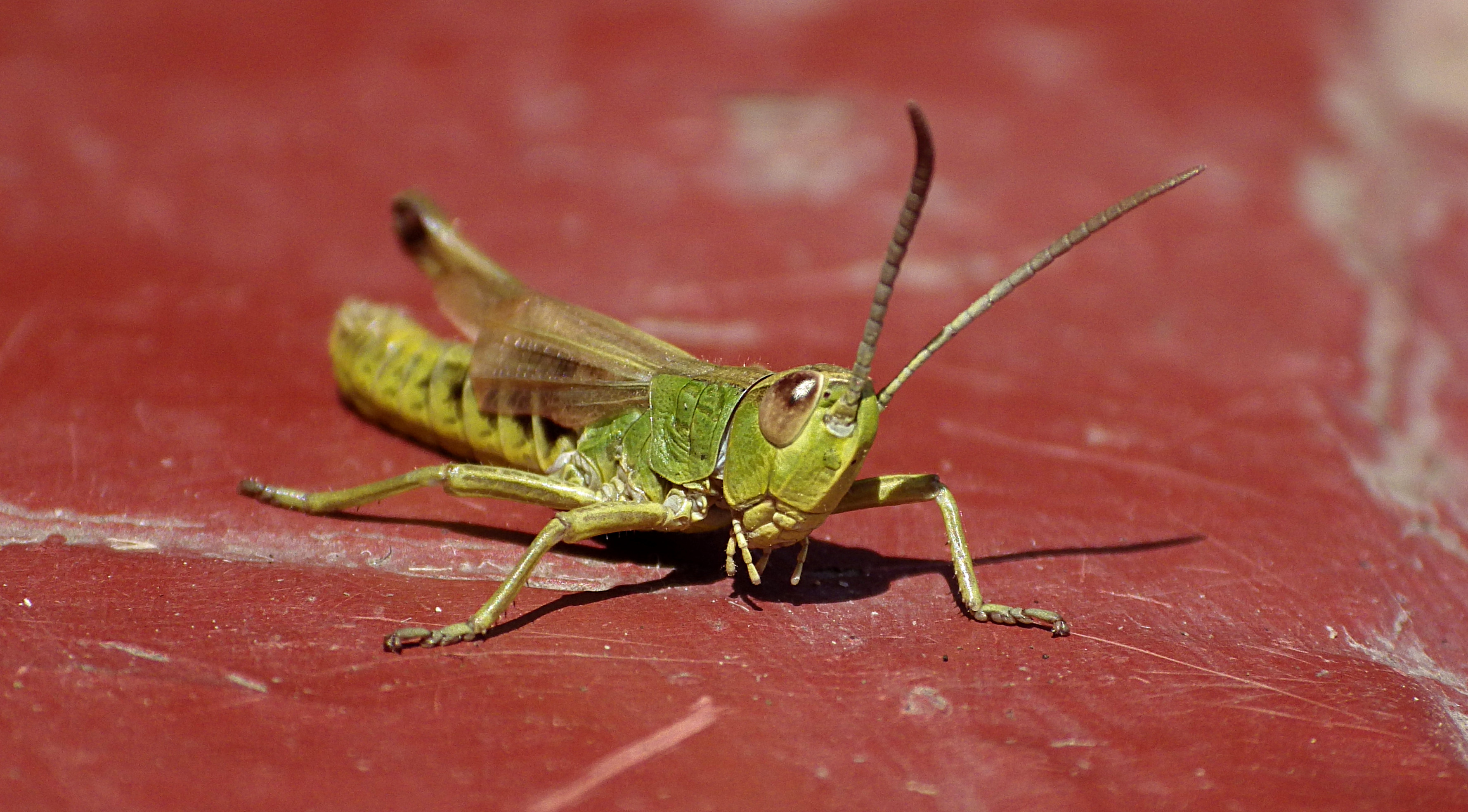
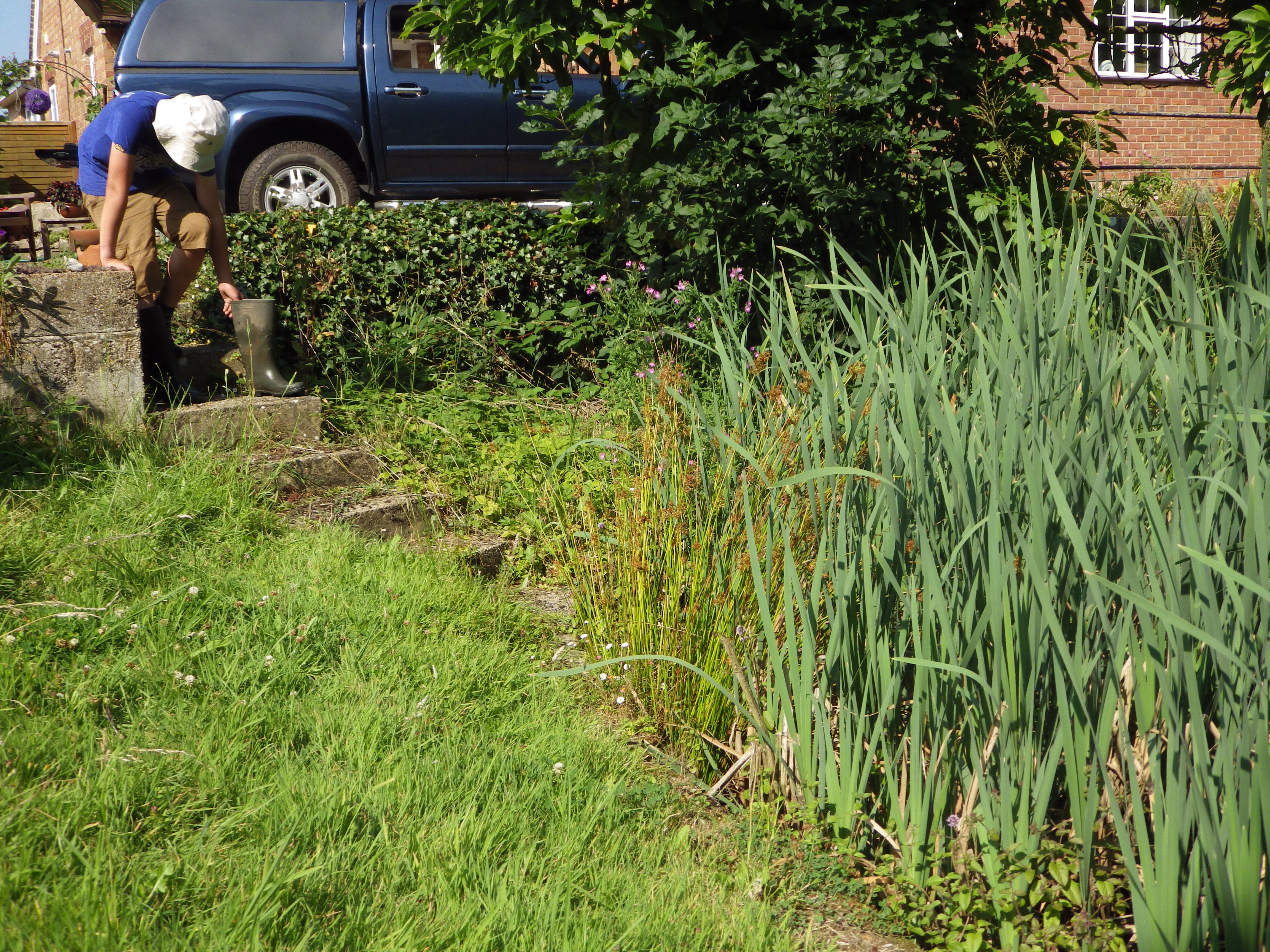
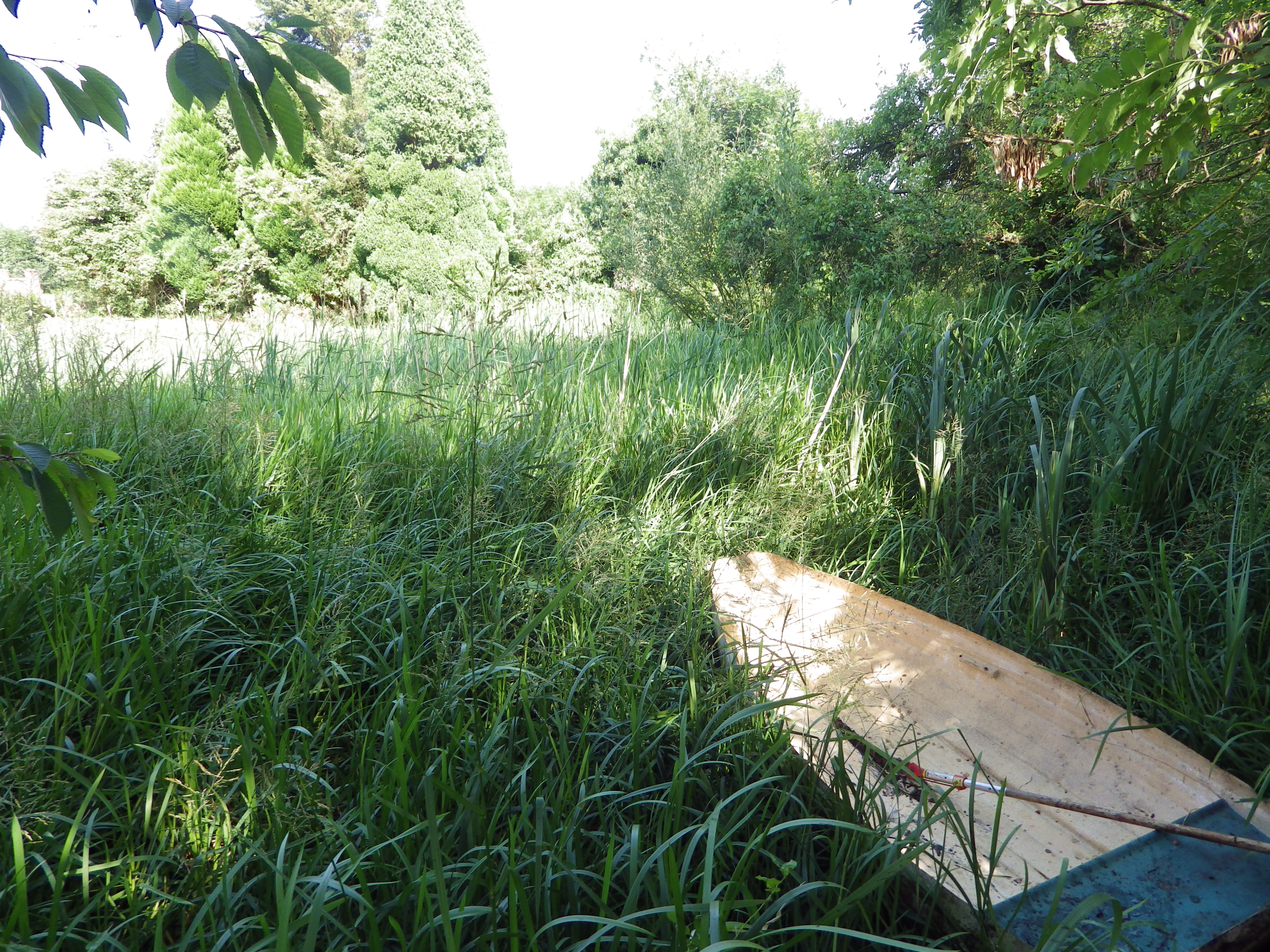
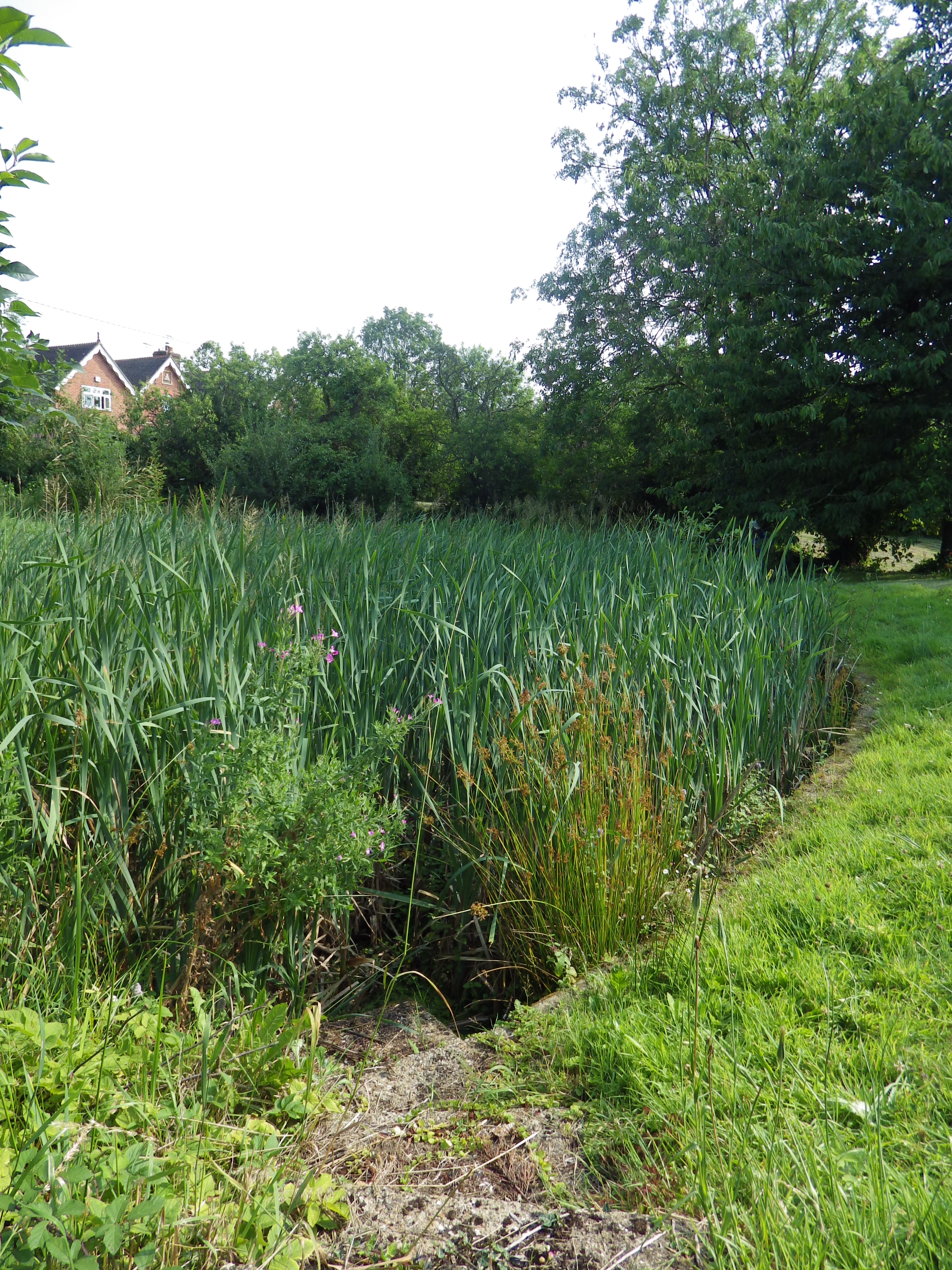
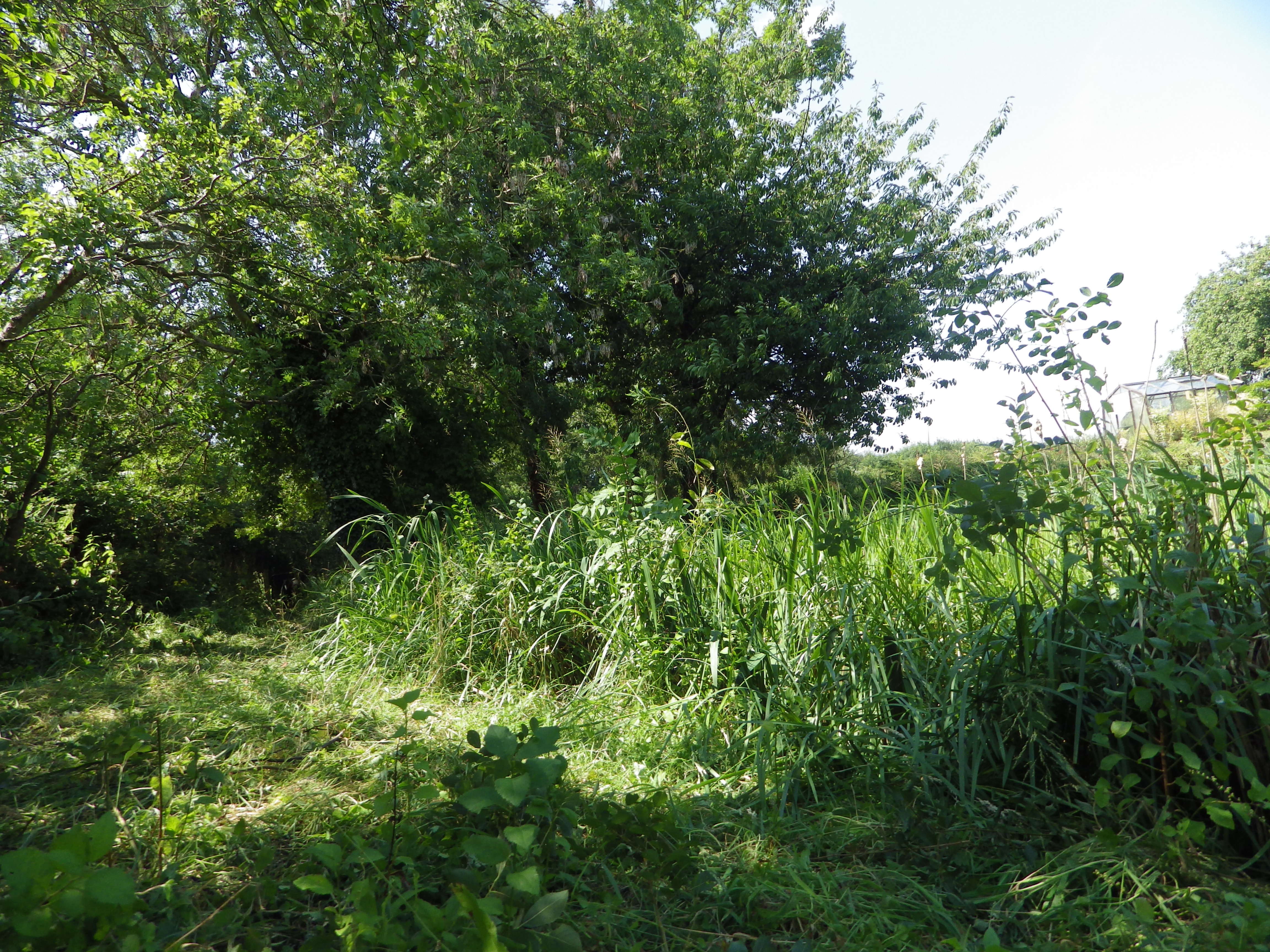
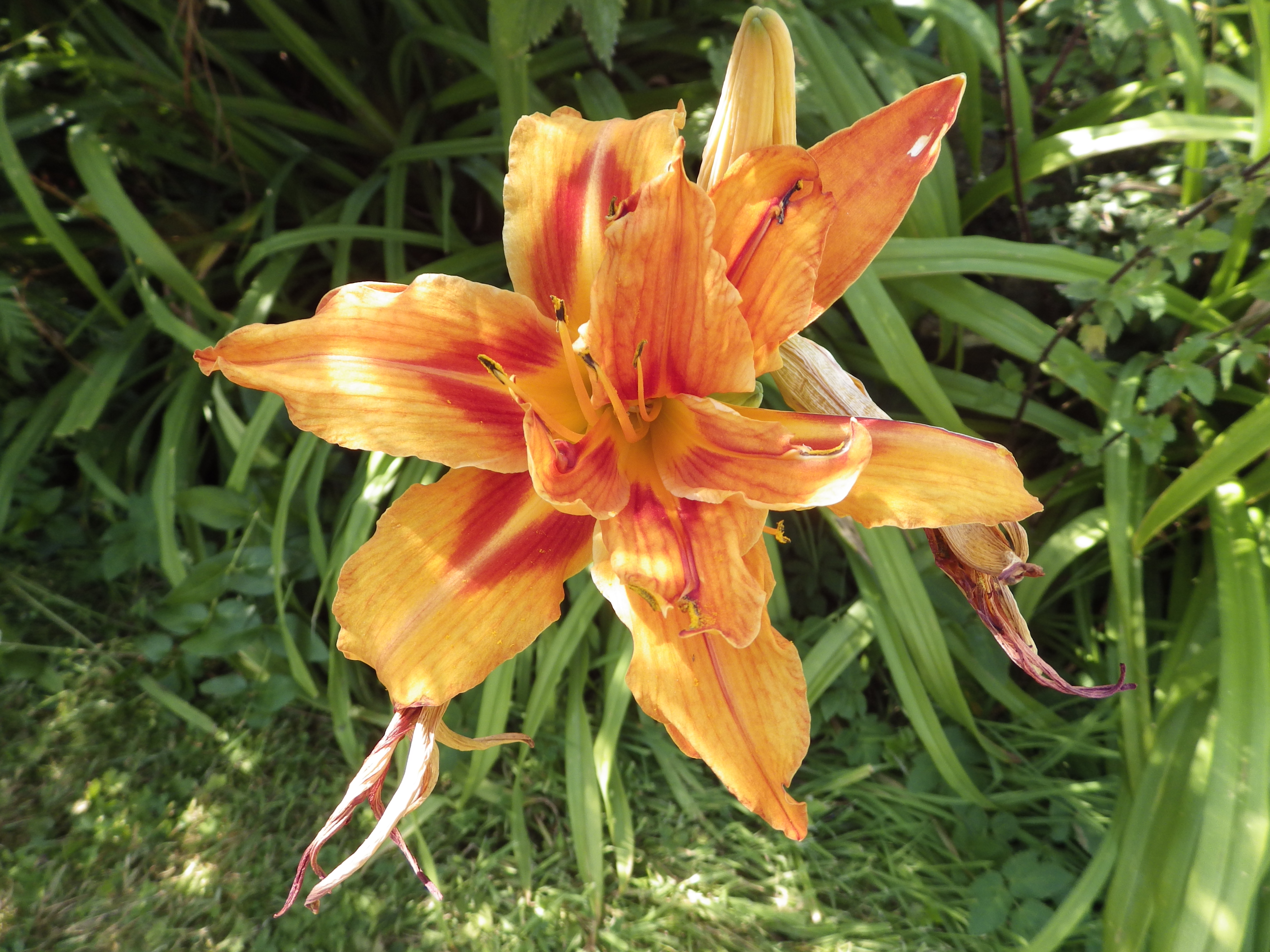
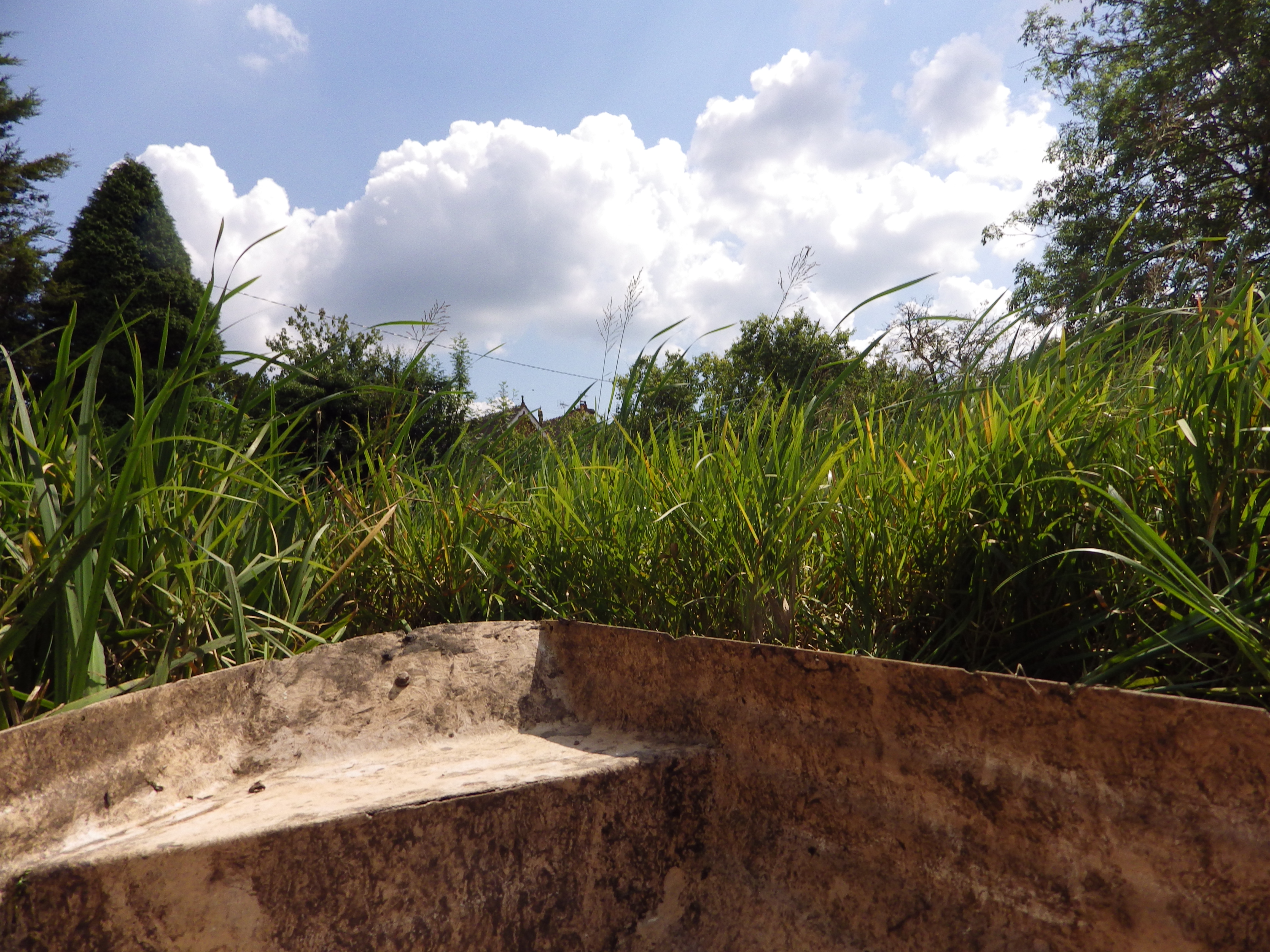
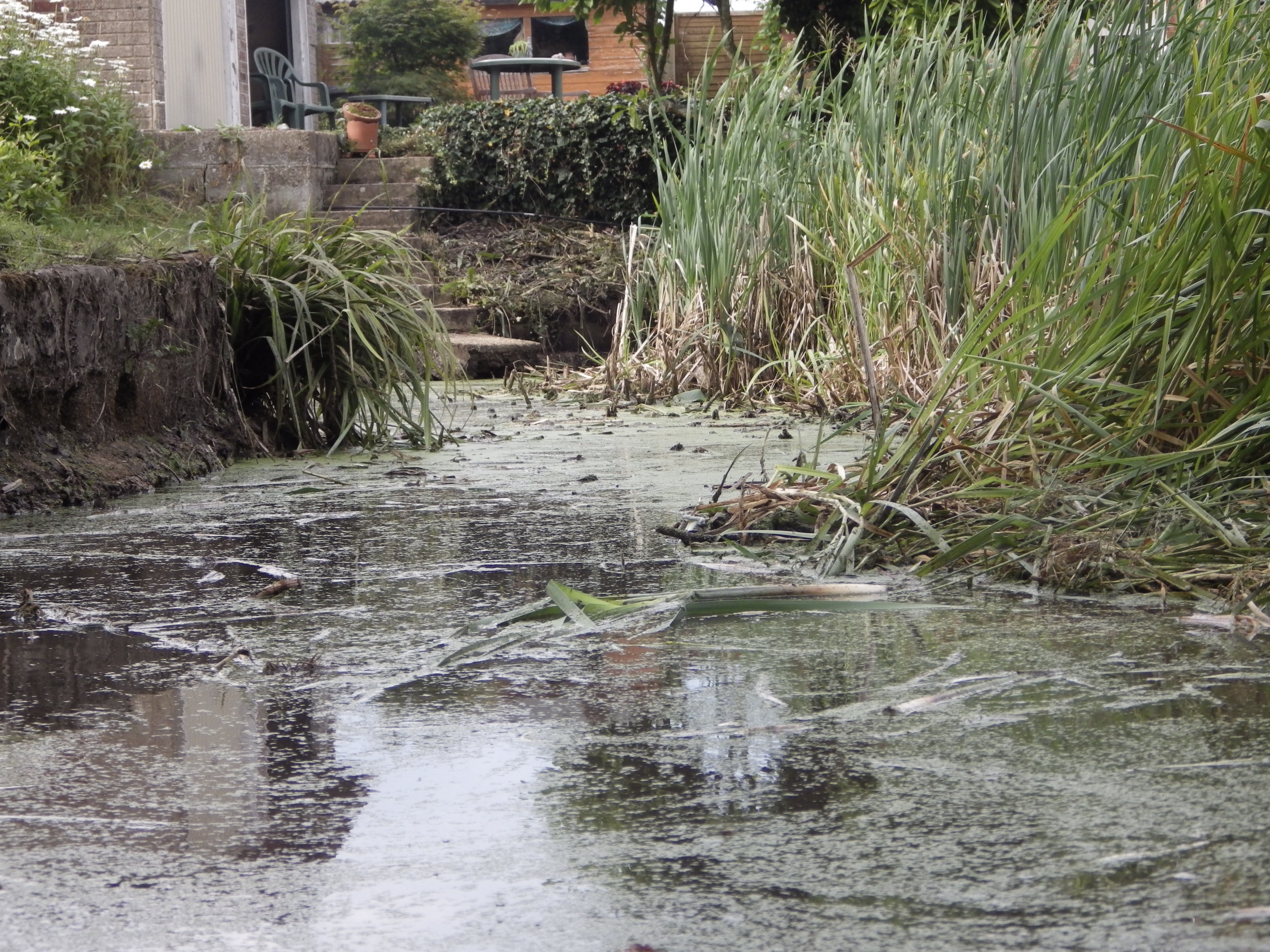
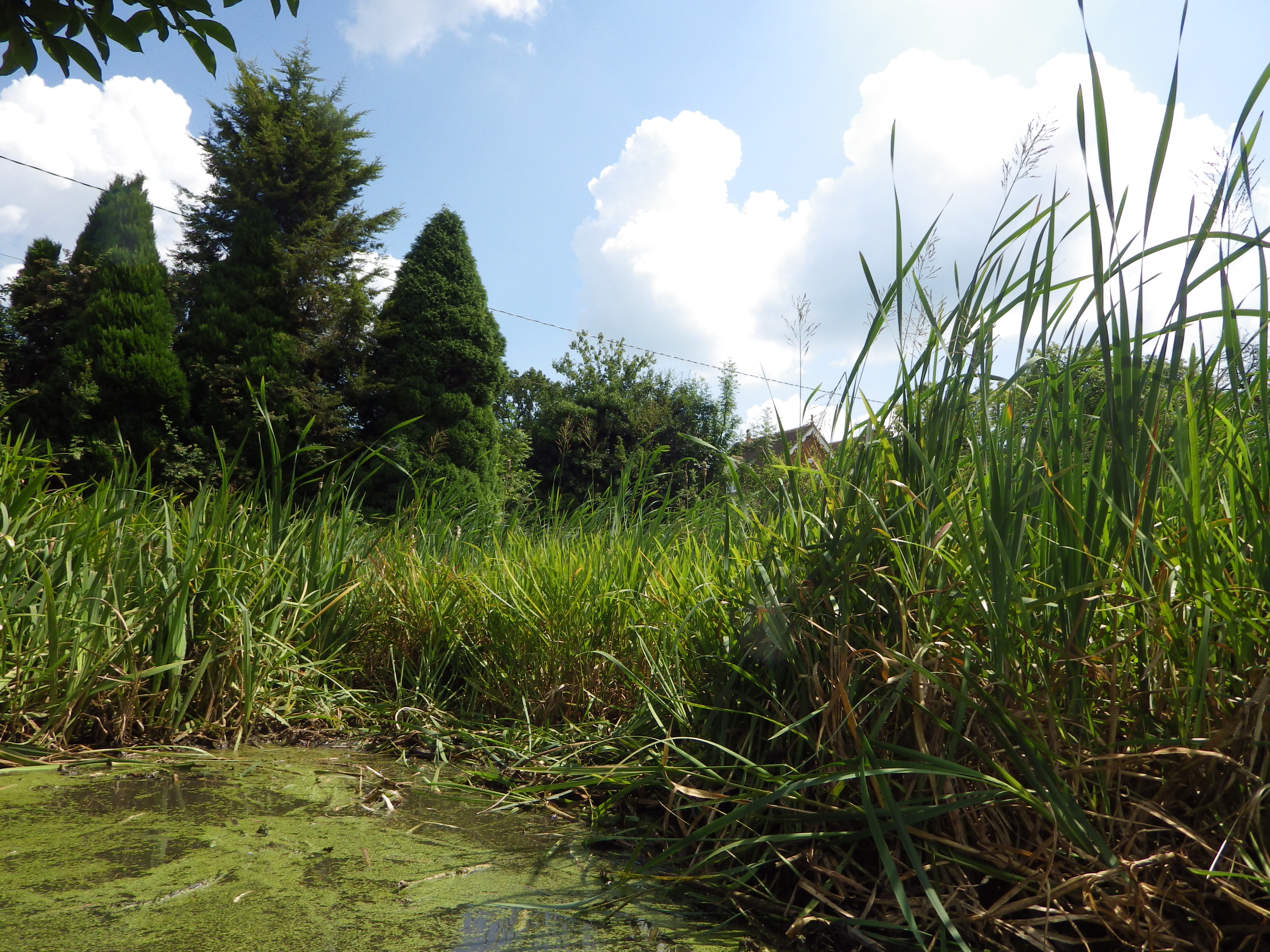
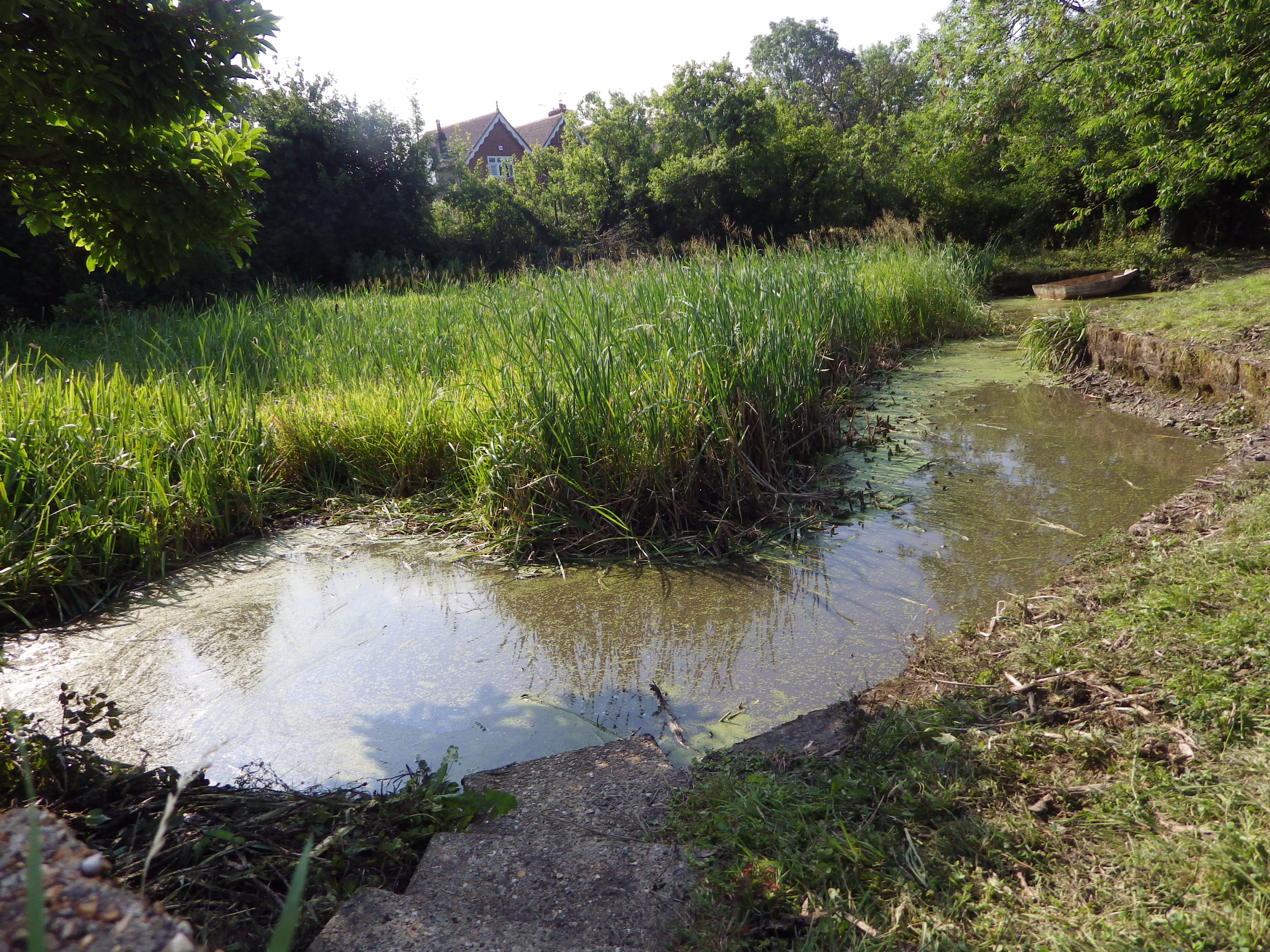
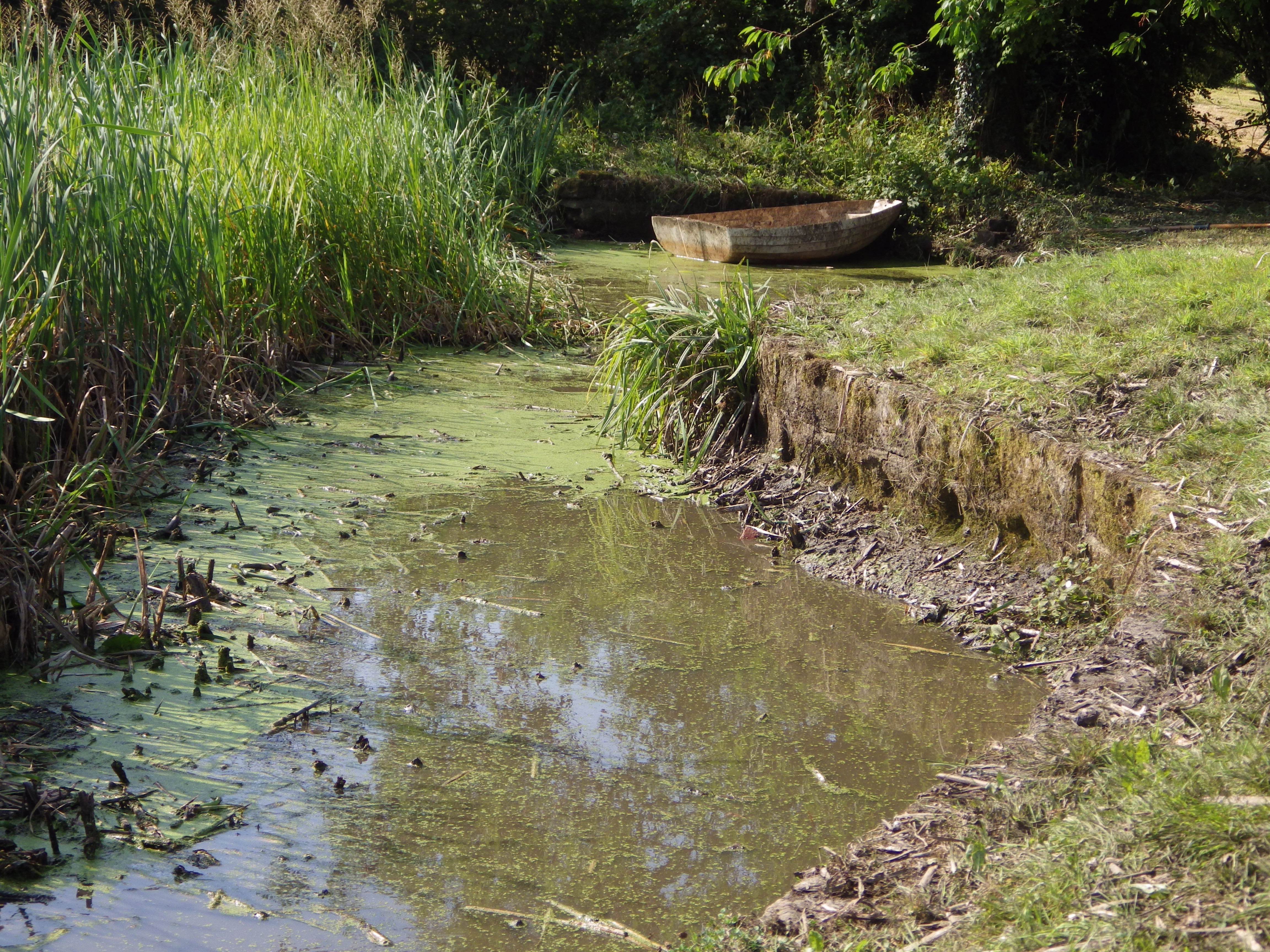
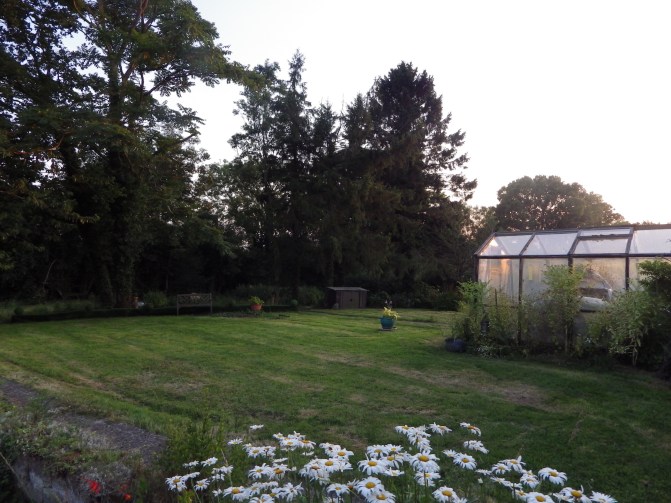
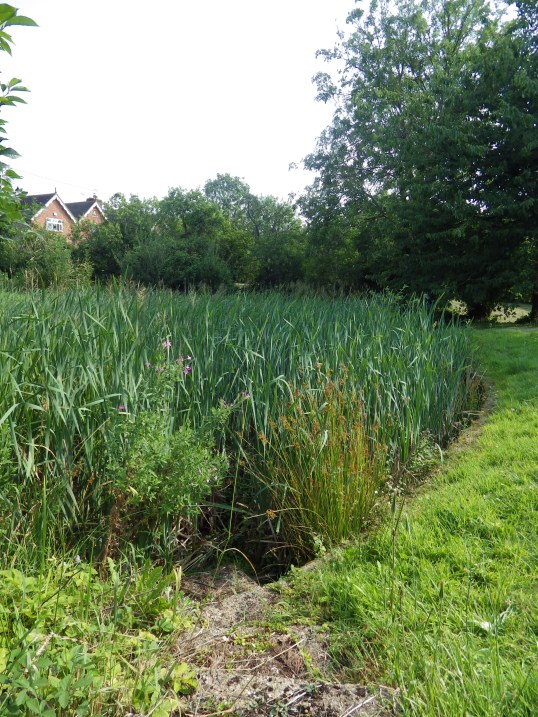
When I got there, before unpacking, I went for a look around the garden. To my surprise the first thing I saw was a common lizard which was incredible! After having some lunch I went exploring round the garden again, but this time with my camera. The weather was extremely hot and I decided to have a sit down when a grasshopper jumped onto my wellie, the wildlife was everywhere! I managed to get a photo and I took some photos of the garden too. One of the reasons why we were having a long stay at my Uncles was so my brother and my other Uncle could start clearing out the pond as over the last many years it has become extremely overgrown. Before the pond became overgrown it was a common sight to see grass snakes, newts, moorhens and much more. Here are some of the photos I took on the first day.
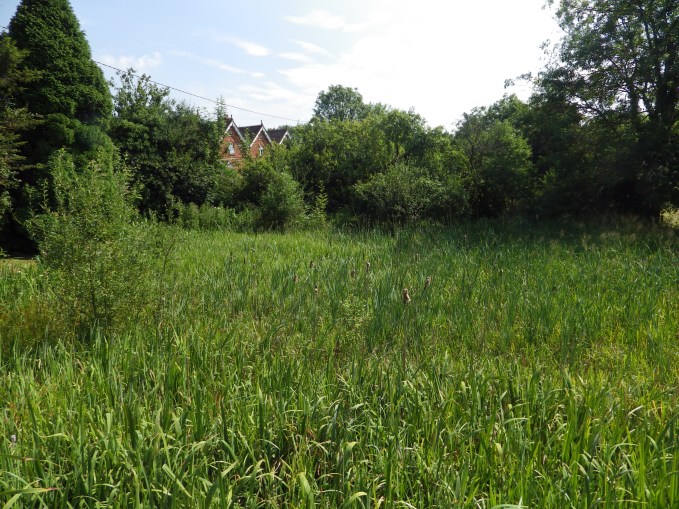
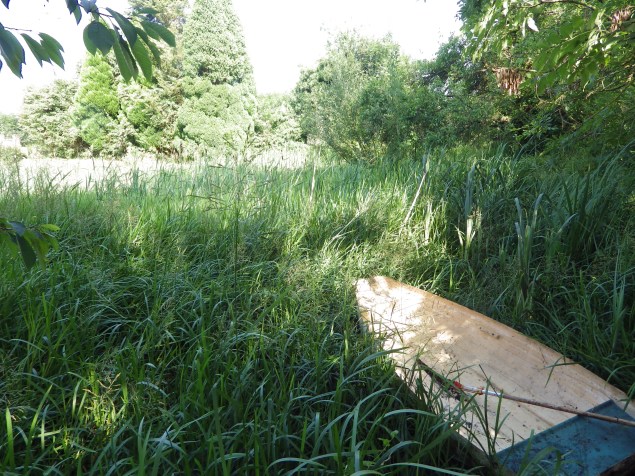
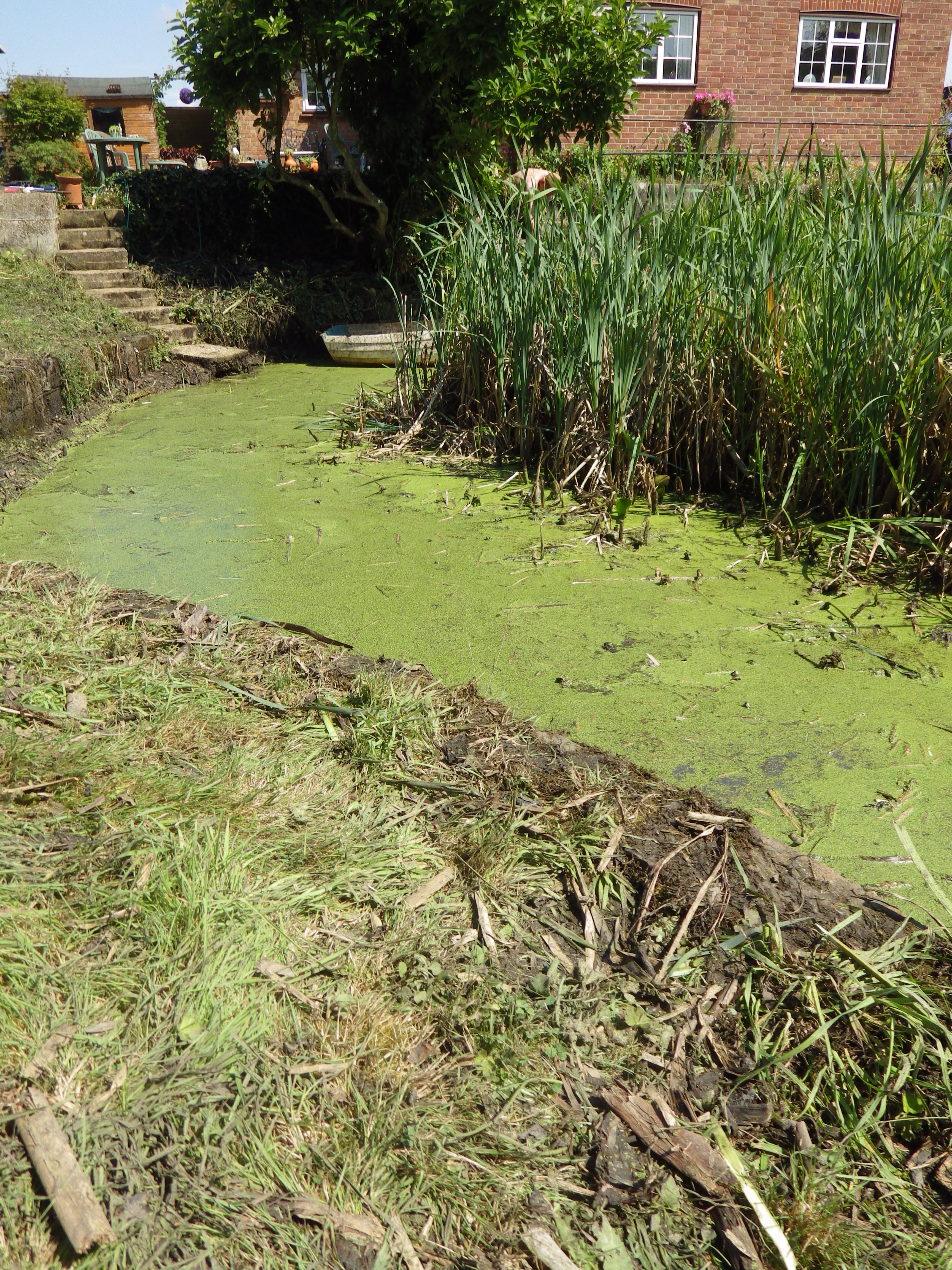
444rbbThe very overgrown pond.

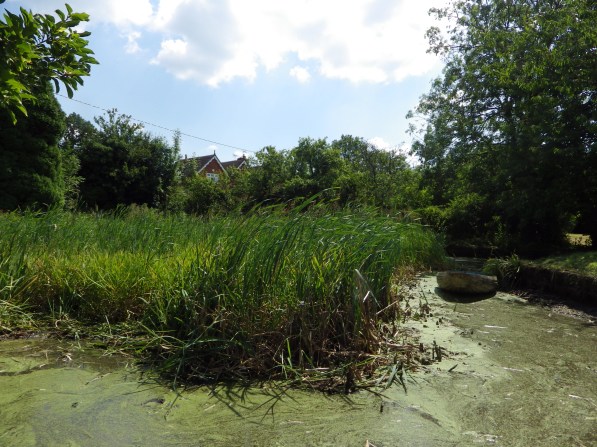
16b byy After the first day this what what the pond looked like.rrb b722 bb grasshopper sbb pb bbrb bb66  One of the first stages of clearing the pond.88sb
Day Two.

The next morning I was up nice and early to check my trail camera (a blog post about the footage I managed to get is coming next!) and to spend another day exploring the vast habitats in the garden. Most of the day I helped with clearing the pond but I did go around with my camera. I even managed to see a slow worm but unfortunately I didn’t photograph it! Here are a few photos from day two.

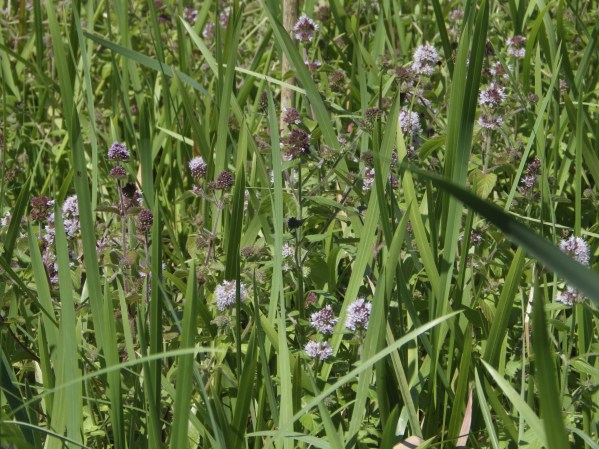
1 2 4

IMG_20140726_102936563Here’s an old reed warbler nest we found when clearing the pond.

Day Three.

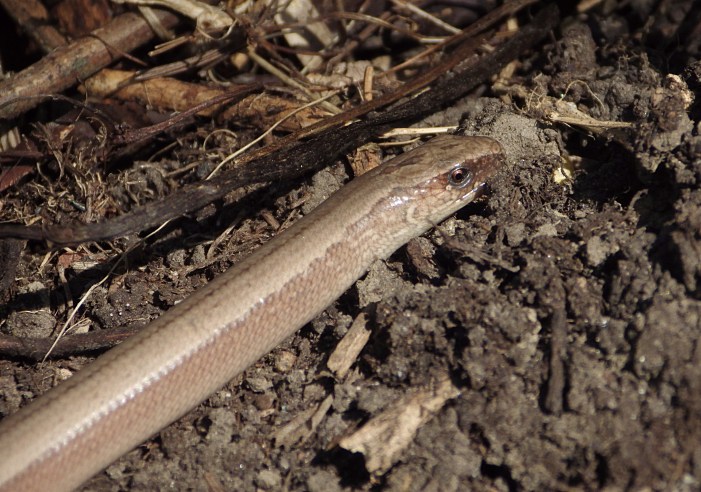
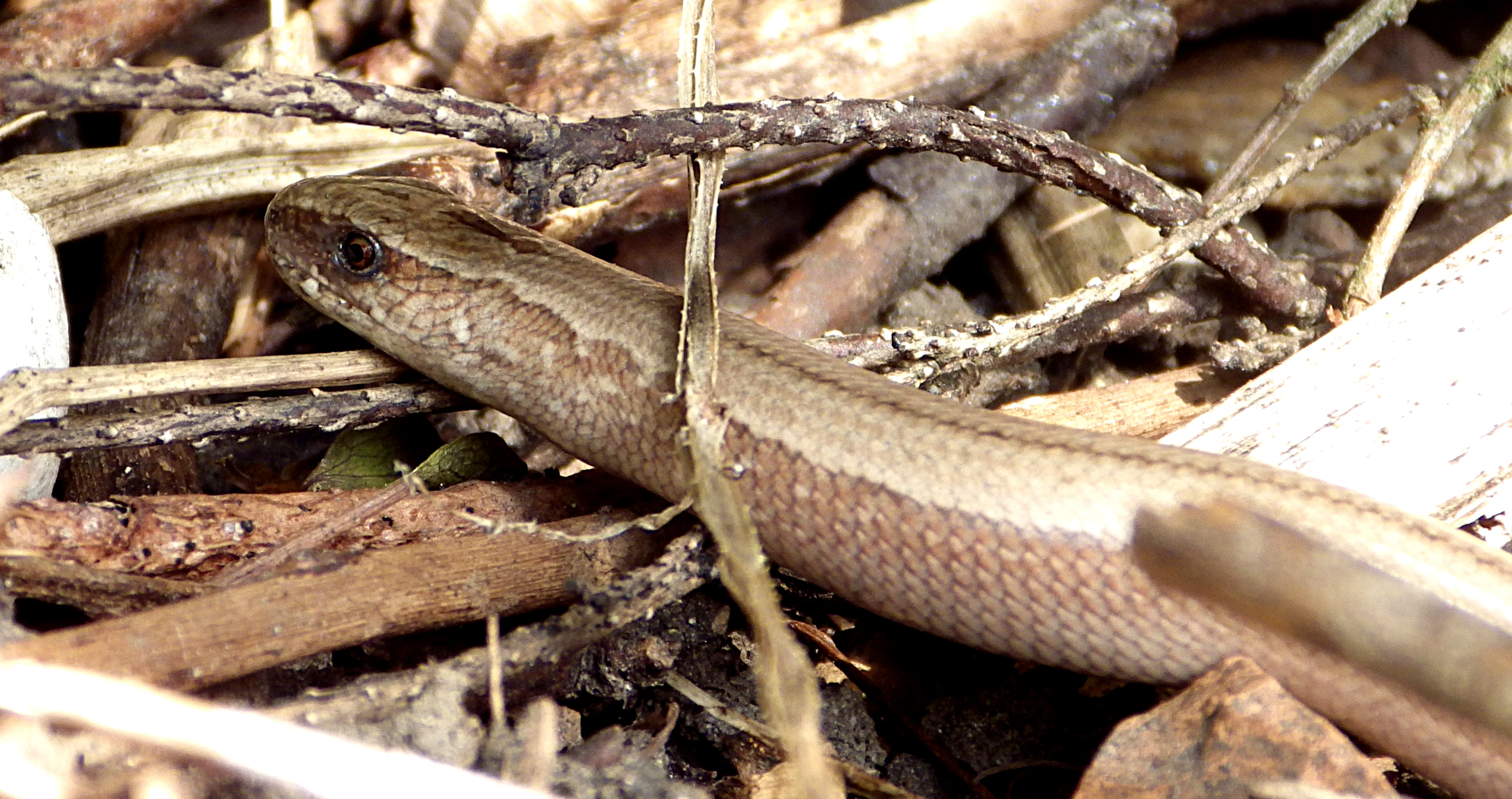
Once again I was up nice and early to check my trail camera and get started with another lovely day in the garden. Today I went on the hunt for a slow worm again so I could photograph one and luckily I did find the same one again and it was in the same spot. Here are some photos that I took from day three which include my photo of a slow worm!
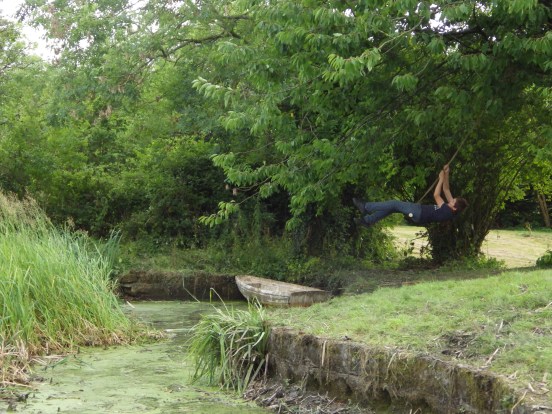
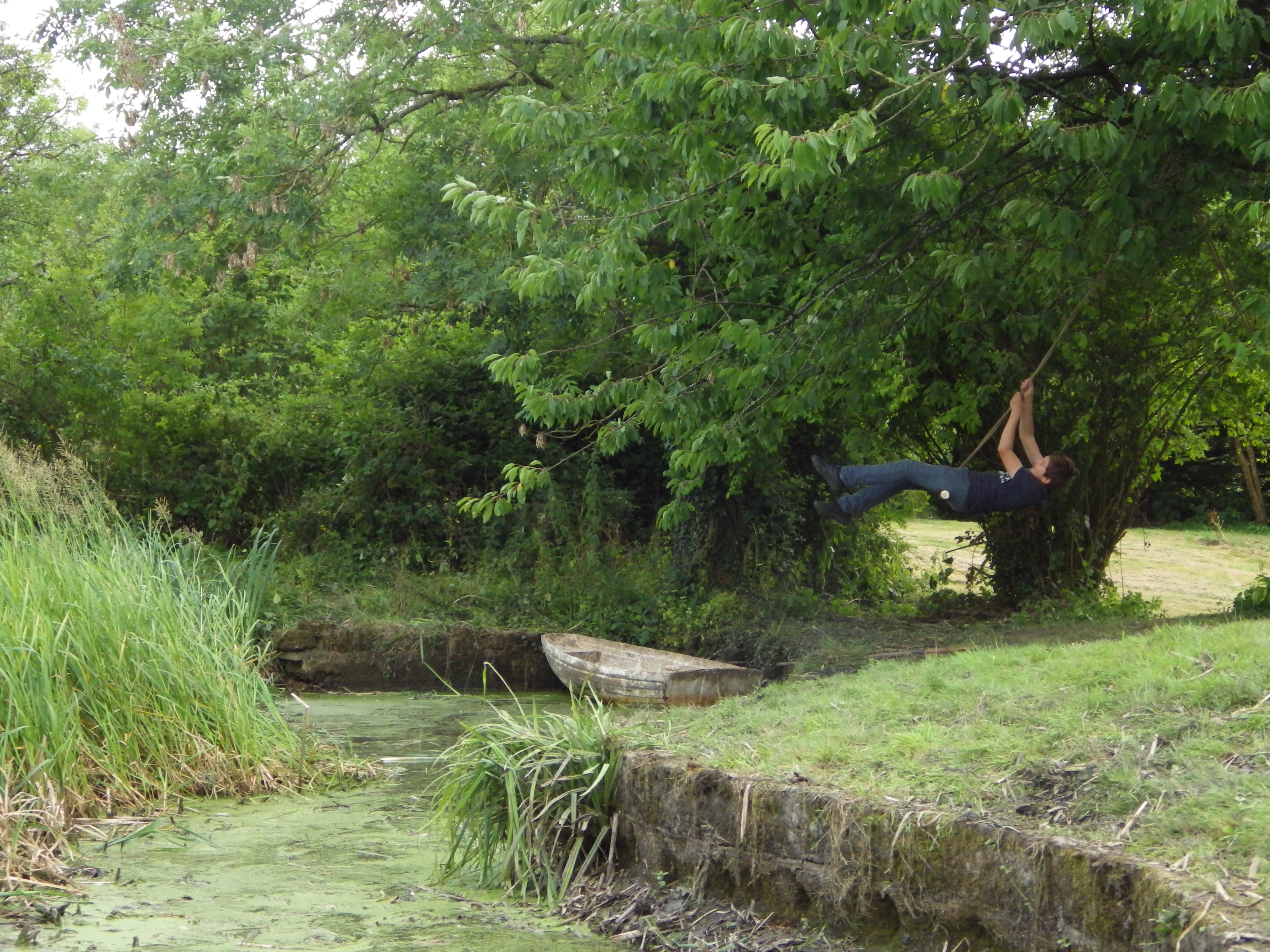
l My brother on a swing we made going over the pond.b c
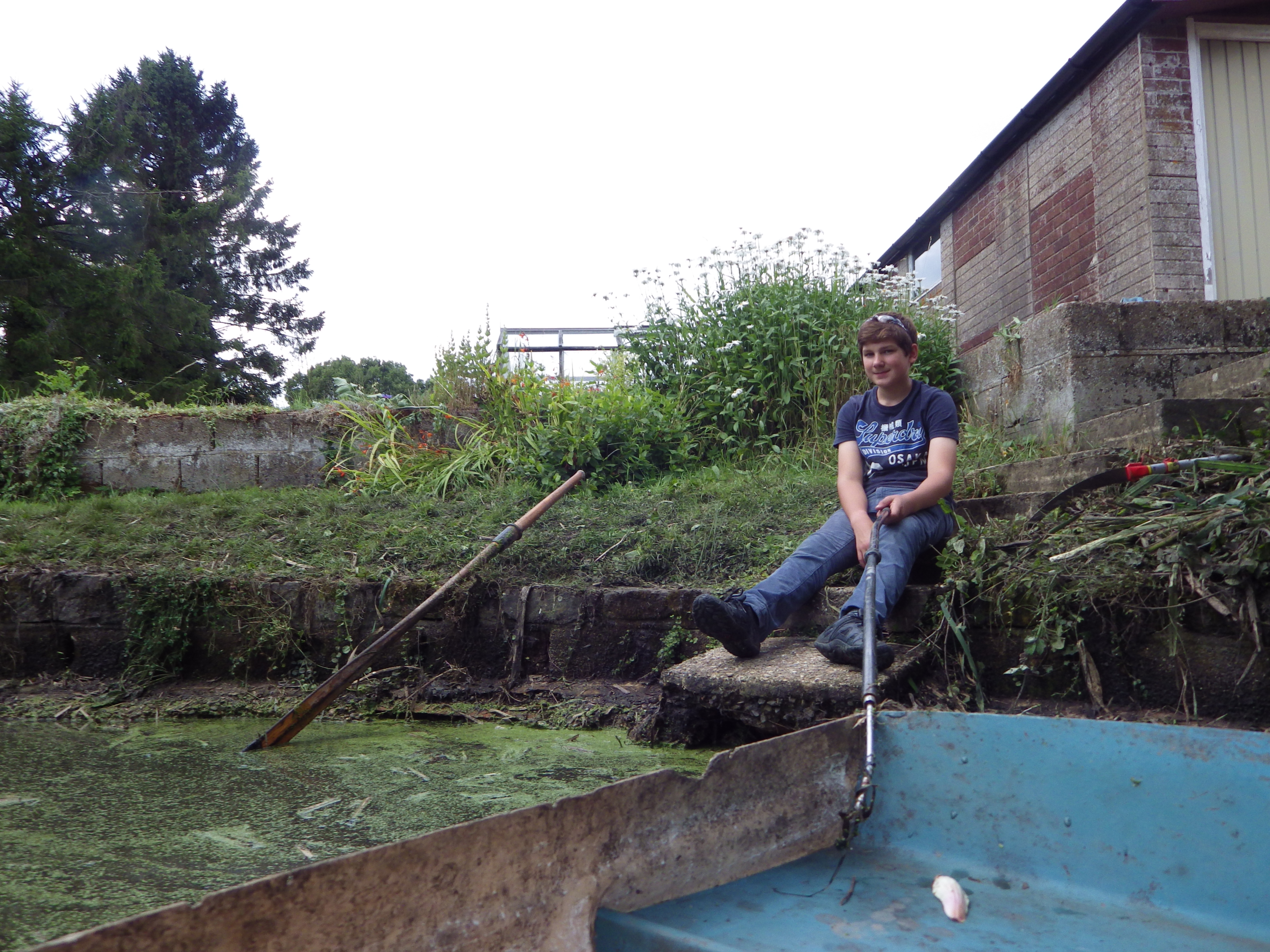
f g h k de a1This is my brother, Sam, helping me photograph some dragonflies. I sat in the boat and as one landed he would slowly push me out to photograph it.
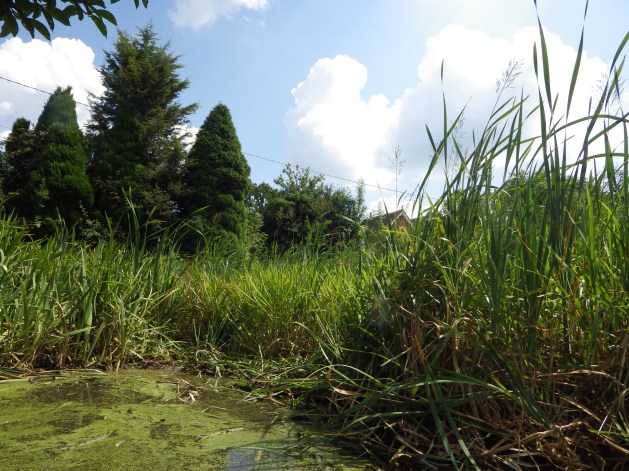
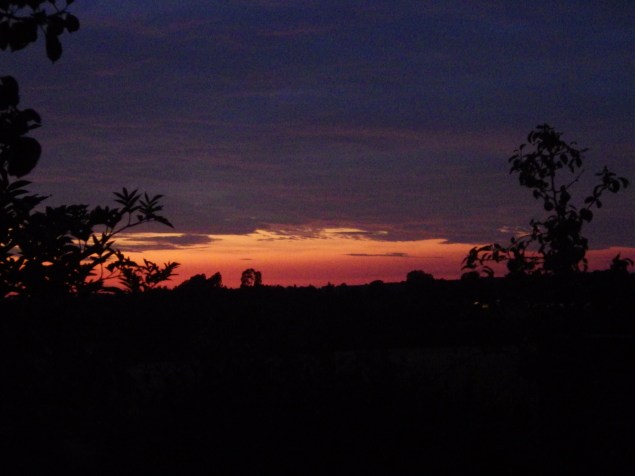
j z slowworm

 Day Four.

Today was the last day of our four day break and once again I was up early to check my trail camera. After having my breakfast I went for one last look around the garden before going home. I even spotted the same slow worm at the same place I’d spotted him at the few days before. Here are some photos I took before setting off home.
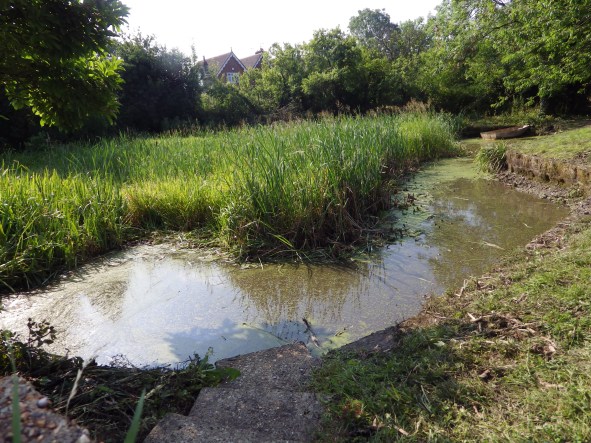
3 2 1 4sw


On all three nights I managed to record some footage on my trail camera too which my next blog post will be all about!
Derbyshire effects and edits.

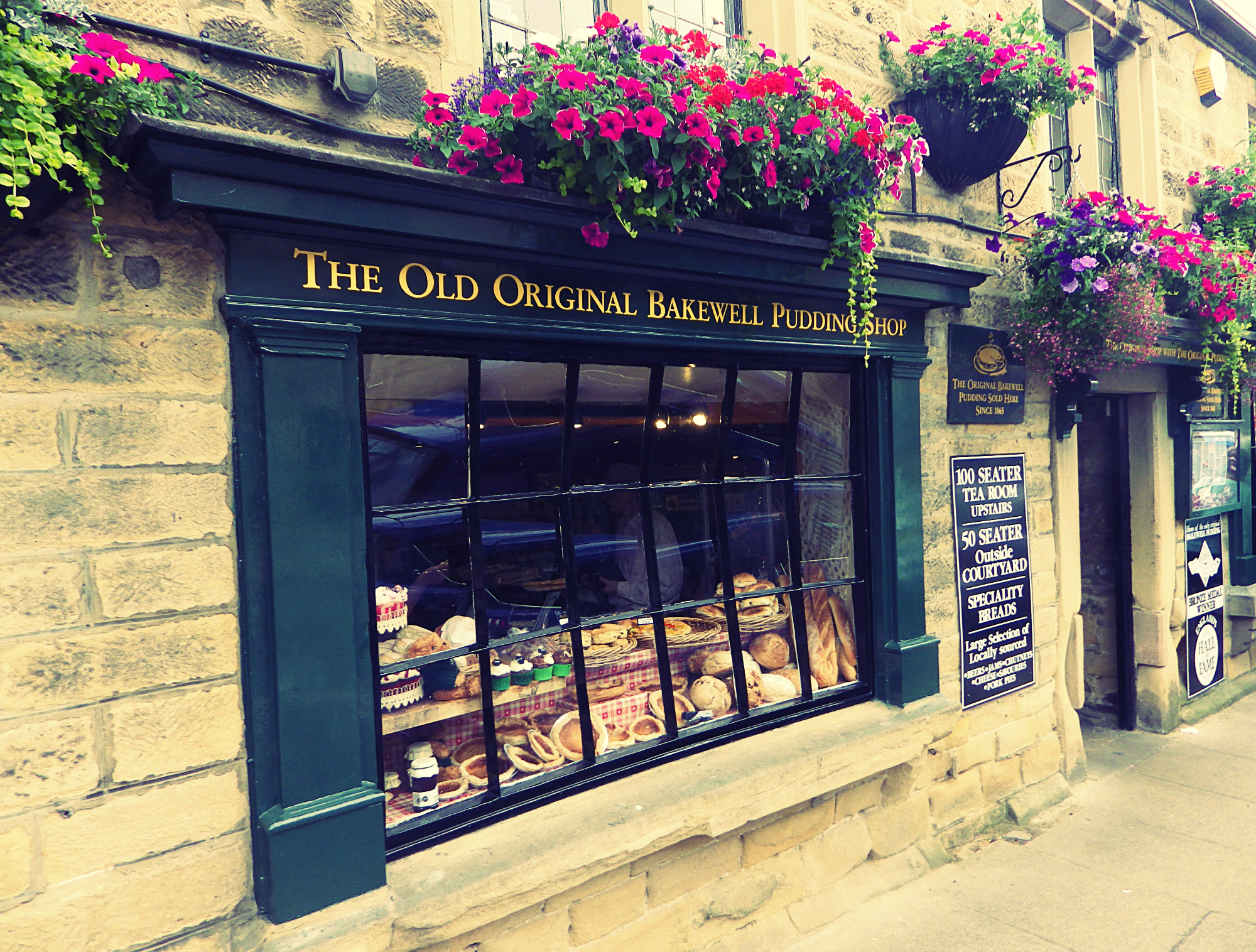
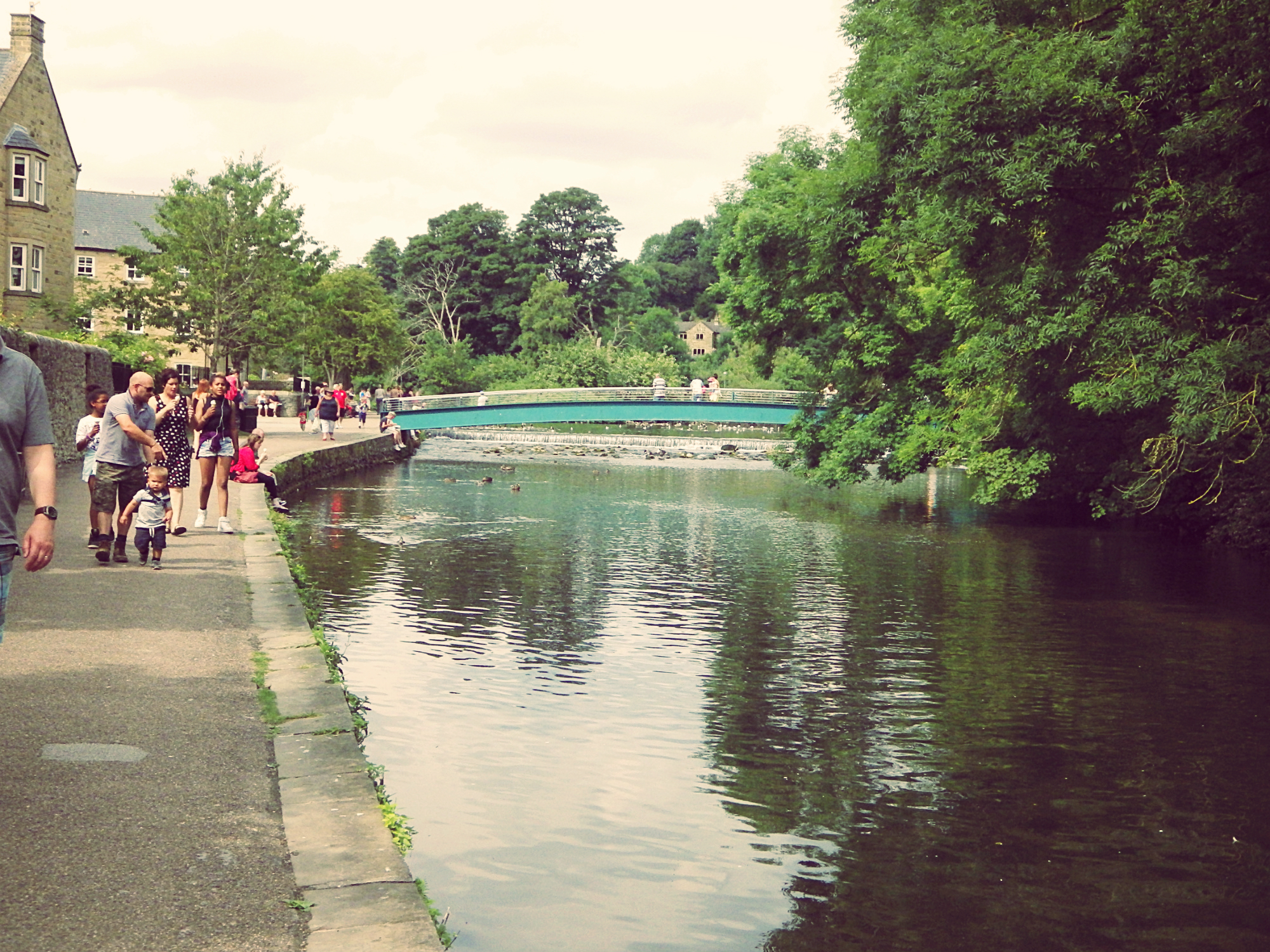
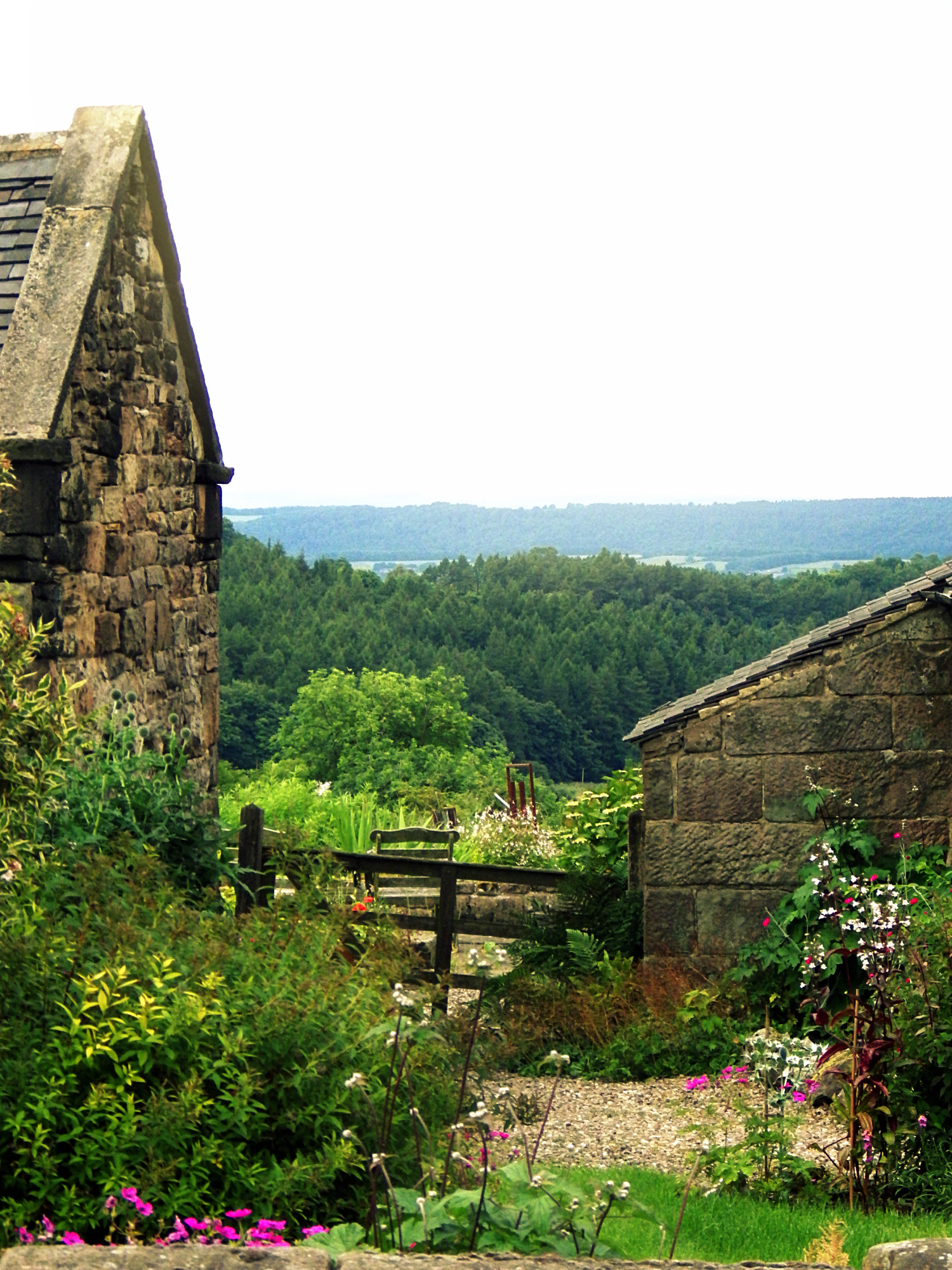
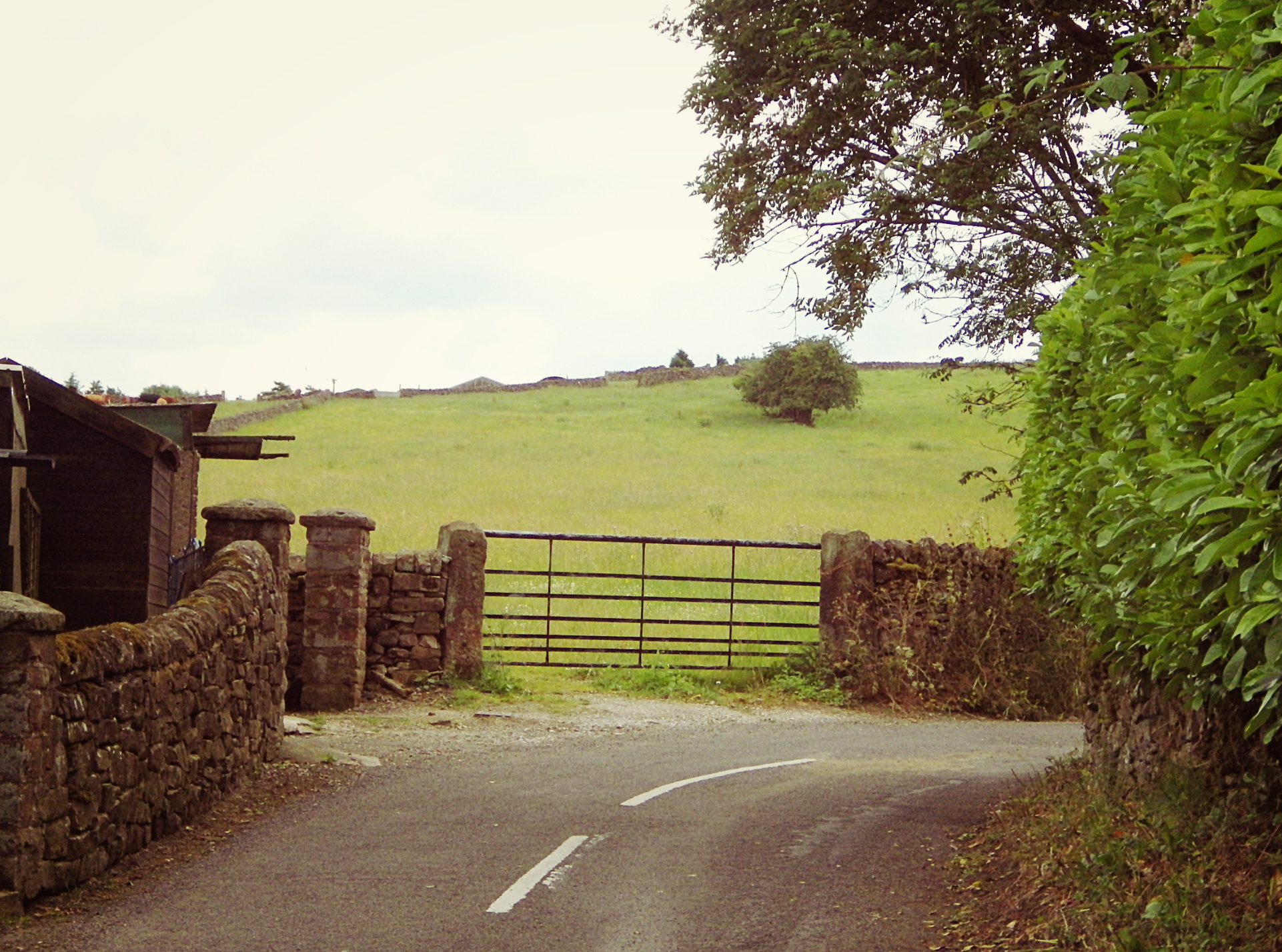
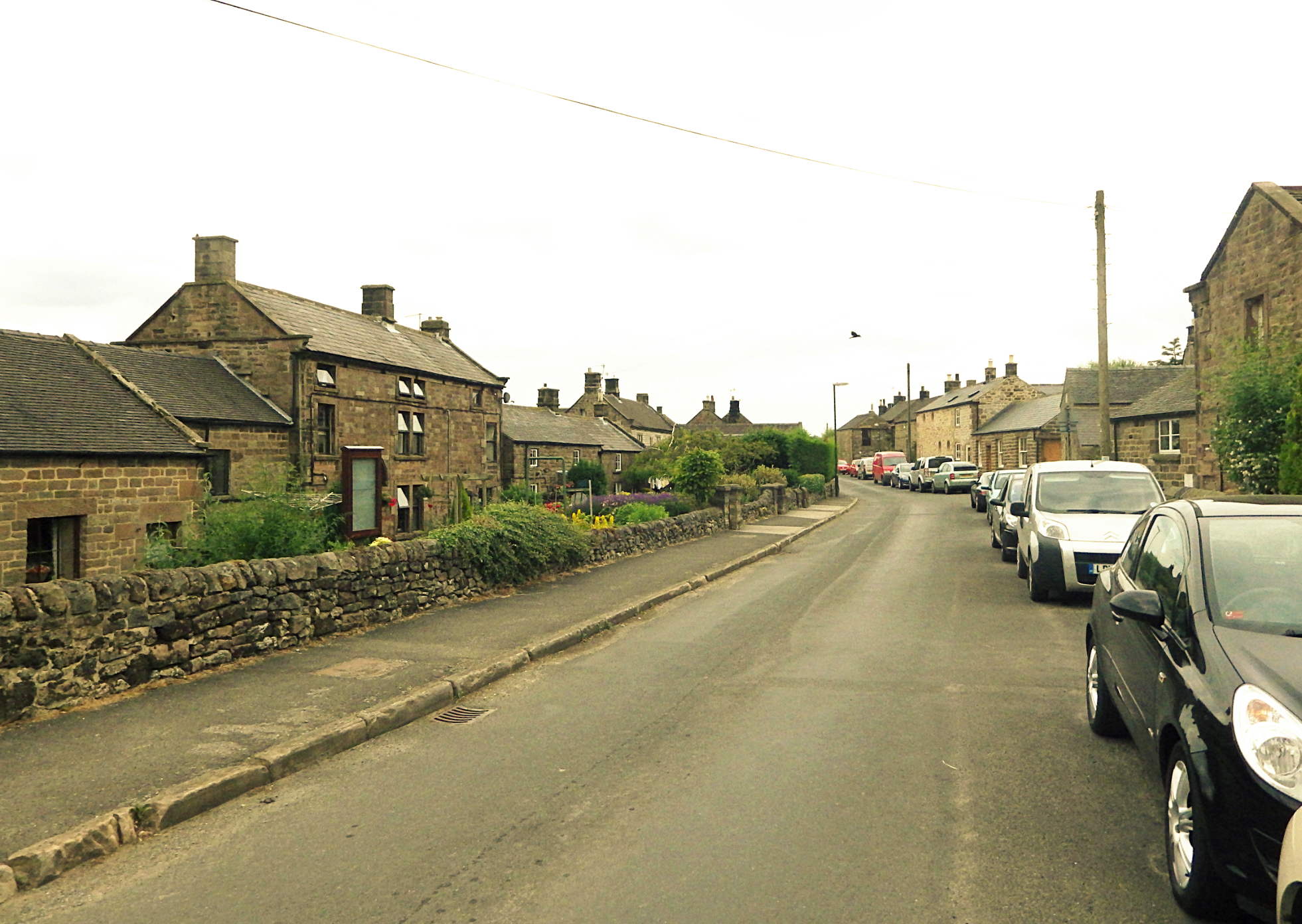
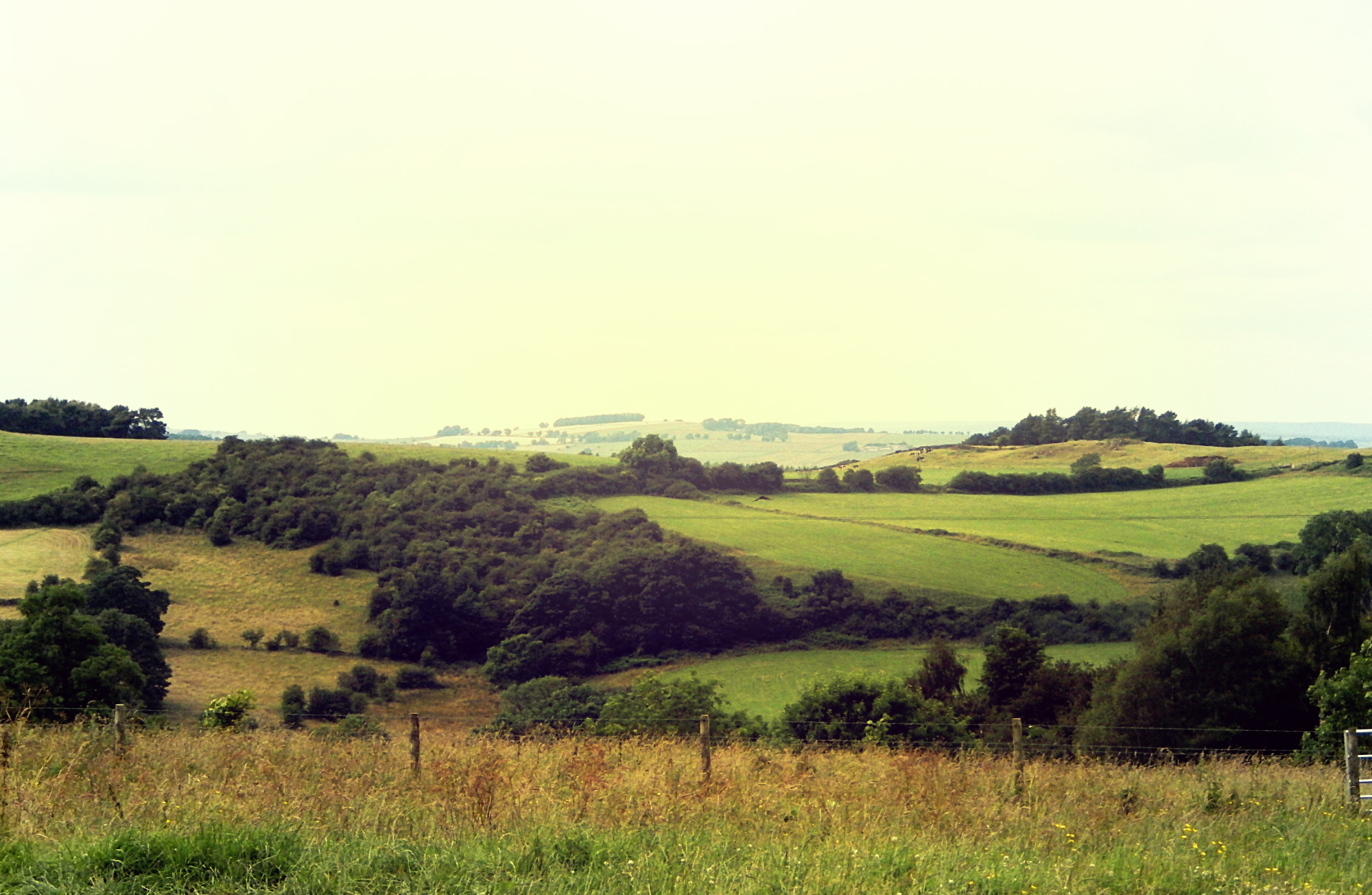
Last Saturday I went on a day trip around different towns and villages in Derbyshire. As always I brought my camera to photograph all the wonderful scenery and landscapes. However from the photos I took last Saturday I have edited and added effects to them in a different way.

Here are some of the photos that I took.

pudshop imgp5644 imgp5626 imgp5786 imgp5740 imgp5756 imgp5719 imgp5765