A return of the badgers!

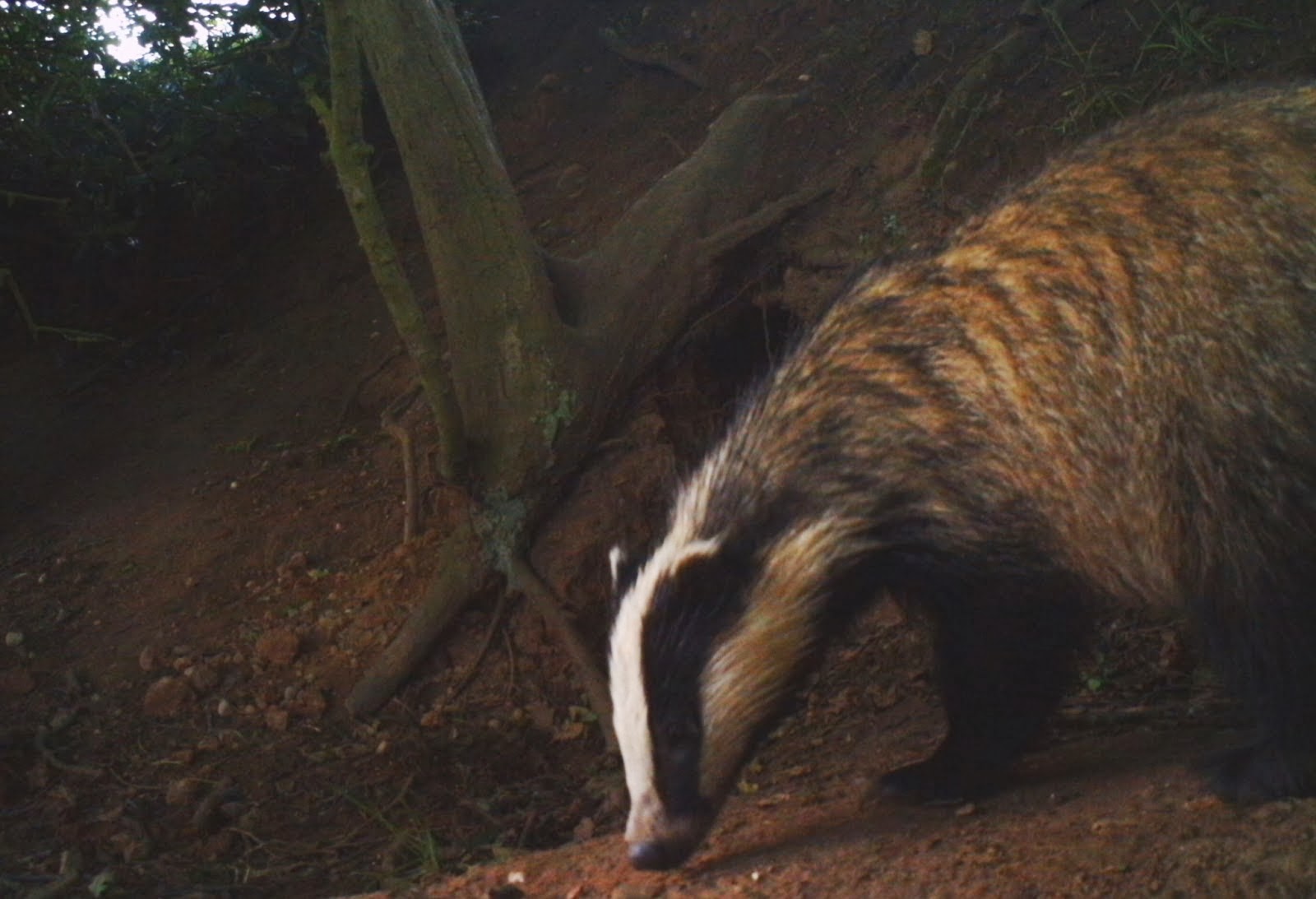
Last Saturday night I returned to the badgers sett where I have recorded badgers in the past. The badgers which I recorded were the same ones I recorded many times last year and which featured on BBC Autumnwatch. At this time of the year the badgers are becoming more active and the young cubs are starting to emerge from the sett in the next few weeks. In the near future I hope to record the badger cubs around at this sett when they come out around late April and early May which I’m really looking forward too! At the most I recorded two different badgers however they weren’t as active as the ones I recorded last Autumn. Here is the footage that I got and there will be lots more to come over the next few weeks!


You can see some of the footage that I recorded last year here – https://georgiaswildlifewatch.wordpress.com/2013/10/08/best-badger-footage-yet/


Three reasons for dummies why the badger cull won’t work.

There are many different reasons why culling the badgers by shooting them or gassing them won’t control or stop the spread of bTB (Bovine Tuberculosis) in cattle. As a young wildlife enthusiast I thought I’d do a blog post explaining three different reasons why, in my opninion, culling badgers won’t work. I want the cull to be taken no further and badgers to stop being killed for no reason. I know there is a problem with bTB in cattle but killing badgers is far from stopping this. In my opinion, shared by many others and supported by scientific evidence, vaccinating badgers will work much better and be much better for badgers as a species. Very often I hear people saying that we are against the cull because it’s killing animals; the culls the only answer; it will help other species and many other reasons which are not correct. The people making these points obviously have no knowledge of the cull, badgers or the natural world whatsoever. Here is a list of some of the main reasons into why the cull won’t work

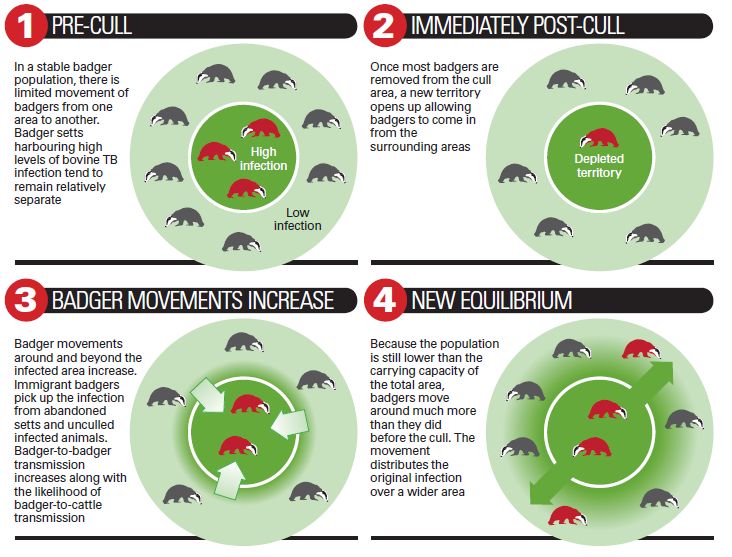
  1. The first and main reason why the cull will not work is because of something called the ‘perturbation effect’. Badgers live in social groups of around four to seven animals and have defined territorial boundaries. Culling the badgers will interrupt these social groups which increases the risk of disease.

“Culling disrupts the organisation of these social groups, increasing the risks of disease transmission”

Here is a diagram illustration how the perturbation effect doesn’t work and only makes the spread of bTB worse.

Image

2. The contact between cattle and badgers is actually very rare and the problem of bTB spreading isn’t just from badger to cattle but an infected cow passing it on to another. Cattle are more likely to get the disease then pass it onto other cattle. According to computer modeling studies, herd-to-herd transmission of bovine TB in cattle accounts for 94% of cases. Also scientific evidence from the randomized badger culling trials found around 6% of infected cattle catch TB directly from badgers.

3. Badgers aren’t the only species that carry the disease, here is a list of others:

Deer = 36% positive (including farmed, wild and park deer)

Cat = 25% positive

Dog = 27% positive

Pig = 19% positive

Alpaca = 56% positive

Sheep = 44% positive

Therefore to control it by culling animals we wouldn’t just have to kill badgers, but other UK species. However, we don’t know what individuals within a species carry the disease and we could be culling any animal which doesn’t carry bovine TB.

To help our badgers in the UK there are many different ways, for example you can donate money into the vaccination programs, support the different charities opposing the cull, sign petitions against it and much more!

036a0-eatdaylight

Spring flowers.

Following yesterdays first Thursday wildlife quiz here’s a post with the answers on and some information about each flower species I quizzed about.

Image

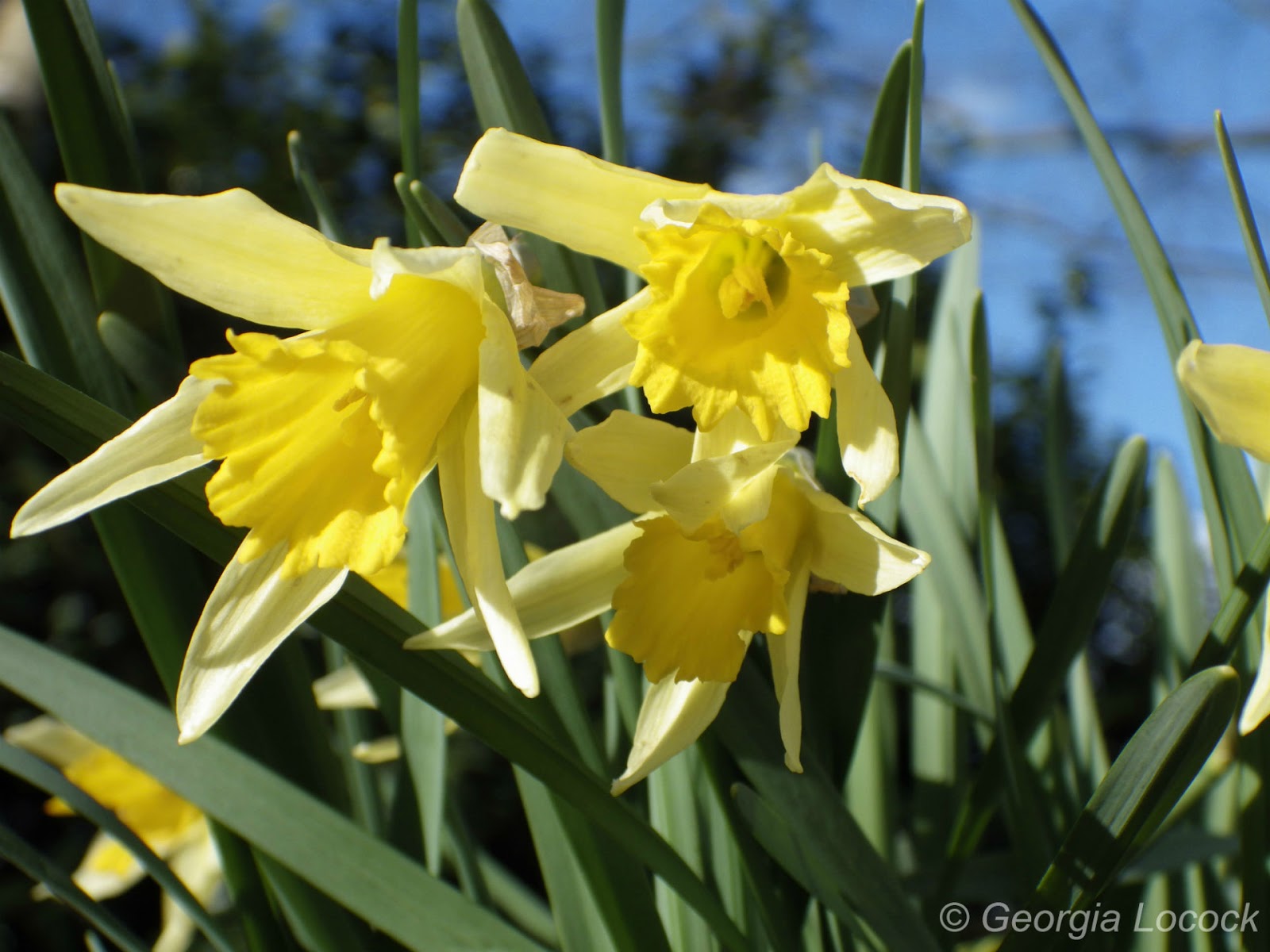
So then the answer to the first one was of course a daffodil which has the Latin name of Narcissus. Daffodils are a well known European flower and can be spotted from the beginning of Spring. Snowdrops belong to the same family as daffodils which makes them both a member of the Amaryllidaceae. 

The Latin name for daffodil is thought to have been inspired by Narcissus who was a figure in Greek mythology said to have fallen in love with his reflection in a pool of water. The nodding head of the daffodil is said to represent Narcissus bending down and gazing at his reflection.

Image

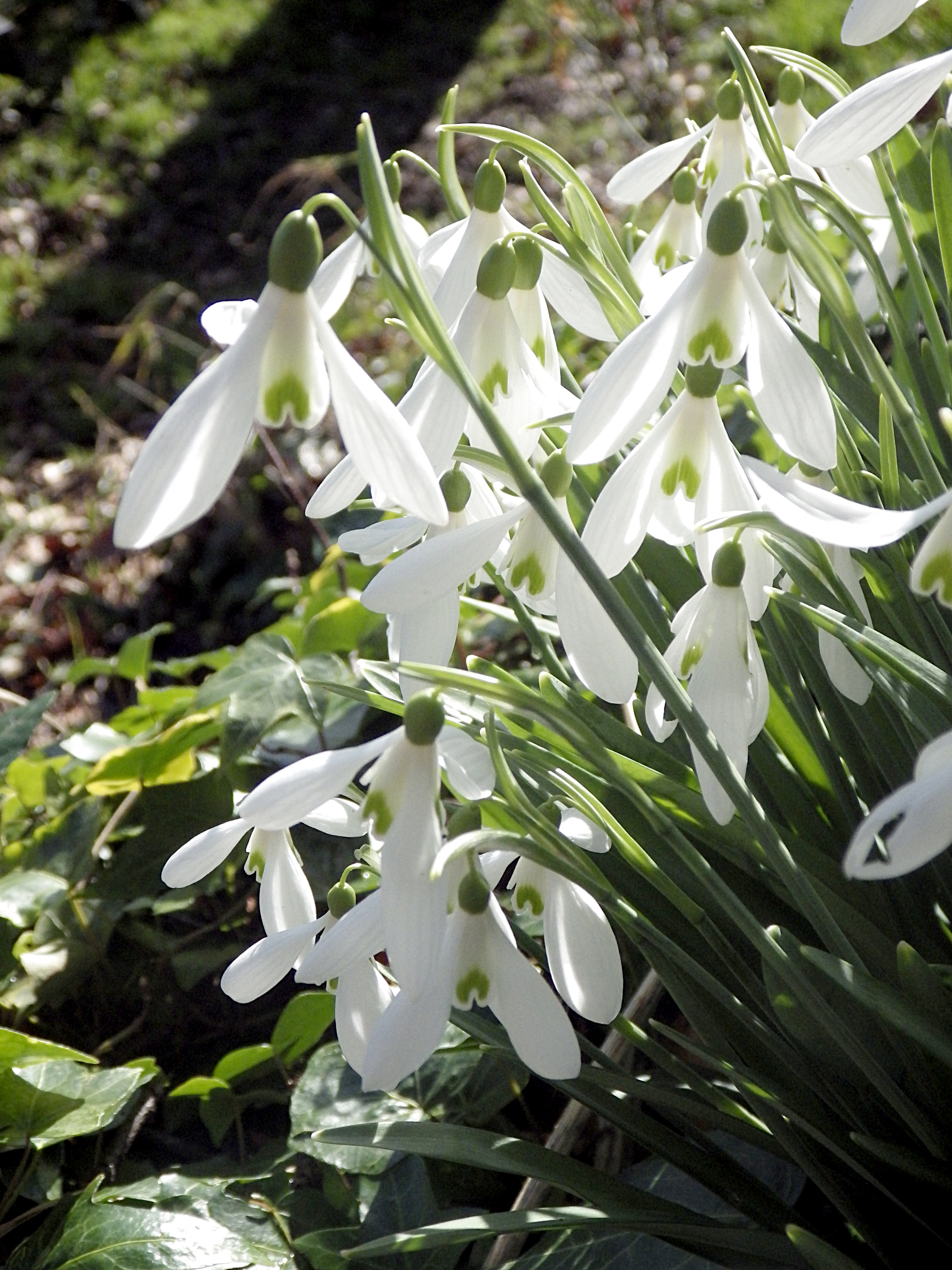
The answer to this photo was snowdrop which have the Latin name of Galanthus nivalis. They are mostly found in deciduous woodland but occasionally coniferous woodlands. They can also be found in meadows and near rivers. It was given the name nivallis as this means snowy. It is very popular in the British Isles even though it isn’t native here.

Image

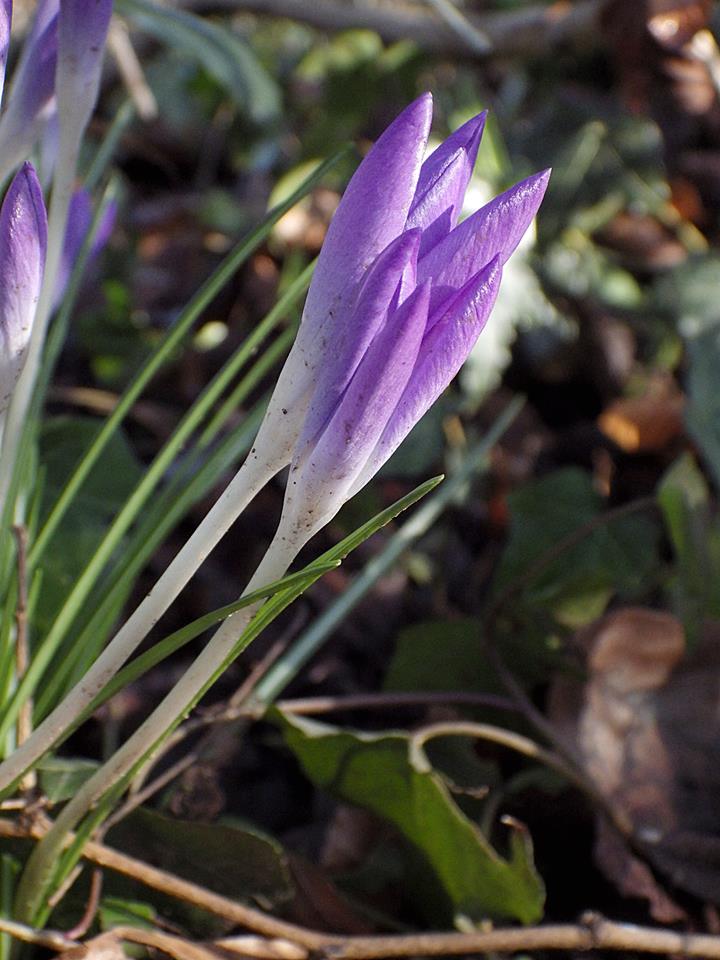
The answer for this photo was crocus which has the Latin name of crocus too.You can find them in three different colours which are purple, white and yellow.

Image

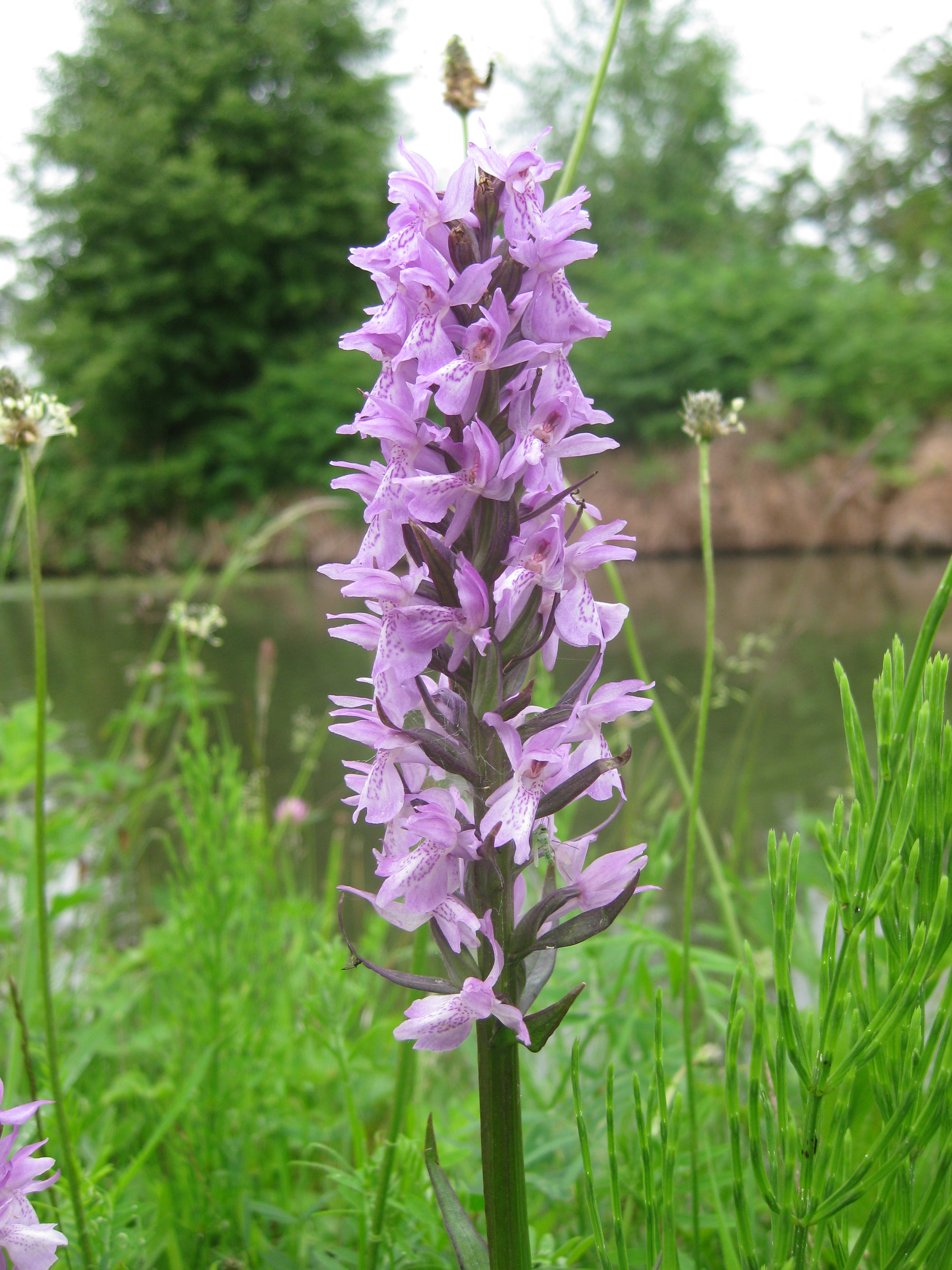
This was a very difficult one, it is in fact a southern marsh orchid which is commonly known as a ‘spotted orchid’. They are widespread and commonly found across the UK. These flowers appear in the late Spring to Summer, dependent on the weather, but typically from June to July.
Image

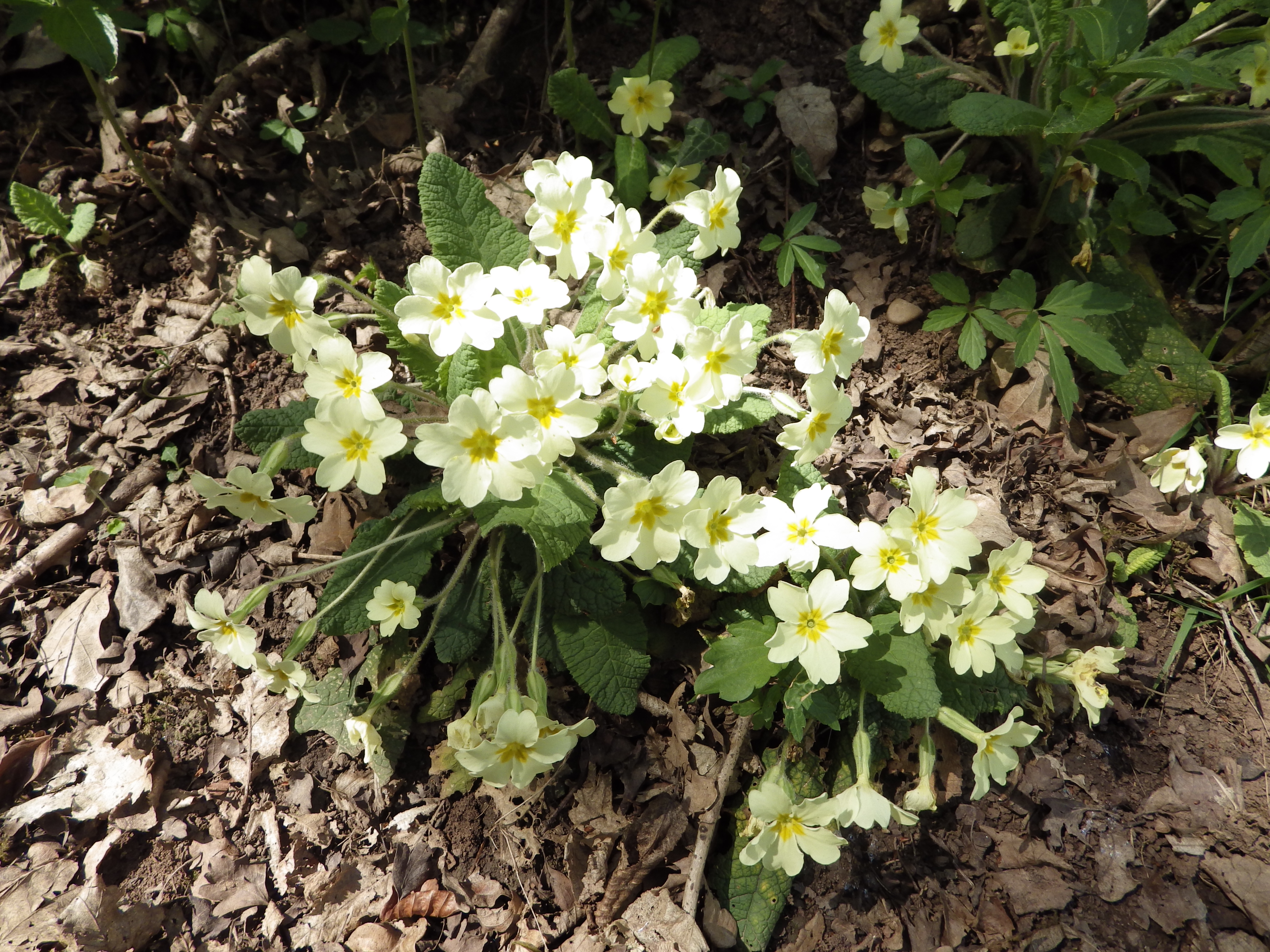
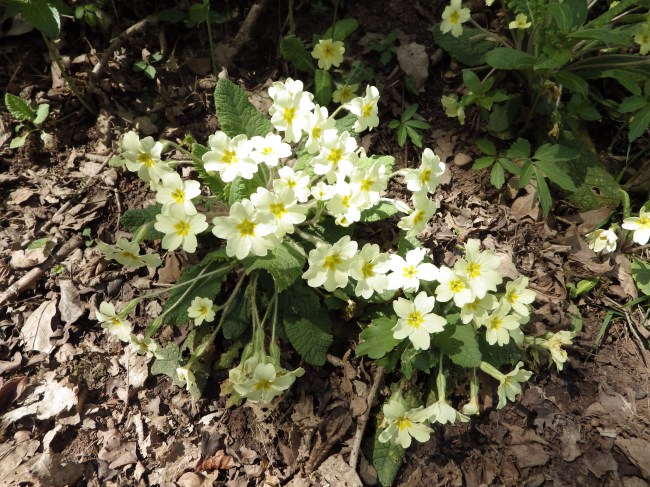
This one is off course a primrose and has the latin name of primula vulgaris, it also belongs to the Primulaceae family. They are native to the UK and you can usually expect to see the pale yellow flower in the Spring time.
Image

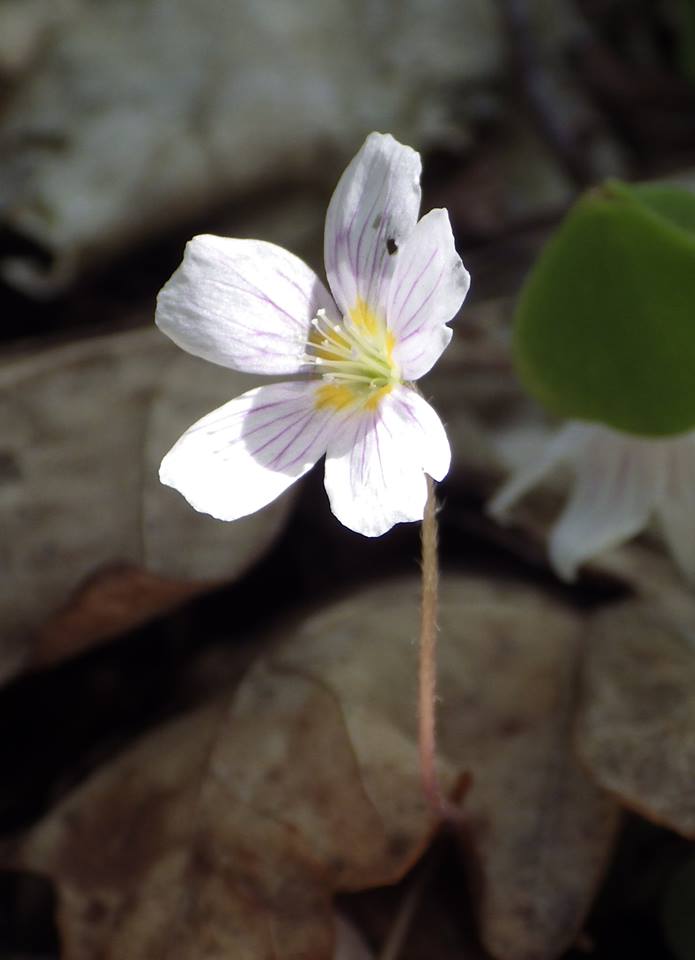
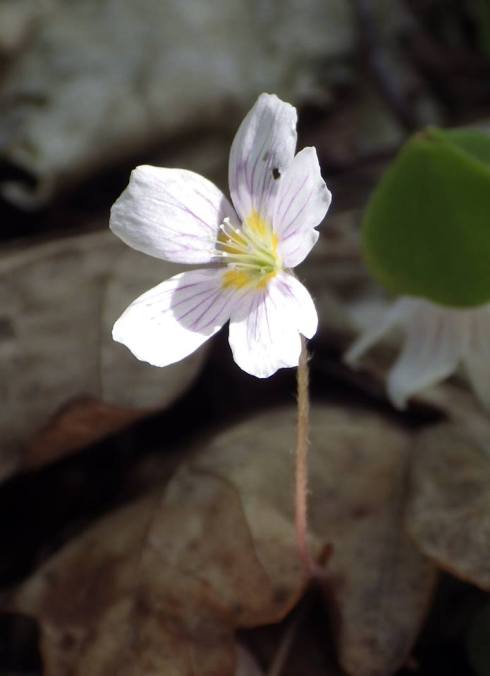
The sixth photo was a wood sorrel which has the Latin name of oxalis acetosella. You can expect to find them in distinctive clumps in woodlands and shady hedgerows, often growing from moss on fallen logs. They are widespread and you can expect to see them in April and May.
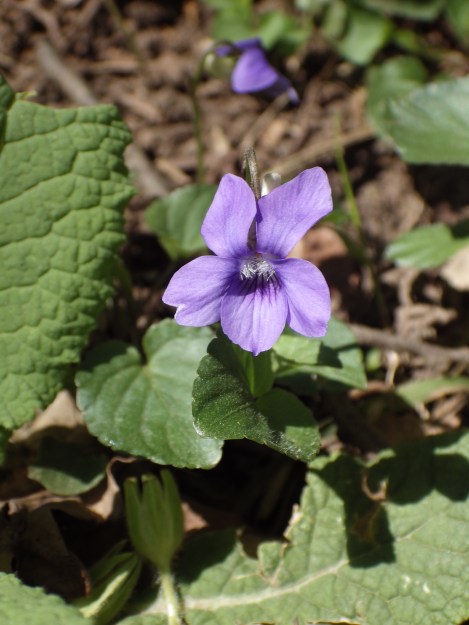
Image

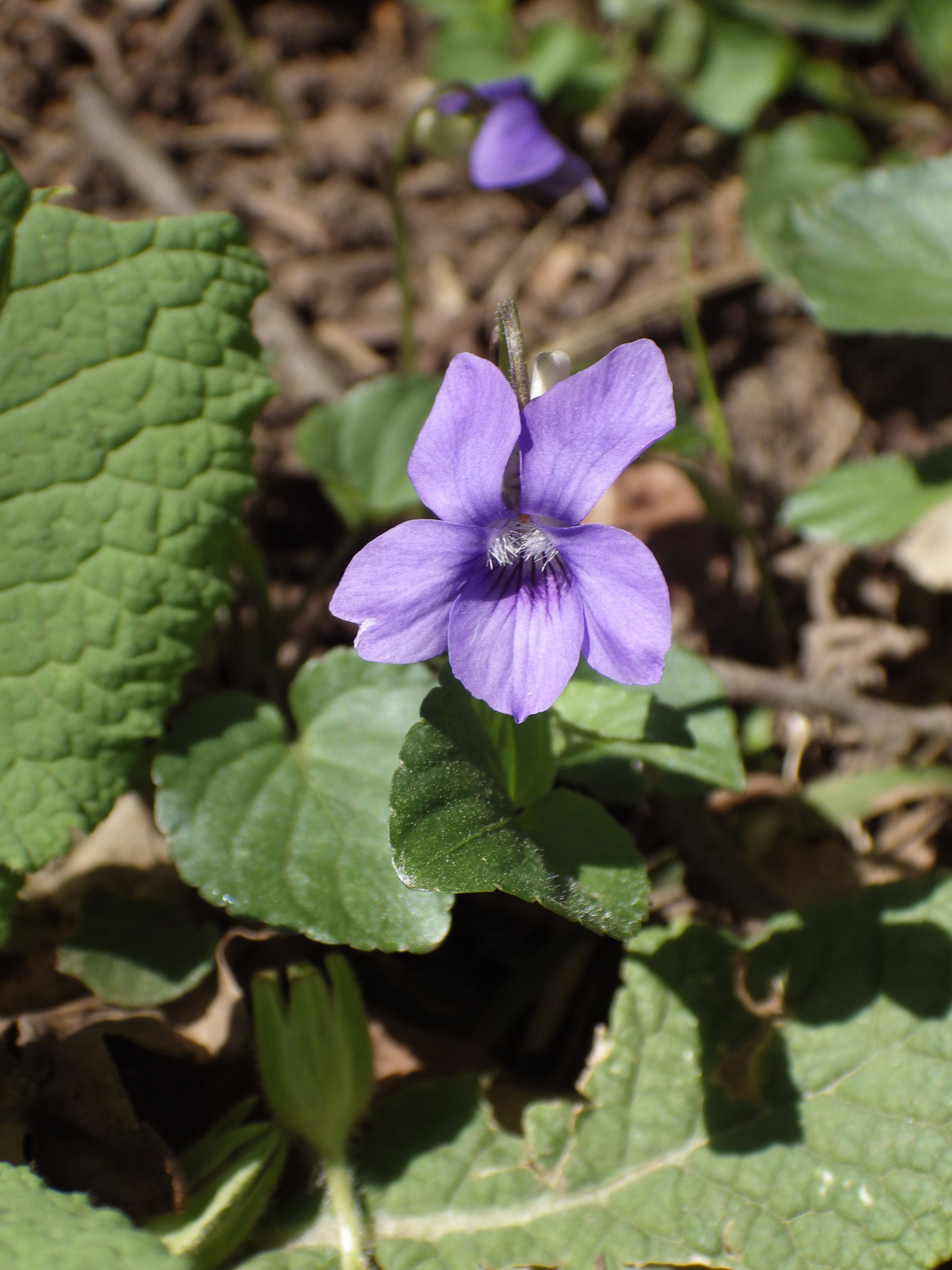
This is a common dog-violet which has the Latin name of viola riviniana. They are very common and they grow almost everywhere in the UK and you can expect to see them in many different habitats including woodland, grassland, heaths, hedgerows and old pasture. It flowers from around April to June but it’s flowers are not scented.
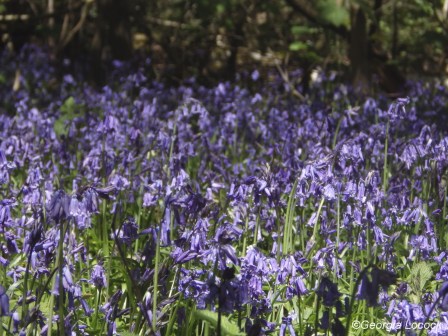
Image

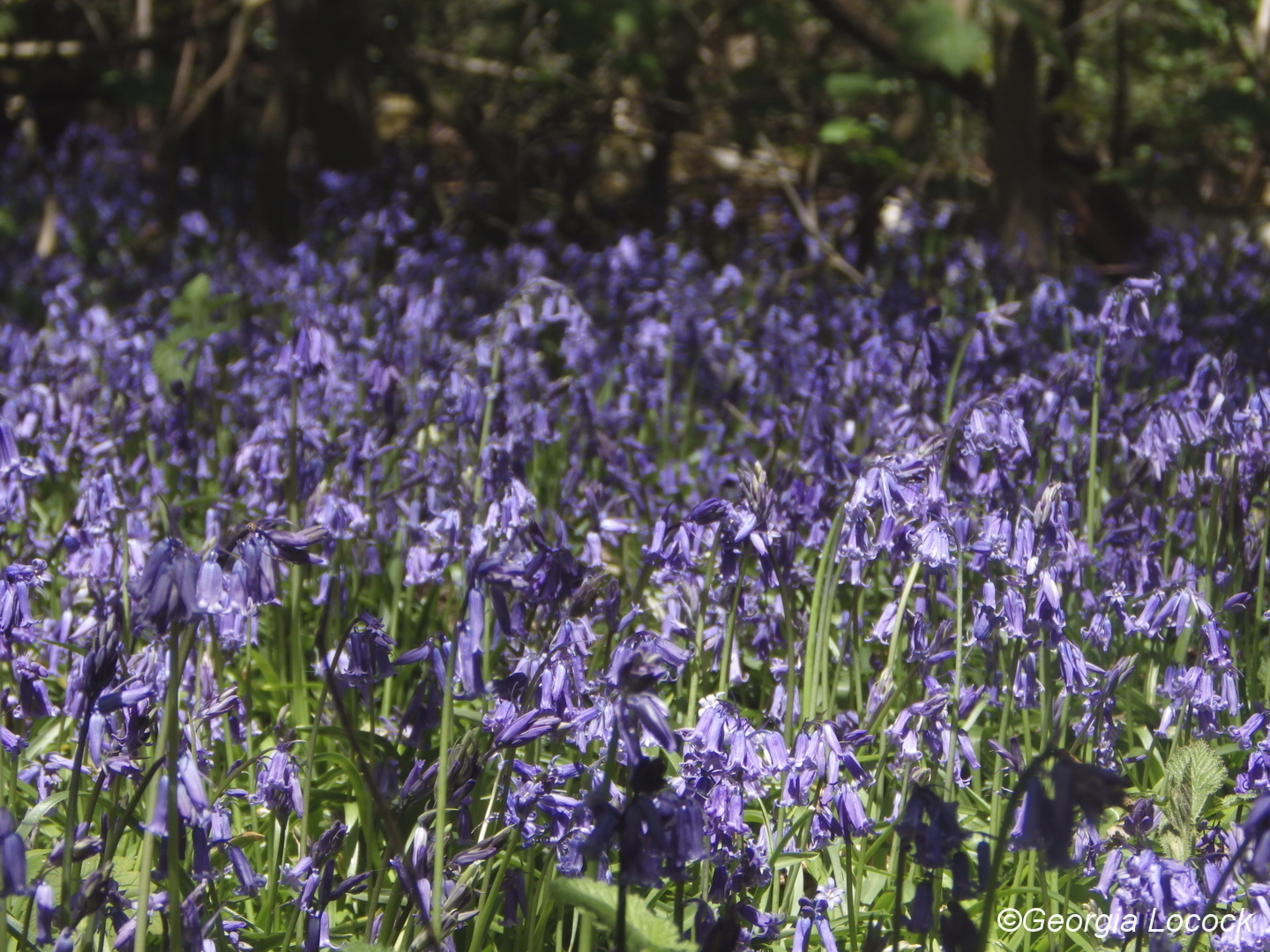
The last one was of course bluebells which have the Latin name of Hyacinthoides non-scripta. They can be found throughout the UK and can be expected be seen in flower throughout April and June. They are mainly found in woodlands, especially coppiced woodland.

Next weeks quiz will be all about British fungi!


Improving my blog.

I have recently decided to put a survey together for anyone and everyone who visits my blog to answer. The survey will give my an idea on what type of people visit my blog, what is working well, give me some new ideas, what isn’t working and much more. Here is a link to the survey – https://www.surveymonkey.com/s/K97TML5